Asro
Asro
In a seismic shift for the media and technology sectors, Fox Corporation has officially announced the acquisition of streaming pioneer Roku in a deal valued at approximately $22 billion. This monumental transaction, which is slated for completion in 2027, marks a pivotal moment in the ongoing consolidation of the entertainment industry. For the millions of households that rely on Roku’s interface for their daily dose of television, this acquisition signals more than just a change in ownership—it represents a fundamental restructuring of the digital living room.
As someone who spends a career rigorously testing, reviewing, and recommending television hardware, I cannot help but look toward the future with a mixture of curiosity and caution. The marriage of a traditional media titan like Fox with a platform-agnostic software powerhouse like Roku raises profound questions about the sanctity of the user experience, the future of hardware development, and the competitive dynamics of the streaming wars.
A Chronology of the Acquisition
While the deal is set to close in 2027, the path leading to this acquisition reflects a decade of rapid evolution in how consumers access media.
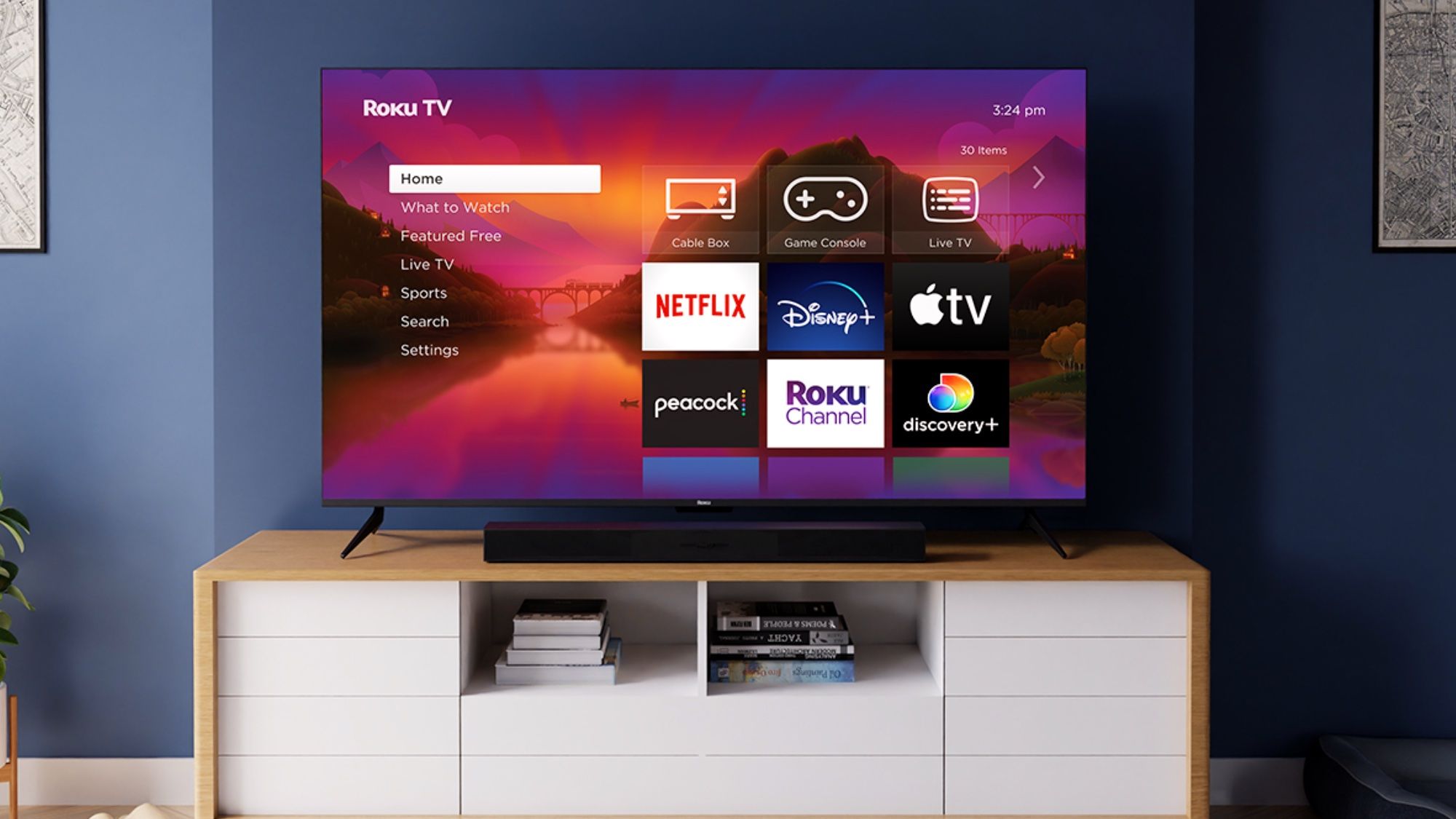
- The Rise of the Interface (2008–2017): Roku revolutionized the living room by simplifying the chaotic world of streaming into a user-friendly, agnostic platform. By prioritizing simplicity, it became the default choice for cord-cutters.
- The Hardware Expansion (2018–2023): Roku transitioned from merely providing dongles to embedding its OS directly into television sets through partnerships with brands like TCL, Hisense, and Sharp. This established a massive "beachhead" in millions of homes.
- The Fox Pivot (2020–2024): Recognizing the shift toward digital-first advertising, Fox acquired Tubi in 2020, signaling its intent to dominate the Free Ad-Supported Streaming Television (FAST) space.
- The Merger Agreement (2024): Following months of speculation, the $22 billion deal was announced, positioning Fox to control both the content pipeline and the hardware gatekeeper.
The Strategic Logic: Why Fox Wanted Roku
To understand the implications, one must understand the leverage inherent in the "home screen." In the streaming era, the most valuable piece of real estate is not a specific show or movie; it is the first screen a viewer sees when they turn on their television.
Fox is not just buying a company; they are buying an operating system that serves as a funnel. By controlling Roku, Fox gains direct access to millions of users’ viewing habits, search history, and app preferences. This data is the "holy grail" for targeted advertising. Furthermore, the acquisition allows Fox to bypass the "platform tax"—the fees often paid to intermediaries to ensure app visibility or to share subscription revenue. With this deal, Fox effectively owns the store and the shelf space.
Potential Impacts on Hardware and Innovation
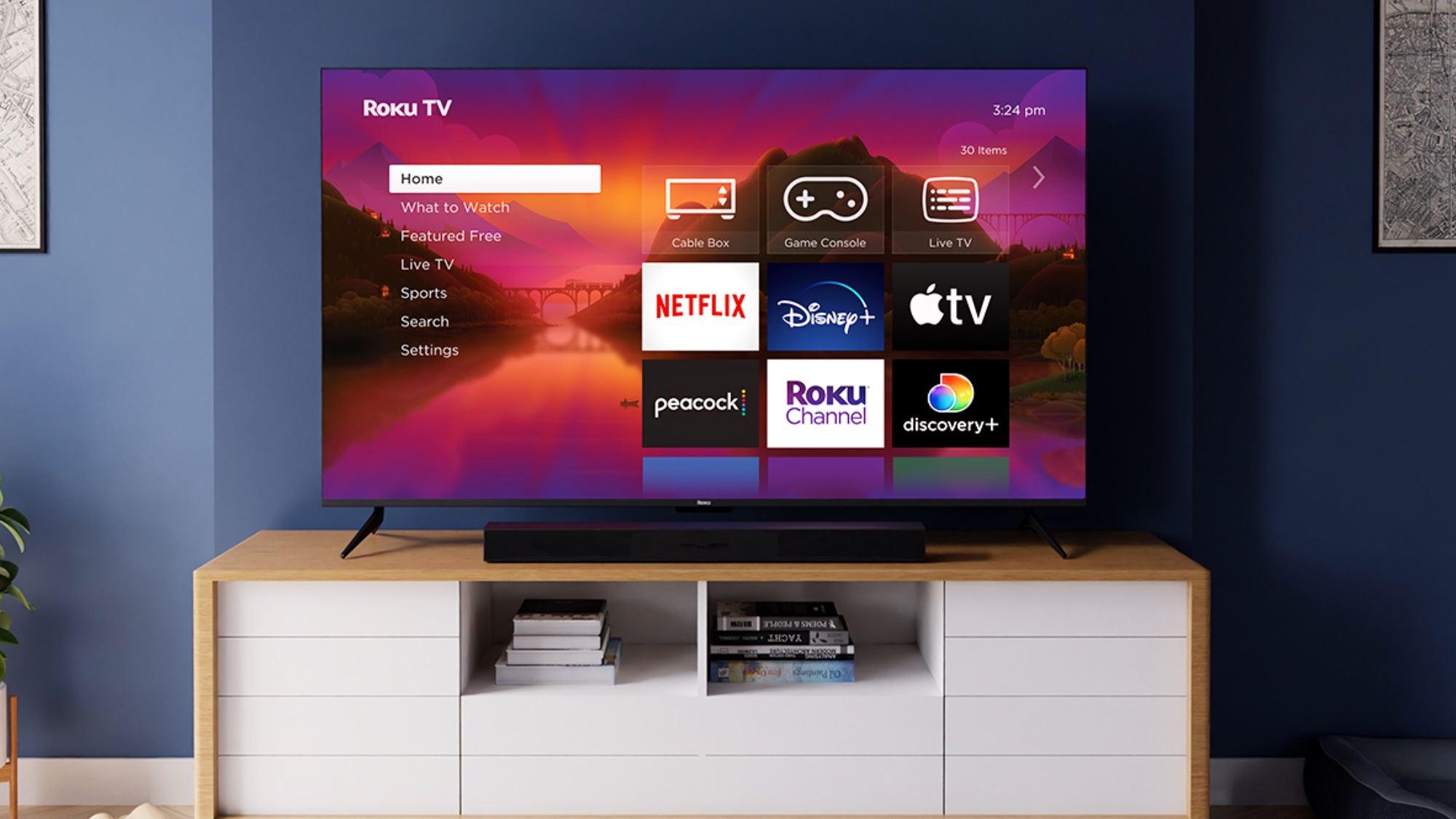
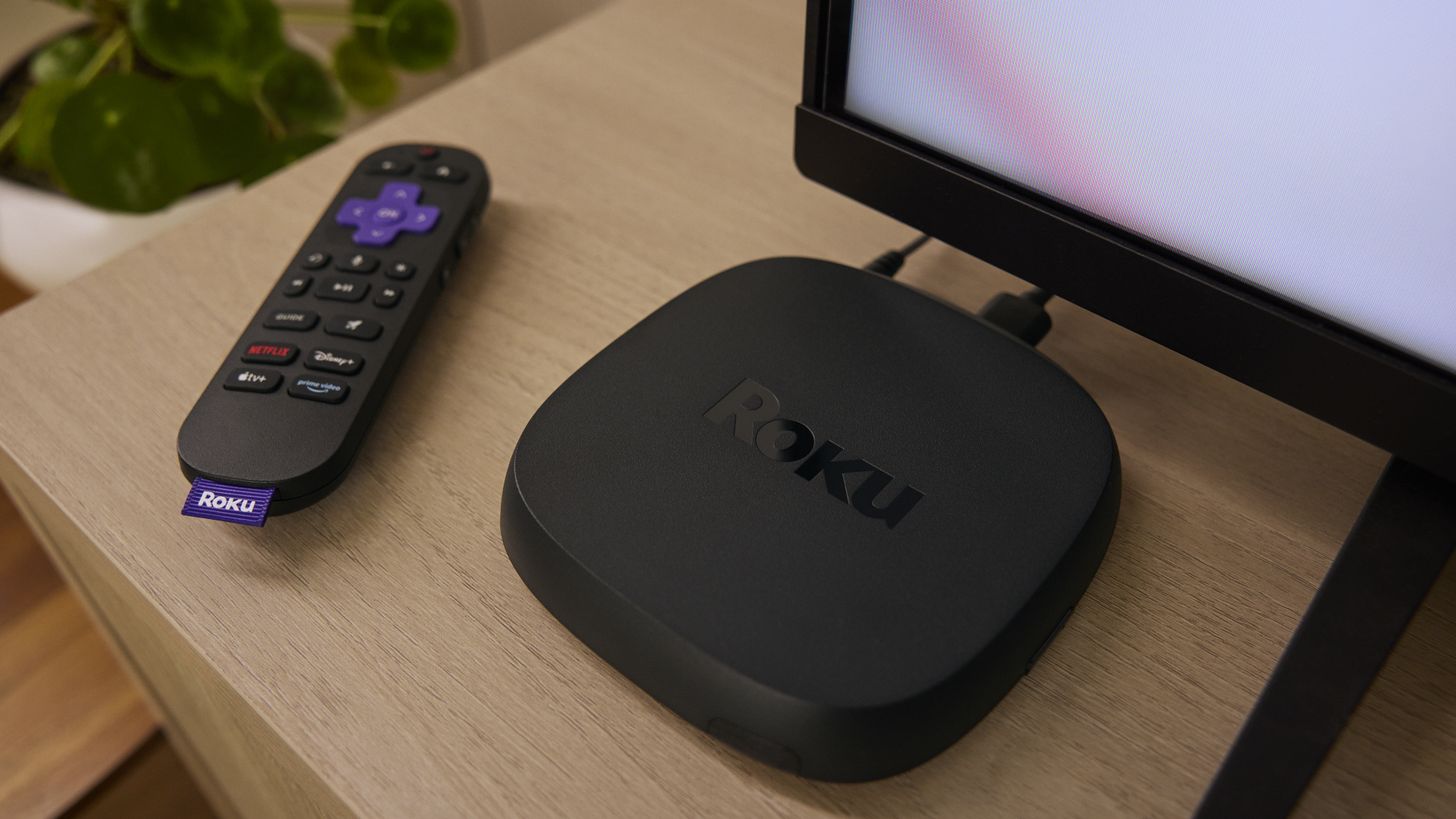
The immediate question for tech enthusiasts and casual viewers alike is: What happens to the hardware? Roku has spent years refining its ecosystem, moving from budget streaming sticks to the sophisticated, Mini-LED-backed "Roku Pro Series" TVs.
1. The Future of the Hardware Lineup
While it is premature to suggest that Roku will abandon its hardware roots, the priorities of the development team will almost certainly shift. Under Fox, the focus may pivot from pure hardware performance to "Fox-optimized" integration. We could see future iterations of Roku TVs that feature deeper hooks into Fox’s news, sports, and entertainment ecosystems.
2. The Threat of Ecosystem Siloing
The greatest concern among industry analysts is the potential for "walled gardens." Roku’s historic appeal has been its neutrality. It didn’t matter if you were watching Netflix, Hulu, or a niche app—the interface remained consistent and unbiased. If Fox decides to prioritize its own apps—such as Tubi or Fox News—on the home screen, the clean, user-centric experience that defined the brand could become cluttered with promotional content, effectively turning the user interface into a billboard.
The "App Consolidation" Crisis: The Fate of Tubi and The Roku Channel
Perhaps the most immediate friction point lies in the overlap of streaming services. Currently, both Roku and Fox (via Tubi) operate robust, free, ad-supported streaming platforms.
Maintaining two distinct, competing platforms for free content makes little sense from a business efficiency standpoint. If Fox decides to sunset The Roku Channel in favor of a consolidated Tubi platform, it would result in a massive migration of user data and content libraries.
Furthermore, there is the lingering question of "Howdy," Roku’s recent experiment with a $3/month ad-free subscription service. If this service has not met revenue targets, Fox may be quick to cut it loose, citing a desire to focus on their primary ad-supported business model. For the end user, this could mean losing access to niche content or seeing subscription prices rise as the new ownership seeks to maximize ROI on their $22 billion investment.
The Human Impact: What This Means for Your Living Room
As a reviewer, I have often recommended Roku to friends and family because it is the "no-nonsense" choice. It is simple, fast, and stays out of the way. The danger here is that "simplicity" is often the first casualty of corporate synergy.

If we look at other industry mergers, the integration phase is almost always accompanied by a push for higher advertising density. Users should prepare for a transition period where the Roku interface might begin to feel more "commercialized." We may see:
- Increased prominence of "sponsored" app tiles.
- Aggressive promotion of Fox-owned content in search results.
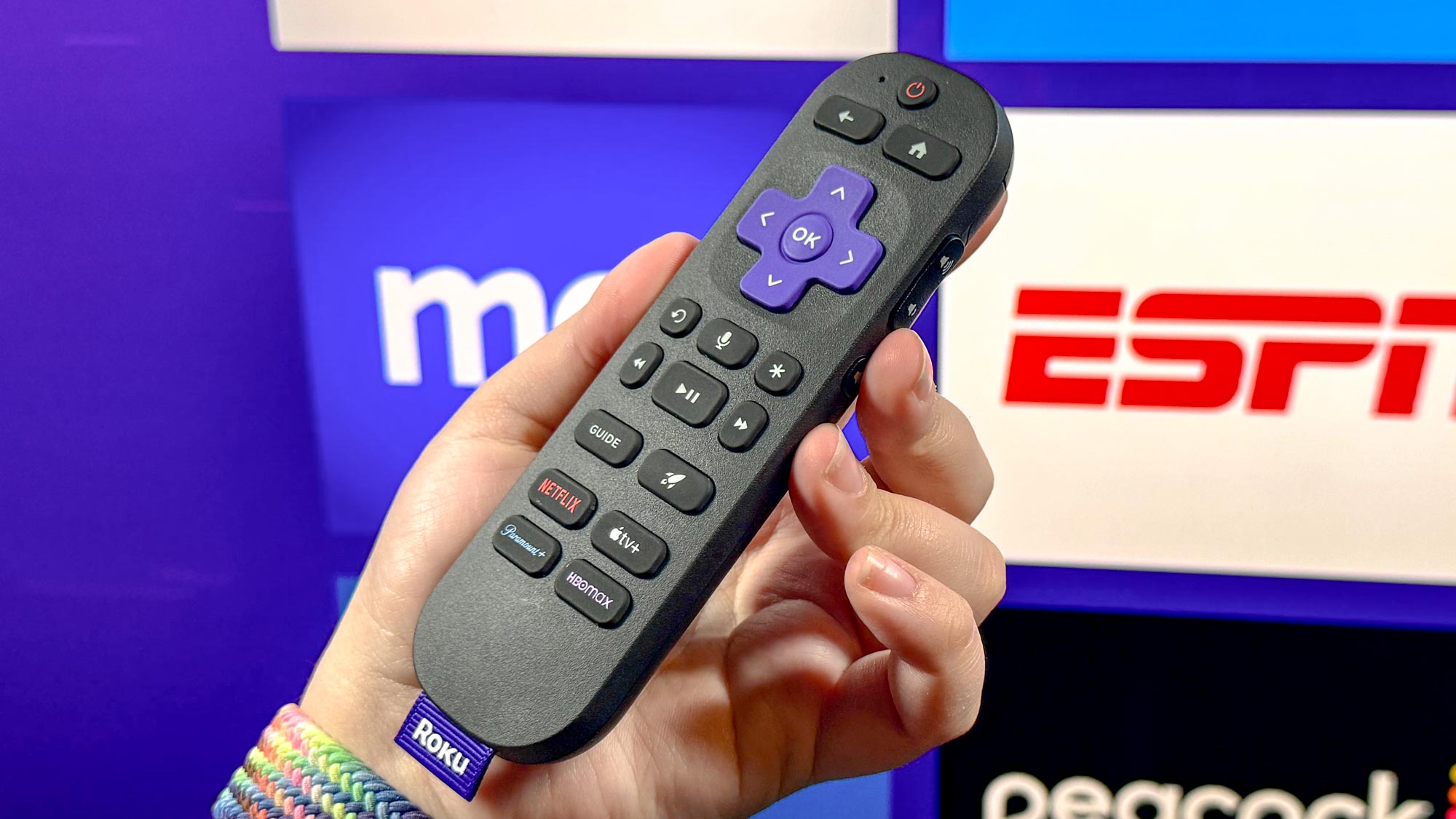
- Changes to remote controls, potentially adding dedicated buttons for Fox-affiliated services.
The Long-Term Outlook: A New Media Titan
The finalization of this deal in 2027 will likely trigger a ripple effect throughout the entire tech industry. Competitors like Amazon (Fire TV), Google (Google TV), and Apple (tvOS) will be forced to respond. We may see an increase in hardware-content bundling, where the lines between a TV manufacturer and a media network become completely blurred.
For the average consumer, the "Roku experience" as we know it is likely entering its final chapters. While the core functionality of streaming will persist, the philosophy of the platform—a neutral, user-first gateway—is being replaced by a strategy of vertical integration.
Final Thoughts: Navigating the Transition
The next three years will be a period of intense observation. As a reviewer, I will be watching closely to see if Roku’s commitment to hardware quality—like its impressive strides in picture processing and Mini-LED display technology—remains a priority under new management.
If Fox plays its cards correctly, they could leverage Roku’s massive user base to create the most powerful streaming platform on the planet, providing a seamless, personalized experience that rivals anything currently on the market. However, if they prioritize short-term ad revenue over the user experience, they risk alienating the very audience that made Roku a household name.
The $22 billion question remains: Can a massive media conglomerate respect the delicate balance of a tech-first product, or will the "Fox-ification" of the Roku interface leave us looking for a new, neutral home for our streaming needs? Only time, and the upcoming product releases of 2027 and beyond, will tell. For now, the best advice for the consumer is to monitor updates closely and be prepared for a future where your television, and what you see on it, is increasingly curated by the company that owns the screen.


 Azzam Bilal Chamdy
 Jia Lissa