In an era defined by hyper-connectivity, where our smartphones serve as the central hub for professional, personal, and emergency communication, the fundamental utility of the device remains its ability to place and receive voice calls. However, a growing cohort of Google Pixel users is reporting a frustrating and potentially dangerous phenomenon: their devices are silently ignoring incoming calls, leaving users completely unaware that anyone has attempted to reach them.
This issue, which appears to be affecting a range of handsets from the legacy Pixel 6a to the cutting-edge Pixel 10 Pro XL, has sparked intense debate across online support forums. As users struggle to find a definitive fix, the situation raises significant questions about the stability of Google’s mobile software ecosystem and the reliability of core communication features.
The Core Phenomenon: When the Phone Stops Being a Phone
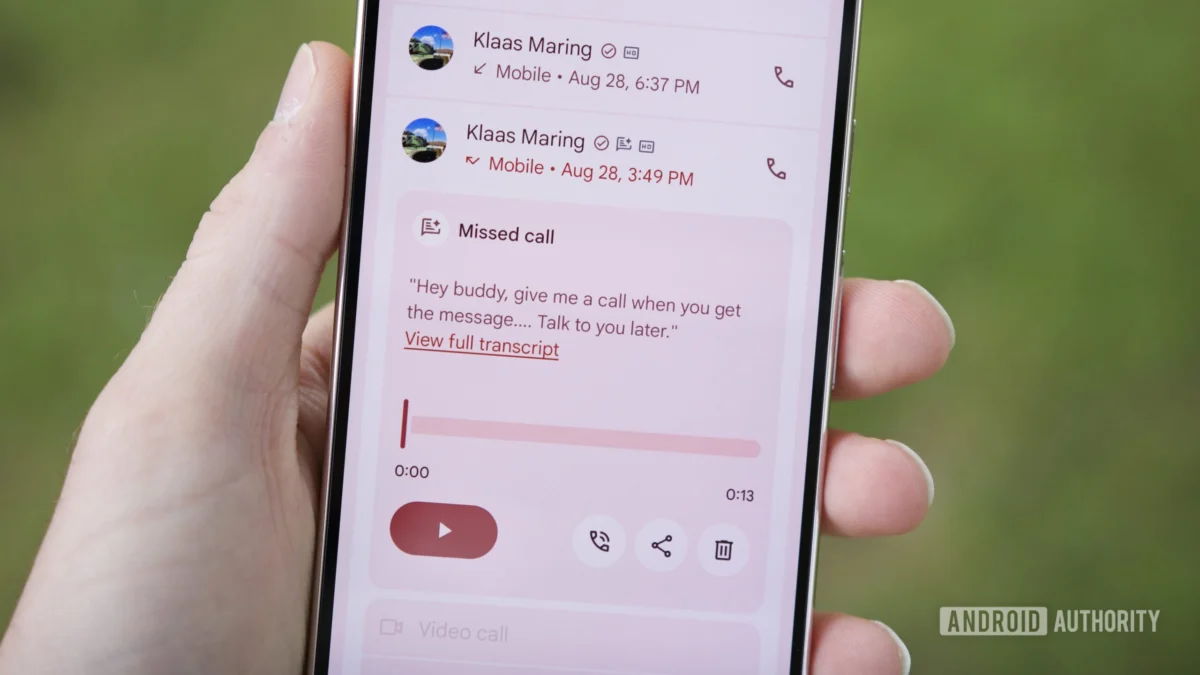
The reported issue is consistent in its simplicity and its severity. Users describe situations where their phone remains idle—no ringtone, no vibration, and no visual notification—while the caller on the other end hears the phone ring normally, often until it eventually rolls over to voicemail.
Crucially, there is no log entry on the Pixel device indicating a missed call until the caller leaves a message or the system updates the call history hours later. This lack of feedback creates a "ghost call" scenario, where the recipient is left entirely in the dark, potentially missing time-sensitive business opportunities, critical medical notifications, or urgent family updates.
Reports from platforms like Reddit and Google’s official Issue Tracker indicate that this is not a hardware-specific failure. Instead, it points toward a deeper, potentially software-driven conflict that is intercepting the incoming signal before it reaches the user’s interface.
A Chronology of the Outage
While sporadic reports of call-reception issues have surfaced throughout the history of the Android platform, the current surge of complaints began to gain traction roughly one month ago.
- Mid-to-Late 2025: Initial reports began appearing on the r/GooglePixel subreddit, with users initially dismissing them as network-related outages.
- The Accumulation Phase: By early-to-mid September, the volume of reports increased, with users identifying that the issue was not isolated to a single carrier or geographic region.
- Expansion of Affected Models: What began as concerns from Pixel 9 Pro owners quickly expanded. Users of the Pixel 10 Pro, 10 Pro XL, and even older models like the Pixel 6a began chiming in, suggesting that the issue is tied to a shared software framework or a specific Google Phone app update rather than a unique hardware architecture.
- The Issue Tracker Emergence: The problem reached a critical mass when a thread on the Google Issue Tracker (Issue #528084916) began receiving a flood of corroborating reports, signaling to the development team that this was a systemic bug rather than user error.
Technical Analysis: Identifying the Culprits
While Google has yet to issue an official patch or a public acknowledgment of the root cause, the community has taken a proactive approach to troubleshooting. Several theories have emerged, each pointing to different layers of the Android OS.
1. The Role of Intelligent Call Screening
Many users have noted that the issue appears to coincide with the use of Google’s "Call Screen" and "Scam Detection" features. These tools are designed to filter out spam calls by analyzing the caller’s intent before the phone rings. It is hypothesized that a recent update to these AI-driven filters may have become over-aggressive, incorrectly identifying legitimate incoming calls as spam and silently dropping them before they can alert the user.
2. Advanced Protection Mode
Some power users have pointed toward Android’s "Advanced Protection Mode"—a suite of high-security features designed to safeguard accounts from targeted attacks. While this mode is vital for high-profile users, there is speculation that it may be tightening security protocols to the point of interfering with incoming cellular signals, treating standard connections as potential security risks.
3. The Vibration Bug Connection
Last month, reports circulated regarding Pixel phones failing to vibrate during incoming calls. While it is not yet confirmed, some experts suggest that the current silent call issue could be a downstream evolution of the bug that plagued the vibration motor. If the software responsible for triggering the notification (haptic or auditory) fails to initialize, the call may be effectively "muted" at the system level.
Troubleshooting and Potential Workarounds
For those currently experiencing these silent calls, there is no silver bullet, but the community has identified several temporary mitigations that have proven effective for some:
- Disabling Smart Features: Navigating to the Phone app settings and turning off "Scam Detection" and "Call Screen" has reportedly restored call functionality for a significant number of users. While this reduces the device’s ability to filter junk, it restores the fundamental ability to receive human-to-human communication.
- Network Reset: In some instances, toggling "Adaptive Connectivity" off or performing a full network settings reset has forced the device to re-authenticate with the carrier tower, occasionally clearing up intermittent reception blocks.
- Safe Mode Diagnosis: By booting into Safe Mode, users can determine if a third-party app is interfering with the phone’s ability to wake from sleep mode during an incoming call.
The Broader Implications for Google
This incident highlights a growing tension between "smart" features and "essential" functionality. Google has invested heavily in integrating AI into the Android experience, particularly within the Pixel line. Features like the Gemini-powered Assistant, AI-driven call screening, and advanced predictive software are intended to make the user experience seamless. However, when these features fail, they create a "black box" effect where the user cannot see the underlying process that is failing them.
Furthermore, the lack of a formal statement from Google remains a point of contention. As a company that prides itself on software-first innovation, the failure to provide a timely resolution for a core function like phone calls risks damaging brand loyalty among its most devoted customers.
A Call for Transparency
The industry-wide expectation is that a software update—likely an OTA (Over-the-Air) patch—will soon arrive to resolve these conflicts. Until then, users are caught in a state of uncertainty.
The reliance on mobile phones for emergency services, two-factor authentication, and critical business communication makes this bug more than a minor annoyance; it is a service failure. As the Android community waits for an official response, the situation serves as a stark reminder that even the most sophisticated AI cannot compensate for the loss of fundamental reliability.
Google’s engineering team is undoubtedly under pressure to address this. For the thousands of users currently holding "smart" devices that fail to fulfill the basic promise of a telephone, the fix cannot come soon enough.
If you are currently experiencing missed calls on your Google Pixel, we recommend documenting the time and date of missed calls and reporting them via the "Send Feedback" option within the Phone app settings. This data is critical for Google’s engineers to track the scope of the issue and prioritize a permanent resolution.