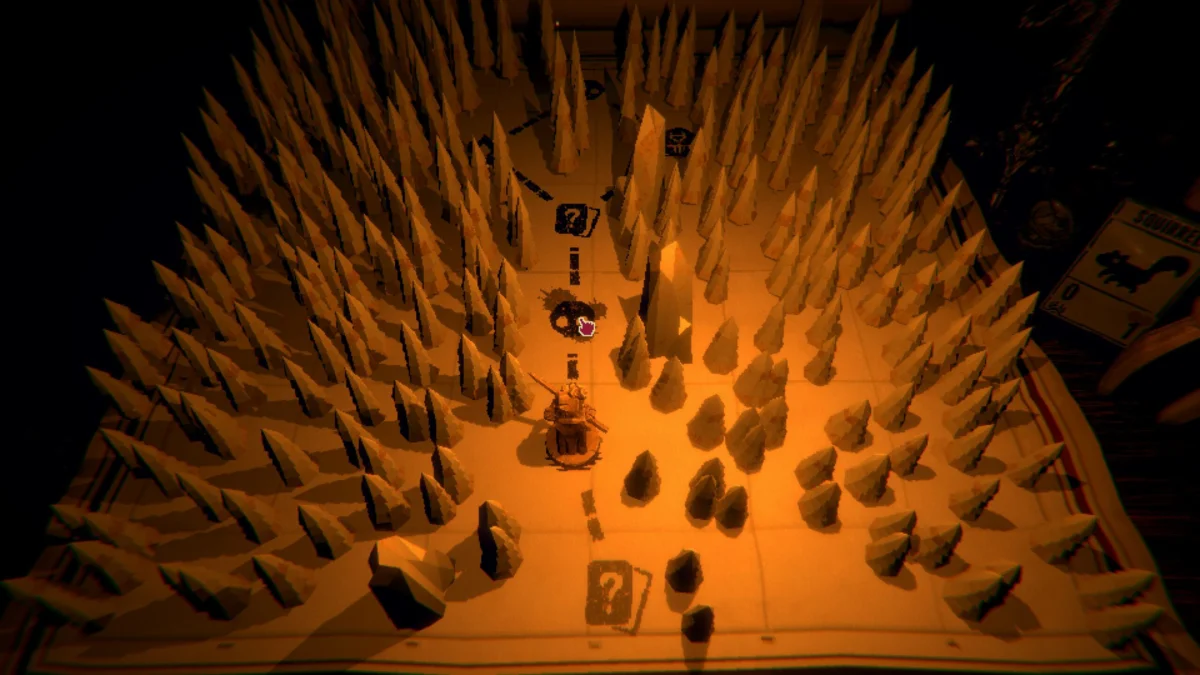
In an industry often defined by predictable sequels and safe, iterative design, Inscryption emerges as a disquieting anomaly. Developed by Daniel Mullins Games and published by the avant-garde purveyors at Devolver Digital, this title is less of a video game and more of a psychological trap. Priced at £16.79 on PC, Inscryption does not merely ask players to sit down for a match; it demands they surrender to an atmosphere of dread, sacrifice, and meta-narrative complexity. It is, quite simply, one of the most daring indie titles of the last decade.
Main Facts: The Anatomy of a Nightmare
Inscryption is ostensibly a deck-building roguelike, but that label serves only as a thin veil for the horror beneath. At its core, the game traps the player in a claustrophobic, backwoods cabin, seated across from a malevolent, shadow-wreathed figure.
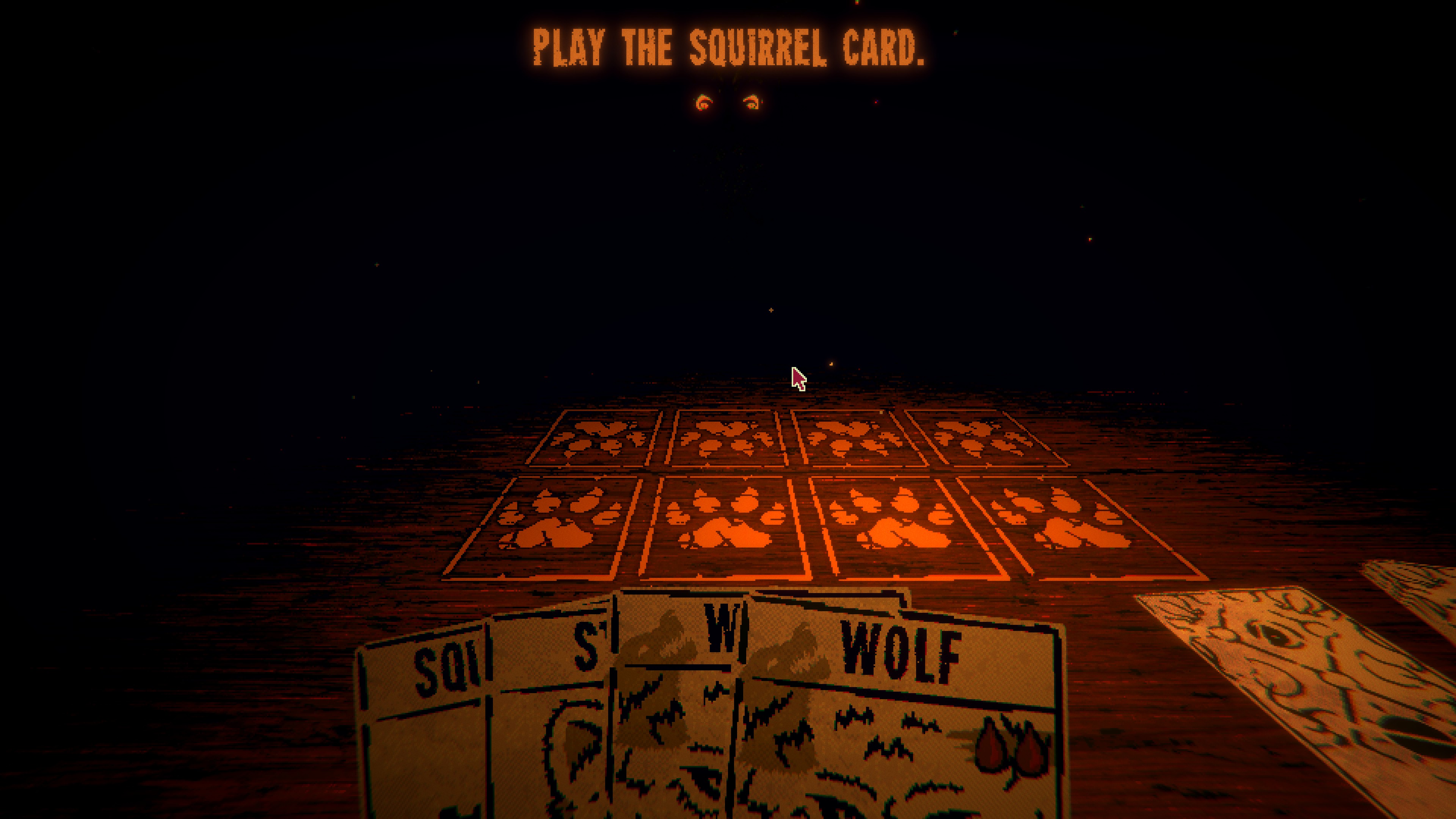
The game’s primary mechanic involves a visceral card-battling system. Players manage a deck of woodland creatures, using a "sacrifice" mechanic—where weaker animals like squirrels are killed to provide the blood necessary to summon more formidable beasts—to tip the scales of victory in their favor. However, the game subverts the player’s agency from the very first moment. Upon launching, the "New Game" button is effectively disabled, forcing the player to acknowledge that they have been trapped in this cycle for an eternity. There is no escape; there is only the "Continue" option and the looming uncertainty of what failure truly entails.
Chronology: A Descent into the Warren
The experience of Inscryption is one of slow, agonizing realization.
The Early Rounds
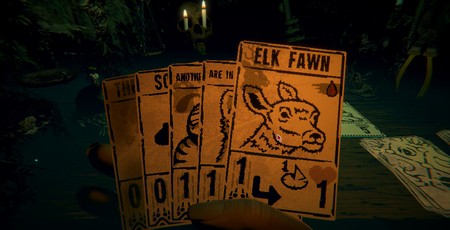
The journey begins with basic mechanics. You are taught to play a squirrel, sacrifice it, and summon a stoat—a card that, notably, possesses the capacity for speech. The stoat serves as your guide and your first hint that the game is sentient. The rules are straightforward: damage is calculated on a set of physical scales. If you deal enough damage to outweigh your opponent, you progress. If you lose, the consequences remain veiled in ambiguity, though the oppressive atmosphere suggests that the stakes are far higher than a simple "Game Over" screen.
The Escape from the Table
As the sessions progress, the game invites the player to step away from the card table. This is where Inscryption truly separates itself from its genre peers. The cabin itself is an interactive space. Players can wander the room, fiddle with a locked safe, adjust the hands of a cuckoo clock, and consult a rulebook that feels increasingly like a manual for survival rather than gameplay instructions.
The Expanding World
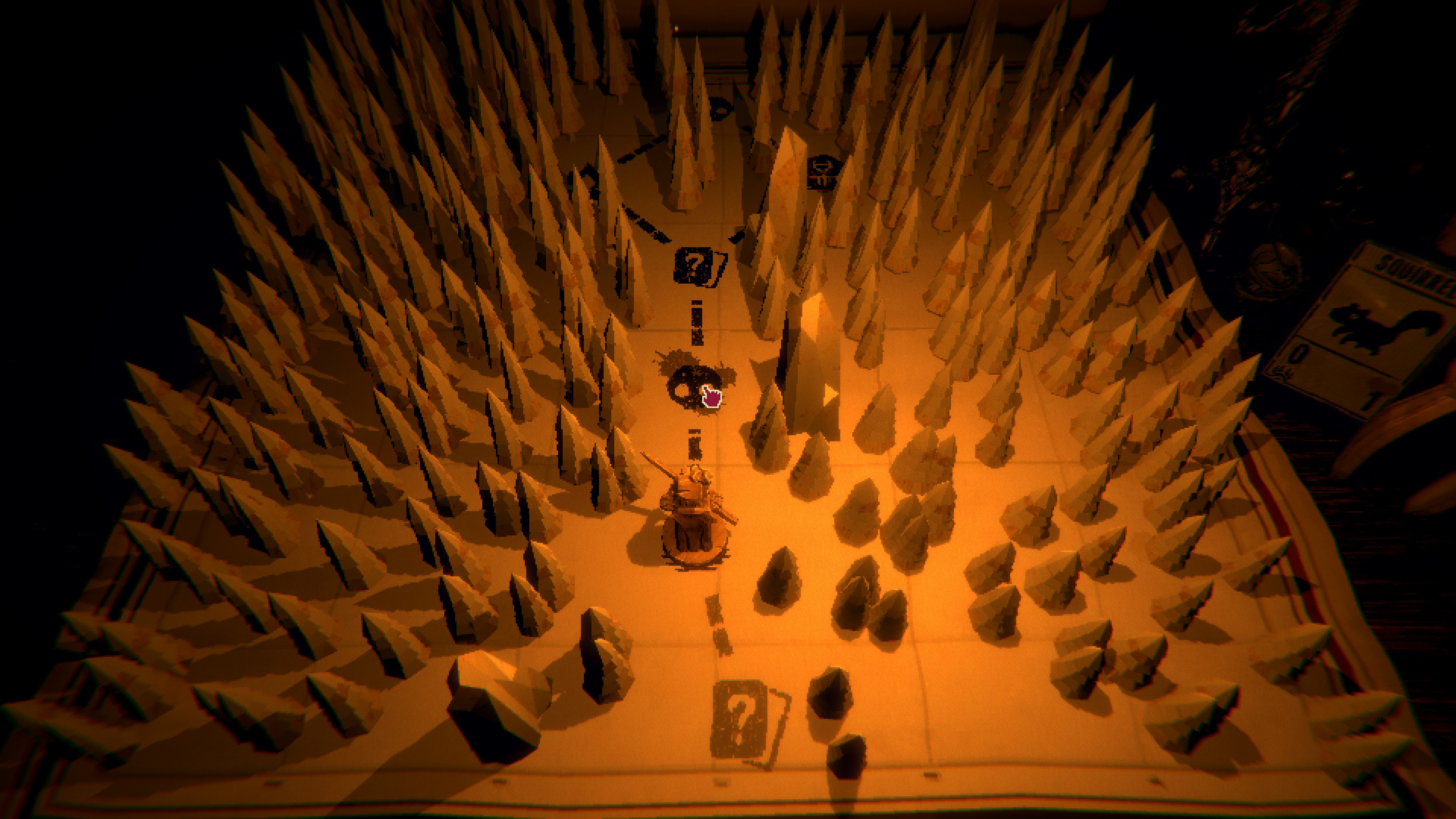
Progress is measured through a map-based traversal system, where the player moves a figurine toward various nodes. These nodes grant access to new cards, such as the venomous adder or the synergetic ant, and utility items like bottled squirrels or shears. Each encounter is a test of deck-management, culminating in boss fights against figures like the Prospector—a character who introduces unique environmental hazards that can render an entire hand of cards useless.
Supporting Data: The Mechanics of Sacrifice
The complexity of Inscryption lies in its layers of systems. Beyond the blood-sacrifice mechanic, players must navigate:
- Bone Resources: An alternative currency system that accumulates only when an animal is killed on the board.
- Altar Sacrifices: A morbid mechanic allowing players to fuse the powers of two animals, permanently altering their cards.
- The Pelt Economy: A high-risk, high-reward system where players trade useless animal skins for powerful, rare cards.
The brilliance of this design is that the "board" and the "room" are inextricably linked. The clues discovered in the cabin provide the power required to dominate the board, which in turn unlocks further secrets within the cabin. By the time a player masters the mechanics, they are often capable of building decks so powerful they feel like they are breaking the game itself—a sensation that feels intentional rather than accidental.
Official Responses and Developer Intent
Daniel Mullins has cultivated a reputation for breaking the fourth wall, and Inscryption represents the apex of this design philosophy. While Mullins is notoriously cryptic about the game’s deeper lore, the critical reception has been nearly universal in its praise.
Devolver Digital, known for backing projects that challenge the status quo, has championed Inscryption as a "genre-melting" odyssey. In various interviews, the developers have hinted that the game is a commentary on the nature of digital ownership and the transactional relationship between player and developer. The game’s "personality"—the way it argues with you, complains about your tactical choices, and forces you to confront the visceral nature of the cards—is designed to foster a sense of unease that persists long after the computer is turned off.
Implications: The Future of Meta-Gaming
Inscryption carries significant implications for the future of the roguelike genre. It proves that players are not just looking for procedural generation or tight loops; they are looking for narrative depth that challenges their perceptions of what a game "should" be.
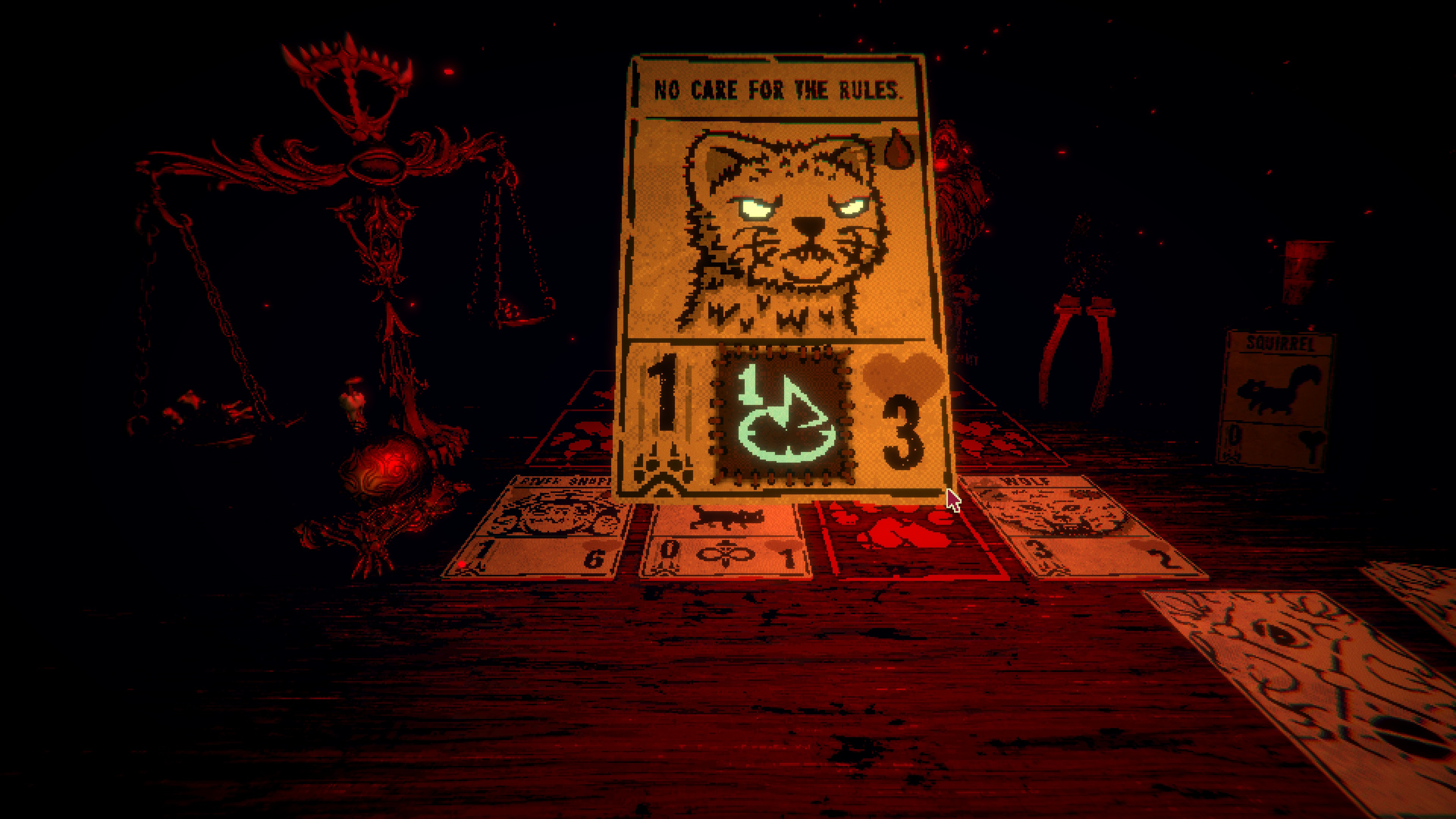
Breaking the Fourth Wall
By making the act of playing the game part of the horror, Inscryption elevates the medium. It forces the player to question their own presence within the digital space. The "rabbit hole" effect—where the game’s influence spreads beyond the virtual card table—suggests a shift toward more immersive, psychological storytelling in indie titles.
The Psychology of Play
Why do we continue to play a game that clearly disdains us? Inscryption answers this by tapping into the addictive nature of risk. The threat of consequences, the dark, atmospheric aesthetics, and the tactile satisfaction of the cards all create a loop that is as rewarding as it is disturbing. It suggests that, in the world of modern gaming, there is a massive appetite for experiences that are intentionally uncomfortable.
Conclusion: Pull Up a Stool
Ultimately, Inscryption is a masterpiece of dark design. It is a game that does not just invite you to play; it invites you to participate in a ritual. The shaking of your hands at the table is not a result of fear, but of the adrenaline that comes from being part of something truly unique.
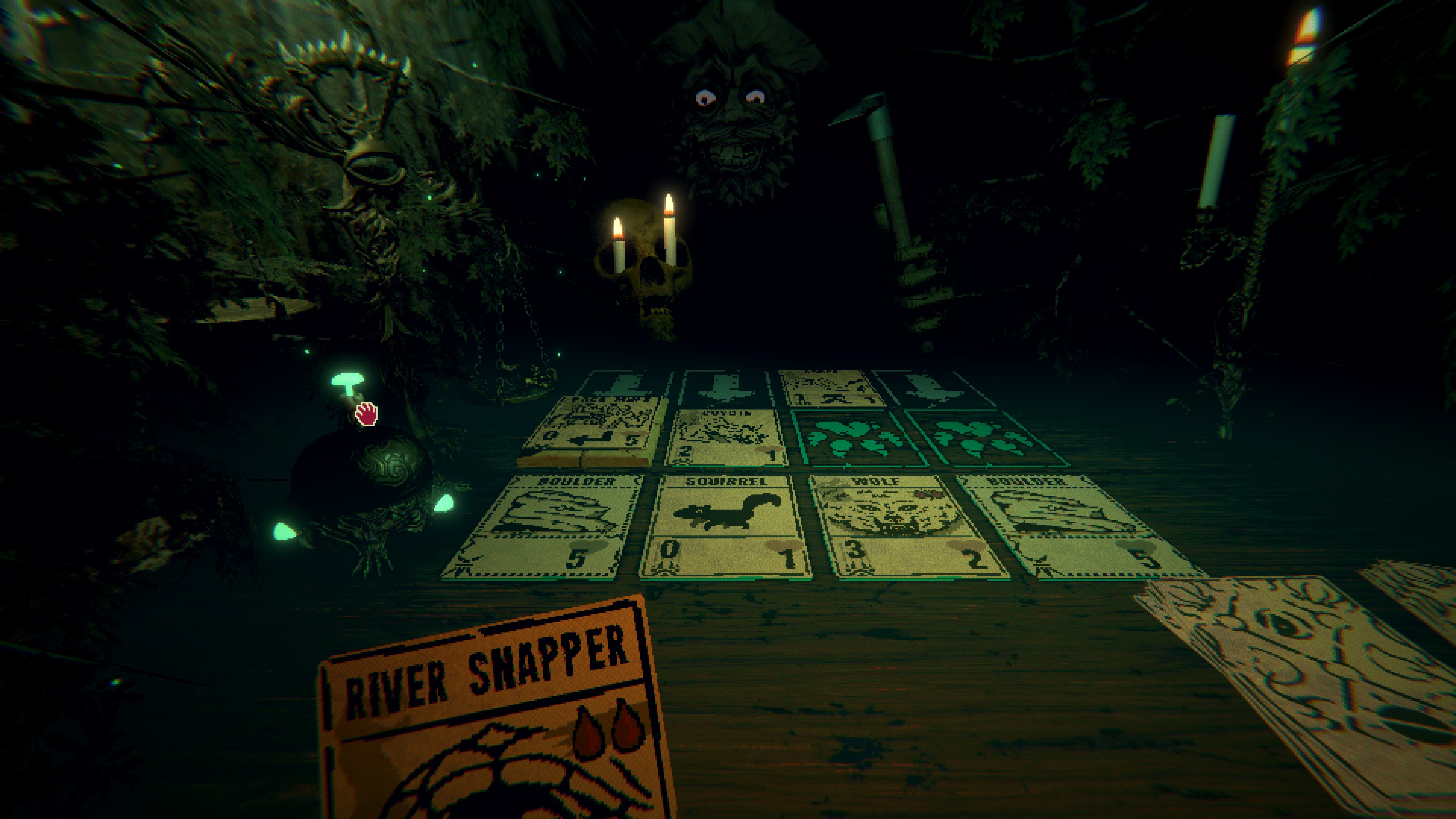
As the game’s systems deepen and the secrets of the cabin are peeled away, one realizes that there is nothing else quite like this experience. It is a haunting, ever-shifting, and profoundly memorable journey into the digital unknown. For those willing to sit down, face the blinking eyes of the opponent, and embrace the smell of blood and old wood, Inscryption is not just a game worth playing—it is a game that, once started, may never truly leave you.
Pull up your stool. The cards are waiting. And in the darkness, the game is always watching.