
 Dwi Wanna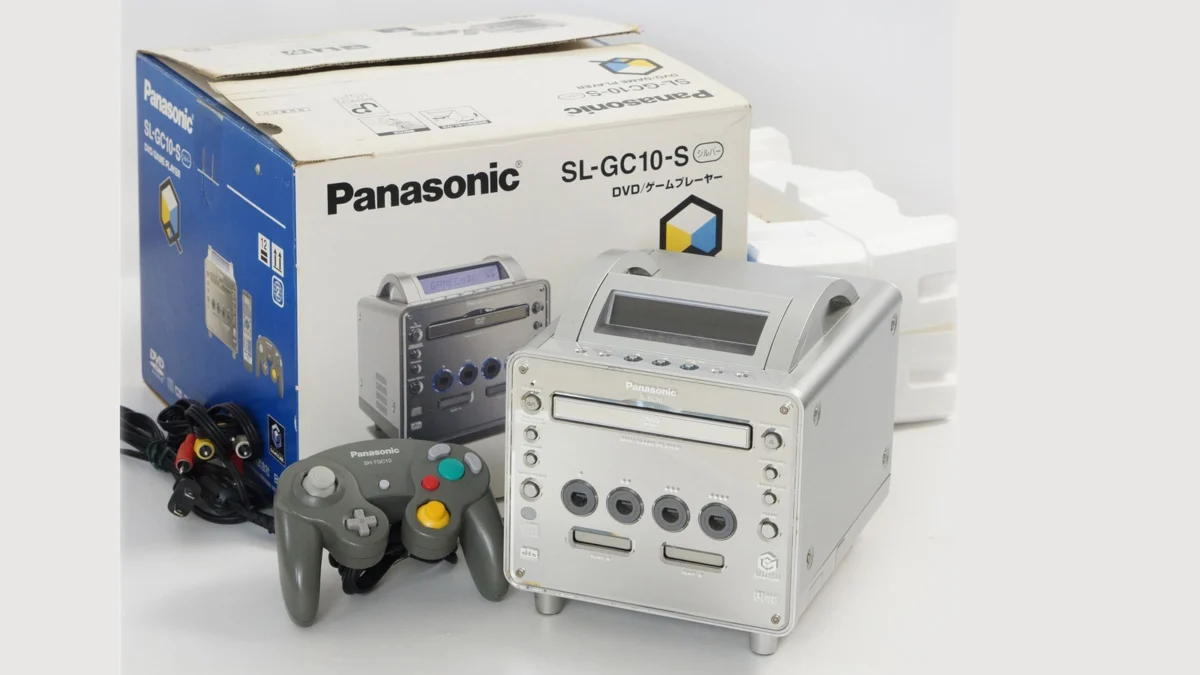
In the annals of video game history, few hardware experiments are as fascinating—or as fundamentally flawed—as the Panasonic Q. Officially known as the SL-GC10, this Japan-only hybrid device represented an audacious attempt to bridge the gap between Nintendo’s playful, purple cube and the sleek, multimedia-ready home theater aesthetics of the early 2000s. Today, it serves as a testament to a bygone era of consumer electronics, commanding prices often exceeding $1,000 on the secondary market. It is a rare, mirror-finished monument to a time when manufacturers were still learning how to define the modern "multimedia console."
Main Facts: The Hybrid That Almost Was
The Panasonic Q was not a collaboration in the modern sense of a "special edition" console; it was a structural marriage of convenience. Released in Japan in December 2001, just months after the Nintendo GameCube, the device was designed to solve a singular, glaring problem for Nintendo: the GameCube’s inability to play DVDs.
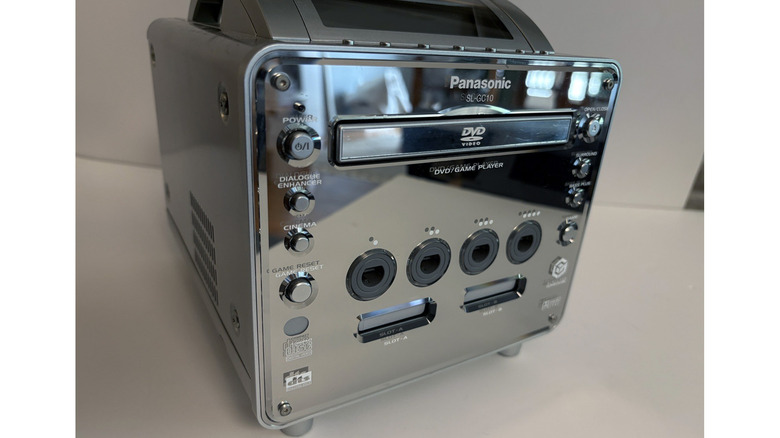
At the time, the PlayStation 2 was dominating the market, not just because of its game library, but because it served as a Trojan horse for the DVD format in millions of households. While Nintendo remained steadfastly focused on gaming-first architecture, the Panasonic Q was the company’s acknowledgement that the market was shifting. Featuring a reflective, metallic front panel, blue-backlit ports, and a motorized disc tray, the Q looked less like a toy and more like an expensive piece of high-fidelity stereo equipment. It was a GameCube, yes, but it was also a fully functional DVD and CD player equipped with advanced audio processing features like Dolby Digital and DTS.
A Chronology of the Q
The life cycle of the Panasonic Q was brief, marked by high expectations and logistical hurdles.
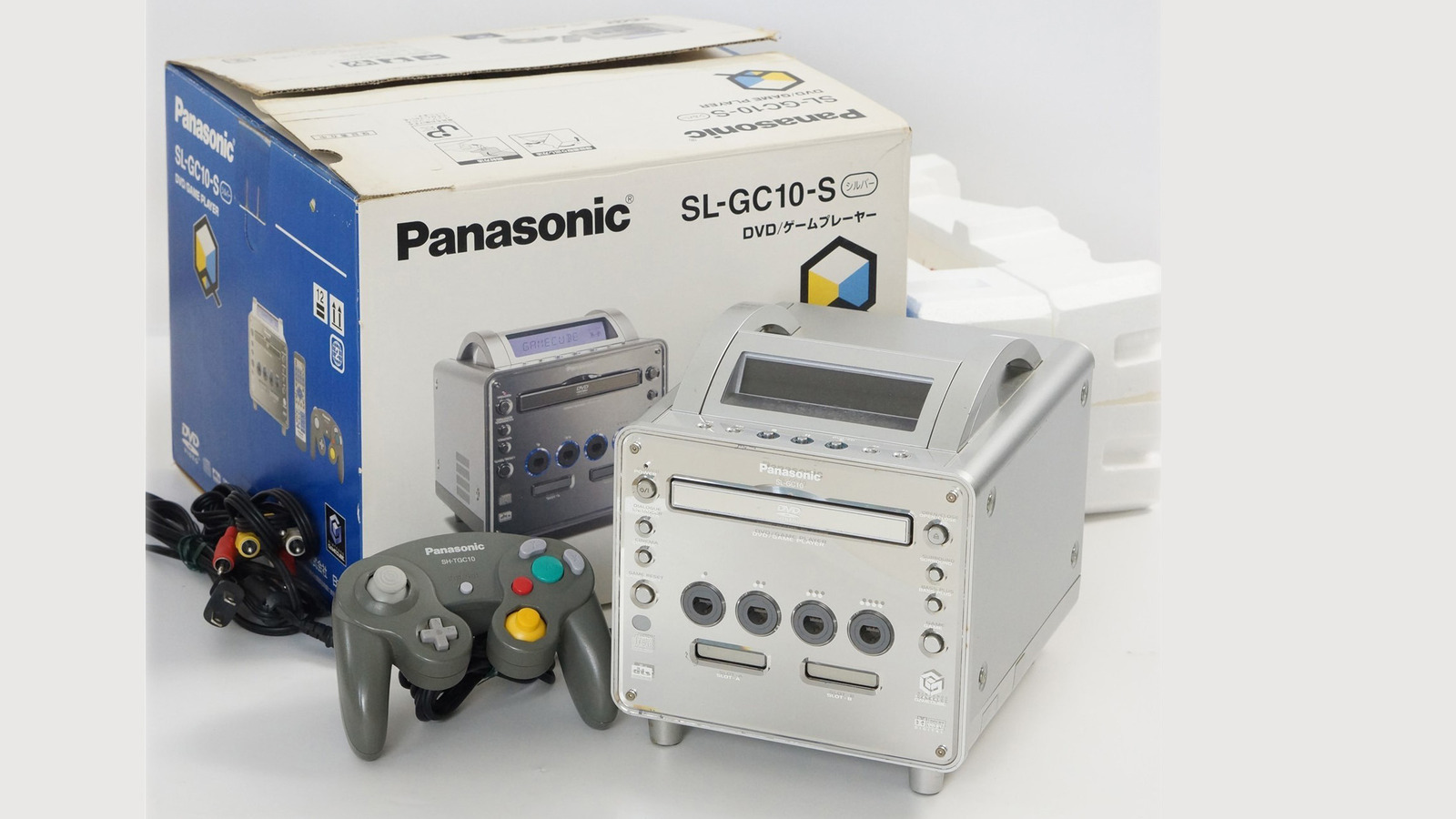
- December 2001: The Panasonic Q is released in Japan. It enters a market already saturated with the PlayStation 2 and the standard GameCube, retailing at approximately ¥39,800.
- 2002: Early adopters realize that while the Q is a capable DVD player, it is an engineering "Frankenstein." The internal hardware is effectively two separate devices sharing a single power supply and chassis. Users are required to manually toggle between "Game" and "DVD" modes, a process that triggers a complete system reboot.
- 2003: Sales remain stagnant. The high price point and the existence of more affordable DVD players—combined with the fact that the GameCube library remained strictly tied to standard Nintendo discs—made the Q an expensive luxury for a niche audience.
- December 2003: Production of the Panasonic Q ceases. The unit is officially discontinued, never having seen an international release.
- 2004–Present: The console transitions from a commercial failure to a "holy grail" for collectors. Its scarcity, combined with the fragile nature of its motorized components, drives the value into the four-digit range.
The Engineering Duality: How It Worked
The most significant aspect of the Panasonic Q is its architectural dichotomy. Under the hood, the device was not a single, unified machine. Instead, the developers at Matsushita (the parent company of Panasonic) and Nintendo essentially housed a standard GameCube motherboard alongside a separate DVD playback controller.
This led to several peculiar design choices. Because the unit had to accommodate a standard-sized DVD drive (to facilitate movie playback), it could not utilize the standard GameCube top-loading disc mechanism. The motorized tray was a marvel for 2001, but it necessitated a larger, more robust chassis. This physical redesign caused a ripple effect for accessories: the popular "Game Boy Player" add-on, which physically clipped to the bottom of a standard GameCube, was incompatible with the Q’s base. Panasonic was forced to release a special, larger version of the Game Boy Player specifically for the Q, which is now even rarer than the console itself.
Furthermore, the audio experience was partitioned. While the DVD side of the device offered sophisticated surround sound options, including a "Dialogue Enhancer" and "Bass Plus," these features were completely inert when playing GameCube software. If a user wanted to play The Legend of Zelda: The Wind Waker, the system treated the disc with the same limitations as a standard, base-model console.
Supporting Data: The Market Value of Nostalgia
The economic trajectory of the Panasonic Q is an outlier in the gaming market. While many vintage consoles fluctuate in value based on nostalgia cycles, the Q’s price floor is dictated by its scarcity and its unique status as a "premium" industrial design piece.
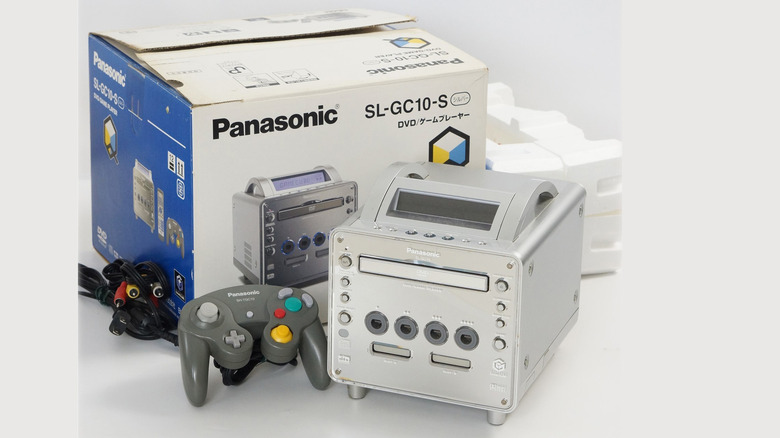
Recent market data from platforms like eBay and specialized auction houses show that a "loose" console (the unit alone) consistently sells for between $1,200 and $1,500. However, the value skyrockets when the original box, documentation, and the matching Panasonic-branded GameCube controller are included. Complete-in-box (CIB) units have been known to trade for upwards of $2,000 to $2,500.
This valuation is driven by three factors:
- Manufacturing Scarcity: Production numbers were significantly lower than standard consoles, and the failure rate of the mechanical disc tray has further reduced the number of functional units in existence.
- Design Aesthetic: The reflective, mirror-finish front panel and the blue-glowing port lights are emblematic of the "early-aughts" tech aesthetic, making it a highly desirable display piece for retro-tech enthusiasts.
- Regional Exclusivity: Because the device was never released outside of Japan, every unit in the West is an import, adding a layer of logistics and shipping costs that have historically inflated the price for international collectors.
Official Stance and Corporate Strategy
Nintendo’s involvement with the Panasonic Q was a rare departure from its typically insular hardware strategy. At the time, Nintendo was under immense pressure to compete with the Sony PlayStation 2, which had effectively redefined the console as a living room media hub.
By licensing the GameCube internals to Panasonic, Nintendo was testing the waters of a "multimedia" strategy without having to risk their own capital on the development of DVD playback hardware—a move that would have been costly and complicated given the proprietary nature of the GameCube’s miniDVD discs. It was, in essence, an experiment in outsourcing. Panasonic, looking to bolster its position in the home theater market, saw an opportunity to package its own brand of high-end consumer electronics with a popular gaming brand.
Ultimately, both companies realized that the market did not want a hybrid device at that price point. The Q was too expensive for the average gamer and too "toy-like" for the serious home-theater enthusiast who preferred standalone DVD players from brands like Denon or Pioneer.
Implications for Modern Gaming
The legacy of the Panasonic Q serves as a cautionary tale for console manufacturers. It highlights the difficulty of merging gaming hardware with external media standards. Today, consoles like the PlayStation 5 and Xbox Series X are fully realized multimedia devices, but they arrived at that point through years of iteration and software integration.
The Q was a bridge that nobody crossed. It represents a "what if" scenario in gaming history: what if Nintendo had leaned into the multimedia space earlier? The failure of the Q taught the industry that a console’s success is rarely determined by its ability to play movies, but rather by the cohesion of its library and the accessibility of its price point.
For the collector, the Panasonic Q remains a crown jewel. It is a device that is objectively worse at its job than a modern smartphone or a standard $20 DVD player, yet its cultural cachet continues to grow. It is a relic of a time when the video game industry was still experimenting with its own identity, trying to prove that a game console could be something more than just a box for fun—even if it meant making something as strange, reflective, and expensive as the Panasonic Q.


 Raul Delapena Setiawan
 Neng Nana




