
 Iffa Jayyana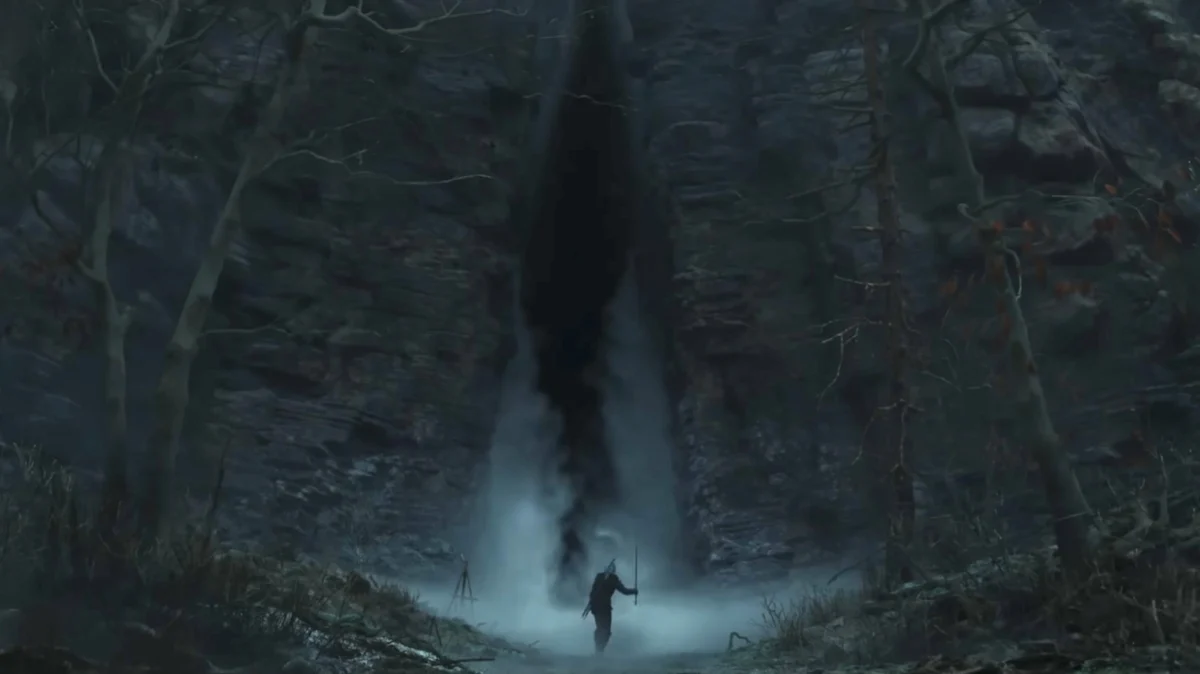
The landscape of modern AAA gaming is currently defined by a tension between fan anticipation and the crushing reality of development cycles. For CD Projekt Red (CDPR), the studio behind the genre-defining The Witcher 3: Wild Hunt and the polarizing yet eventually triumphant Cyberpunk 2077, the stakes have never been higher.
In a recent communication to the community, CDPR joint-CEO Michał Nowakowski officially confirmed that the studio is targeting a 2028 release window for the highly anticipated The Witcher 4 (codenamed "Project Polaris"). While the news confirms that the wait for Geralt’s successor—or whoever steps into the lead role—will be substantial, the studio is framing this delay as a necessary commitment to quality. As Nowakowski succinctly put it, "Simply put, this is our biggest, boldest and most ambitious game to date. I know it’s a bit of a wait and you’d love to play it sooner, but let the team cook."
A Chronology of Anticipation: From Teaser to Target Date
The journey toward The Witcher 4 has been a slow burn, characterized by strategic silence and carefully curated reveals. The project was first formally announced in March 2022, signaling the studio’s shift from the proprietary REDengine to Epic Games’ Unreal Engine 5. This transition marked a pivotal moment for the Polish developer, as it moved away from the engine that powered The Witcher 3 in favor of a more industry-standard, albeit complex, framework.
For two years, the project remained largely shrouded in mystery. It wasn’t until The Game Awards in late 2024 that the public received their first substantial look at the game. The reveal trailer, which famously featured Ciri in a display of combat prowess, ignited a firestorm of speculation regarding the narrative direction of the franchise. Following that reveal, fans expected a steady drip-feed of information at major industry events. However, CDPR has opted for a "quality over quantity" approach, choosing to keep the game’s core mechanics and narrative beats under wraps to avoid the pitfalls of early-cycle marketing fatigue.
The Gamescom Strategy: Prioritizing the Past
While the gaming world turns its eyes toward Gamescom, CDPR has set firm expectations regarding what will and will not be present. Despite the fervor surrounding The Witcher 4, Nowakowski confirmed that the studio will not be showcasing the title at the Cologne-based event.
Instead, the company is pivoting its focus toward a surprise for fans of the existing franchise: the Songs of the Past expansion for The Witcher 3: Wild Hunt. Set for a 2027 release, this expansion is an anomaly in the current industry. To release a third major expansion for a game that debuted in 2015—a full decade after its initial release and long after the studio’s pivot to newer projects—is a rare gesture of gratitude toward a community that has kept the title alive for nearly a decade.
At Gamescom, CDPR intends to peel back the curtain on Songs of the Past, providing a "taste of its dark story" and the mechanical innovations it will introduce. This expansion serves a dual purpose: it satiates the appetite of the existing player base and keeps the Witcher brand in the public consciousness as the studio works in the background on the 2028 flagship title.
The Shadow of Cyberpunk 2077: Lessons Learned
It is impossible to discuss the development timeline of The Witcher 4 without acknowledging the elephant in the room: the launch of Cyberpunk 2077. When the futuristic RPG launched in 2020, it was marred by severe performance issues, game-breaking bugs, and a lack of parity between console and PC versions. The resulting fallout—which included the game’s temporary removal from the PlayStation Store and a massive public relations crisis—fundamentally altered CDPR’s internal culture.
The "let the team cook" sentiment from Nowakowski is not just a marketing quip; it is an acknowledgment of the scars left by 2020. The company has since implemented a more sustainable development model, emphasizing longer development windows and rigorous quality assurance. By setting a target for 2028, CDPR is effectively attempting to insulate its developers from the "crunch" culture that defined the industry in the late 2010s. The extra time is viewed as a buffer, allowing the studio to utilize the full capabilities of Unreal Engine 5 without the pressure of a premature release date.
The Technical Shift: Why 2028?
The transition to Unreal Engine 5 is a significant undertaking for a studio that spent over a decade refining its own internal technology. Moving to a new engine means rebuilding the studio’s asset pipelines, animation systems, and world-building tools from the ground up.
Industry analysts suggest that the 2028 window is not merely a sign of long development times, but a strategic alignment with the hardware lifecycle. By 2028, the current generation of consoles (PlayStation 5 and Xbox Series X/S) will be firmly in the middle-to-latter stages of their life cycle. This allows the developers to push the hardware to its absolute limit, utilizing advanced features like Nanite geometry and Lumen lighting to create a world that surpasses the environmental storytelling of The Witcher 3.
Furthermore, the scale of The Witcher 4 is expected to be unprecedented. Reports suggest that the game will move away from the traditional, linear narrative structures of its predecessors, opting instead for a more systemic, player-driven world. Achieving this level of complexity—where every action has a ripple effect—requires extensive playtesting and balancing, justifying the studio’s deliberate pace.
Implications for the Industry
The decision to delay The Witcher 4 until 2028 has ripple effects across the entire gaming sector. First, it underscores a growing trend among "mega-studios" to move toward longer development cycles. As budgets for AAA titles balloon into the hundreds of millions, the risk of a "failed" launch becomes catastrophic. CDPR’s strategy is a direct response to the "Games as a Service" era; rather than rushing out a live-service product, they are doubling down on the prestige, single-player RPG experience that made them famous in the first place.
Second, the success of the Songs of the Past expansion will likely serve as a litmus test for the longevity of legacy titles. If CDPR can successfully monetize and generate interest in a decade-old game, it may encourage other studios to revisit their back catalogs for "legacy DLC" rather than relying solely on sequels or remasters.
A Vision for the Future
For the players, the wait until 2028 is undoubtedly frustrating. However, the current landscape of the industry suggests that the alternative—a rushed, incomplete, or broken product—is far worse. CD Projekt Red finds itself at a crossroads; they are no longer the scrappy underdog that released The Witcher 1, nor are they the disgraced titan of 2020. They are a studio in transition, attempting to find a middle ground between commercial pressure and artistic integrity.
As we look toward the 2027 release of the Songs of the Past expansion, we get a window into the studio’s current priorities: narrative depth, atmospheric world-building, and a commitment to the fans who have remained loyal through the ups and downs.
In the coming months, as the industry gathers for events like Gamescom, the absence of The Witcher 4 will be felt, but it will also serve as a constant reminder of the project’s gravity. When the studio finally unveils the full scope of their "biggest, boldest" endeavor, they will be hoping that the four-year gap between announcement and release was the necessary crucible to forge a new masterpiece. For now, the community must exercise patience, trusting that the extra time in the oven will yield the definitive RPG experience that the Witcher legacy demands.
The road to 2028 is long, but if the studio’s recent turnaround with Cyberpunk 2077: Phantom Liberty is any indication, the end result may well be worth the wait. CD Projekt Red is betting its future on this project, and for the sake of the industry, the fans, and the studio itself, the stakes could not be higher.


 Raul Delapena Setiawan
 Neng Nana




