

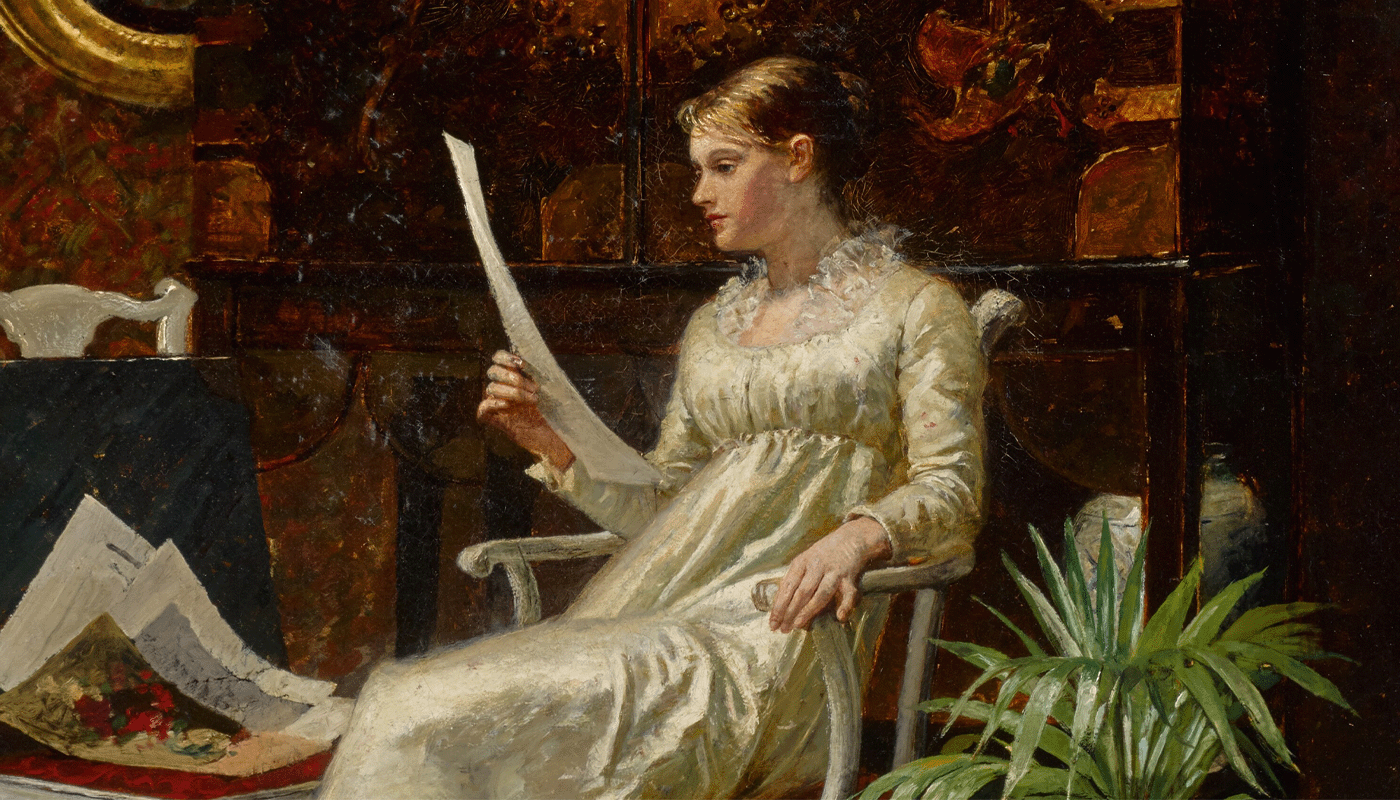
In an era defined by the sheer volume of intellectual output, the act of reading has become a logistical challenge. According to recent data from Publishers Weekly, the United States book market saw an output of more than four million titles in 2025 alone. For the modern reader, this represents a daunting reality: the "To Be Read" (TBR) pile is no longer a stack on a nightstand, but an insurmountable mountain of paper and digital files that grows faster than the human capacity to consume it.
Yet, amidst the relentless pressure to keep pace with the "most-anticipated" lists that circulate with seasonal regularity, a quieter, more radical trend persists: the decision to stop moving forward and instead look back. Rereading, often dismissed as a nostalgic indulgence or a stagnation of intellectual growth, is increasingly being recognized by bibliophiles as a necessary act of cognitive recalibration.
The Quantitative Burden of Modern Literature
The sheer scale of the 2025 output—four million titles—creates a paradoxical state of "analysis paralysis." When literary hubs publish lists featuring hundreds of highly touted 2026 releases, the reader is faced with an impossible task. The desire to engage with contemporary voices—such as Paige Lewis’s Canon, Sunyi Dean’s The Girl With a Thousand Faces, Camonghne Felix’s Let the Poets Govern, or Adam Phillips’s The Life You Want—is tempered by the physical and temporal limits of the individual reader.
This saturation has transformed reading from a leisurely pursuit into a high-stakes management task. Readers often maintain elaborate spreadsheets or digital trackers to curate their reading lives, yet these systems frequently underscore the futility of trying to "finish" one’s library. When the sheer volume of new content feels overwhelming, the instinct to retreat to the familiar becomes a defensive mechanism against the frantic pace of the publishing industry.
Chronology of a Reading Life: From Discovery to Re-discovery
The relationship a reader has with a book is rarely static. The evolution of this bond can be viewed in three distinct phases:
- The Formative Phase (Childhood/Adolescence): During youth, the constraints of time are perceived differently. Books are limited, and the library is a curated, finite universe. It is during this period that readers often "store up" authors, reading their works on repeat. For many, writers like Jo Clayton—whose Duel of Sorcery or Wild Magic series offered immersive worlds of women warriors and magical politics—became foundational. In this phase, the reader absorbs the feeling of the book rather than the granular plot details.
- The Consumption Phase (Adulthood/The TBR Era): As the reader enters adulthood, the focus shifts to novelty. The pressure to stay current with literary trends, professional development, and social discourse leads to the abandonment of the "reread" in favor of the "next." This is the era of the endless TBR list.
- The Integration Phase (The Return): Eventually, the reader returns to the books of their youth. This is not merely an act of memory; it is a critical engagement. Upon returning to a book like Clayton’s Moongather, Moonscatter, the reader discovers that their understanding of the text has changed. What was once seen as a simple fantasy adventure is now viewed through a more sophisticated, often queer-positive lens, revealing themes of gender fluidity and sexual freedom that were previously invisible to the younger reader.
Supporting Data: The Cognitive Benefits of Rereading
Rereading is not merely an act of "treading worn ground." Neuroscientific and psychological perspectives on reading suggest that the brain processes a familiar text with greater depth than a new one.
- Pattern Recognition: When the anxiety of "what happens next" is removed, the reader is free to observe stylistic nuances, structural rhythms, and foreshadowing that were missed during the first pass.
- Self-Reflection: Rereading acts as a mirror. Because the reader has changed, the interaction with the text is inherently different. It is a form of time travel, where the reader confronts the person they were at the time of the first reading, measured against the person they are today.
- The "Lestat" Effect: The recent popularization of Anne Rice’s The Vampire Lestat via television adaptation provides a modern case study. Many readers, spurred by the show, returned to the source material expecting a "rock star" narrative, only to realize the book was actually a philosophical autobiography concerning the nature of evil and the struggle for a secular, meaningful life. The gap between the memory of the book and the text of the book is where the most significant learning occurs.
Industry and Cultural Implications
The publishing industry thrives on the "new," constantly pushing for the next bestseller, the next viral sensation, and the next genre trend. However, the culture of rereading presents a challenge to this model.
If readers spend 30% or 40% of their time returning to classic or childhood favorites, the churn rate of new titles may face long-term pressure. Publishers and retailers are beginning to recognize this by leaning into anniversary editions, box sets, and "deluxe" reissues. The market is slowly acknowledging that a book’s value is not limited to its initial release window.
Moreover, the "rereading movement" suggests a growing fatigue with the "content-first" model of digital media. Readers are seeking depth over breadth. They are finding that the "messy, disastrous, and beautiful" characters of their past—like Lestat or Serroi—offer more emotional resonance than many of the highly optimized, algorithmically generated characters of current fiction.
Finding the Equilibrium: A New Metric for Readers
While no perfect ratio of new books to rereads exists, the modern reader is increasingly attempting to strike a balance. The goal is to avoid the binary choice between "keeping up" and "dropping out."
- The Rabbit Hole Approach: Using new releases as a bridge to old favorites. If a new book reminds the reader of an old one, the recommendation is to follow that thread back into the past.
- The Conscious TBR: Instead of viewing the TBR list as a deadline, treat it as a menu. If the mood demands the comfort and insight of a reread, the reader should feel empowered to prioritize that over the "should-read" list.
In conclusion, the four million books published in 2025 serve as a testament to human creativity, but they should not become a weight that crushes the joy of reading. The most profound discoveries in literature often occur not in the pursuit of the new, but in the patient, repeated exploration of the familiar. In the very best books, there is always something new to find—and, more importantly, something older that we may have forgotten about ourselves. Rereading is not an abandonment of the present; it is a reclamation of the self, ensuring that we do not just consume stories, but allow those stories to become part of our ongoing, evolving narrative.










No comments yet. Be the first to join the conversation!