In the hyper-curated landscape of the modern internet, the ultimate social death sentence is no longer being called "cringe" or "out of touch." Instead, the digital lexicon has coalesced around a singular, tactile pejorative: polyester.
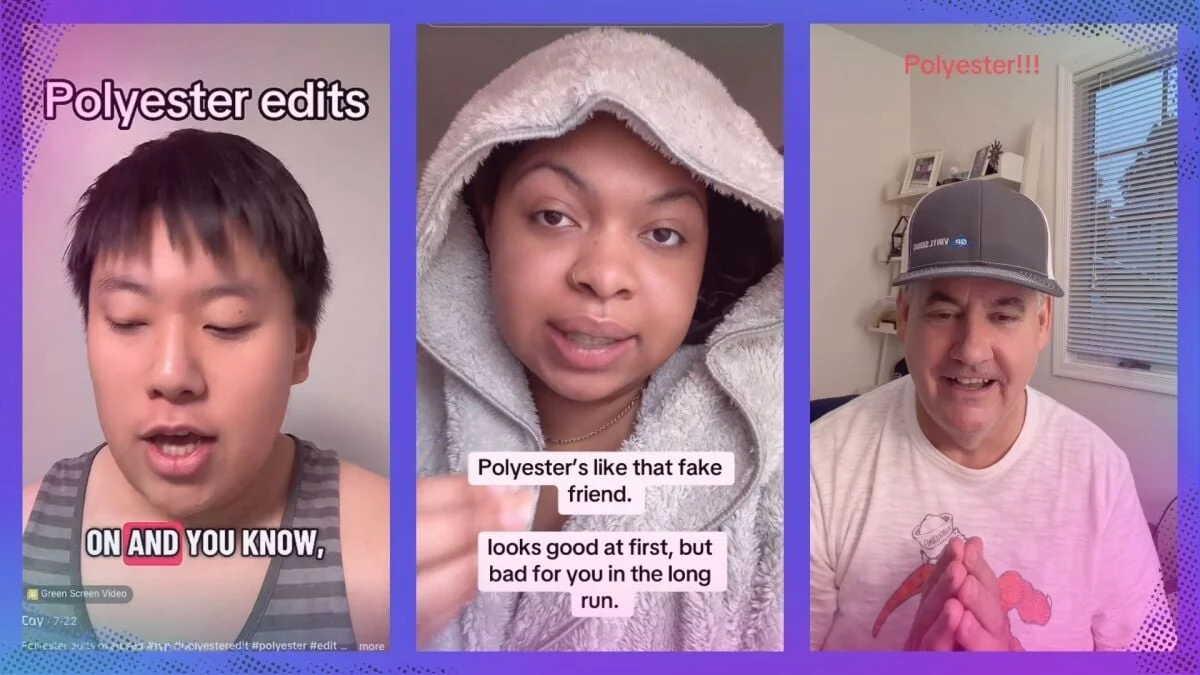
To call a person, a relationship, an influencer’s brand, or a piece of content "polyester" is to condemn it as fundamentally artificial. It suggests that while the subject may appear polished, durable, or trendy on the surface, it is, in reality, a mass-produced, low-effort imitation—a synthetic stand-in for the real thing. As Gen-Z and younger digital natives continue to deconstruct the performative nature of online existence, "polyester" has emerged as the definitive shorthand for the "fake."
The Anatomy of an Insult: From Closet to Critique
The term draws its linguistic power from the actual material’s increasingly dismal reputation. For years, shoppers have engaged in a quiet rebellion against fast fashion, purging their closets of petroleum-based synthetic fabrics in favor of natural, breathable materials like cotton, linen, and wool.
In the realm of sustainable fashion discourse, polyester has become synonymous with "cheap." While the material has legitimate industrial and performance applications—such as moisture-wicking activewear—online fashion communities have flattened its utility. In this context, polyester is shorthand for the shiny, uncomfortable, and environmentally taxing garments associated with hyper-fast-fashion retailers. By extending this critique from the wardrobe to the personality, the internet has created a perfect metaphor: if you are "polyester," you are not just low-quality; you are a product of a disposable system.
A Chronology of the "Polyester Edit"
The transition of the word from a textile descriptor to a cultural weapon did not happen overnight. Its origins can be traced back to the niche, high-octane world of fan-editing on TikTok.
2025: The Emergence of the Aesthetic
In late 2025, a specific style of fan video began circulating, primarily featuring high-action characters like Spider-Man or Iron Man. These "polyester edits" were characterized by an aggressive, almost overwhelming level of post-production. Creators utilized metallic filters, strobing visual effects, and high-tempo audio tracks, pushing apps like CapCut to their processing limits to create a look that was undeniably flashy.
2026: Viral Resurgence and Semantic Shift
By the summer of 2026, a previously dormant Spider-Man edit resurfaced and went viral. As viewers analyzed the chaotic, over-processed visuals, the term "polyester edit" was coined to describe the work. The implication was clear: the video was all surface-level glitz, lacking substance, and manufactured for the sole purpose of engagement.
2027: Beyond the Screen
The term quickly escaped the confines of video editing circles. It found a new home in the world of influencer commentary. Streamers who peddled cheap, dropshipped merchandise were frequently tagged as "polyester." One prominent figure, the streamer LowTierGod, famously earned the moniker "the Polyester Prince," a label that stuck due to his perceived performance-heavy, synthetic persona. This sparked a wave of parodies where creators would mock "polyester energy" by dressing in loud, all-over-print clothing—galaxy leggings, wolf-print shirts, and neon synthetic fabrics—effectively turning the material into a visual caricature of "trying too hard."
The Ecosystem of Inauthenticity
"Polyester" does not exist in a vacuum. It is merely the latest addition to a vast, evolving dictionary of internet insults designed to call out the "fake." Understanding its nuance requires situating it within the broader ecosystem of online performance.
The Linguistic Relatives of "Polyester"
To fully grasp the weight of the insult, one must compare it to its contemporaries:
- "Larping" (Live Action Role-Playing): Used to describe someone who adopts a persona or identity for the sake of social clout or validation.
- "Performative": The classic critique of activism or lifestyle choices made strictly for the audience, rather than out of genuine conviction.
- "Industry Plant": The ultimate accusation for a celebrity whose rise to fame seems too curated or backed by corporate interests to be organic.
- "NPC" (Non-Player Character): A term for those who lack original thought, mimicking social scripts and popular trends without deviation.
- "Slop": The broader, umbrella term for the low-quality, bulk-produced content—often AI-generated—that clutters social media feeds.
- "Temu-version": A direct reference to the e-commerce giant, suggesting that a person or thing is a cheap, knock-off version of something superior.
While these terms often overlap, "polyester" is unique because it combines the accusation of being "fake" with a specific judgment on quality. It suggests that the subject is not just a copy; it is a cheap copy.
Implications: The Death of the "Curated" Aesthetic
The rise of the "polyester" insult marks a significant shift in the digital zeitgeist. For over a decade, social media was dominated by the "curated aesthetic"—the perfect feed, the color-coordinated lifestyle, and the highly polished influencer brand.
Today, that polish is increasingly viewed with suspicion. As AI-generated deepfakes and algorithmic content flood the digital space, the threshold for "authenticity" has plummeted. The "polyester" label is a defensive mechanism. It is a way for users to signal that they are savvy enough to spot a manufactured product. It is a rejection of the "shiny" in favor of the "authentic," even if that authenticity is messy or unpolished.
However, there is an inherent irony in the term. As with any slang, the more "polyester" is used to describe everything from a bad outfit to a political opinion, the more the word itself loses its edge. When every annoying person is called "polyester," the word becomes just another generic label—ironically, becoming the very thing it seeks to insult.
Official Responses and Industry Reception
While major brands and influencers have not issued "official" statements on the term, the impact of the trend is palpable in marketing shifts. Agencies are currently moving away from the hyper-polished, "polyester" aesthetic of 2020-2024. Instead, there is a marked pivot toward "lo-fi" content, raw video formats, and creators who prioritize unedited, conversational dialogue.
Influencers are now consciously avoiding overly aestheticized backgrounds, opting instead for "lived-in" spaces to avoid the "polyester" accusation. The fear of being labeled "fake" has forced a move toward radical transparency, or at least the performance of it.
Conclusion: The Future of the Digital Critique
"Polyester" serves as a mirror for our current cultural moment. We are living in an era defined by mass-produced content, synthetic realities, and a deep-seated anxiety regarding what is "real."
As we look toward the future, it is clear that the internet will continue to invent new ways to mock inauthenticity. Today it is "polyester"; tomorrow it will be something else. But as long as the digital world continues to prioritize engagement and viral growth over substance, there will always be a need for a word that cuts through the sheen.
Whether the label of "polyester" will endure or fade into the graveyard of "cheugy" and "cringe" remains to be seen. But for now, the message is clear: if you are perceived as a product rather than a person, the internet will find a label for you. And heaven help you if that label is "polyester."