Every June, the cycle repeats: a sincere promise to proactively prepare for the encroaching summer heat, followed by the inevitable surrender as temperatures climb. For many, the "heat trap" is more than just a seasonal nuisance; it is a physiological barrier to professional output. As extreme weather events become the new global baseline, freelancers and office-based creatives alike are finding that the traditional nine-to-five schedule is increasingly incompatible with a warming planet.
For the modern creative—whether an illustrator, designer, or writer—heat is not merely a matter of comfort. It is a direct antagonist to cognitive function. When the mercury rises, the brain’s ability to execute complex tasks, maintain focus, and ensure color accuracy begins to degrade. As climate data confirms that heatwaves are becoming longer, hotter, and more frequent, the ability to adapt one’s working environment is no longer a luxury; it is a vital professional skill.
The Global Climate Context: A New Normal
The severity of the current climate shift cannot be overstated. Western Europe has recently endured some of its most punishing heatwaves on record, leading to the widespread closure of educational institutions and a sharp spike in hospital admissions. Across Spain and France, temperatures have consistently soared 20 degrees Fahrenheit (roughly 11 degrees Celsius) above seasonal averages for weeks at a time.
Meanwhile, in the United States, the central and eastern regions face recurring, intense heat events that disrupt commerce and daily life. These aren’t isolated anomalies; they are indicators of a broader trend. For the creative professional whose job relies on fine motor control, sustained concentration, and high-level decision-making, these conditions present a profound challenge. Interviews with industry peers reveal a common theme: productivity often grinds to a halt as the heat drains the capacity for complex problem-solving. Simple tasks, such as geometric composition or color grading, become Herculean efforts when the body is in survival mode.
The Physiology of Heat-Induced Cognitive Decline
To understand why productivity plummets in the heat, one must look at the biology of the brain. When ambient temperatures exceed the body’s comfort zone, the cardiovascular system works overtime to dissipate heat through sweat and blood flow to the skin. This redistribution of resources comes at a cost: less oxygenated blood reaches the prefrontal cortex—the area responsible for executive function, planning, and focus.
An illustrator recently noted that during peak heat, her decision-making process becomes sluggish, and her ability to visualize complex compositions evaporates. This is not laziness; it is a physiological bottleneck. Recognizing this "cognitive load" is the first step toward reclaiming professional agency. Rather than fighting against biology, the most effective strategy is to align one’s workflow with the thermal realities of the day.
Chronology of Adaptation: Shifting the Working Day
The most significant shift for many successful freelancers has been the abandonment of the rigid "fixed-hour" work model. If the afternoon forecast predicts a high of 32°C (90°F), the most cognitively demanding tasks must be front-loaded.
The "Early Bird" Workflow
- 06:00 – 10:00: Deep Work: Concepting, writing, high-level editing, and pitching. These tasks require the highest level of mental clarity and should be completed while the ambient temperature—and the body’s core temperature—is at its lowest.
- 10:00 – 14:00: Production: Tasks that require moderate focus but less creative "spark," such as layout work, basic drafting, or project management.
- 14:00 onwards: The Admin Buffer: As the heat peaks, the focus shifts to low-energy activities: invoicing, file organization, email correspondence, and archival work. These tasks serve as a "safety valve," allowing productivity to continue without requiring the brain to overextend itself during the hottest hours.
Supporting Data: Why Your Kit Needs Cooling
Beyond human biology, the technology we rely on is equally susceptible to heat. Most high-end workstations, particularly those used for rendering, design, or video editing, generate significant internal heat. When the ambient room temperature rises, the cooling fans in a laptop or desktop work exponentially harder, often leading to thermal throttling—a process where the CPU slows down its performance to prevent hardware damage.
Best Practices for Hardware Maintenance
- Clear the Clutter: Every unnecessary device—an external hard drive that isn’t in use, a secondary monitor, or even a smartphone charging nearby—emits heat. Minimize your physical footprint to keep the room cool.
- Digital Minimalism: Closing browser tabs and background applications isn’t just a mental decluttering exercise; it reduces the background load on your processor, preventing unnecessary heat generation.
- Physical Airflow: Utilize a laptop stand to ensure air can circulate underneath the chassis. If your machine feels sluggish, a quick blast of compressed air through the vents can clear dust buildup, which acts as an insulator and exacerbates heat retention.
- Relocation: If your home office is a "sun trap," be willing to move. Whether it’s a local library, a coworking space with industrial HVAC, or simply the coolest room in your house (often a basement or north-facing room), changing your environment is a strategic business decision.
Official Perspectives and Public Health Implications
Health organizations, including the World Health Organization (WHO), have increasingly emphasized the "hidden" impacts of heatwaves on the labor force. Beyond the well-documented risks of heatstroke, there is a growing body of research regarding the reduction in labor productivity. Studies suggest that for every degree of temperature increase above the human comfort threshold, cognitive performance in tasks requiring accuracy and speed drops by a measurable percentage.
Governments in Europe and the US are beginning to issue "Heat Action Plans," which include guidelines for businesses to allow flexible working hours and mandatory hydration breaks. For the self-employed, these guidelines serve as a template for personal policy. The consensus among workplace ergonomists is clear: the traditional 9-to-5 is an outdated structure in the face of climate change.
The Mindset Shift: Productivity vs. Biology
Perhaps the most difficult adjustment is the psychological one. We are conditioned to measure our worth by our daily output. When the heat makes that output difficult, we often blame ourselves.
However, acknowledging that heat is a legitimate constraint allows for a more sustainable approach:
- Break Down Projects: If a complex design is too much for a 35°C afternoon, break it into smaller, manageable micro-tasks.
- The "Rough Draft" Philosophy: Accept that under extreme conditions, today’s output might require a review during a cooler morning session.
- Hydration Strategy: Don’t wait for thirst. Thirst is a lagging indicator of dehydration. Keeping cold water within arm’s reach ensures constant hydration, which is essential for maintaining blood volume and, by extension, cognitive function.
- Nutritional Awareness: Heavy, oven-baked meals require significant energy to digest, which raises the body’s internal temperature. Embracing lighter, water-rich foods like watermelon, cucumber, and crisp salads is a practical way to manage the body’s thermal load.
Conclusion: Adapting as a Professional Imperative
The reality of the modern era is that heatwaves are not going away. If creative and knowledge-based work is to continue during these periods, adaptation is not a "nice-to-have"—it is a professional necessity. By treating heat as a variable in your project management plan—much like a looming deadline or a client’s feedback cycle—you can maintain your professional standards without compromising your health.
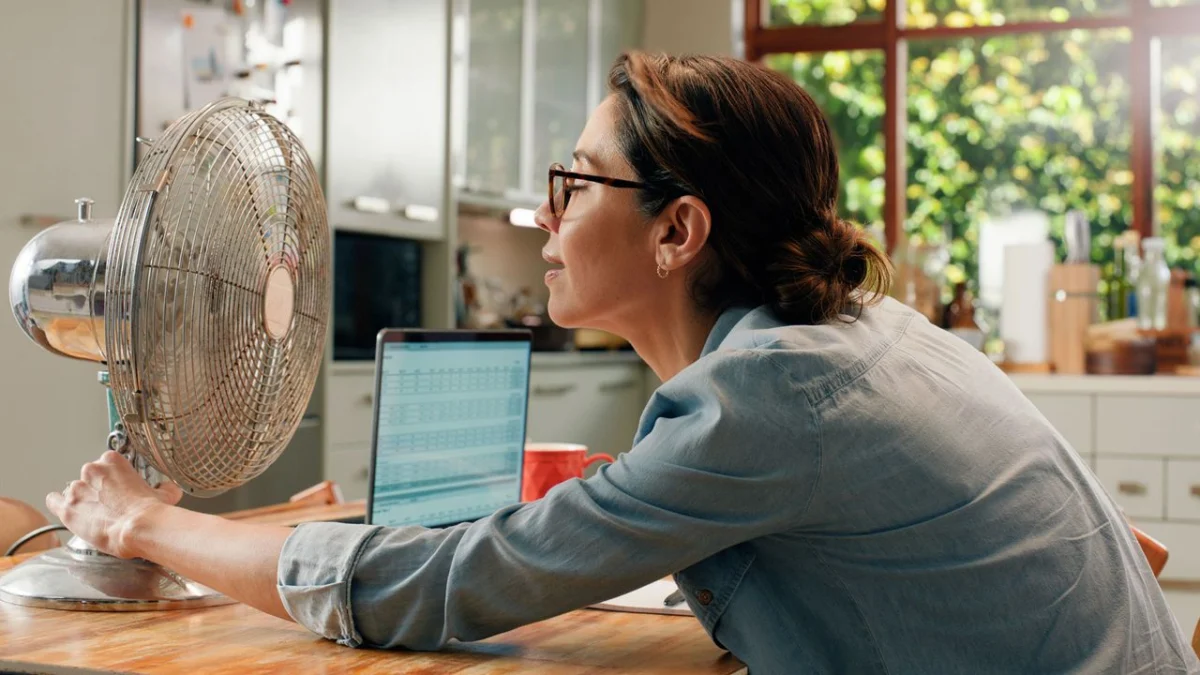
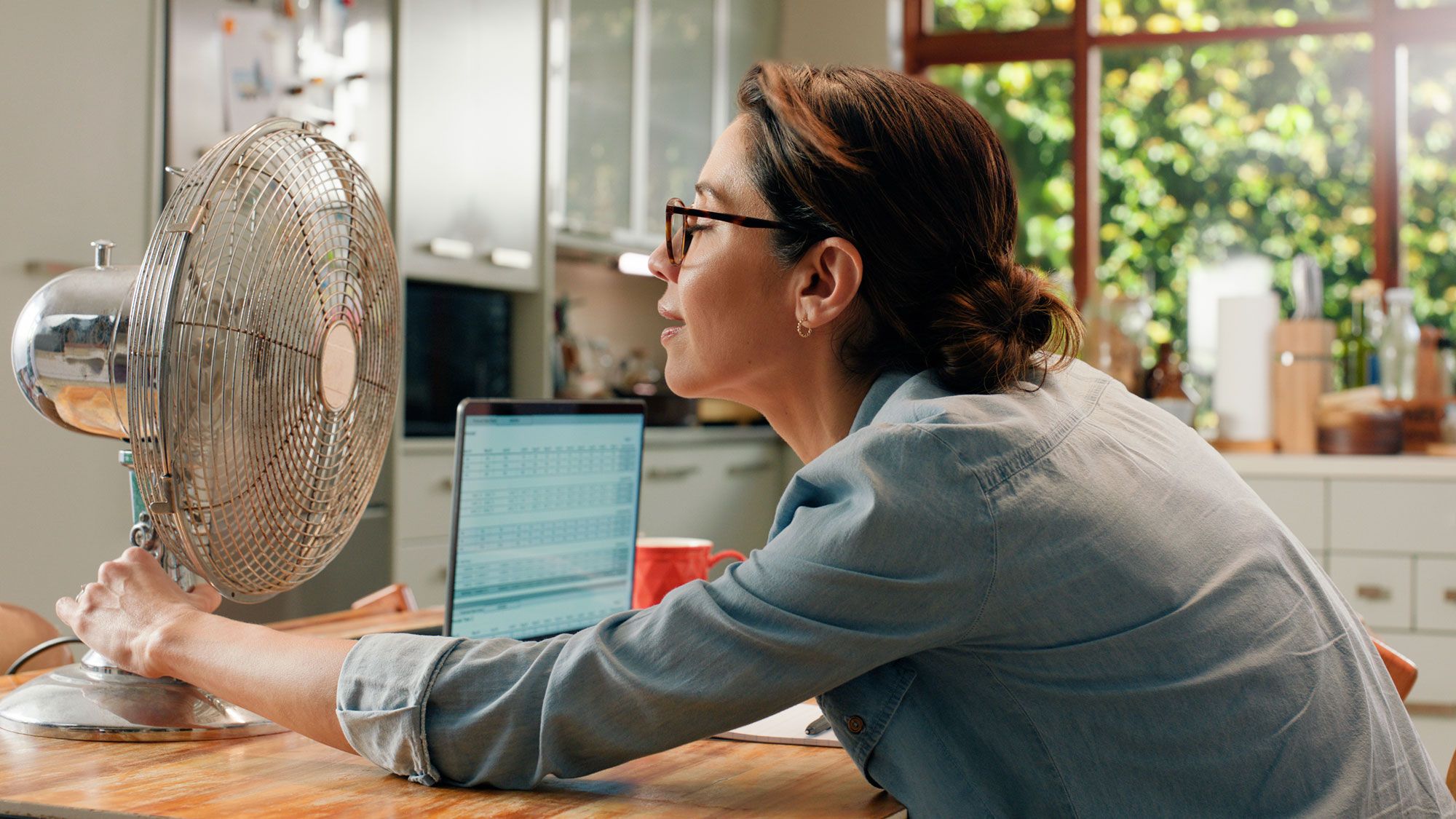
In the end, productivity is not about how many hours you sit in a chair; it is about the quality of the work produced. By shifting your schedule, protecting your hardware, and being honest about your cognitive limits, you can continue to excel even when the world outside is turning up the pressure. And if all else fails, investing in an efficient, quiet, and aesthetically pleasing fan is a small price to pay for the ability to keep your cool when the mercury starts to climb.