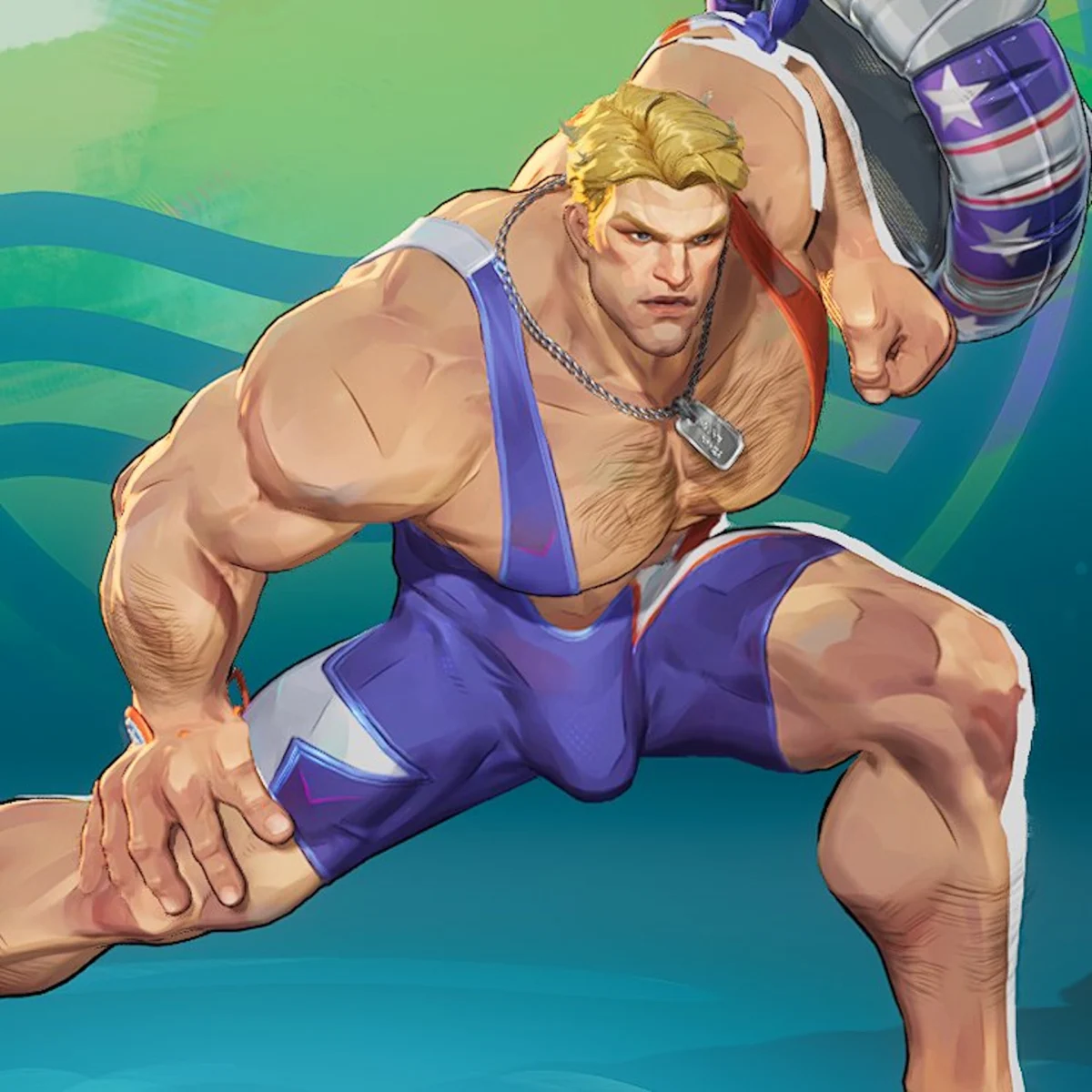
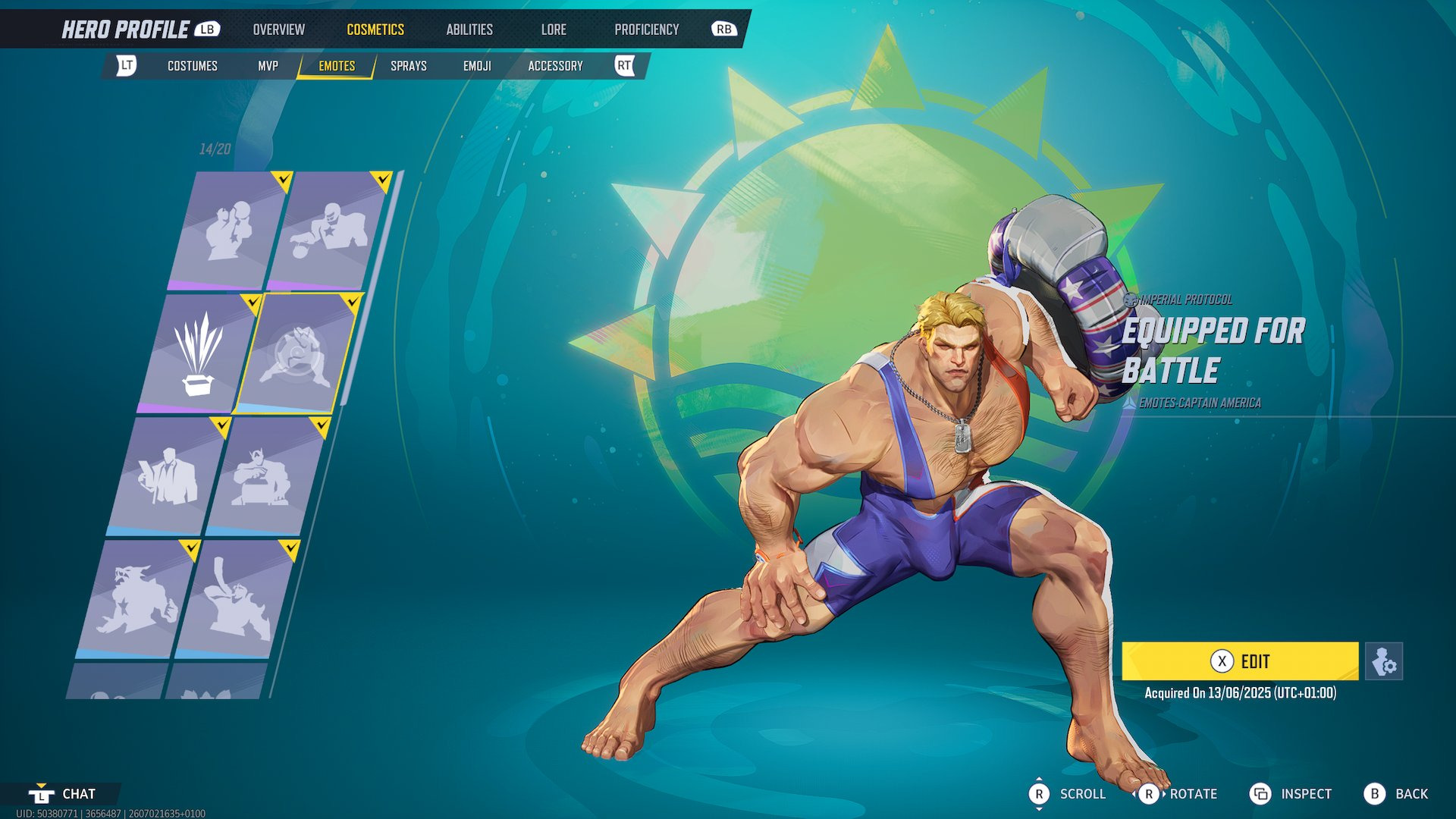
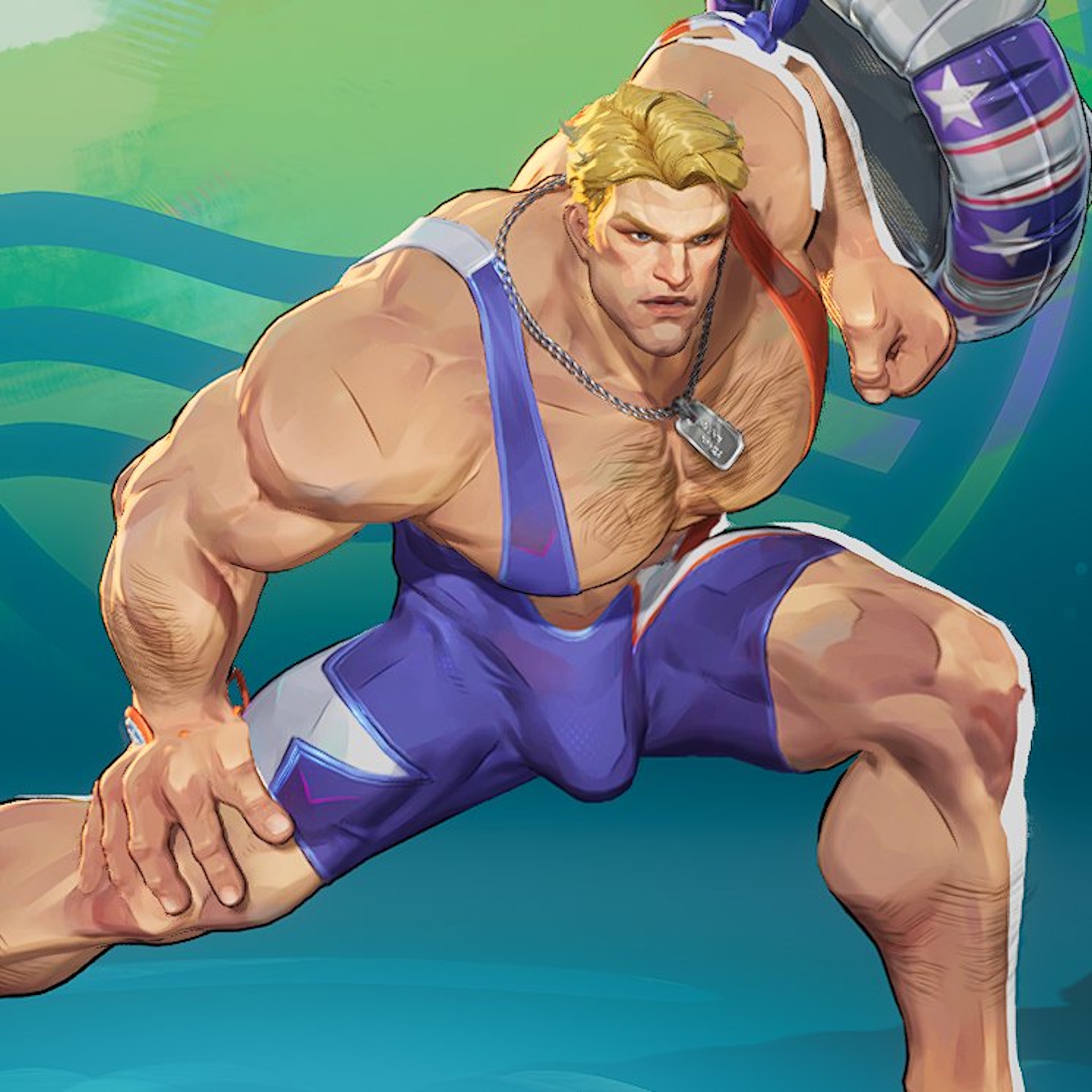
In the ever-evolving landscape of live-service gaming, character skins often serve as the primary vehicle for player expression and developer monetization. However, the latest cosmetic addition to NetEase’s Marvel Rivals—a title that has been gaining significant traction in the hero-shooter space—has transcended the typical boundaries of digital fashion. The "Seaside Sentinel" skin for Captain America has ignited a firestorm of discourse, not because of its tactical utility or aesthetic flair, but because of an unexpected, highly pronounced, and physically reactive anatomical detail that has caught the entire gaming community off-guard.
The Genesis of the "Vibranium" Incident
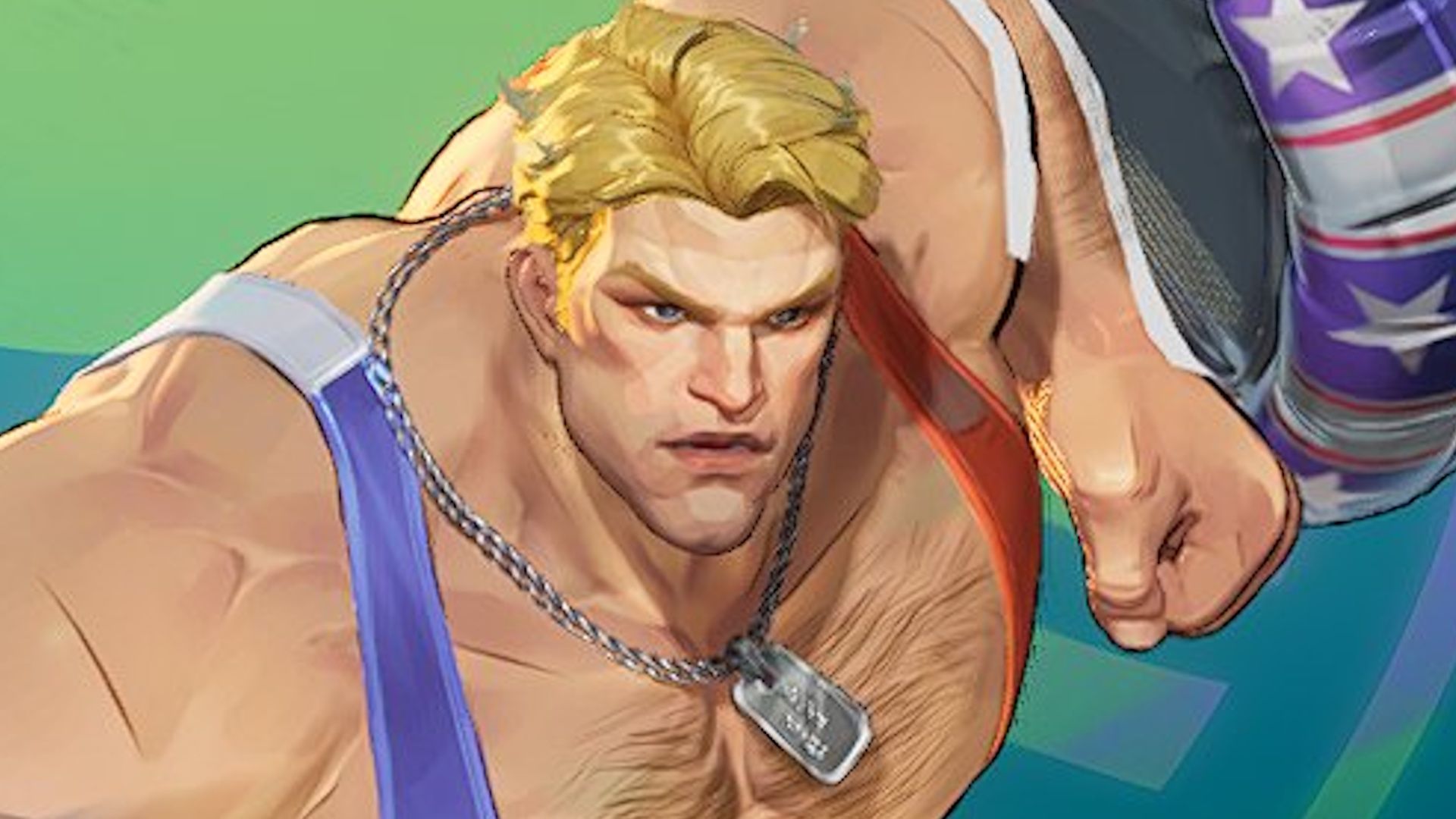
The controversy began when players gained access to the new "Seaside Sentinel" summer-themed skin. Designed as a lighthearted, beach-ready variant for the iconic First Avenger, the outfit features a minimalist design that leaves little to the imagination. Almost immediately upon the skin’s debut, eagle-eyed players took to social media platforms, including X (formerly Twitter) and Reddit, to highlight a startling design choice: the character model features a visibly prominent bulge that exhibits what can only be described as sophisticated jiggle physics.
What started as a series of whispered jokes in private Discord servers quickly erupted into a mainstream gaming news cycle. The sheer audacity of the animation—combined with the character’s stoic, heroic posture—created a jarring juxtaposition that many players found both hilarious and technically baffling. As the clips began to circulate, the conversation shifted from simple mockery to a genuine inquiry into the development processes at NetEase. How did such a specific, conspicuous detail clear internal quality assurance protocols?
Chronology of a Viral Phenomenon
The trajectory of this incident follows the classic blueprint of modern internet virality.
- Phase 1: Discovery (July 1, 2026): Shortly after the Marvel Rivals update went live, players began sharing gameplay clips featuring the Seaside Sentinel skin. The initial reactions were primarily centered on the "beach day" theme, but within hours, the focus shifted to the character’s lower torso.
- Phase 2: The "Jiggle" Confirmation (July 2, 2026): Skepticism was rampant. Many users initially dismissed the clips as the product of "modding" or sophisticated Photoshop editing. However, when multiple users provided unedited, real-time gameplay footage showing the physics in action, the narrative changed. It was confirmed that the movement was a native, programmed feature of the character model.
- Phase 3: Industry Comparison (July 3, 2026): Gaming journalists and influencers began drawing parallels to other high-profile titles. Comparisons were made to The First Descendant, which recently introduced its own controversy regarding character physics, and the legendary, albeit much more subtle, "schlong physics" rumors surrounding Baldur’s Gate 3.
- Phase 4: Cultural Satire: The incident reached a boiling point of absurdity when the community began creating "lore" explanations, with one popular theory—jokingly attributed to industry veteran Ludwig Kietzmann—suggesting that Captain America was simply well-prepared for the "Battle of the Bulge."
Technical Implications: Why Now?
From a technical standpoint, the inclusion of such granular physics is not a simple oversight. Game engines like Unreal Engine 5, which Marvel Rivals utilizes, allow for highly complex cloth and bone-weighting simulations. In a typical character rig, developers define "colliders" and "physics assets" to ensure that capes, hair, and armor pieces move realistically during combat animations.
The inclusion of these specific physics suggests that a developer intentionally assigned bone-weighting and a physics constraint to this specific area of the model. In the context of game development, this is an active decision, not a passive mistake.
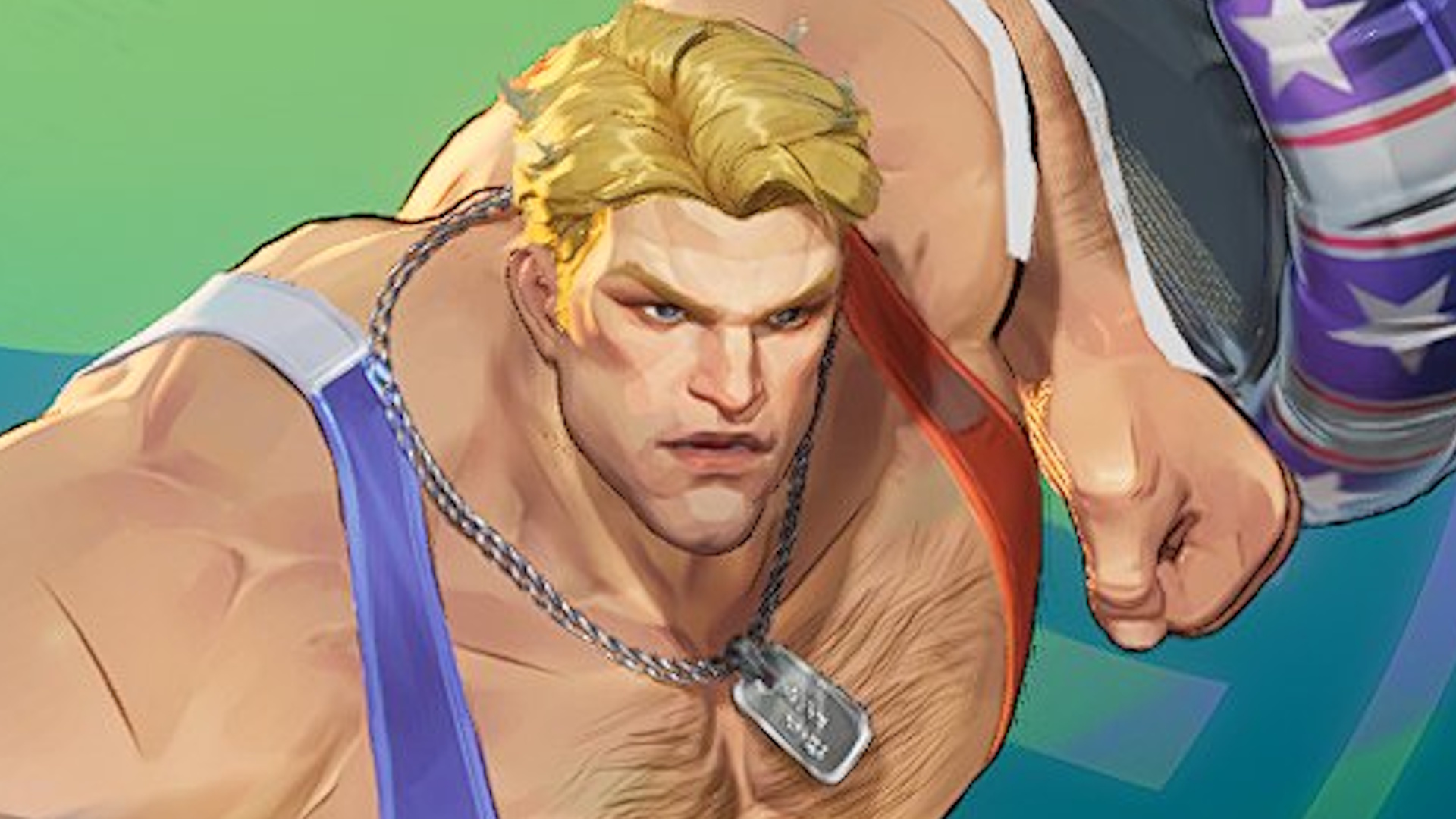
While the industry has long been criticized for the hyper-sexualization of female characters through "jiggle physics," the application of these techniques to a male superhero—and a Marvel-licensed property at that—marks a distinct shift. It forces a conversation about equity in character design: if male characters are now being held to the same standards of "fan service" as their female counterparts, the industry is entering a new, albeit chaotic, phase of character presentation.
The Ethics and Optics of Licensed Properties
One of the primary questions surrounding this event is the role of the licensor. Marvel, a subsidiary of Disney, is notoriously protective of its intellectual property. The company maintains strict guidelines regarding how its heroes—especially symbols of virtue like Captain America—are depicted in media.
The fact that this skin was approved for release suggests one of two things: either the oversight process failed to notice the animation detail, or the brand standards for Marvel Rivals allow for a level of irreverence that was previously unseen in the Marvel cinematic and gaming universes. Historically, Disney has been quick to demand the removal of content that strays from their carefully curated brand image. The continued presence of the skin suggests that NetEase is operating under a unique set of creative permissions.
Official Responses and Industry Silence
As of this writing, NetEase has not issued an official press release or technical explanation regarding the Seaside Sentinel skin. When reached for comment, representatives for the studio remained silent, a standard defensive posture for companies navigating "internet-breaking" controversies.
However, the silence is telling. By refusing to comment, the developer avoids validating the controversy, potentially hoping that the news cycle will move on as the community grows accustomed to the asset. Yet, the persistent nature of the "jiggle physics" means that every time a player selects this skin, the topic is effectively "re-launched" for a new audience.
The Cultural Impact: A New Standard?
The Marvel Rivals incident will likely be studied by game developers and marketers for years to come. It serves as a case study in "engagement through absurdity." By creating a skin that is inherently meme-worthy, the developers have ensured that their game stays in the social media spotlight, far exceeding the reach of a standard, "clean" cosmetic release.
Is this the future of hero shooters? If the primary goal of a live-service game is to maximize "shareability" and player retention, the "Seaside Sentinel" skin has been a massive success. It has generated millions of impressions across X, Reddit, and YouTube, essentially functioning as free, albeit highly unconventional, marketing.
Conclusion
Whether one views this as a harmless, tongue-in-cheek nod to the community or an egregious lapse in professional taste, the "Seaside Sentinel" incident has left an indelible mark on Marvel Rivals. It highlights the intersection of technical capability, brand management, and the ever-present demand for content that pushes the envelope.
As we look toward the future of the genre, the question remains: will other developers follow suit, intentionally leaning into the bizarre and the suggestive to capture the internet’s fleeting attention? Or will this remain an outlier—a strange, vibrating footnote in the history of a game that dared to treat the First Avenger with a level of, shall we say, "physics-defying" attention to detail? Only time—and the next patch notes—will tell.