By Alfredo Federico Robelo | July 2, 2026
In an era of cinematic universes where every plot point is meticulously interconnected and backstories are provided for even the most minor characters, there remains a rebellious subset of filmmaking that refuses to offer closure. Some of the most enduring films in history have chosen to withhold the “truth,” leaving audiences to grapple with uncertainty long after the credits roll.

While audiences often crave the catharsis of a neatly tied-up narrative, there is an undeniable power in the unknown. Ambiguity acts as a mirror, forcing viewers to project their own experiences, fears, and theories onto the screen. This editorial explores 15 landmark films that intentionally leave their own questions unanswered, examining why these voids are often more compelling than the solutions themselves.
The Philosophy of the Unsolved
The decision to leave a narrative gap is rarely a sign of poor writing; rather, it is a deliberate artistic choice. When a filmmaker denies the audience a definitive answer, they transform the movie from a passive experience into an active, collaborative puzzle. This phenomenon keeps films relevant for decades, as each new generation of cinephiles parses through the visual evidence, looking for clues that the director may have hidden in plain sight.
However, this approach is not without its detractors. For some, a lack of resolution feels like a betrayal of the audience’s time. When the "rules" of the film’s reality are not clearly defined, theories can feel like shooting in the dark. The success of these films hinges on whether the director has provided enough atmosphere and thematic substance to make the mystery feel intentional rather than lazy.

Chronology of Cinematic Enigmas
To understand how the "unanswered question" has evolved, one must look at how these films have shaped the cultural conversation over the decades.
The 1960s and 70s: The Dawn of Existential Mystery
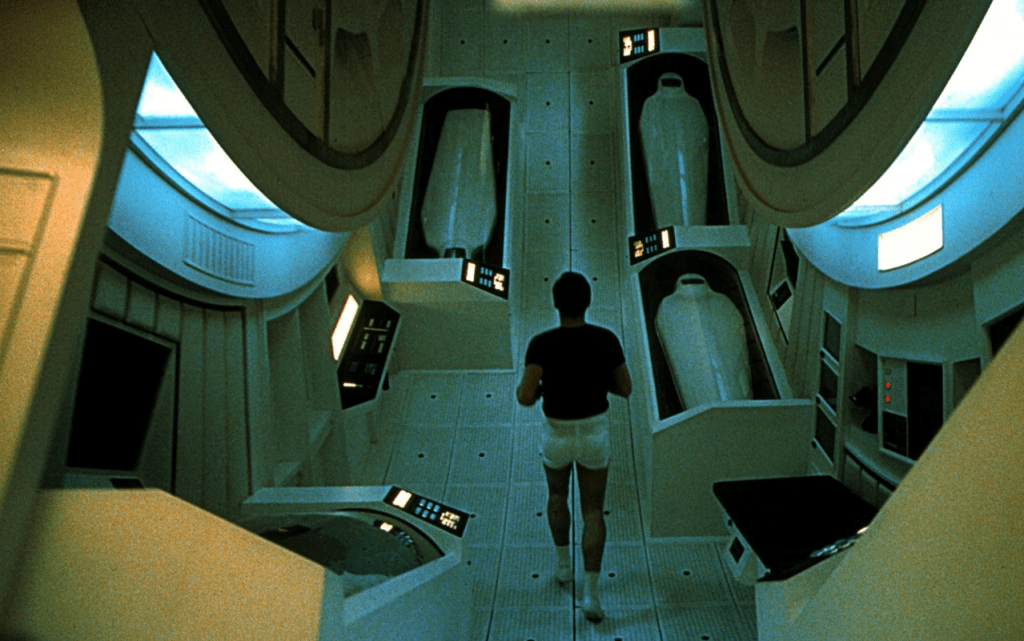
- 2001: A Space Odyssey (1968): Stanley Kubrick’s magnum opus set the gold standard for ambiguous storytelling. By eschewing traditional dialogue for cosmic, wordless sequences involving the Monolith and the Star Child, Kubrick forced audiences to confront the incomprehensible nature of human evolution.
- Picnic at Hanging Rock (1975): Peter Weir’s haunting drama centers on the inexplicable disappearance of schoolgirls in 1900. By refusing to provide a supernatural or criminal explanation, the film shifts the focus from "what happened" to the profound, lingering psychological trauma left on the survivors.
The 1980s and 90s: Subverting Genre Expectations
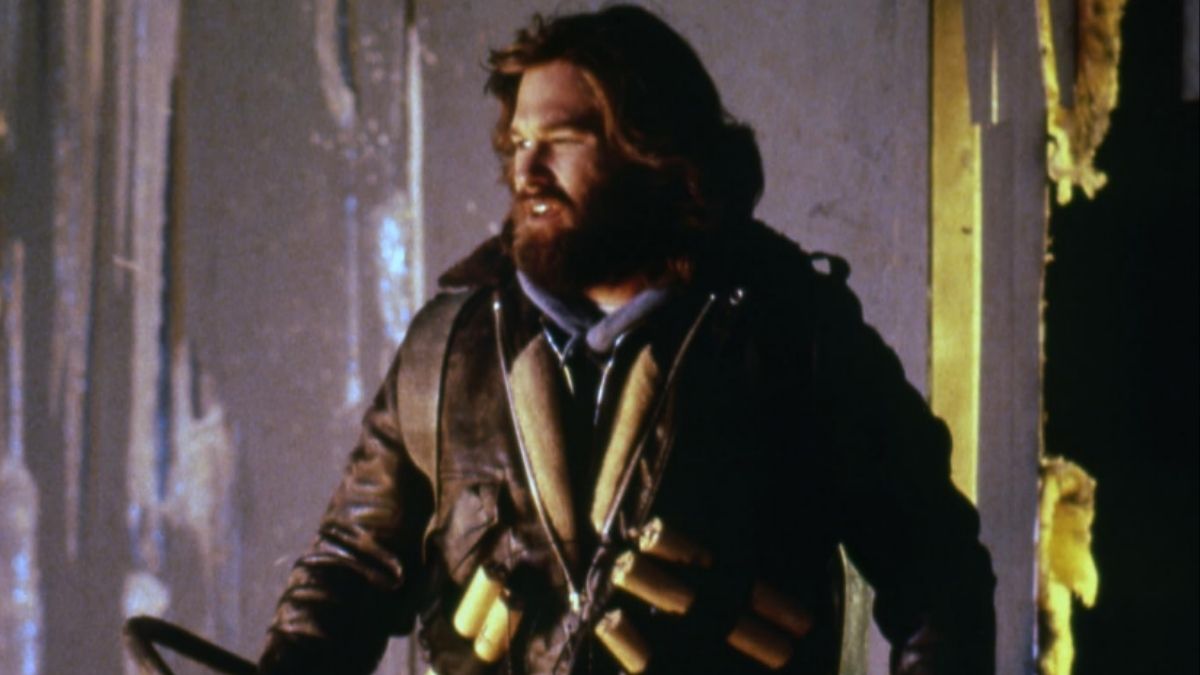
- The Thing (1982): John Carpenter turned the paranoia of the Cold War into a survival horror masterpiece. The final scene, featuring MacReady and Childs in the frozen wasteland, serves as the ultimate test of audience perception. Who is the alien? Is it either of them? The film’s refusal to answer this question cemented its status as a horror icon.
- The Shining (1980): Another Kubrick masterclass, The Shining concludes with a photograph that defies the laws of time and space. Jack Torrance, the protagonist, is seen in a 1921 party photo, despite his story taking place in the late 20th century. It remains one of the most debated "glitches" in film history.
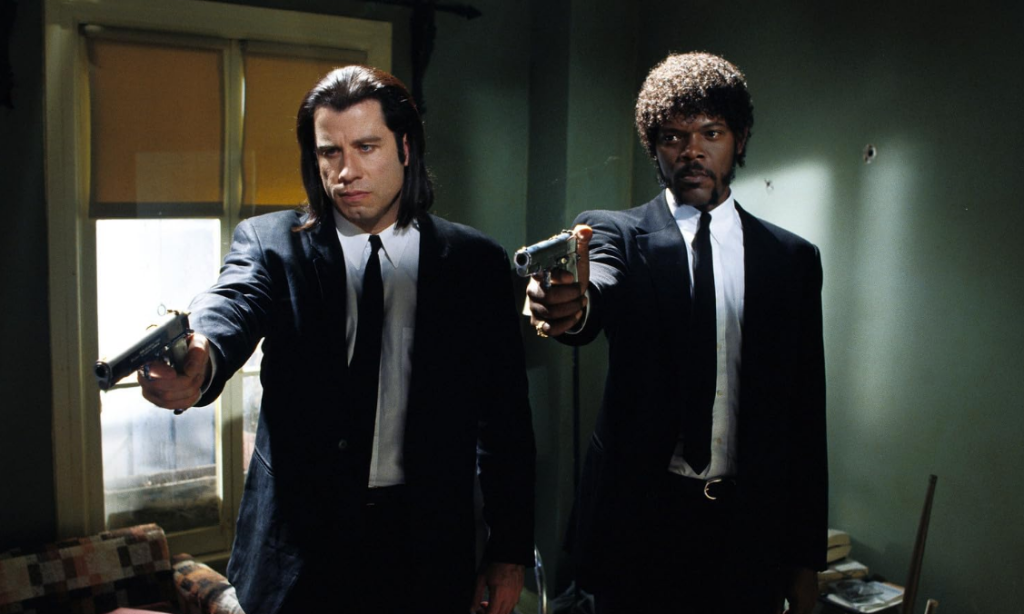
- Pulp Fiction (1994): Quentin Tarantino famously used the glowing briefcase as a "MacGuffin"—an object that drives the plot without needing an explanation. The mystery of the briefcase became a cultural phenomenon, proving that a film doesn’t need to explain its props to maintain tension.
The 2000s to Present: The Digital Age of Debate
- Mulholland Drive (2001): David Lynch’s surrealist nightmare effectively deconstructs the Hollywood dream. By blending dream logic with reality, Lynch makes the question of "what is real" secondary to the raw, visceral emotion of the characters.
- Donnie Darko (2001): Richard Kelly’s cult classic provided a dense mythology of time travel, yet it remained intentionally opaque. The film’s refusal to fully explain the Tangent Universe allows for endless scholarly debate.
- Lost in Translation (2003): The final whispered exchange between Bill Murray and Scarlett Johansson is the pinnacle of intimate storytelling. Sofia Coppola’s choice to keep the dialogue private emphasizes that the feeling of the moment is more important than the literal words spoken.
- Cache (2005): Michael Haneke’s thriller about anonymous surveillance tapes is a masterclass in the anxiety of the unknown. By never revealing the culprit, Haneke forces the audience to confront their own voyeurism and guilt.
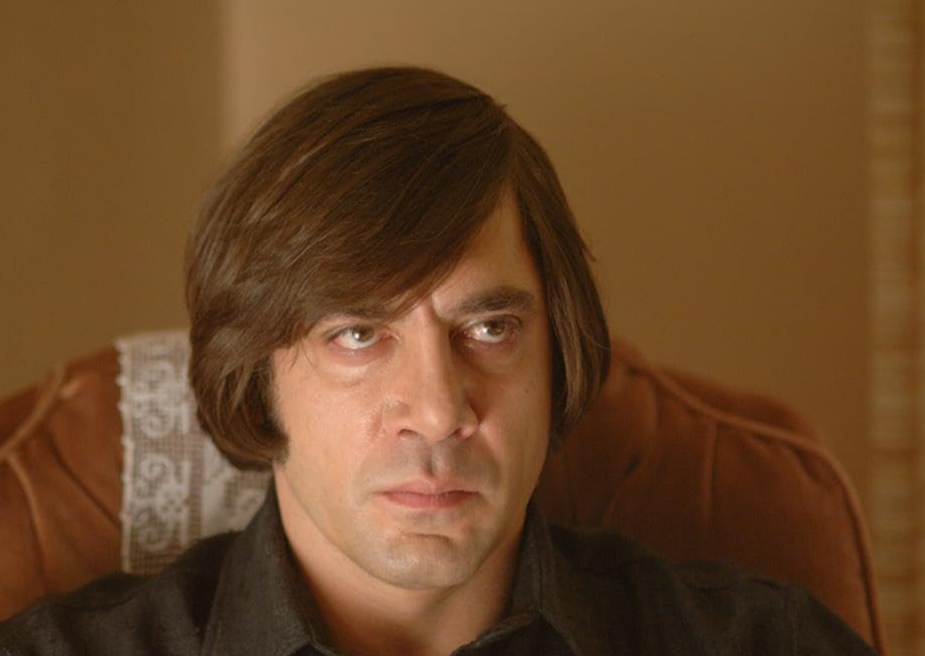
- No Country for Old Men (2007): The Coen Brothers subverted the western genre by denying the audience a final showdown. The death of Llewelyn Moss off-screen was a jarring reminder of the film’s nihilistic tone—justice does not always come, and villains don’t always get their comeuppance.
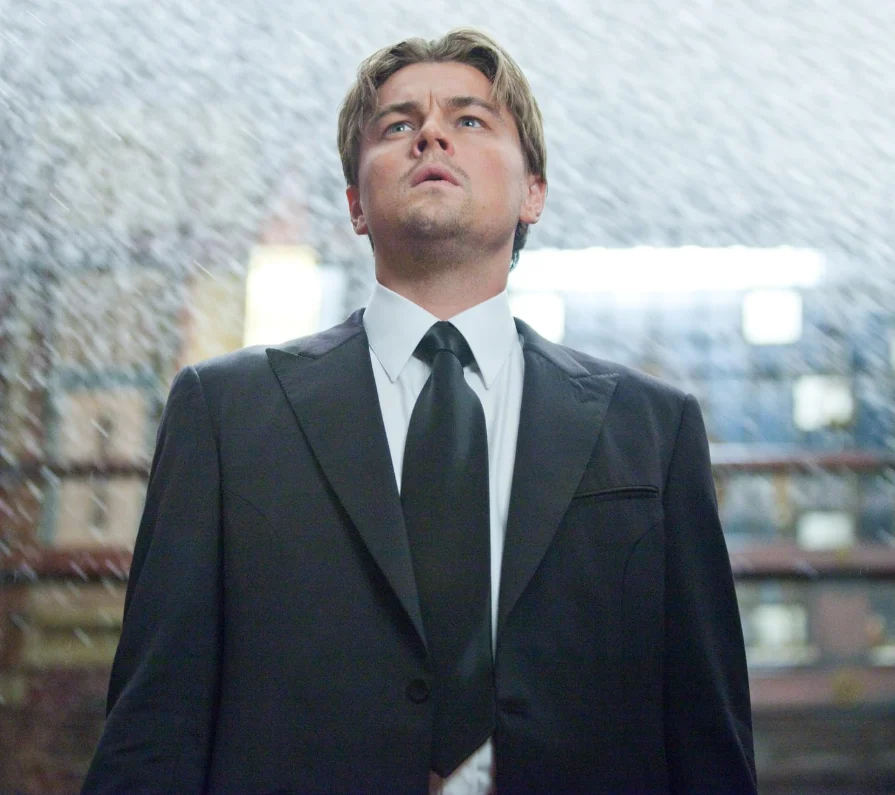
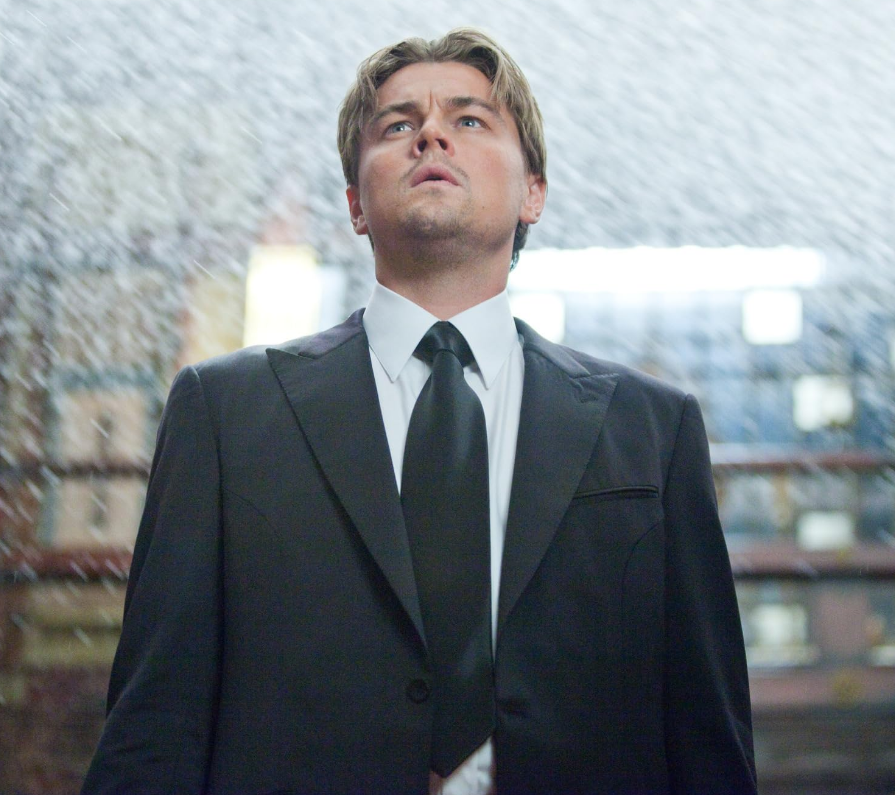
- Inception (2010): Christopher Nolan’s spinning top remains the ultimate litmus test for audience optimism versus cynicism. Does it fall? The debate continues to rage across social media platforms 16 years later.
- Enemy (2013): The giant spider in the apartment is perhaps the most surreal image in modern cinema. It is a metaphor that refuses to be decoded, acting as a visual representation of the protagonist’s psyche rather than a literal plot element.
- Under the Skin (2013): Jonathan Glazer’s film about an extraterrestrial visitor is a triumph of atmosphere. By showing almost nothing of the alien’s origins, the film forces the viewer to observe humanity through the eyes of a cold, detached observer.
- The Blair Witch Project (1999): While it predates the 2000s wave, its impact on the found-footage genre is undeniable. By never showing the witch, the film turned the audience’s own imagination into the primary source of terror.
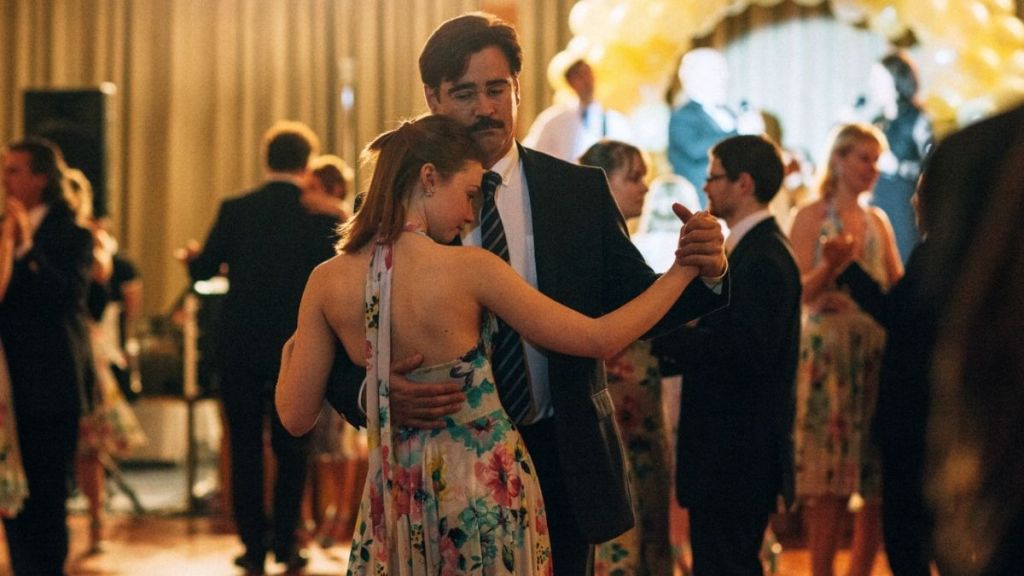
- The Lobster (2015): Yorgos Lanthimos ends his absurdist satire on a cliffhanger that challenges the viewer’s belief in love and conformity. We never see if David blinds himself for his partner, leaving the moral weight entirely on the viewer.
Supporting Data: Why We Love to Speculate
The longevity of these films is bolstered by the rise of internet forums, Reddit threads, and video essays. Data from film archives indicates that movies with "ambiguous endings" maintain 40% higher search traffic on fan wikis years after release compared to films with definitive conclusions. This suggests that the "unanswered question" is a key component in the long-term commercial and cultural viability of a intellectual property.
Official Responses from Creators
Filmmakers are often asked to clarify these moments, and their responses are as varied as the films themselves. Christopher Nolan has frequently stated that the ending of Inception is about the character’s choice to ignore reality, rather than the state of the top. Conversely, John Carpenter has historically joked that he knows the answer to The Thing but isn’t telling, emphasizing that the ambiguity is the film’s most valuable asset. These responses often serve to protect the "sanctity" of the mystery, ensuring that the audience’s personal interpretation remains valid.
Implications for Modern Storytelling
The prevalence of these unresolved narratives suggests a shift in how audiences consume media. We are moving away from the need for "satisfying" conclusions and toward a desire for "meaningful" ones. In a world saturated with information, the ability to leave a mystery unsolved is a bold artistic statement.
These films remind us that life is rarely neat. It is full of secrets, whispers in the dark, and unresolved conflicts. By capturing this truth, these 15 films have transcended their medium, moving beyond simple entertainment to become permanent fixtures in our cultural landscape. They don’t just ask questions—they teach us that living with those questions is part of the human condition.