

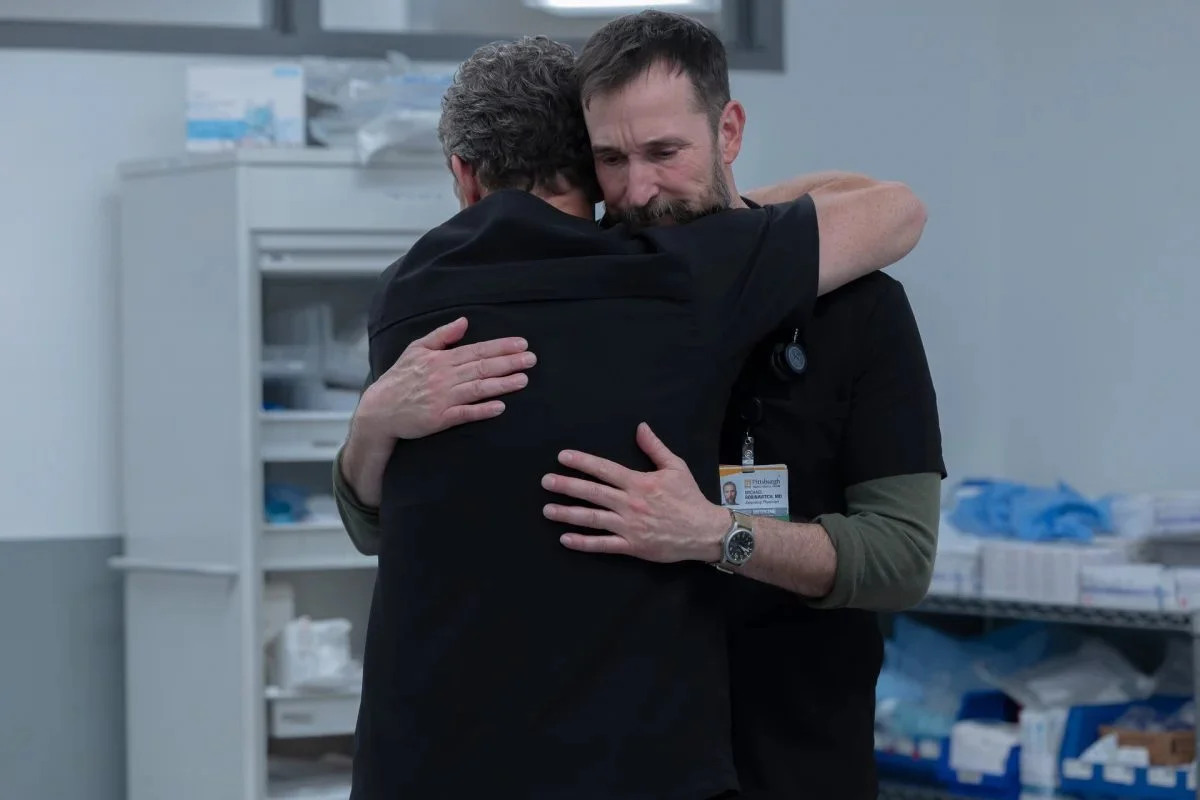
In an era of television defined by fragmented release schedules, multi-year hiatuses, and the “prestige” miniseries format, The Pitt has emerged as a defiant throwback to the golden age of network-style medical drama. With its relentless pacing, deep bench of compelling characters, and a commitment to serialized storytelling that refuses to languish in “development hell,” the series has captured the imagination of audiences and critics alike. As production gears up for its highly anticipated third season, star Noah Wyle and executive producer John Wells have offered a glimpse into the future of the Pittsburgh-based trauma unit, signaling that the high-octane tension fans have come to love is far from subsiding.
The State of the Ward: Main Facts and Production Timeline
The survival of the modern medical drama relies on a delicate balance: the technical precision of the operating room paired with the messy, often volatile personal lives of those wearing the scrubs. The Pitt has mastered this equilibrium, providing a gritty, unvarnished look at the realities of emergency medicine.
Following a successful second season that solidified its status as a powerhouse in the genre, the show is officially returning to the floor. According to recent reports, production on the third season is slated to commence in June 2026. This aggressive production schedule is a hallmark of the series, ensuring that fans are not left waiting years between story arcs. By maintaining this rapid cadence, the showrunners have successfully mirrored the frantic, non-stop nature of the emergency room environment they depict on screen.
Director and executive producer John Wells has confirmed that the show is adhering to its established release pattern. With cameras rolling this summer, the series is locked in for a January 2027 premiere. This consistency is a strategic victory for the show, as it continues the tradition of running from January through April, allowing the narrative to build momentum through the winter months, much like the medical procedural classics of the early 2000s.
A Seasonal Shift: The Narrative Landscape of Season 3
The heartbeat of any medical drama is its sense of place and time. For the upcoming third season, the creative team has made a deliberate choice to ground the narrative in a specific, high-pressure window of the calendar.
Noah Wyle, the veteran actor whose presence anchors the series, recently pulled back the curtain on the show’s temporal setting. "We’re about to start production on Season 3," Wyle stated. "It’s set in early November, just before the holidays, ushering in a whole new set of emergencies and confrontations and complications."
This specific setting—the weeks leading up to the holiday season—is a masterstroke in narrative tension. November serves as a transitional period in trauma centers, where the influx of seasonal illness, the beginning of severe weather-related injuries, and the mounting stress of the impending holidays converge. By choosing this moment, the writers are positioning the medical team to deal with a unique set of variables: the fatigue of a long year, the isolation of the staff, and the sudden spikes in patient volume that typically characterize late autumn in a bustling city like Pittsburgh.
Examining the Veterans’ Perspective
While speculation has naturally gravitated toward the Thanksgiving holiday—a period historically rife with drama in television history—the mention of early November opens the door to other significant touchpoints. Specifically, the proximity to Veterans Day provides a thematic anchor for the series.
The Pitt has consistently distinguished itself by exploring the intersection of military experience and civilian medicine. The presence of characters such as Dr. Robby’s close associate, Duke Ekins, has allowed the show to delve into the psychological and physical scars carried by veterans. By grounding the early episodes of Season 3 in November, the showrunners have the opportunity to lean further into these narratives. Whether the show focuses on the specific stressors of the holiday season or utilizes the military-themed calendar to highlight the struggles of its veteran characters, the choice of setting suggests a season that is as much about the internal battles of the staff as it is about the patients on their gurneys.
Official Responses and Strategic Implications
The decision to maintain a rigid, predictable release cycle is a calculated move in the modern streaming and broadcast landscape. John Wells, a veteran of the genre who helped define the aesthetic of modern medical television, understands that audience retention is built on reliability. By confirming a January 2027 launch, the production is signaling confidence in its material and respect for its audience.
"The goal has always been to provide a consistent experience," said a representative close to the production. "The audience for The Pitt values the high stakes and the character development. By keeping our production cycle tight, we ensure that the narrative momentum is never lost."
The implications of this for the broader television industry are significant. In a market where viewers are often forced to choose between short-lived, high-budget epics or reality television filler, The Pitt stands as proof that the classic medical drama model still holds immense value. Its success suggests that audiences crave the “procedural comfort” of a well-told medical story that doesn’t sacrifice character complexity for the sake of the “binge-watch” format.
The Road Ahead: What to Expect in the New Season
As the production team moves into the pre-production phase this June, the questions surrounding the character arcs become increasingly urgent. The Season 2 finale left several threads dangling, particularly regarding the interpersonal dynamics of the trauma unit.
The Impact of the Season 2 Cliffhangers
Season 2 ended on a note of professional and personal exhaustion for the staff. The transition into November in Season 3 suggests that the characters will be dealing with the long-term fallout of those events. With only a few months having passed in the show’s internal timeline, the trauma of the previous season will still be raw, providing a fertile ground for the writers to explore how these individuals cope with failure and success in equal measure.
The Logistics of the Holiday Rush
Beyond the character drama, the physical environment of the hospital will play a major role. November in Pittsburgh is synonymous with a shift in the medical landscape. The show is expected to focus on the logistics of the “holiday rush”—an influx of out-of-towners, travelers, and the increased medical emergencies that accompany the change in weather. This provides the technical foundation for the show’s trademark “realistic approach,” ensuring that the surgeries and diagnostic procedures remain as grounded in medical reality as the interpersonal conflicts are in human emotion.
A Renewed Commitment to Realism
At its core, the show’s brilliance lies in its ability to depict the "heroes" of the emergency room as flawed, tired, and deeply human individuals. As production for the third season begins, the focus remains on capturing the authentic cadence of a trauma ward. The production team has indicated that they are working closely with medical consultants to ensure that the influx of new, complex cases remains true to the actual procedures and challenges faced by medical professionals in the real world.
Conclusion: The Endurance of the Medical Drama
As The Pitt prepares to enter its third year, it remains a rare beast in the current television ecosystem. It is a show that understands the power of a long-form narrative—a show that allows characters to breathe, evolve, and occasionally break under the weight of their responsibilities.
By grounding its third season in the volatile, high-stakes environment of November, and by adhering to a release schedule that values the audience’s time and dedication, The Pitt is positioning itself to be more than just a passing trend. It is cementing its legacy as a pillar of the genre.
When the lights go up in January 2027, the audience will be ready to return to the halls of that Pittsburgh hospital, not just to see the latest medical miracle, but to see how the people tasked with saving lives find the strength to navigate their own. In the end, that is what makes The Pitt essential viewing—it is a mirror held up to the very best and most difficult aspects of the human experience. With production starting this June, the wait is almost over, and for those who have followed the journey from the beginning, the promise of a new season is a welcome return to the familiar, chaotic, and deeply moving pulse of the emergency room.












No comments yet. Be the first to join the conversation!