Nana Muazin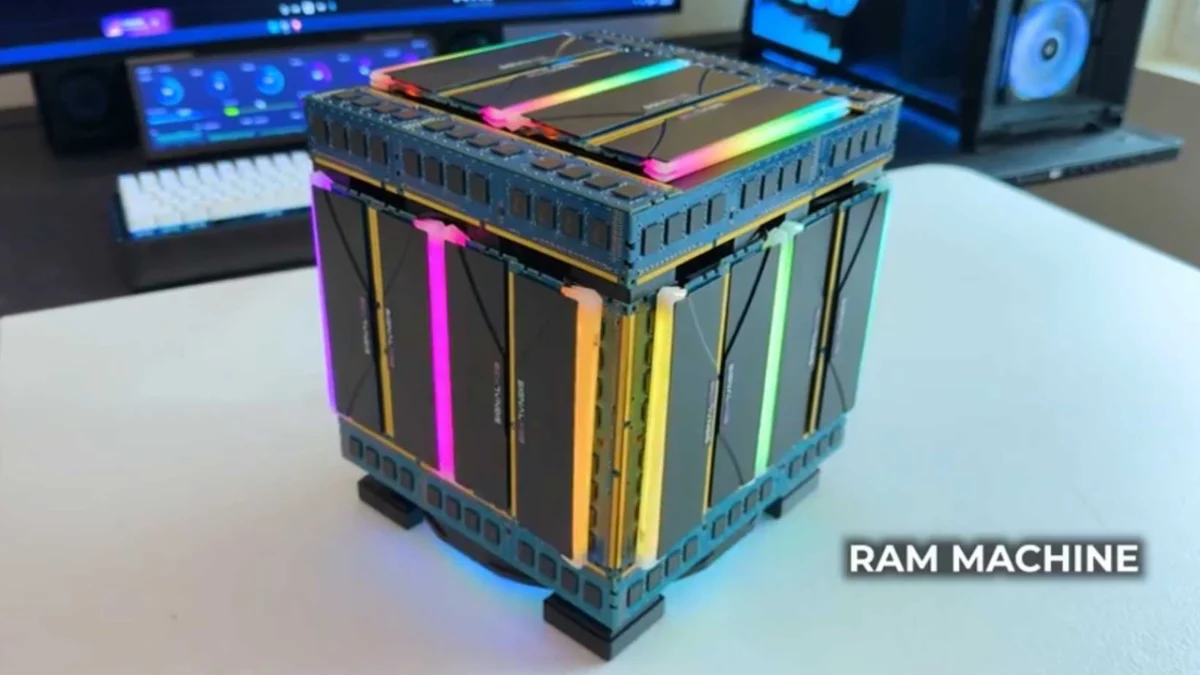
In the sprawling, often chaotic ecosystem of PC modding, few things garner as much attention as a project that defies convention. Recently, the Reddit community—specifically the r/PcBuild subreddit—was set ablaze when a user known as u/DaKrazyKid unveiled a bespoke mini-ITX gaming PC nicknamed the "RAM Machine."
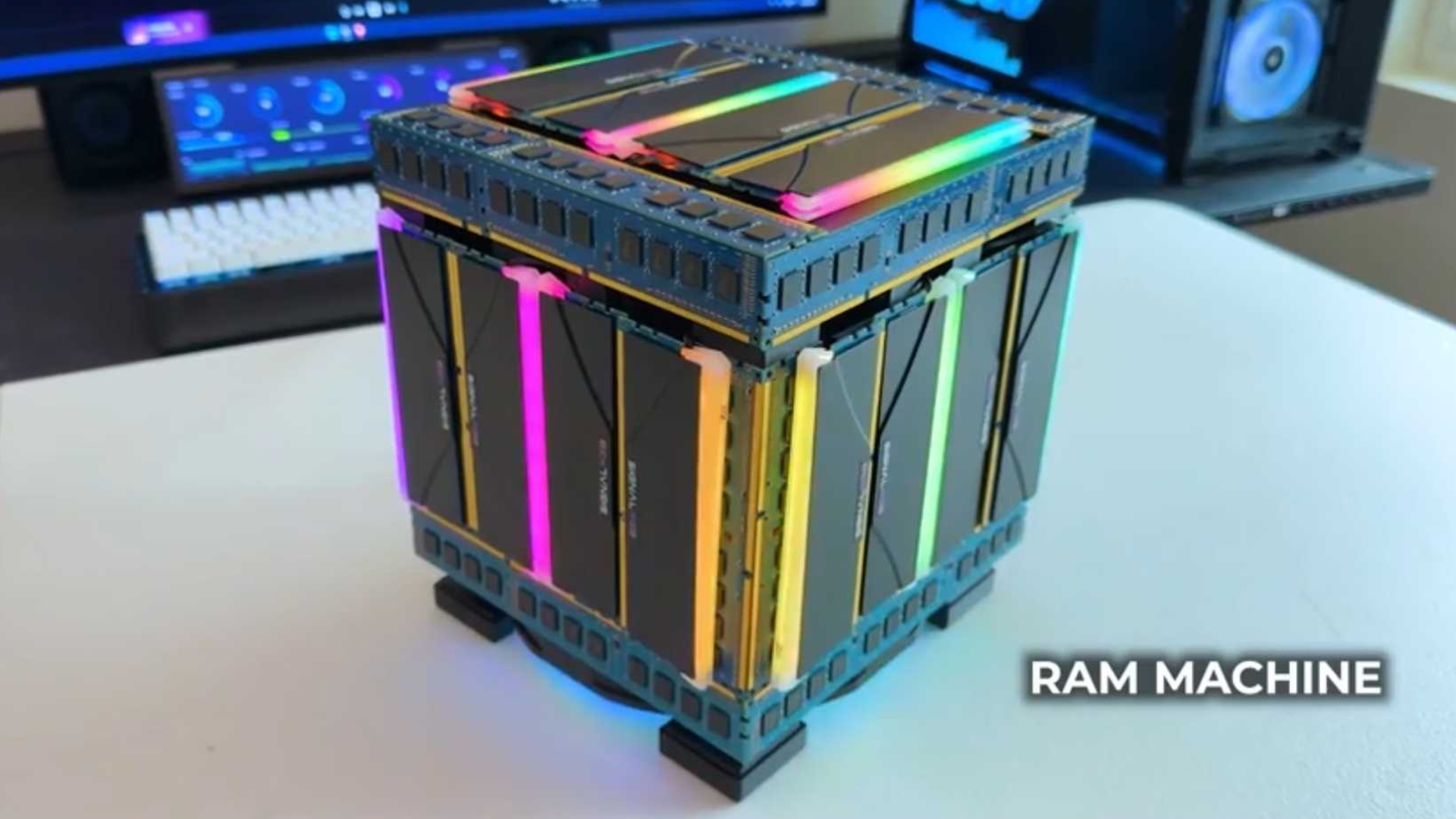
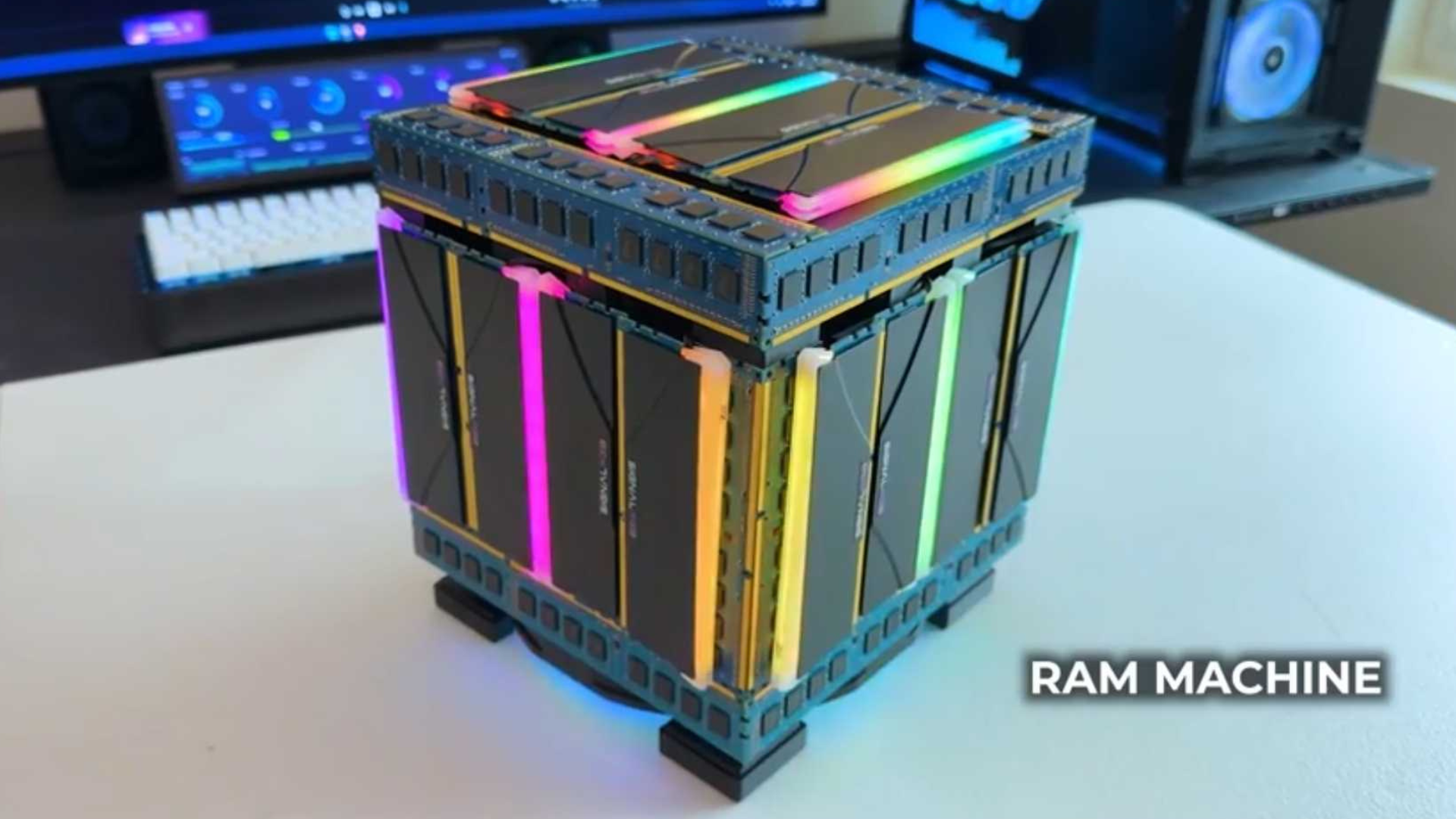
While the system is undeniably a functional gaming rig, its true purpose is theatrical. Featuring a staggering 16 individual sticks of RGB-illuminated RAM, the machine serves as a flamboyant tribute to the history of memory-limited hardware and a testament to the modern capabilities of third-party lighting software. As the machine makes its rounds across the internet, it has become the focal point of a massive giveaway, drawing over 78,000 comments from hopeful enthusiasts looking to claim the unique build for themselves.
The Genesis of the "RAM Machine"
The inspiration behind the RAM Machine is rooted in irony. The creator noted that the project was spurred by the infamous limitations of early Steam Machines, which were often criticized for their meager 16GB of memory—a specification that felt restrictive even at the time of their release. By contrast, the RAM Machine is an exercise in excess, utilizing 16 sticks of high-performance RGB memory to create a visual display that is as much a light show as it is a computer.
The build is controlled by SignalRGB, a popular software utility that allows users to synchronize lighting effects across disparate hardware brands. The result is a fluid, synchronized aesthetic that makes the machine appear as a single, unified piece of hardware rather than a collection of components.
Technical Specifications: Beauty Meets Power
While the "RAM Machine" moniker suggests a focus on memory, the build is far from a one-trick pony. Beneath its glowing exterior lies a competent modern gaming system capable of handling contemporary titles with ease.
The Build Breakdown:
- Processor: Intel Core Ultra 5 series CPU.
- Graphics: A single-fan NVIDIA RTX 5060, providing modern ray-tracing and AI-driven frame generation capabilities.
- Memory: 32GB of high-speed Patriot DDR5-8200 RAM.
- Storage: 2TB Patriot SSD, offering ample room for high-fidelity game installations.
- Motherboard: A compact B860-I mini-ITX board.
- Power Supply: A 750-watt unit, ensuring the system remains stable under load.
According to analysis conducted via PCPartPicker, the cumulative cost of these components exceeds $1,500. This places the system squarely in the mid-range performance tier—a significant upgrade over the original, underpowered Steam Machines that inspired the project. While it may not be optimized for native 4K gaming, it is more than capable of handling high-refresh-rate 1080p gaming and respectable 1440p performance, making it a legitimate prize for any gamer.
A Chronology of Creative Giveaways
The RAM Machine is not an isolated incident; it represents a growing trend of "extreme" custom builds sponsored by SignalRGB. Over the past few years, the company has utilized these unique projects as a marketing vehicle to showcase the versatility of their software.
Previous Notable Builds:
- The Microwave PC (2024): In a project that blurred the lines between appliance and workstation, SignalRGB sponsored a build where a microwave was gutted and retrofitted with a motherboard and GPU. The turntable was repurposed to rotate the components, and the door was turned into a functional display, demonstrating the software’s ability to map lighting to non-traditional hardware layouts.
- The Starfield Control Panel (2023): Capitalizing on the hype surrounding Bethesda’s space epic, this project featured a 3D-printed chassis designed to look like a cockpit console from the game. It was a massive, immersive build that served to highlight how SignalRGB can manage complex, multi-zone lighting patterns in a custom-shaped enclosure.
These builds serve as a masterclass in community engagement. By taking the "boring" aspects of PC hardware—such as motherboard BIOS settings or individual RGB controllers—and turning them into a cohesive, artistic experience, the brand has effectively gamified the act of building a PC.
Supporting Data: The Value of the "RAM Machine"
To understand the gravity of this giveaway, one must look at the current market state for small-form-factor (SFF) builds. Mini-ITX systems carry a "compact tax." Because specialized components like SFF-compatible motherboards, compact GPUs, and high-wattage SFX power supplies are often more expensive than their ATX counterparts, the $1,500 valuation is actually quite conservative.
When compared to the 2015 Steam Machines, which launched with a wide variance in price but consistently disappointed in raw performance, the RAM Machine is a powerhouse. The inclusion of an RTX 5060 alone offers a significant leap in performance per watt, allowing for features like DLSS 3.5 and Frame Generation—technologies that were essentially science fiction when the Steam Machine era began.
Implications for the DIY Enthusiast
The popularity of the RAM Machine giveaway highlights several key trends in the modern PC industry:
1. The Rise of "Software-First" Aesthetics
Hardware is no longer just about clock speeds and core counts. The "aesthetic" of a PC—the lighting, the cable management, and the theme—has become a primary metric for success. Software like SignalRGB bridges the gap between hardware manufacturers (who often have proprietary, siloed lighting software) and the user, creating a universal language for system appearance.
2. The Power of Community Engagement
The fact that over 78,000 individuals have commented on the Reddit thread is a testament to the power of viral marketing. By hosting the giveaway on a platform like r/PcBuild, the organizers have bypassed traditional advertising channels, reaching a highly targeted audience of enthusiasts who are already predisposed to value a custom-built machine.
3. The "Mini-ITX" Resurgence
Small form factor builds have transitioned from a niche hobbyist pursuit into a mainstream desire. The RAM Machine proves that you do not need a massive full-tower case to have a high-performance, visually stunning machine. This shift is driving demand for more compact, high-efficiency components, forcing manufacturers to innovate in the space of thermals and board density.
Official Stance and Sweepstakes Transparency
While the Reddit post serves as the primary hub for the giveaway, the legalities are strictly defined. The sweepstakes includes standard exclusionary language, barring employees, affiliates, and subsidiaries of SignalRGB—as well as their immediate families—from entering. This ensures the integrity of the contest and reinforces the perception that the giveaway is a genuine effort to reward the community.
While there has been some speculation regarding the exact nature of the partnership between u/DaKrazyKid and SignalRGB, the giveaway’s structure aligns with previous corporate-sponsored community events. It is a win-win: the creator gains exposure for their build, and the company demonstrates the power and compatibility of its software.
Final Thoughts: More Than Just RAM
At the end of the day, the RAM Machine is a whimsical response to the technical frustrations of the past. It is an acknowledgment that while we prioritize power and efficiency, we also care deeply about how our machines express our personalities. Whether or not the lucky winner will actually use all 32GB of RAM or appreciate the RGB synchronization is secondary to the fact that the project has successfully sparked a conversation about what it means to be a "PC builder" in 2025.
For the 78,000+ people who entered, the draw is not just about the RTX 5060 or the Intel Ultra 5 chip. It is about owning a piece of community lore—a machine that stands as a beacon of RGB-fueled excess in an era where we often prioritize minimalism. As the industry continues to evolve, projects like the RAM Machine remind us that at its heart, the PC hobby is still, and perhaps always will be, about pushing the limits of what is possible, even if that limit is just "how many RAM sticks can we fit on this motherboard?"

 Nana Wu
 Ammar Sabilarrohman