

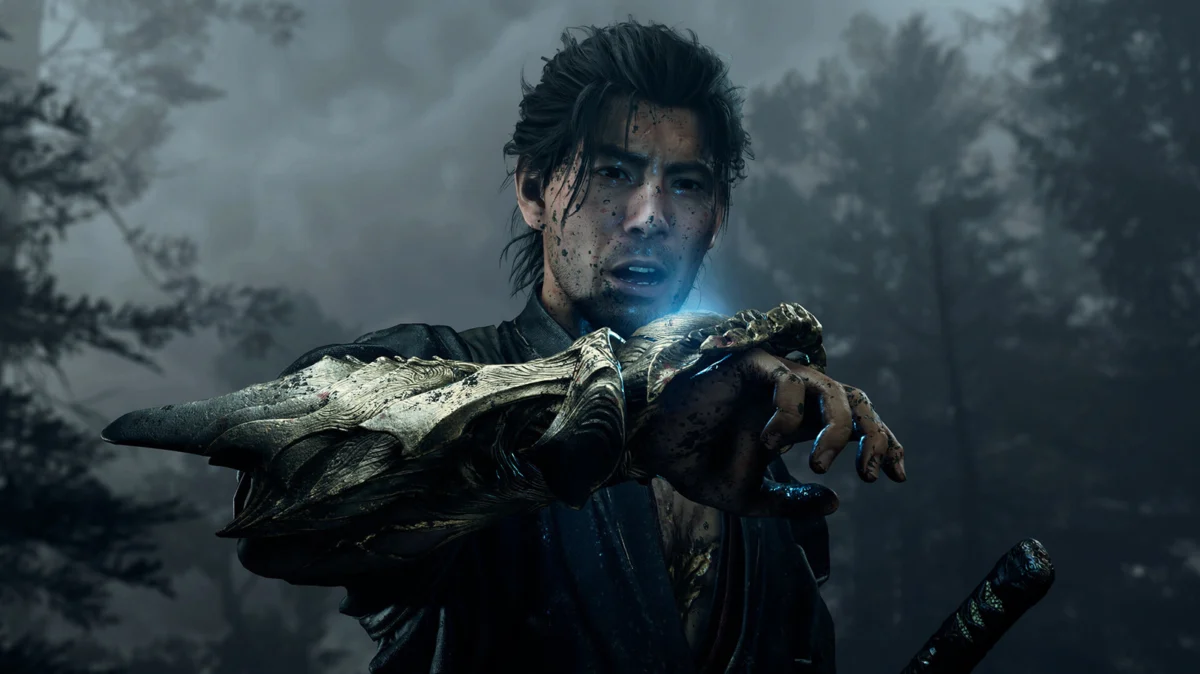
In the fast-paced world of modern gaming, where massive open-world titles and live-service models dominate the fiscal landscape, Capcom has charted a surprisingly effective alternative course. By balancing the development of original intellectual property with the tactical resurrection of its most beloved dormant franchises, the Japanese gaming titan has solidified its position as an industry leader. The latest catalyst for this shift is the explosive launch of Onimusha: Way of the Sword, which achieved a remarkable milestone by selling over one million copies within its first 24 hours of availability.
This runaway success has sent a clear signal to Capcom’s leadership and shareholders alike: there is an immense, untapped appetite for the return of classic gaming experiences. Consequently, the company has officially confirmed a pivot in its long-term strategy, prioritizing the "re-activation" of legacy IPs that have sat idle for years.
The Chronology of a Comeback: From Dawn of Dreams to the Present
To understand the magnitude of Onimusha: Way of the Sword, one must look at the timeline of the series itself. The franchise was a pillar of the PlayStation 2 era, defining the survival-horror-meets-action genre. However, after the release of Onimusha: Dawn of Dreams in 2006, the series effectively entered a period of hibernation that lasted nearly two decades.
The path back to prominence was not a straight line. For years, fans speculated about a return, fueled by occasional rumors and the persistent success of Capcom’s other major franchises. The roadmap for this revival began with a careful testing of the waters. By remastering older titles and gauging digital storefront engagement, Capcom began to identify which dormant IPs retained the strongest "brand equity" among modern audiences.
The decision to launch Onimusha: Way of the Sword—and notably, to shift its release window specifically to avoid the competitive saturation of the impending Grand Theft Auto VI launch—demonstrates a newfound maturity in Capcom’s marketing and distribution strategy. The success of this release, combined with the momentum from Resident Evil: Requiem and the critical reception of Pragmata, suggests that Capcom has mastered the art of pacing its major releases to maximize consumer attention.
Supporting Data: A Portfolio of Powerhouses
Capcom’s decision to revisit its back catalog is not merely a sentimental choice; it is a data-driven business move. The company possesses one of the most enviable libraries in the gaming industry, and the numbers back up the decision to mine it.
- The Power of Legacy: The Devil May Cry series stands as the company’s fifth most successful franchise, boasting over 41 million units sold across its lifespan. With the last mainline entry, Devil May Cry 5, arriving in 2019, the franchise is arguably ripe for a new installment.
- The Courtroom Appeal: Ace Attorney, a series with a cult-like following and 15 million units sold, has been dormant in terms of new mainline entries for nearly a decade. Its consistent performance in bundle sales and mobile ports suggests a massive, stable player base waiting for a revival.
- The Dinosaur Dilemma: Dino Crisis, perhaps the most requested revival in the company’s history, has remained untouched since 2003. However, recent movements—including the inclusion of Dino Crisis 2 in the PlayStation Plus Game Catalog and a concerted push to bring the original titles to Steam—serve as a "soft launch" strategy to prime the audience for a potential full-scale remake or sequel.
These figures illustrate a clear pattern: Capcom is using lower-risk methods (remasters, bundles, and digital re-releases) to gauge interest before committing to the high-budget development of a new sequel.
Official Responses and Strategic Vision
In a formal press release addressing the blockbuster launch of Onimusha: Way of the Sword, Capcom’s executive team was explicit about their future trajectory. The company noted, "In addition to regularly releasing major new titles each year, Capcom is focusing on re-activating IPs that haven’t had a new title launch recently. The company is working to further maximize corporate value by leveraging its rich library of content, including this title."
This statement is significant because it highlights a dual-track approach. Capcom is not abandoning innovation; the success of Pragmata proves they are still willing to take risks on new ideas. Instead, they are layering their strategy. By ensuring that their fiscal year is punctuated by both "New IP" (the growth engine) and "Legacy IP" (the stability engine), they mitigate the risks associated with the high cost of modern AAA development.
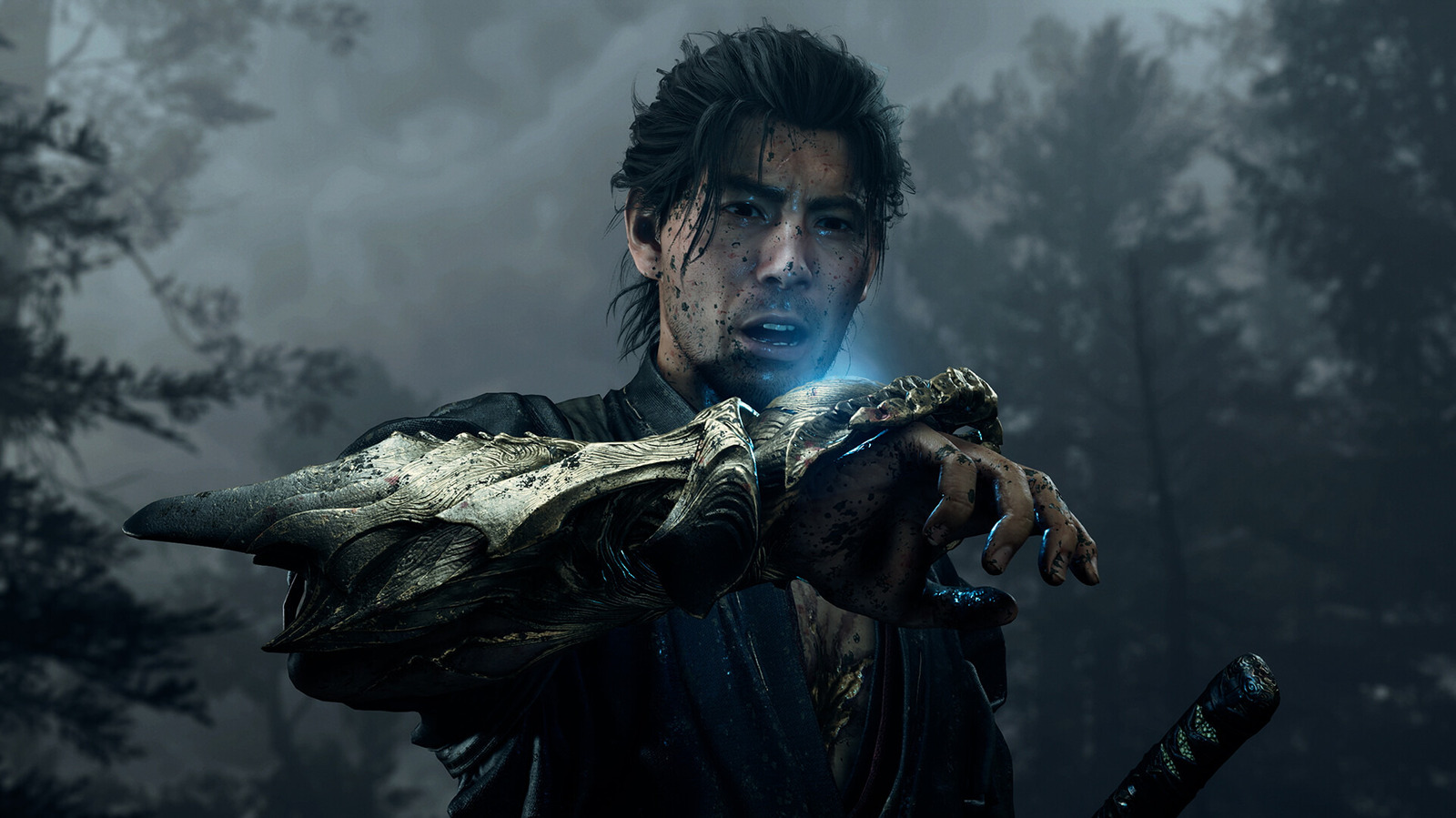
The executive sentiment suggests that this is not a temporary trend but a core pillar of their "corporate value" philosophy. They recognize that their legacy titles are not just old products; they are assets that provide an immediate connection to millions of consumers who grew up with the brand.
The Implications: What Does This Mean for the Industry?
The implications of Capcom’s "Legacy Strategy" are profound for the broader gaming landscape.
1. The Death of the "Dead" Franchise
For years, the industry narrative suggested that if a game hadn’t seen a sequel in a decade, it was effectively abandoned. Capcom is proving that in the digital age, an IP is never truly dead. With the ability to distribute globally via digital storefronts, the cost of keeping a franchise alive is lower than ever, and the potential for a massive, day-one "revival" event is higher than ever.
2. Market Saturation and Consumer Choice
By diversifying their output, Capcom is positioning itself to cater to different segments of the market. While the younger demographic might be drawn to the experimental nature of Pragmata, the long-time veteran gamers are being served by the return of Onimusha and the rumored Okami sequel. This cross-generational appeal is a defensive moat that few other publishers have successfully built.
3. The Remake/Remaster as a Bridge
We are entering an era where the distinction between a "remaster" and a "new entry" is becoming the primary tool for publishers. By releasing a Dead Rising remake, for example, Capcom is essentially conducting a massive, multi-million dollar market study. If the remake sells well, the business case for a completely new Dead Rising game becomes bulletproof. This de-risks the creative process and ensures that development budgets are being spent on titles that already have proven demand.
Looking Ahead: Which Sleeping Giants Will Wake?
As the industry looks toward the next five years, the focus will undoubtedly shift to which titles are next on the docket.
- Lost Planet: While the series has been on ice since 2013, it occupies a unique space in the third-person shooter genre. Its return could fill a void in the current market for high-octane, sci-fi action.
- Mega Man: With Mega Man: Dual Override already in the public consciousness, the company is proving it can balance its 2D roots with modern technical standards.
- The "Big Two": Most eyes remain on Devil May Cry and Ace Attorney. Given the current trajectory of the company, a new mainline entry in either series would likely be treated as a major global event.
Conclusion
Capcom has effectively unlocked a "cheat code" for the gaming industry: the power of nostalgia combined with modern production values. By treating their back catalog as a living, breathing resource rather than a graveyard of old software, they have created a sustainable model that rewards the player and the shareholder alike.
Onimusha: Way of the Sword is not just a success story for one game; it is the opening chapter of a new era for Capcom. As they continue to bridge the gap between their storied past and a technologically advanced future, one thing remains certain: the giants of the past are waking up, and they are arriving in better shape than ever.











