Asro
Asro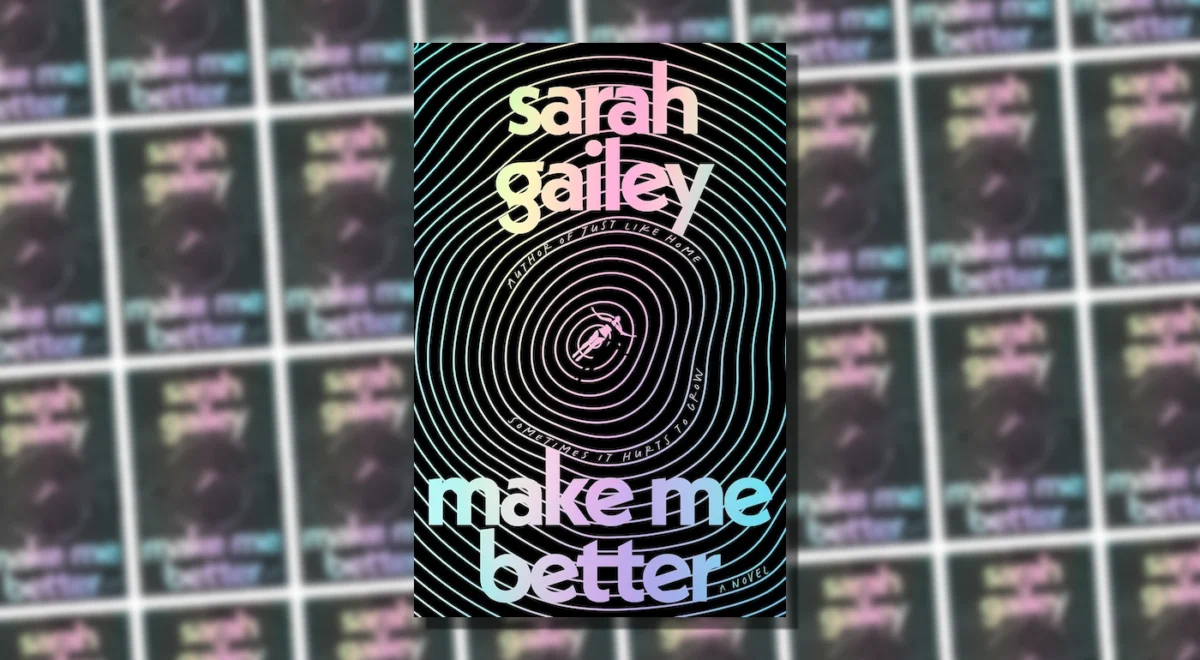
The question of whether a group is a "murder cult" is a perennial specter in contemporary fiction, a narrative device that taps into our deepest anxieties about isolation, belonging, and the search for psychological relief. We see it in the sun-drenched, blood-soaked meadows of Ari Aster’s Midsommar, in the unsettling, New Age-adjacent dynamics of Yellowjackets, and in the bizarre, meteoric-fueled fanaticism of Vladimir Sorokin’s Ice Trilogy.
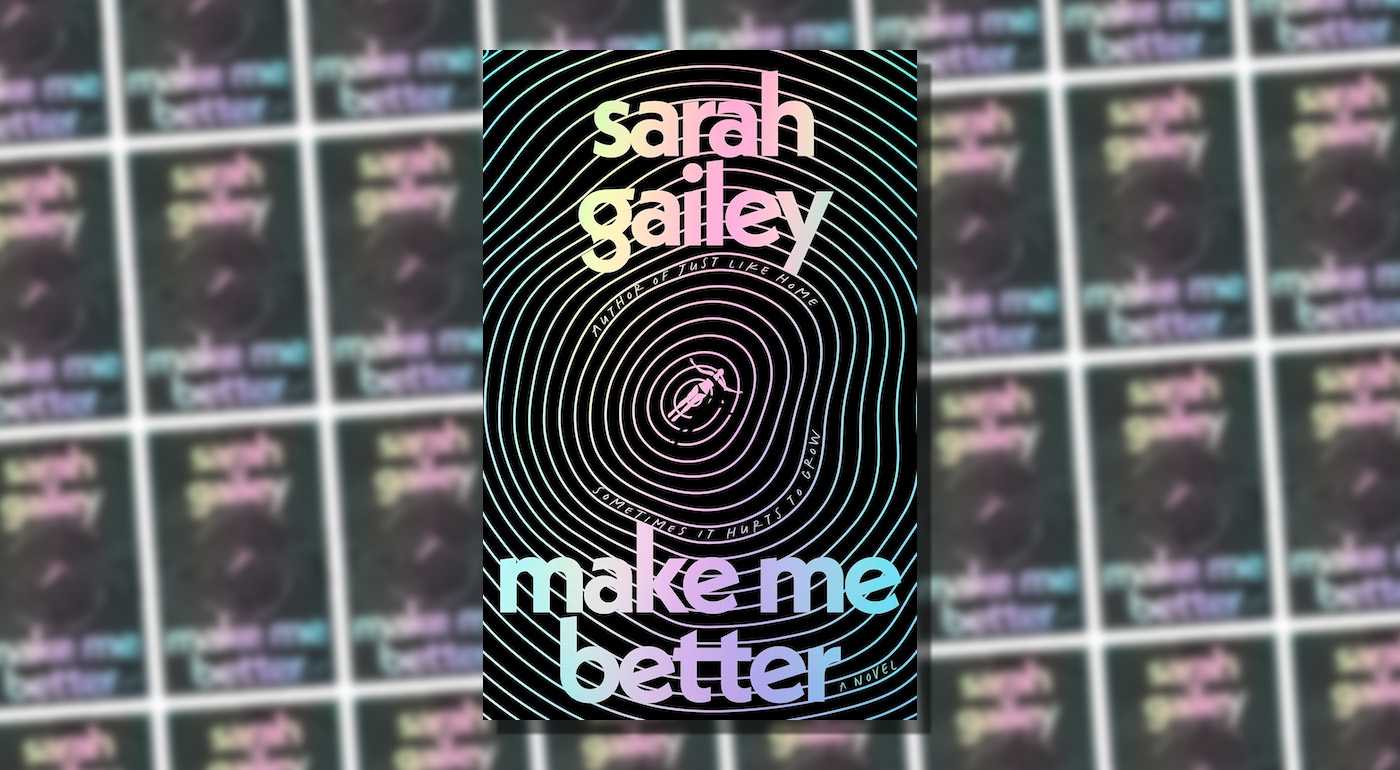
When characters seek salvation in the arms of a reclusive collective, readers are conditioned to wait for the other shoe to drop—to anticipate the moment when the smiles fade, the rhetoric turns sharp, and the promise of a "better life" curdles into something terminal. In Sarah Gailey’s latest novel, Make Me Better, this tension is not merely a subplot; it is the very architecture of the narrative.
The Premise: Kindred Cove and the Promise of Restoration
The story centers on Celia, a woman adrift in the wake of profound personal tragedy. A lifestyle influencer whose home is a curated museum of products from network marketing schemes, Celia is struggling with the emotional toll of recurring miscarriages and an encroaching sense of existential loneliness. Seeking a respite from the sterility of her modern life, she embarks on a journey to Kindred Cove, an island shrouded in mystery and marketed as a destination of profound, almost miraculous, therapeutic potential.
Celia’s arrival coincides with the island’s annual Salt Festival, a restricted event that promised to be the catalyst for her transformation. She is not the first in her circle to be drawn to the island’s shores; her friend Adelaide preceded her by six months, drawn by ancestral roots that she felt compelled to reclaim. Celia arrives with a singular, desperate goal: to find the community, belonging, and familial fulfillment that have eluded her in the outside world.
Chronology of a Disquieting Arrival
To understand the trajectory of Make Me Better, one must look at the dual-timeline structure Gailey employs. The narrative unfolds through two primary threads that eventually converge, creating a disorienting, layered experience for the reader.
- The Antecedent Period (Six Months Prior): Through a series of carefully placed flashbacks, we witness Adelaide’s initial return to Kindred Cove. This thread serves as the reader’s window into the "before." It establishes that the island is not a blank slate but a society with its own rigid, often alienating, environmental ethics. Adelaide, despite her connection to the place, finds herself increasingly stifled, providing a necessary foil to Celia’s wide-eyed optimism.
- The Festival Present: The primary narrative tracks Celia’s immersion into the island’s culture under the guidance of a resident named Easy. This period is marked by a slow-drip accumulation of unease. Celia is introduced to the "menacing therapeutic"—a specific style of rhetoric used by the islanders to validate her pain while simultaneously tethering her to their ecosystem.
Supporting Data: The Rhetoric of the "Menacing Therapeutic"
Central to the novel’s atmosphere is the character of Easy, whose dialogue serves as a masterclass in gaslighting disguised as empathy. When Easy consoles Celia, the language is pointedly hollow, designed to isolate the subject while appearing to provide comfort:
"You fell, and then you got back up, and now look at you. Walking on your own two feet. I’ll bet that five minutes ago, when you were flat on your back you thought you’d never be moving forward again. Do you know what I see when I look at you now? You’ll figure it out. I know you will."
This phrasing—the classic "helpful" void—is a hallmark of the cult-adjacent drama. It is a rhetorical trap. By suggesting that Celia is on the verge of a breakthrough, Easy encourages her to abandon her critical faculties in favor of the group’s perceived wisdom. Later, the promise that "You never have to be all alone again" serves as the final snare, triggering the familiar, clanging alarm bells of psychological entrapment.
Environmental and Symbolic Clues
As the narrative progresses, Gailey introduces subtle, disquieting motifs that signal a departure from the benign:
- The Discarded Relics: Celia discovers remnants—discarded objects and signs of trauma—that suggest a history far more violent than the island’s pastoral facade would suggest. While the characters claim these are products of their barefoot lifestyle or reef-tending duties, the ambiguity is deliberate and chilling.
- Feeding the Reef: The recurring mention of "feeding the reef" acts as a rhythmic, ominous refrain. While the phrase has a literal, ecological explanation, within the context of the novel’s mounting dread, it functions as a metaphor for the sacrifice required to maintain the island’s equilibrium.
- The Old House: The presence of a specific structure, capitalized in the narrative as "the Old House," functions as a classic horror trope—a physical manifestation of the island’s dark, buried history.
Official Interpretations: Pacing and Genre Subversion
Critically, Make Me Better is being analyzed as a "chamber epic." Gailey eschews the breakneck pace of traditional thrillers in favor of a deliberate, slow-building atmospheric weight. The pacing is designed to mimic the disorientation of the protagonist; as Celia loses her grip on the reality of the outside world, the reader loses their grip on the genre conventions they assumed they were reading.
One of the most profound narrative risks taken by Gailey is the subtle suggestion that the story is set in the near future. This is not a dystopian novel in the traditional sense, but the subtle, futuristic undercurrents serve to "unmoor" the reader. It forces a realization that the systemic issues Celia is fleeing—the commercialization of wellness, the commodification of grief, and the rise of digital-age isolation—are not just current, but are destined to escalate.
Implications: The Cautionary Tale
The implications of Make Me Better extend beyond the confines of the island. By framing the story around a woman who is a "lifestyle influencer," Gailey comments on the modern obsession with self-optimization. Celia’s search for a "better" version of herself is not just a personal quest; it is a symptom of a culture that commodifies trauma and sells community as a premium subscription service.
The novel suggests that the "cult" is not necessarily a group of hooded figures in a forest, but any system—corporate, social, or wellness-based—that demands the surrender of the individual to the collective narrative. The "danger" on Kindred Cove is not just a physical threat; it is the threat of erasure.
In the final analysis, Make Me Better succeeds because it refuses to provide easy answers. Is Kindred Cove a place of healing or a place of consumption? Is Celia a victim or a willing participant in her own indoctrination? By refusing to provide a binary resolution, Gailey elevates the work from a standard thriller to a complex, haunting examination of the human condition in the 21st century.
Make Me Better is published by Tor Books and is currently available for purchase. For those interested in an early look at the narrative’s tone and prose, an excerpt is available on the Reactor Mag website.


 Nila Kartika Wati
 Siti Muinah