

Just thirty minutes from the bustling urban center of Nagasaki City lies a tranquil escape that feels worlds away. Iojima Island, known locally as Oki-no-shima, has undergone a profound transformation over the last century, evolving from a gritty, industrious coal-mining hub into a premier luxury resort destination. Whether you are a history buff, a wellness seeker, or simply a traveler in search of the perfect sunset, Iojima offers a multifaceted experience that balances its deep-rooted cultural heritage with the modern comforts of the 21st-century tourism industry.
The Evolution of Iojima: From Coal Mines to Coastal Paradise
Main Facts and Geographic Significance
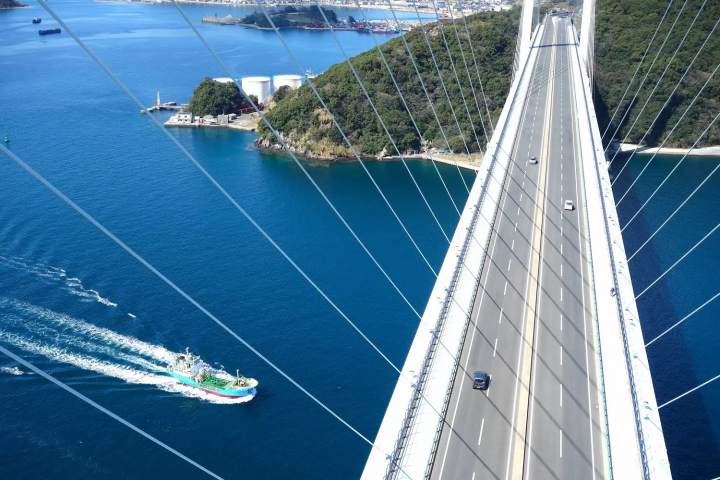
Iojima is a compact, accessible island connected to the Nagasaki mainland by a scenic bridge, though it remains reachable via a 20-minute ferry ride that provides a picturesque introduction to the island’s coastline. Once the lifeblood of the local economy, the island’s coal-mining industry defined the rhythm of life for generations. However, as Japan shifted away from coal in the mid-to-late 20th century, Iojima faced the same existential challenges as many other remote regions.
The island’s strategic decision to pivot toward tourism has been a resounding success. Today, the centerpiece of this transformation is i+Land nagasaki, an expansive, high-end entertainment complex. This resort has not only modernized the island’s infrastructure but has also preserved its environmental beauty, creating a sanctuary that attracts both international visitors and local residents seeking respite from city life.
A Chronology of Resilience
To understand Iojima, one must appreciate its layered history:
- 1866: The Edo Treaty is signed, leading to the construction of eight lighthouses across Japan, including the historic beacon on Iojima.
- 1871: The Iojima Lighthouse is officially lit, marking the dawn of Western-style maritime navigation in the region.
- 1920s–1930s: The island thrives as a bustling coal-mining site. During this era, the foundations of the island’s religious architecture are laid as the community builds small, hidden chapels.
- 1931: The iconic Magome Catholic Church is constructed, reflecting the island’s unique history as a refuge for Christians during periods of religious persecution.
- 1945: The island sustains damage during the atomic bombing of Nagasaki. The original hexagonal lighthouse is partially destroyed, later replaced by a square concrete structure.
- 2003: A major restoration project returns the Iojima Lighthouse to its original, historic hexagonal form, symbolizing the island’s commitment to preserving its legacy.
- Present Day: Iojima functions as a premier resort island, blending its rich cultural artifacts with world-class wellness spas and hospitality.
The Cultural Heart: Magome Church and Historical Legacy
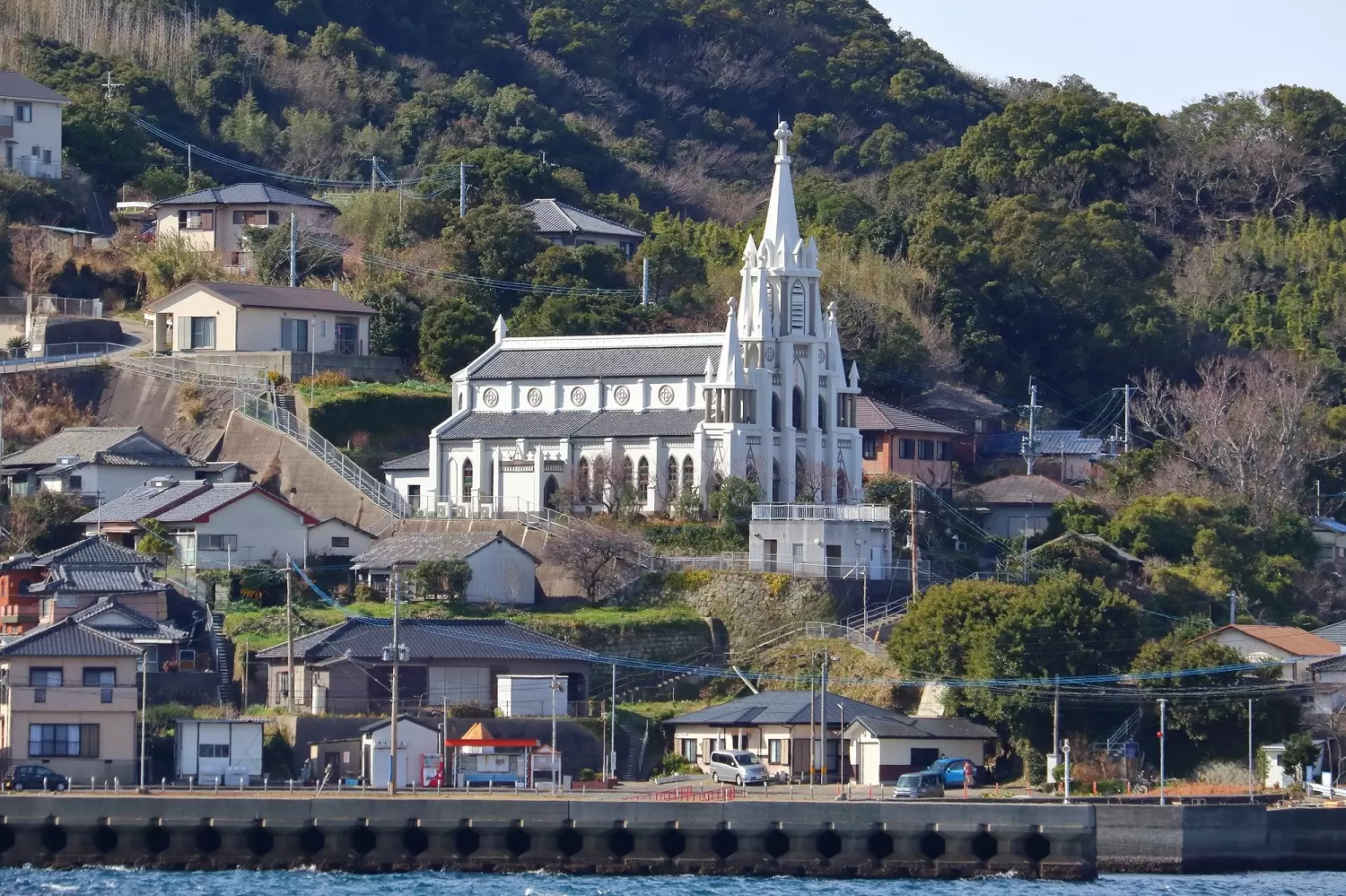
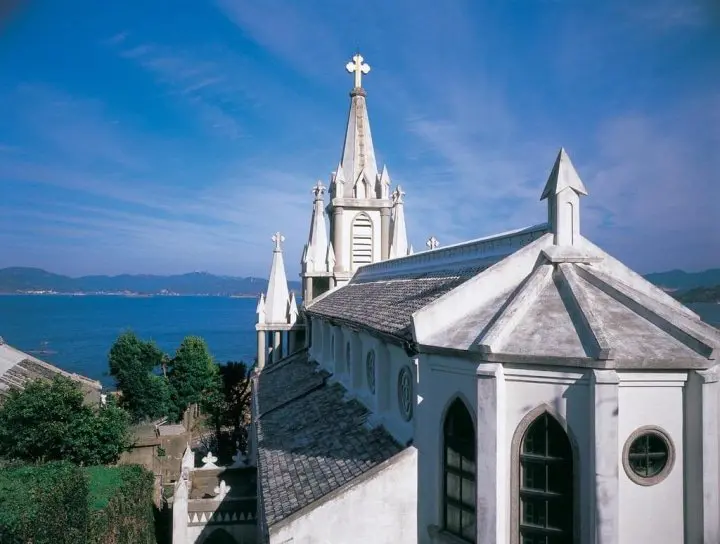
Iojima’s history is inextricably linked to the “Hidden Christians” of Japan. For centuries, the island provided a remote, sheltered environment where faith could be practiced away from the eyes of authorities. The Magome Catholic Church stands as the most poignant symbol of this era.

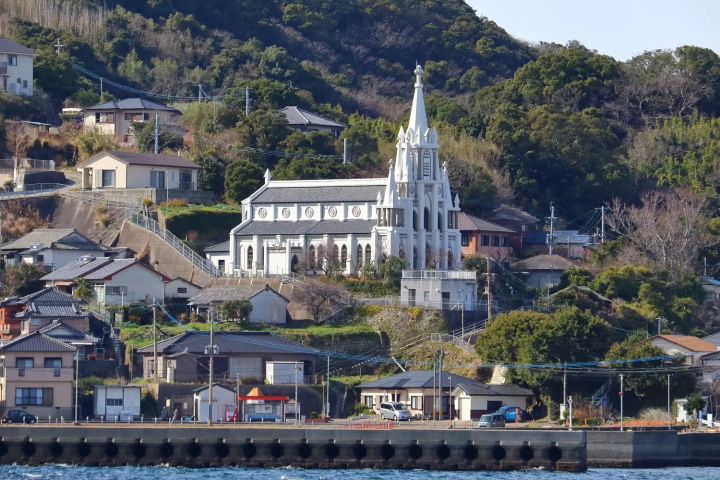
Originally established as the Shiiyama Chapel—a humble, wooden structure built by local believers—the site evolved into the current Gothic-style edifice through the dedication of resident priests and the community. Despite being battered by typhoons in the early 1930s, the church has been meticulously rebuilt and is now a Registered Tangible Cultural Property of Japan. It is not merely a tourist attraction; it remains a living, breathing house of worship that hosts weddings and funerals, offering a quiet space for reflection amidst the island’s natural beauty.
The Maritime Sentinel: The 150-Year Legacy of the Iojima Lighthouse
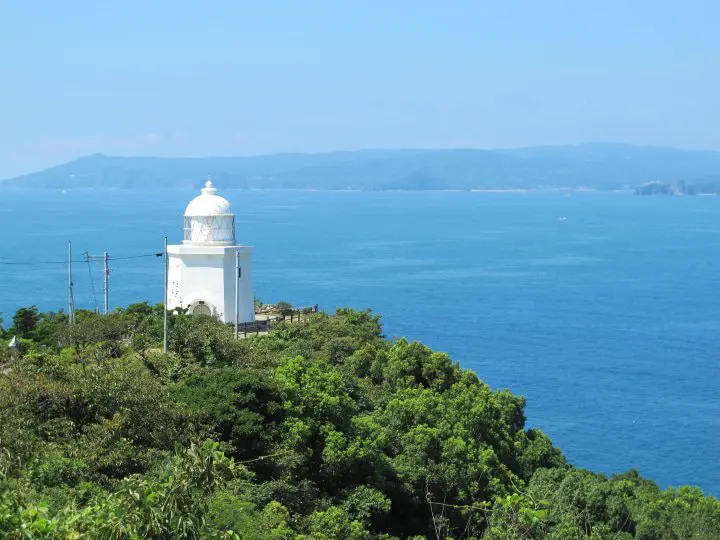
The Iojima Lighthouse is more than a navigational tool; it is an architectural landmark. As Japan’s first hexagonal iron lighthouse, it represents the technical ingenuity of the Meiji era. The structure serves as a reminder of the 1866 Edo Treaty, which sought to modernize Japan’s coastal defenses and trade routes.

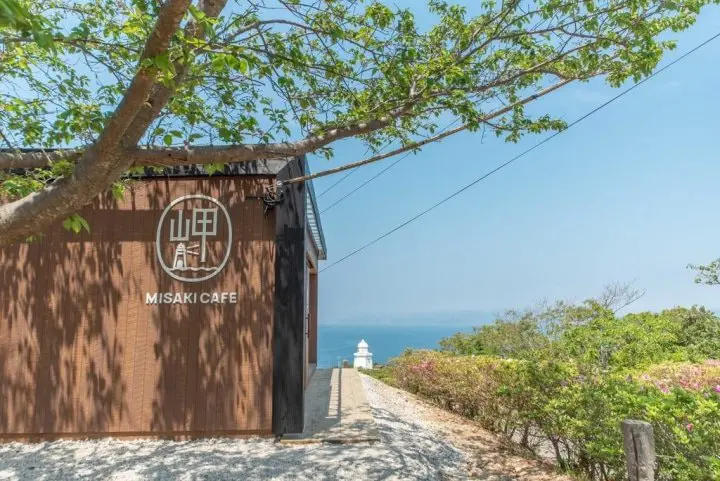
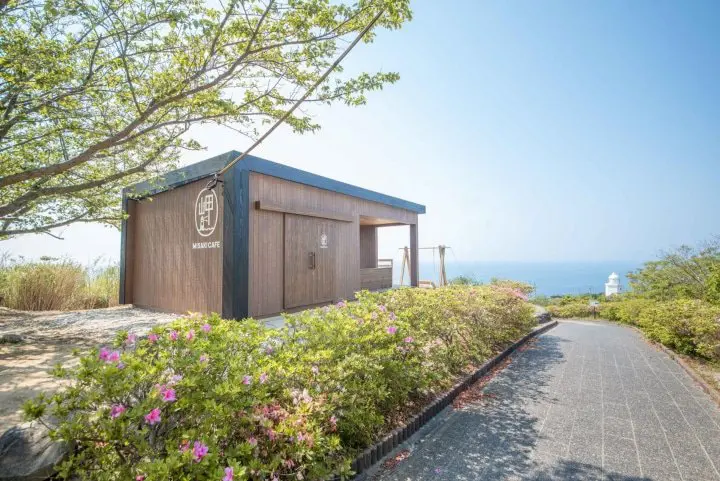
Visitors to the lighthouse are treated to a panoramic view of the East China Sea. The contrast between the stark white lighthouse and the deep, azure waters of the Pacific makes this one of the most photographed spots in Nagasaki. The site is a testament to resilience, having survived the tremors of the 1945 bombing and the relentless wear of over a century of maritime storms. Nearby, the Misaki Cafe offers a place to rest, allowing travelers to sit in the shade of history while watching ships traverse the entrance to Nagasaki Port.
The Wellness Economy: Ark Land Spa
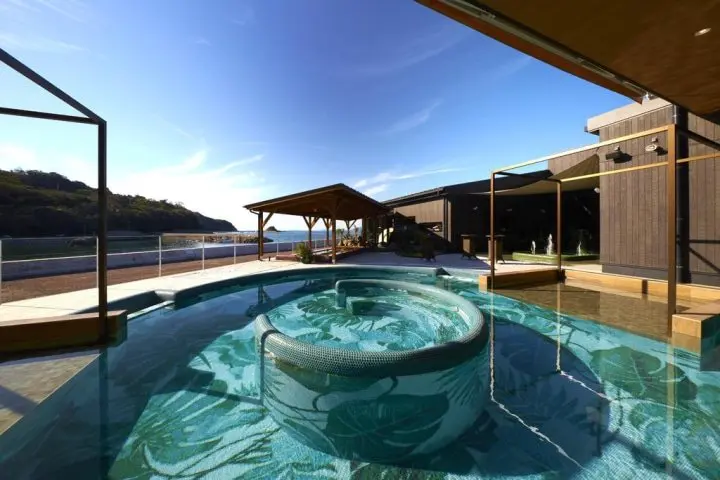
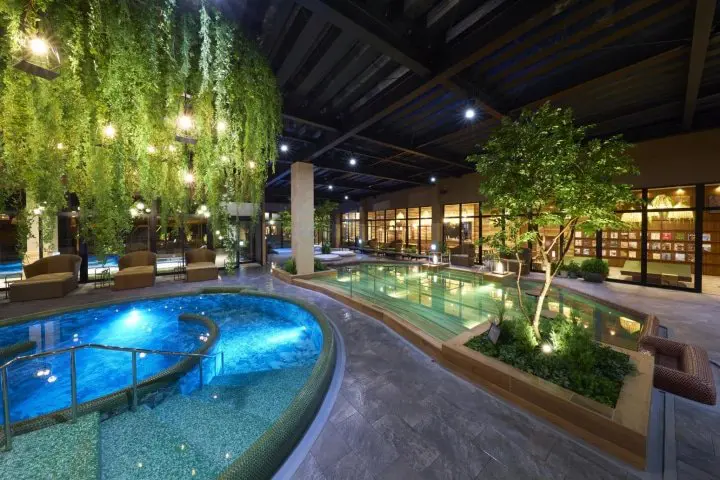
The modern allure of Iojima is anchored by the Ark Land Spa, which has set a new benchmark for wellness in the Kyushu region. As part of the i+Land nagasaki resort, the facility draws on natural thermal waters rising from 1,180 meters beneath the earth’s surface.

Supporting Data on Wellness Facilities:
- Variety of Experience: The spa features three distinct rock baths, an indoor soaking area, and open-air baths that offer sweeping ocean views.
- Therapeutic Innovation: A standout feature is the Thai herbal sauna, which utilizes a blend of over 20 medicinal herbs to provide a sensory, restorative experience.
- Year-Round Accessibility: Designed for comfort regardless of the season, the spa is entirely swimsuit-friendly, making it a social, inclusive destination for families and couples alike.
- Integrated Relaxation: The facility includes a quiet reading lounge, encouraging guests to disconnect from digital devices and engage in “slow travel.”
Curated Experiences: The Cafe Culture of Iojima
Iojima’s tourism strategy relies heavily on the "slow life" philosophy, which is best exemplified by its two primary cafes:
- Misaki Cafe (The Sunset Specialist): Situated near the lighthouse, this cafe is optimized for the evening hours. Because it closes as the sun sets, it creates a sense of urgency and beauty that forces visitors to stop and observe the natural transition of the day. The experience of sipping Japanese tea while watching the sky turn shades of amber and violet is widely considered the highlight of a trip to Iojima.
- MINATO CAFE (The Morning Ritual): Located in the heart of the island, this establishment serves as the morning counterpoint to the Misaki Cafe. It focuses on the artisanal craft of coffee, allowing guests to witness the grinding of fresh beans. It is the ideal place to fuel up before a morning of cycling or coastal hiking.
Implications for Future Tourism
The success of Iojima provides a blueprint for other Japanese islands struggling with the decline of primary industries. By focusing on "high-value" tourism rather than mass tourism, Iojima has managed to maintain its tranquil, resort-like atmosphere without sacrificing its historical identity.
Official tourism data from Nagasaki Prefecture suggests that the integration of wellness (Ark Land Spa), cultural heritage (Magome Church), and high-quality culinary experiences (Misaki and MINATO Cafes) has significantly increased the average length of stay for visitors. Where once the island was a "pass-through" location, it is now a destination where travelers comfortably spend two or three days.

The implication is clear: the future of regional Japanese tourism lies in the careful curation of unique local narratives. By honoring the history of the coal miners and the resilience of the Hidden Christians, while simultaneously offering the relaxation of a world-class spa, Iojima has successfully positioned itself as a modern sanctuary.

Conclusion: A Quick Escape to Serenity
Iojima is an anomaly in the modern travel landscape. It is exceptionally accessible, yet it feels entirely detached from the frantic pace of the mainland. Whether you are exploring the hexagonal iron architecture of the lighthouse, reflecting in the hallowed halls of the Magome Church, or soaking in the mineral-rich waters of the Ark Land Spa, the island offers a restorative experience for the mind and body.

As you plan your visit to Nagasaki, ensure that Iojima is at the top of your itinerary. It is a place where the sea breeze whispers of the past, and the golden hour sun promises a brighter, more relaxed future. Whether for an afternoon or a weekend, the island serves as a reminder that the most rewarding journeys are often found just a short distance from the well-trodden path.












No comments yet. Be the first to join the conversation!