

By Adam Beck
May 10, 2026
The PC gaming community has long been defined by its insatiable desire to tinker, expand, and fundamentally alter the digital worlds it inhabits. From the early, wild-west days of community-driven map creation in Unreal Tournament to the legendary total-conversion projects that transformed Fallout: New Vegas into entirely new experiences, PC players have consistently proven themselves to be the most creatively volatile and industrious demographic in the gaming sphere. This spirit of modification—or "modding"—has become a cornerstone of the platform’s longevity, effectively granting games infinite shelf lives.
However, the ecosystem for these creators has historically been fragmented, often relegated to niche forums or massive, sprawling repositories that lack centralized community engagement. Enter GGMods, a nascent platform that launched last month with a singular, ambitious goal: to elevate the modding experience from a hobbyist’s pastime to a recognized, competitive, and potentially lucrative creative profession.
The Genesis of a New Hub
GGMods arrived on the scene with a bold strategy to mobilize the modding community: the Modathon. Rather than simply acting as a file-hosting service, the platform sought to gamify the process of creation itself. By pitting developers against one another in a friendly, high-stakes competition, GGMods has successfully managed to turn a solitary act of coding and asset creation into a public event.
The platform’s launch was marked by immediate momentum. As of early May 2026, the Modathon has served as a catalyst for a surge in quality content, proving that when creators are given a dedicated stage and a competitive incentive, the quality and frequency of their output rise accordingly. With a grand prize of $1,000 USD on the line for the ultimate winner, the stakes are high, but the real benefit lies in the visibility provided to individual modders.
Chronology of the Modathon: A Seasonal Journey
The structure of the GGMods Modathon is built around a thematic, week-by-week progression, designed to keep the community engaged and to challenge modders to think outside the box. By focusing on specific genres and design philosophies, the contest has ensured that the influx of mods remains diverse rather than repetitive.

The Kickoff: Farming Season (Mid-April)
The inaugural phase of the Modathon focused on the "Farming Season." Recognizing the massive popularity of life-simulation and agricultural titles, GGMods encouraged creators to produce casual, accessible content. This period saw a flurry of entries focused on planting, harvesting, and aesthetic farm improvements, setting a welcoming tone for the platform’s debut.
Escalation: Monster Mayhem and Spring Cleaning
Following the initial success, the competition pivoted to "Monster Mayhem," which challenged developers to introduce new, challenging bosses and entities into existing games. This required a higher level of technical skill, pushing modders to balance gameplay mechanics and AI behavior.
Following this, "Spring Cleaning" shifted the focus entirely to quality-of-life (QoL) improvements. This week was essential for highlighting the technical utility of the modding community—fixing broken textures, streamlining user interfaces, and optimizing performance for older engines.
The Current Focus: Fae and Folklore
As we move through the first half of May, the platform has arrived at its most aesthetic and lore-driven theme yet: "Fae and Folklore." This theme invites creators to draw inspiration from mythology, fairy tales, and the mystical, resulting in a fascinating blend of high-fantasy and traditional folklore.
Spotlight on Innovation: Featured Entries
To understand the impact of the Fae and Folklore theme, one must look at the specific entries currently captivating the user base. These mods demonstrate the versatility of modern modding tools and the passion of the creators behind them.
The Sims 4: Minimalist Greek Mythology (Wall Art)
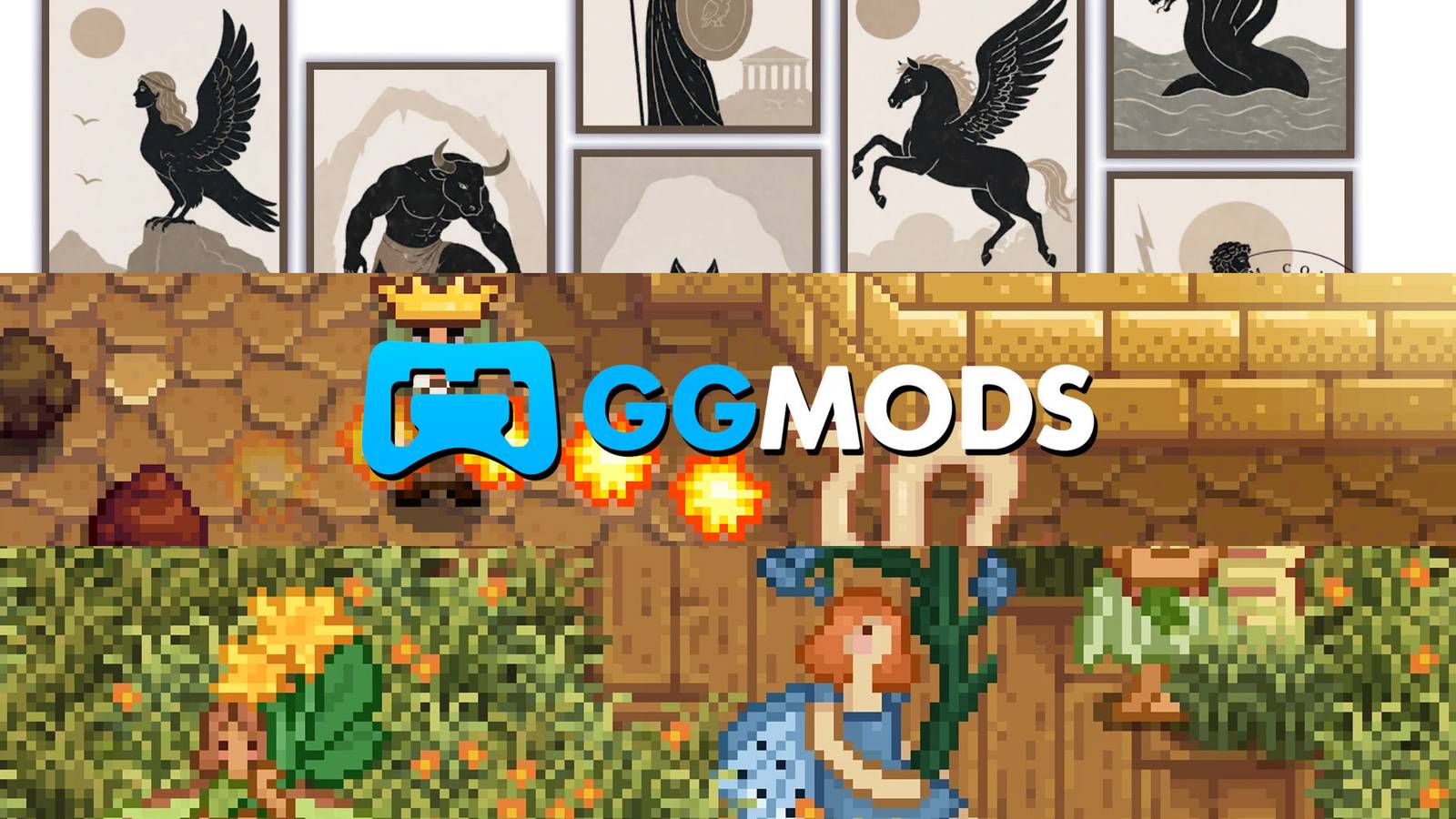
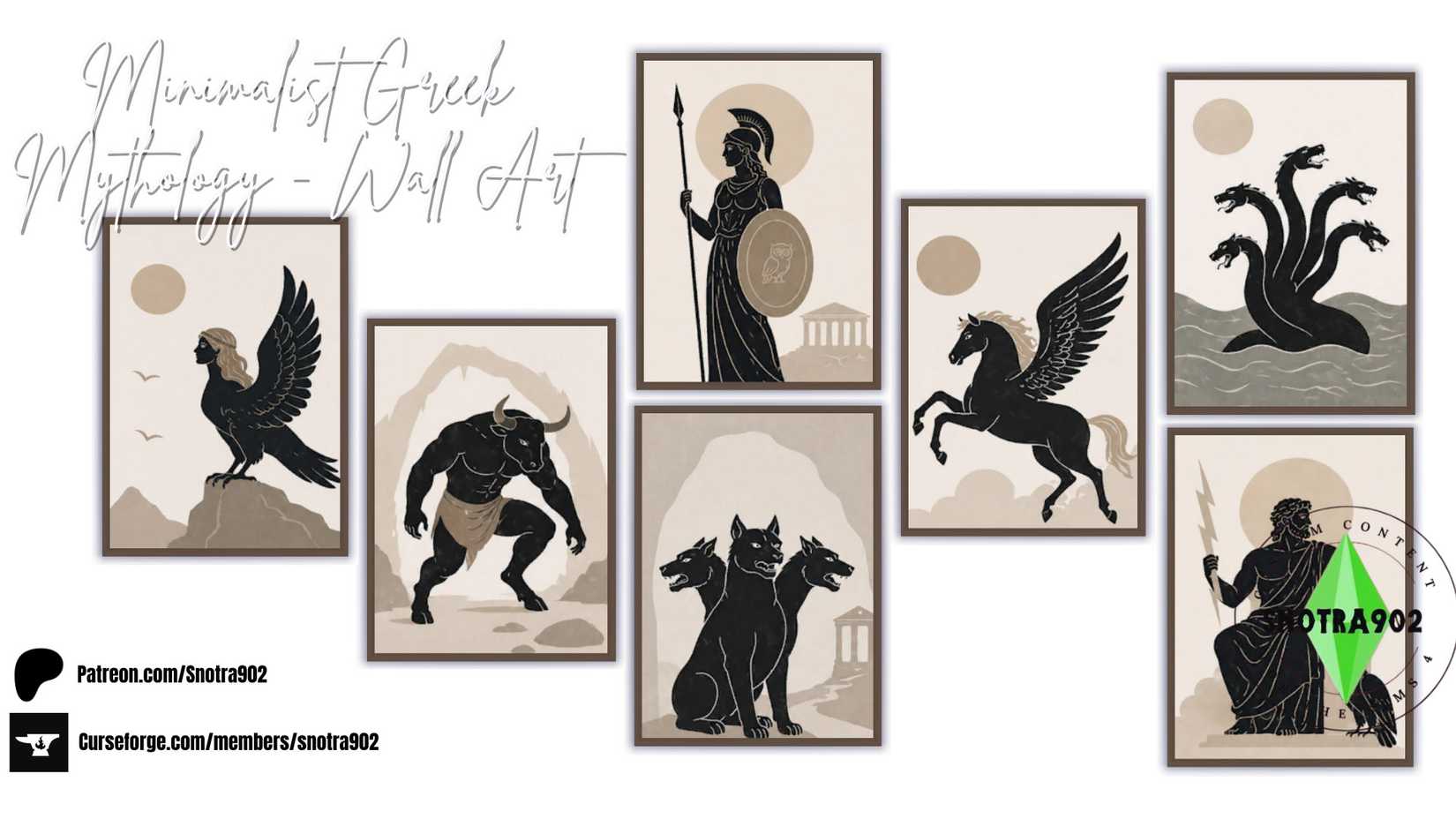
In a testament to the fact that even small modifications can have a massive aesthetic impact, the Minimalist Greek Mythology mod for The Sims 4 has garnered significant attention. Weighing in at less than 1MB, this mod provides players with a curated collection of wall art depicting iconic figures like Cerberus, the Minotaur, and Ares. It illustrates a key aspect of modern modding: the desire for "immersion through curation." Players no longer just want to play a game; they want to design a space that reflects their personal interests in classical history and mythology.
Stardew Valley: Flower Fairies and Prince Lindworm
Stardew Valley has become a major focal point for the current Modathon. Two entries, in particular, highlight the breadth of the community’s imagination:
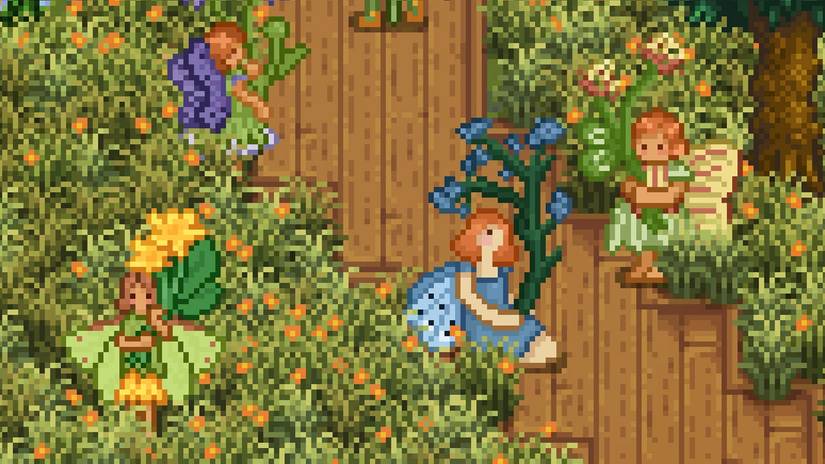
- Flower Fairies: Moving beyond mere utility, this mod introduces decorative elements based on the illustrations of Cicely Mary Barker. It allows players to transform their farms into whimsical, ethereal spaces, demonstrating that "folklore" in gaming is as much about atmosphere as it is about mechanics.
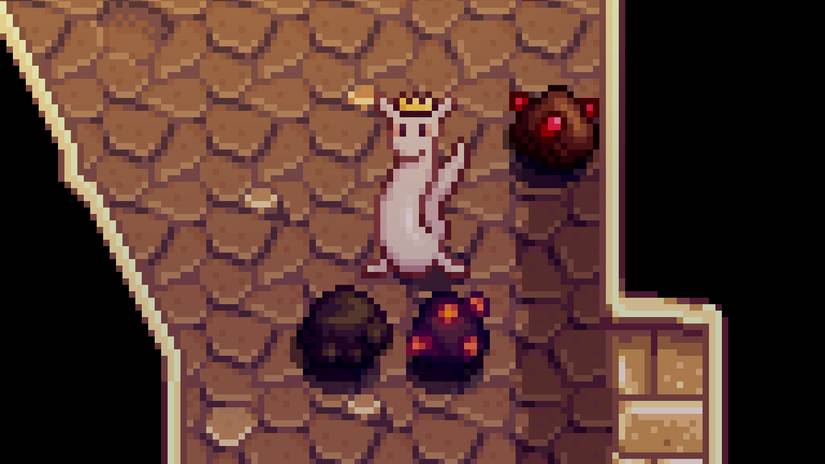
- Prince Lindworm: This mod represents a more complex undertaking. By introducing a new creature—the Lindworm—into the game’s "Skull Caverns," the creator has expanded the game’s bestiary and loot tables. The ability for players to hatch their own Lindworm and raise it as a source of rare materials (such as gold bars and large milk) showcases how modders are now capable of extending a game’s progression systems in ways that feel like official DLC expansions.
The Business of Creativity: Official Responses and Pay Structures
Perhaps the most significant development in the GGMods narrative is not the competition itself, but the underlying philosophy regarding how creators are treated. The gaming industry has long struggled with the "modder compensation" dilemma—a topic that has sparked intense debate regarding copyright, ownership, and the rights of the original developers.
GGMods has positioned itself as a disruptor in this space. By introducing a "Static Pay Structure," the platform is attempting to move toward a model of sustainable compensation for its contributors. This is a crucial pivot; for too long, modders have relied on voluntary donations or the hope of gaining professional recognition. By formalizing a pay structure, GGMods is essentially validating modding as a legitimate professional service.
During recent communications, platform representatives have emphasized that transparency is their primary objective. They aim to provide a bridge between the hobbyist community and the corporate gaming world, ensuring that creators are rewarded for the value they bring to the longevity of the games they love. While the industry is still watching to see how this financial model scales, the early adoption by top-tier modders suggests that the model is both desired and necessary.
Broader Implications for the Gaming Industry
The rise of GGMods and its successful Modathon signals a maturing of the PC modding scene. We are moving away from an era where modding was a "shadow" activity, ignored by publishers until it became a legal liability. Instead, we are entering a phase where modding is recognized as a collaborative extension of the development process.
1. Retention and Longevity
Publishers are beginning to realize that vibrant modding scenes are the most effective retention tools in existence. Games that support extensive modding, like The Elder Scrolls series or Stardew Valley, see player counts remain high for years—sometimes decades—past their release.
2. The Professionalization of Modders
Platforms like GGMods are providing a testing ground for future game developers. Many of the individuals participating in these contests are essentially building portfolios. If a creator can successfully implement a new monster AI, manage texture assets, and balance game economy, they are already performing the core tasks of a junior game designer or programmer.
3. Community-Driven Development
The thematic weeks of the Modathon suggest a future where developers and modders work in tandem. Imagine a world where a major game studio partners with a site like GGMods to host an official "content week," where the winning mod is integrated into the base game as an official update. This would bridge the gap between "official" and "unofficial" content, creating a seamless ecosystem of perpetual growth.
Conclusion: The Path Forward
As the Fae and Folklore week concludes and the Modathon moves toward its grand finale, the gaming industry finds itself at an inflection point. The success of GGMods serves as a proof-of-concept that there is a massive, untapped market for organized, supported, and incentivized modding.
For the player, this means a richer, more personalized gaming experience. For the developer, it means an extended lifecycle for their products. And for the modder, it finally offers a path toward recognition and fair compensation. While the transition will not be without its challenges—particularly regarding intellectual property rights and the delicate balance of power between modders and original copyright holders—the momentum is undeniable.
The PC gaming community has always been the most creative force in the industry. With platforms like GGMods providing the infrastructure to support that creativity, we may well be looking at a new golden age of modding—one where the line between the gamer and the creator is more blurred, and more exciting, than ever before. As the final entries for the Modathon are submitted, one thing is clear: the community is ready to build the future of gaming, one mod at a time.











No comments yet. Be the first to join the conversation!