

As the action RPG landscape continues to evolve, few titles command as much anticipation—or scrutiny—as Path of Exile 2. Following its transition into Early Access, developer Grinding Gear Games (GGG) has provided a critical roadmap update. While the studio is firmly targeting a full 1.0 commercial launch by the end of 2026, the path to that milestone remains fluid. With the announcement of the "Return of the Ancients" update, GGG has signaled that the quality of the endgame will ultimately dictate the release schedule, prioritizing player experience over rigid calendar deadlines.
The Roadmap: Balancing Ambition with Execution
For the team at Grinding Gear Games, the concept of a "1.0 release" is not merely a date on a calendar, but a threshold of quality. Jonathan Rogers, the game director and studio co-founder, has been transparent regarding the complexities of bringing such a massive project to its full potential.
The current development strategy involves a trade-off: to ensure the core pillars of the game—specifically the fifth and sixth acts—receive the polish they require, the studio has made the difficult decision to push some of the planned character classes beyond the 1.0 launch window. Originally, the roadmap envisioned 12 distinct character classes; however, the studio is currently focusing on the eight most critical archetypes to ensure the core gameplay loop is refined and stable.
The "Endgame-First" Philosophy
The most significant takeaway from the recent developer briefings is the studio’s willingness to delay the full launch if the endgame content fails to resonate with the community. "Even though our plan is to do 1.0 by the end of the year," Rogers noted in recent interviews, "if the endgame wasn’t accepted, we would continue iterating on it until the point where it was, before we could say 1.0 was good."
This approach reflects a mature understanding of the modern "Games as a Service" (GaaS) model. In a genre defined by the longevity of its endgame, a lackluster final act can derail years of development. By positioning the endgame as the primary gatekeeper for the 1.0 release, GGG is signaling that they are prioritizing long-term player retention over the marketing benefits of a specific launch date.
Return of the Ancients: A Mid-Cycle Expansion
On May 29, the Path of Exile 2 ecosystem will receive its most substantial injection of content to date: the Return of the Ancients update. This patch serves as a litmus test for the studio’s design philosophy, introducing systems that directly address feedback regarding variety and depth.
Key Features of the Update:
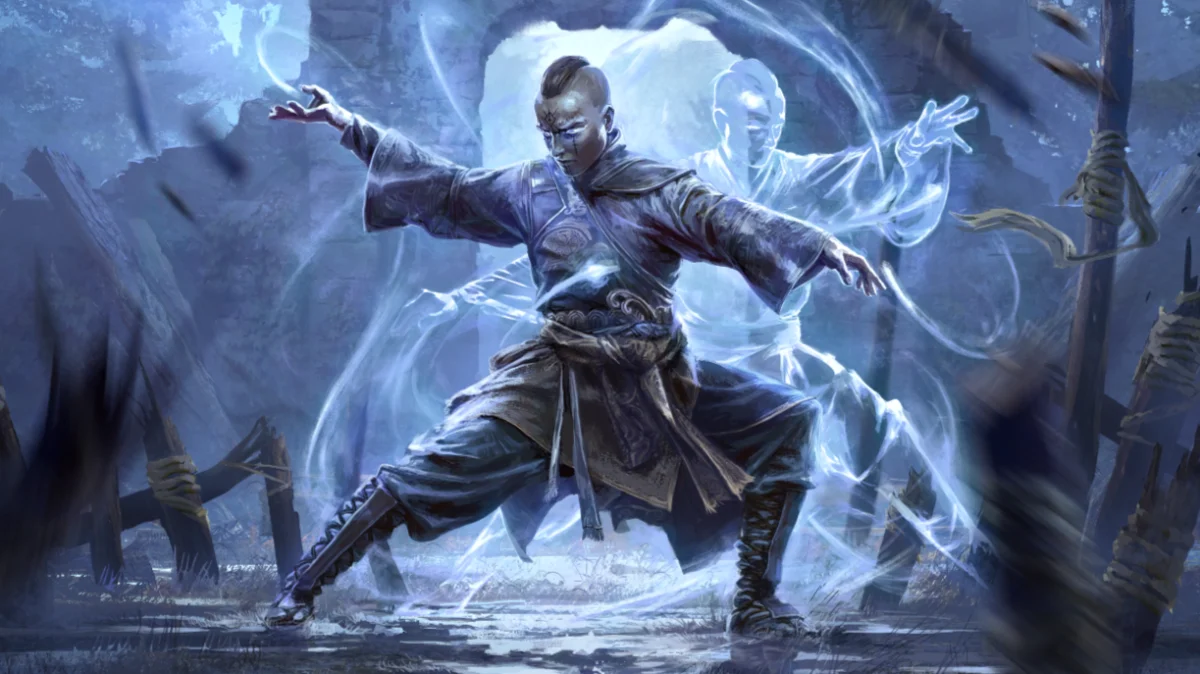
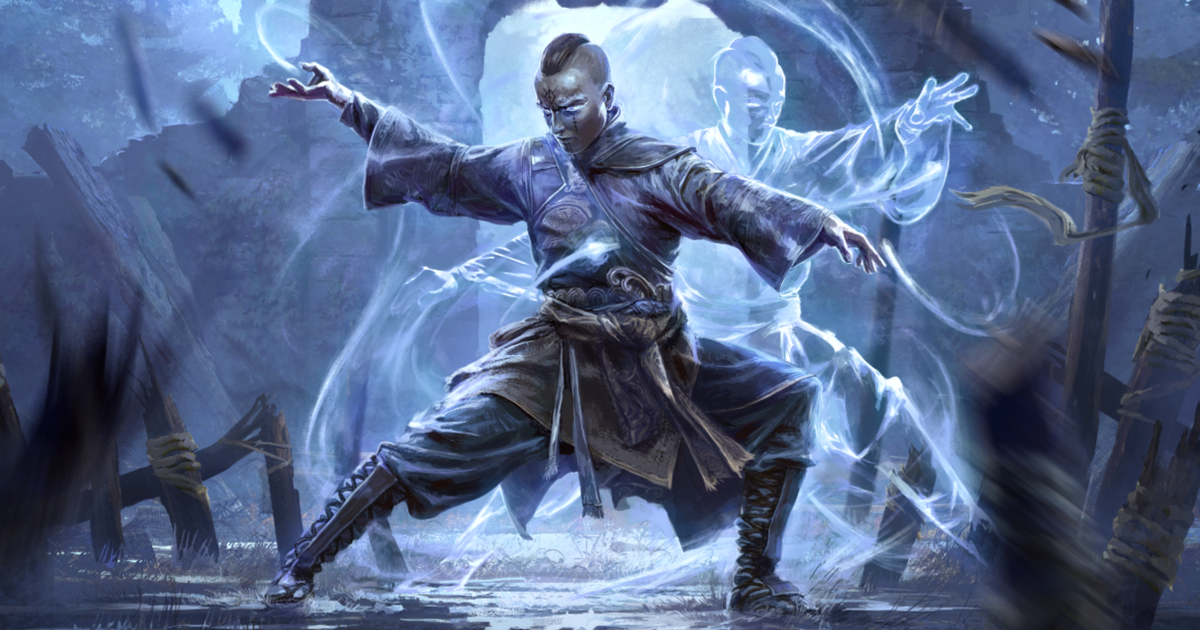
- Expansion of Roster: The update introduces two highly anticipated Ascendancy subclasses: the Martial Artist and the Spirit Walker. These classes promise to shake up the current meta with distinct playstyles that lean into mobility and spectral manipulation.
- Boss Encounter Density: A staggering 15 new bosses will be added, significantly increasing the challenge for players reaching the higher tiers of content.
- Loot and Progression: With 40 new items being introduced, the economy and build diversity are expected to shift, forcing players to reconsider their current setups.
- Systemic Revamps: Beyond new content, the update includes comprehensive overhauls for existing leagues and regions, ensuring that "old" content feels as relevant as the new.
The Ezomyte Runesmithing System: A New Approach to Crafting
Perhaps the most intriguing addition is the "Ezomyte Runesmithing" system, arriving as part of the Runes of Aldur League. Crafting has long been a polarizing subject in ARPGs, often oscillating between overly simplistic and frustratingly opaque. GGG is attempting to bridge this gap by tying crafting directly to combat encounters.
The system allows players to carve specific symbols onto "Remnants," which act as the foundation for high-end gear. However, the catch—and the brilliance—of this system is the activation requirement. To finalize a piece of gear, the player must activate the Remnant, effectively triggering a self-contained, wave-based defense event.
The nature of the opposition is determined by the runes chosen. Fire-aligned runes summon flaming skeletal hordes, while moon-aligned runes might force the player to dodge falling celestial beams. This creates a tangible, high-stakes relationship between the crafting process and the combat loop. It moves away from the "menu-scrolling" nature of traditional crafting, forcing the player to earn their gear through active, dangerous gameplay.
Chronology of Development
The trajectory of Path of Exile 2 has been long and iterative. Originally conceived as a massive expansion to the original Path of Exile, the project eventually grew into a standalone entity due to the sheer volume of changes to the underlying engine and mechanics.
- Announcement Phase: First unveiled at ExileCon, the game was initially framed as an upgrade to the existing Path of Exile client.
- Standalone Shift: Recognizing the depth of the systemic changes—including new physics, animation systems, and core combat mechanics—GGG pivoted to a standalone release.
- Early Access Launch: The game entered its current Early Access phase, allowing the community to stress-test the servers and provide direct feedback on the first four acts.
- The Road to 1.0: The current period is defined by the "Return of the Ancients" update, which serves as the final, major content milestone before the studio shifts its focus entirely toward the polish required for a full release.
Implications for the ARPG Market
The decision to be flexible with the 1.0 release date has significant implications for both the players and the industry at large.
For the Player Base
Players can expect a more stable, content-rich experience at launch. However, the caveat is that the full realization of the "12 class vision" will be delayed. For veterans of the original Path of Exile, this is likely a welcome trade-off; most would prefer a polished endgame experience than a full roster of classes that lack mechanical depth or balance.
For the Industry
GGG’s transparency regarding the "slippery" nature of the 1.0 launch sets a standard for other studios. In an era where "crunch" and forced release dates often lead to catastrophic launches—frequently seen in the AAA space—the "it’s done when it’s good" approach acts as a stabilizer. It builds brand loyalty and mitigates the risk of the "Day One" backlash that has become common in the industry.
Official Responses and Studio Stance
The leadership at Grinding Gear Games remains focused on the "feedback loop." By integrating player suggestions into their development sprints, they have maintained a high level of goodwill. Jonathan Rogers has emphasized that while the internal team has a vision, the "endgame" is ultimately a collaborative project between the developers and the players who spend thousands of hours navigating it.
When asked about the potential for further delays, the studio has remained unflinching. The message is clear: they are not interested in hitting a 2026 deadline at the cost of the game’s long-term health. This is a reflection of the studio’s history; having successfully managed the original Path of Exile for over a decade, they understand that the launch is merely the beginning of a cycle, not the end.
Final Thoughts
As the Return of the Ancients update approaches, Path of Exile 2 finds itself at a crossroads. The transition from a series of disparate systems to a cohesive, polished, and challenging endgame is the final hurdle. With the introduction of the Ezomyte Runesmithing system and a massive influx of new bosses and subclasses, GGG is proving that they are willing to take risks to keep the gameplay loop fresh.
Whether the 1.0 release hits in late 2026 or is pushed into the following year, the commitment to player feedback and quality assurance suggests that Path of Exile 2 is positioned to remain a cornerstone of the ARPG genre for years to come. For the community, the promise of a "better" game—rather than just a "finished" one—is the ultimate reward.











No comments yet. Be the first to join the conversation!