For the modern art enthusiast, the quest for the perfect digital display has long been fraught with compromise. We live in an age where high-resolution imagery is omnipresent, yet our methods for showcasing this art within the home have remained tied to the limitations of LCD and OLED technology. For years, the "Frame TV" concept dominated the market, promising a bridge between interior design and digital utility. However, these backlit panels often feel inherently "digital"—they glow, they hum, and they struggle to shed the uncanny, artificial sheen that reminds the viewer they are looking at a screen, not a piece of art.
As a life-long devotee of fine art and photography, I have frequently found myself frustrated by these emissive displays. They draw the eye for the wrong reasons: they act as a secondary light source in a room, distracting from the subtlety of a painting or the delicate exposure of a photograph.
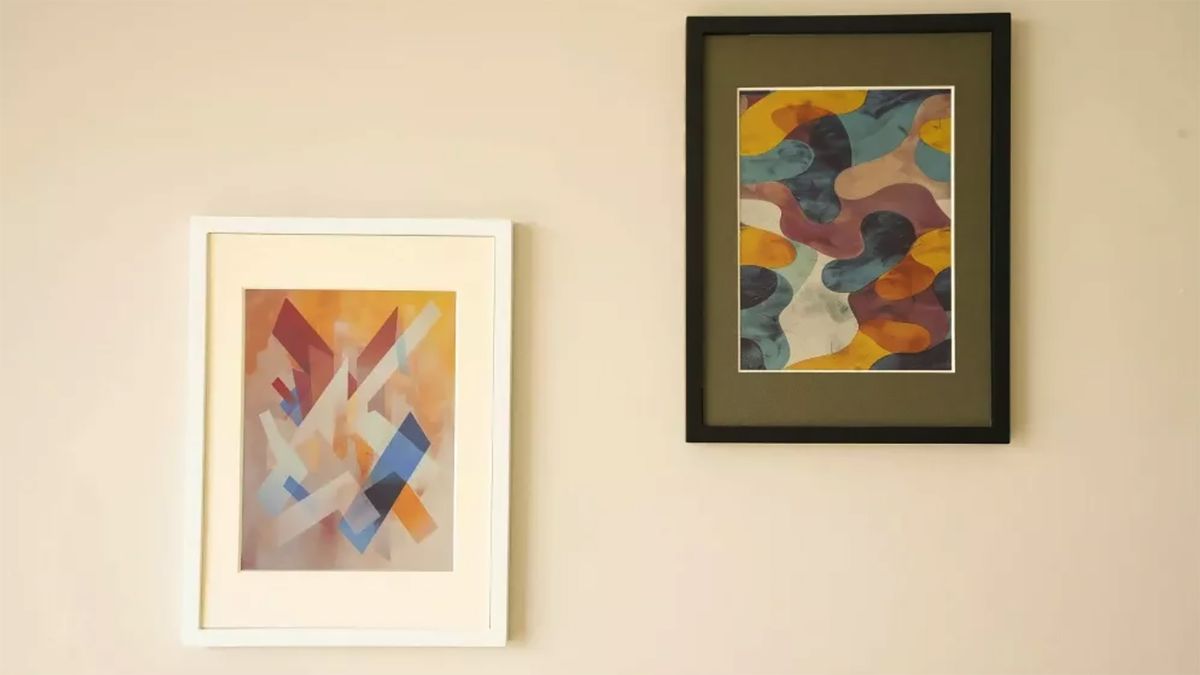
Enter the E-Ink art frame. By utilizing the same electrophoretic technology found in e-readers like the Kindle, these frames represent a fundamental shift in how we curate digital content. They offer a paper-like aesthetic, glare-free viewing, and months of wireless operation. Instead of projecting light toward your eyes, modern color e-paper uses ambient room light to reflect imagery, perfectly replicating the texture of printed canvas or newsprint. While E-Ink comes with its own set of trade-offs—such as muted color saturation and a dependency on dithering for complex gradients—its ability to blend seamlessly into a room’s decor is unmatched.
The Evolution of the Digital Canvas: A Chronology of E-Ink
The trajectory of E-Ink from a niche e-reader component to a high-end interior design staple has been rapid. While E-Ink technology (electrophoretic displays) has been in development since the 1990s, its application in home decor was historically hampered by the technology’s inability to render color effectively.
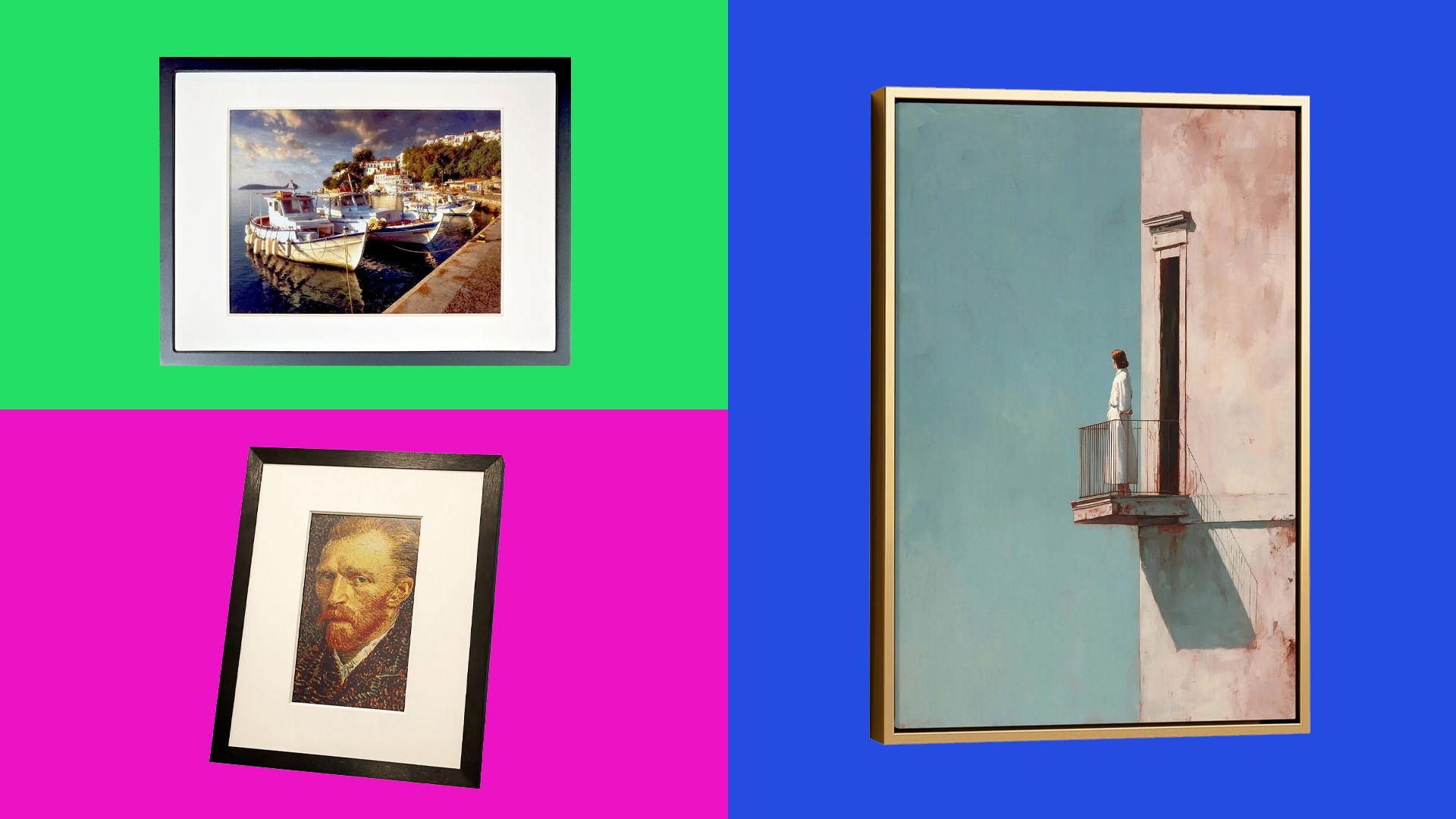
Early prototypes were limited to grayscale, which, while excellent for line art and typography, failed to capture the vibrancy required by contemporary digital artists. The breakthrough arrived with the introduction of E Ink Spectra 6, a display panel that significantly improved color gamut, contrast ratios, and refresh rates. This technological milestone moved E-Ink from the realm of the "functional gadget" to the "luxury home aesthetic."
Over the last 24 months, we have seen a surge in hardware manufacturers—from boutique startups to tech-forward designers—releasing frames that emphasize physical build quality alongside display density. The current market now prioritizes high pixel density (PPI), seamless integration with smart home ecosystems, and, crucially, the ability to fit into existing, traditional frames.
Supporting Data: Why Pixel Density Matters
When evaluating these frames, the primary metric for success is pixel density, measured in pixels per inch (PPI). Because E-Ink displays rely on dithering (the use of patterns of dots to simulate shades or colors), a lower PPI can result in a noticeable "grain" or "mesh" texture, particularly when viewing complex photographs.
| Model | Price (Approx.) | Size | Pixel Density | Best For |
|---|---|---|---|---|
| Reflection Frame | $199 – $249 | 10" | 200 PPI | Small spaces/Detail |
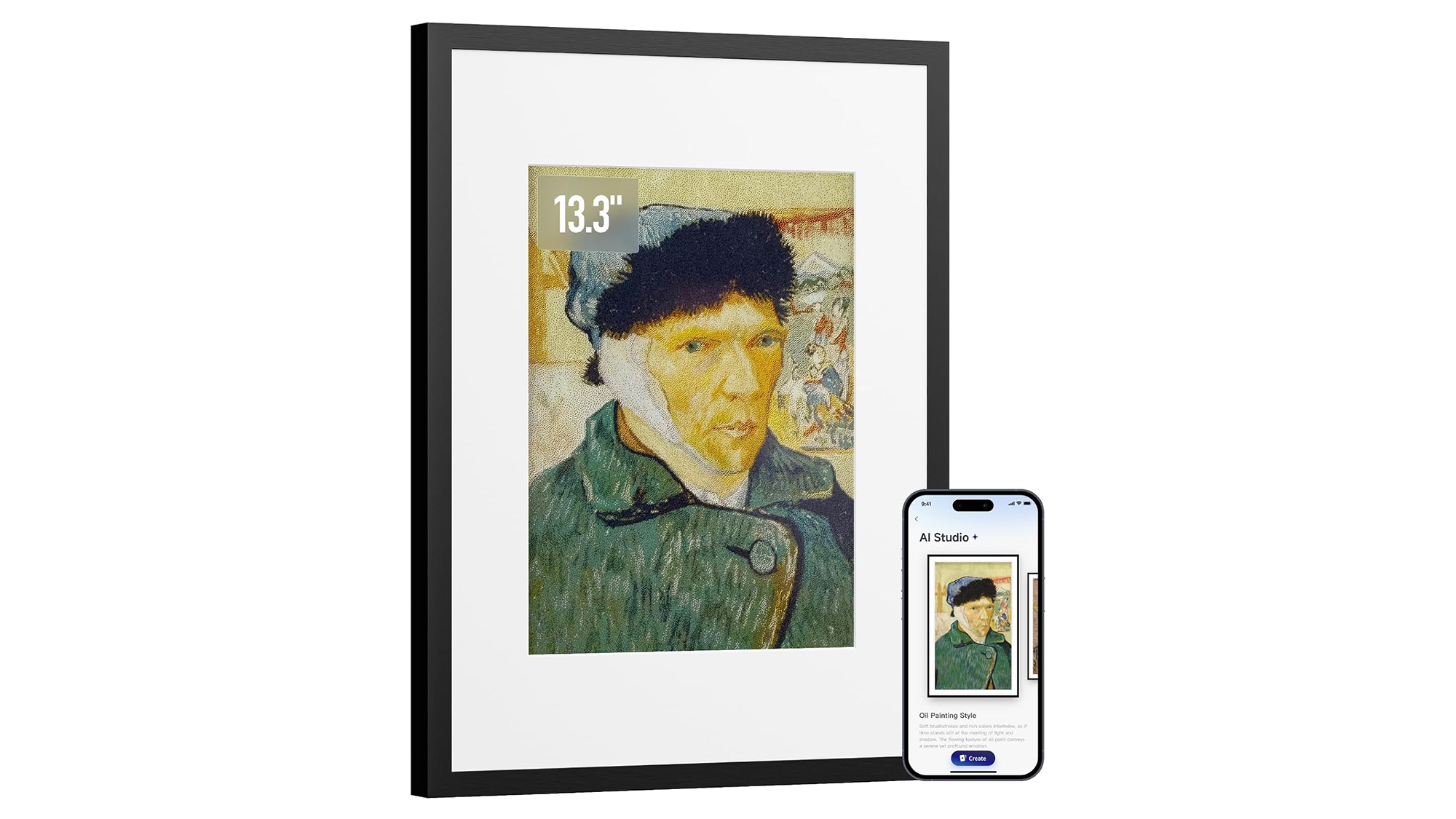
| SwitchBot AI Art | $349 | 13.3" | 150 PPI | Value/Smart Home |
| Bloomin8 | $499+ | 13.3"+ | 150 PPI | Privacy/Customization |
| InkPoster Tela | $2,400+ | 28.5"+ | 132 PPI | Gallery-scale/Luxury |
As the data suggests, there is a clear correlation between cost and scale. The 200 PPI offered by the 10-inch Reflection Frame represents the current "gold standard" for sharpness, making it ideal for high-detail line art or illustrations where clean edges are paramount. Conversely, larger formats like the InkPoster Tela utilize IGZO backplane technology to maintain stability across massive 40-inch canvases, though they necessitate a significant capital investment.

Analyzing the Top Contenders
01. The Reflection Frame: The Sharpest Choice
The Reflection Frame currently stands as the industry leader in clarity. By packing 1600 x 1200 pixels into a 10-inch form factor, it achieves a 200 PPI density that is unparalleled by its competitors. For those who want their digital art to look as crisp as a high-quality inkjet print, this is the definitive choice. It is also the most accessible in terms of pricing, making it a perfect entry point for those dipping their toes into the world of digital frames. It operates via a companion mobile app, keeping the user experience straightforward and cable-free.
02. The SwitchBot AI Art Frame: The Value Disruptor
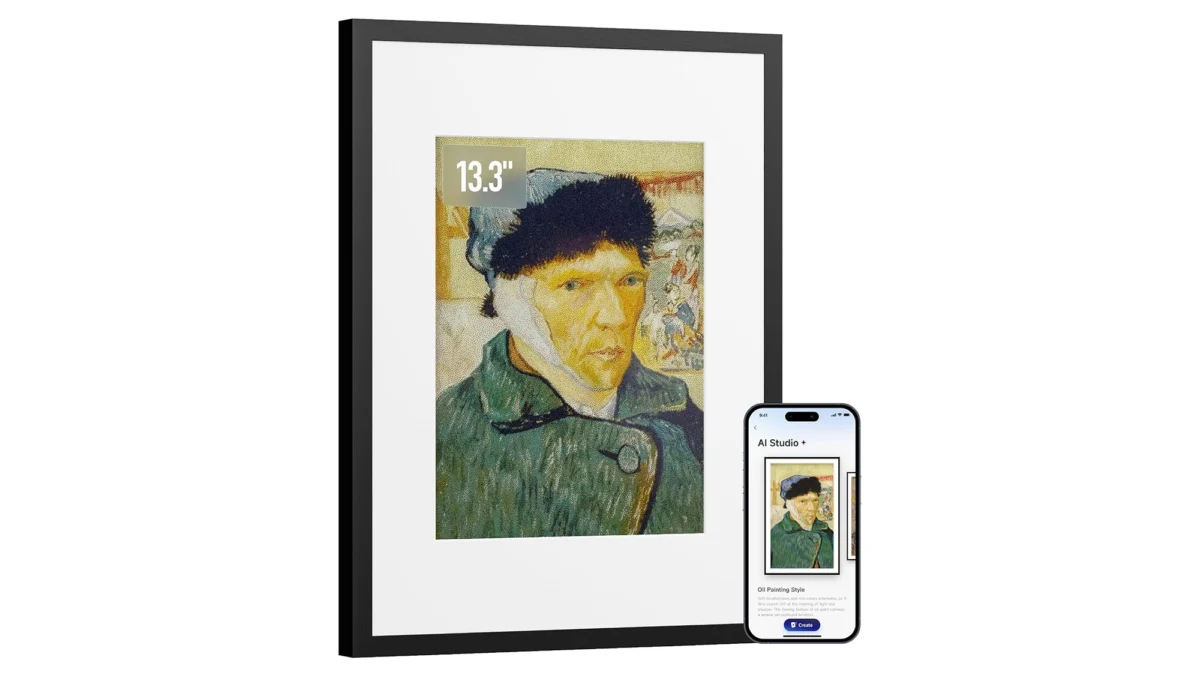
SwitchBot has effectively upended the market with its 13.3-inch frame. Priced at $349, it undercuts the competition by a significant margin while utilizing the same Spectra 6 color technology found in much more expensive units. While its 150 PPI density is slightly lower than the Reflection, it is perfectly sufficient for large-scale illustrations and classic paintings. Its standout feature is its battery longevity; when configured for weekly image updates, it can last up to two years. It is also the most "connected" frame, offering deep integration with Alexa and Google Home, allowing users to build art-cycling routines into their existing smart home setups.
03. The InkPoster Tela: The Gallery Standard
If the objective is to replicate a traditional gallery wall, the InkPoster Tela series is the only serious contender. With options reaching up to 40.5 inches, these devices are not designed for a desk; they are designed for the living room wall. Utilizing advanced IGZO (Indium Gallium Zinc Oxide) backplanes, they offer superior stability and power efficiency. While the price point—starting at $2,400—is exclusionary for the average consumer, it provides a level of luxury and scale that transforms the digital display into a genuine architectural feature.
04. The Bloomin8: The Privacy-First Option
The Bloomin8 appeals to a very specific demographic: the privacy-conscious tech enthusiast. Unlike other frames that rely on cloud-based servers to push images to your display, the Bloomin8 allows for local REST API control and Home Assistant integration. Furthermore, its physical design is modular, meaning you can pull the display out of its enclosure and mount it into standard IKEA frames, such as the RYDALM series. This offers the ultimate level of creative control over the physical aesthetic of the frame.
Implications for the Digital Art Market
The shift toward E-Ink displays has profound implications for both the creator and the collector.
1. A New Canvas for Digital Creators:
For years, digital artists were constrained by the fact that their work was viewed primarily on backlit screens. E-Ink frames provide a "print-like" reality for digital files. This encourages artists to create work specifically with reflected light in mind, moving away from ultra-high-contrast, neon-heavy designs and toward textures, paper-like grains, and subtle color palettes that thrive in ambient settings.
2. The End of the "Distracting Tech" Era:
Interior designers have long complained that TVs ruin the "vibe" of a room. By eliminating the wire and the glare, E-Ink frames are successfully transitioning from "tech" to "decor." This change in perception allows art to cycle throughout the day without the aggressive presence of a computer screen.
3. Privacy and Data Sovereignty:
As seen with the Bloomin8, the move toward local control is a direct response to the "subscription-everything" model. Many users are tired of paying monthly fees to display their own images. The industry is currently bifurcated: on one side are the "convenience" brands (like SwitchBot) that offer AI generation and cloud-managed libraries, and on the other are the "sovereignty" brands that allow for local, private, and permanent control over the hardware.
Final Considerations: Choosing Your Frame
When selecting an E-Ink frame, consider your primary usage scenario. If you are looking to display high-detail, personal photography, the 200 PPI Reflection Frame is the most logical choice, as its density minimizes the "dithering" effect on skin tones and complex textures.
If you are a smart home enthusiast who wants to automate your decor, the SwitchBot AI Art Frame offers the best balance of features and price, provided you are comfortable with its slightly lower pixel density and cloud-dependent app.
Finally, if you are a collector who views art as a long-term investment, the InkPoster Tela offers the only solution for true "poster-sized" art, while the Bloomin8 provides the best path for those who value privacy and the ability to customize their physical framing.
The technology is still maturing, but the current state of E-Ink frames confirms one thing: the era of the glowing, distracting digital wall is coming to an end. We are entering an era where digital art can finally exist with the subtlety, permanence, and elegance of the physical canvas.