Sagoh
Sagoh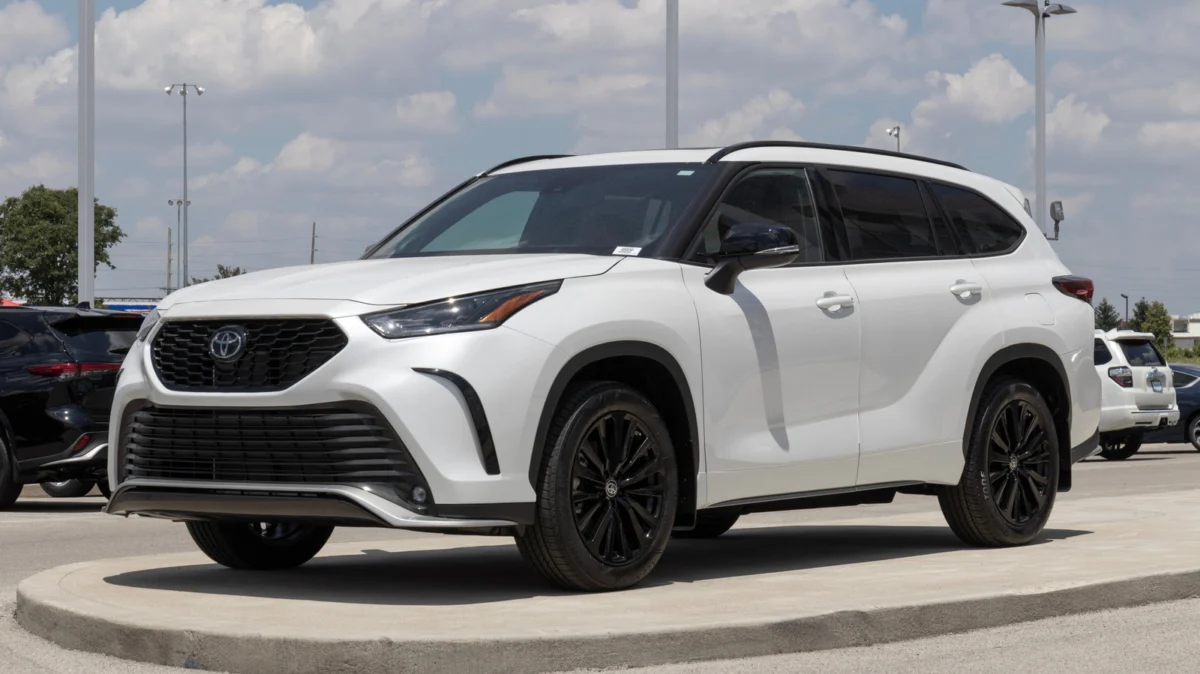
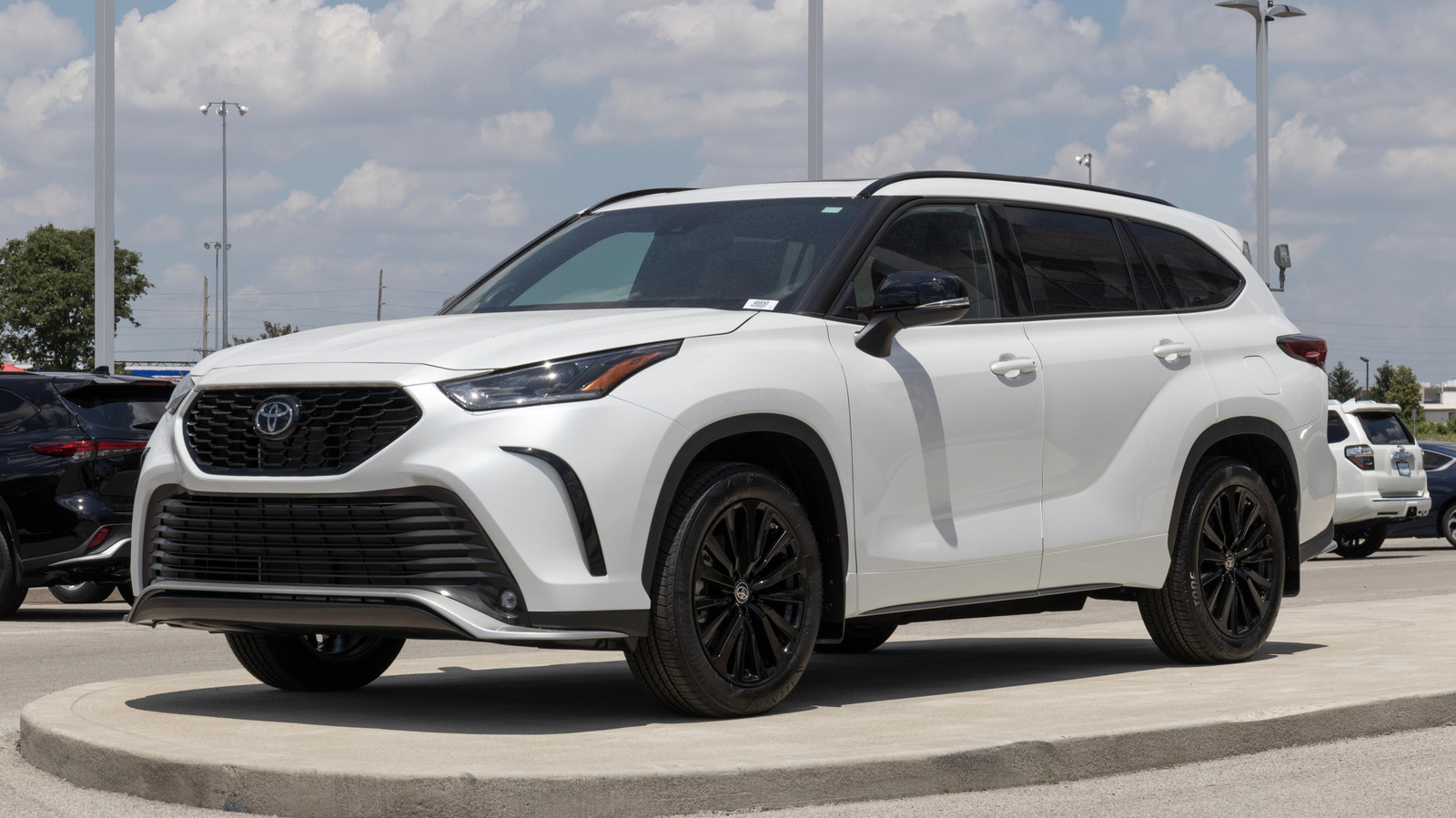
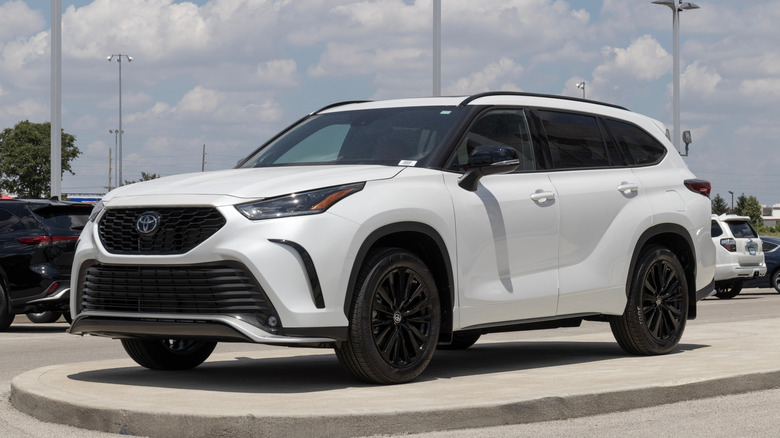
For over a quarter-century, the Toyota Highlander has served as the quintessential choice for the suburban family. Since its debut in 2001, it helped pioneer the three-row crossover segment, offering a blend of bulletproof reliability, manageable dimensions, and the comfort of a sedan-based chassis. However, the automotive landscape is shifting rapidly. With the looming transition of the Highlander into a fully electric platform by 2027, the current internal combustion and hybrid iterations are increasingly viewed as aging stalwarts in a segment that has become fiercely competitive.
While Toyota’s reputation for longevity remains a powerful draw, modern mid-size crossovers have evolved to offer better cabin technology, superior interior packaging, and more compelling value propositions. If you are in the market for a mid-size SUV, the following five vehicles currently outrank the traditional Highlander in key industry metrics from sources like Consumer Reports, J.D. Power, and U.S. News & World Report.
1. The Toyota Crown Signia: A Luxury-Adjacent Alternative
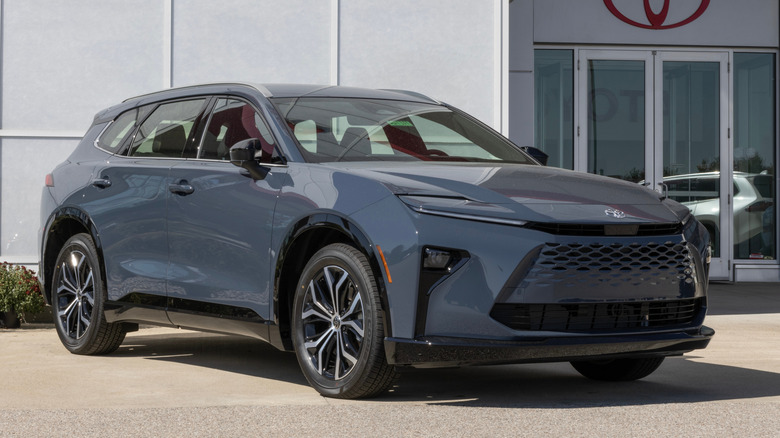
Toyota’s recent diversification of its SUV lineup has yielded the Crown Signia, a vehicle that blurs the lines between a traditional crossover and an upscale station wagon. Unlike the Highlander, which focuses on maximum utilitarian seating, the Crown Signia prioritizes refinement.
Why it Outperforms the Highlander
The Crown Signia has garnered top-tier rankings from Consumer Reports, currently standing as the highest-rated Toyota SUV and one of the best-performing mid-sized models on the market. J.D. Power data highlights the Signia’s exceptional scores in quality and reliability, often edging out the Highlander’s aging platform.
For the buyer, the trade-off is clear: you relinquish the Highlander’s third row and raw cargo volume in exchange for a significantly more premium interior experience and superior fuel economy via its standard hybrid powertrain. It is the sophisticated sibling that trades bulk for elegance.
2. The Hyundai Santa Fe: A Paradigm Shift in Utility
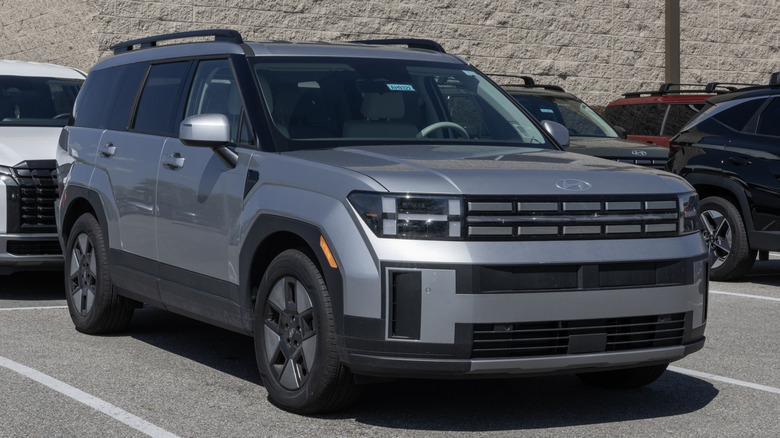
The Hyundai Santa Fe and the Toyota Highlander share a common history, both emerging during the 2001 model year. However, their trajectories have diverged sharply. The 2024 redesign of the Santa Fe saw it adopt a boxier, more aggressive aesthetic that prioritizes interior volume, effectively challenging the Highlander’s dominance in the three-row space.
Market Implications and Value
The Santa Fe Hybrid consistently ranks highly in Consumer Reports testing, often placing ahead of the Highlander Hybrid in three-row mid-sized categories. Beyond the rankings, the economic argument is compelling; according to TrueCar, the base price of the Santa Fe can be significantly lower than that of the Highlander.
For families prioritizing interior space—where the Santa Fe actually beats the Highlander in several key legroom and cargo metrics—the Hyundai represents a "punching above its weight" scenario. While some legacy buyers remain skeptical of long-term reliability compared to Toyota, Hyundai’s current powertrain warranties and high customer satisfaction scores are making that distinction increasingly moot.
3. The Subaru Outback: The Rugged Specialist
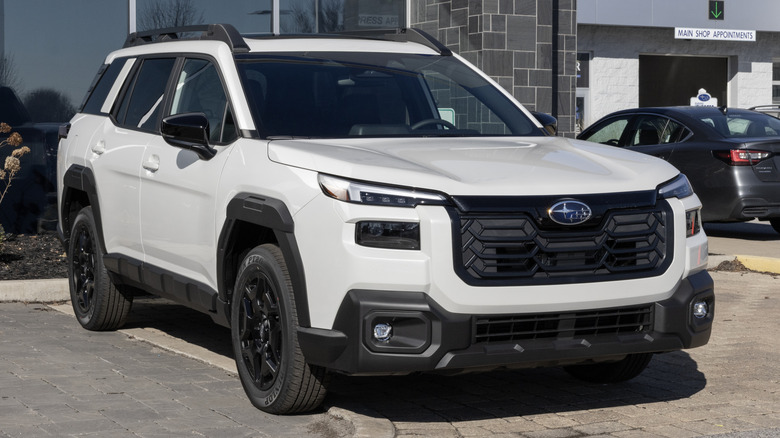
While the Subaru Ascent is the literal three-row equivalent to the Highlander, the Subaru Outback—following its radical 2026 redesign—has emerged as the stronger overall contender for those who don’t strictly require a third row of seating.
Engineering Excellence
The 2026 Outback has moved closer to the "mid-sized SUV" classification than ever before, shedding its purely station-wagon roots. U.S. News currently ranks the Outback near the top of the mid-size SUV class, significantly ahead of the Highlander. The primary draw remains Subaru’s legendary Symmetrical All-Wheel Drive system, which provides a level of handling and inclement-weather confidence that the front-biased Highlander struggles to match.
While it lacks a hybrid option—a potential drawback for fuel-conscious consumers—the availability of a 2.4-liter turbocharged boxer engine provides a punchy, engaging driving experience that is notably absent in the standard Highlander.
4. The Honda Passport: Old-School Reliability
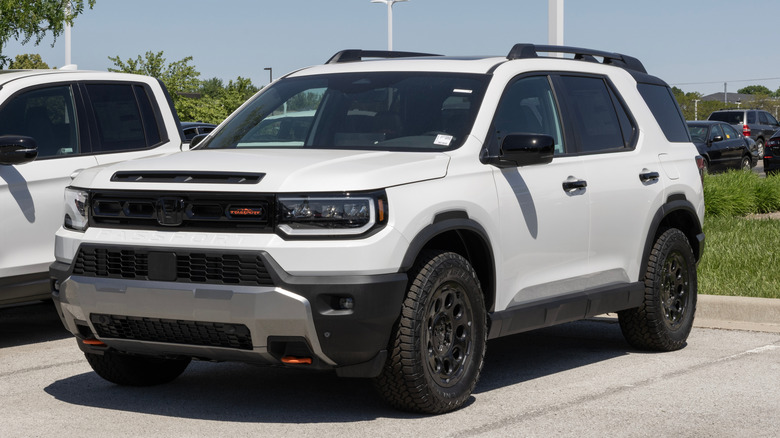
In a market saturated with turbo-fours and complex hybrid systems, the Honda Passport remains an outlier, and according to many industry analysts, it is one of the best SUVs currently available. While the three-row Honda Pilot competes directly with the Highlander, the two-row Passport offers a refined, "best-of-class" experience for those who value mechanical simplicity.
Performance and Utility
The Passport is lauded for its off-road capability and spacious cargo area. Unlike its competitors, the Passport relies on a naturally aspirated 3.5-liter V6 engine. This "old-school" approach appeals to a specific segment of the market that prioritizes long-term mechanical durability over the marginal fuel-economy gains of a turbocharged engine. While the V6 may lag in torque compared to some modern rivals, it offers a predictable, linear power delivery that is becoming a rarity in the segment.
5. The Toyota Grand Highlander: The Internal Successor
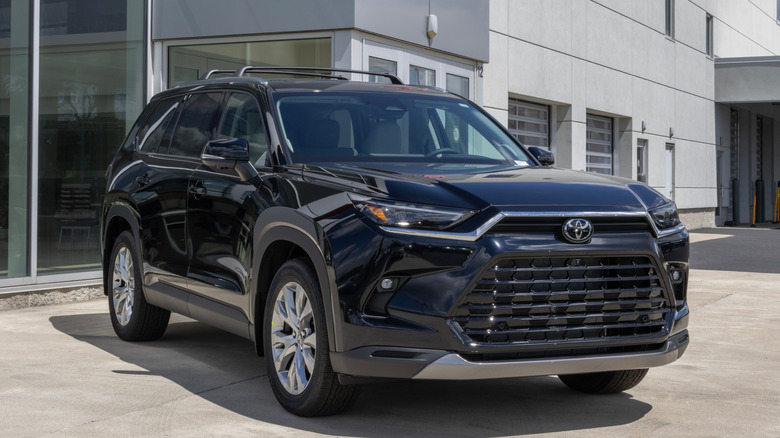
Perhaps the most significant blow to the standard Highlander’s market share has come from within Toyota’s own showroom. The Grand Highlander, introduced in 2024, is not merely a trim level; it is a fundamental improvement on the original concept.
Why It Wins
The Grand Highlander offers substantially more legroom in the third row and a larger cargo capacity, addressing the primary complaints owners had with the regular Highlander. Consumer Reports ranks the Grand Highlander Hybrid among the top 10 SUVs on sale today, and it consistently appears near the top of three-row mid-size rankings.
The sales data speaks for itself: in 2025, the Grand Highlander outsold the standard Highlander by more than two-to-one. It has effectively usurped the mantle, pushing the smaller Highlander into a niche role that will eventually be filled by an electric successor.
Chronology of the Segment Shift
The evolution of these vehicles reflects a broader change in consumer behavior. In the early 2000s, the Highlander was a revolution because it brought car-like comfort to a segment dominated by truck-based SUVs. By 2015, the segment had become crowded with competent, reliable options from Korea and Japan.
The 2020s have introduced a "size wars" era. With the Santa Fe and Grand Highlander growing in dimensions, the standard Highlander finds itself in an awkward middle ground—too small to compete with the new "Grand" versions, but too expensive to compete with smaller, value-oriented crossovers.
Supporting Data and Methodology
This analysis is based on a synthesis of industry-leading reliability scores, safety ratings, and performance evaluations. Our methodology focused on:
- Third-Party Rankings: Aggregated data from J.D. Power (Quality/Reliability), Consumer Reports (Road Test/Predicted Reliability), and U.S. News & World Report (Category Rankings).
- Cross-Shopping Patterns: We focused on models that consumers typically compare during the decision-making process, excluding luxury-branded vehicles to ensure a fair price-to-value comparison.
- SlashGear First-Hand Testing: Incorporating real-world driving impressions regarding cabin noise, powertrain responsiveness, and infotainment ergonomics.
Official Responses and Future Implications
Toyota has acknowledged the shifting market by signaling the end of the internal combustion Highlander. By pivoting to a dedicated EV platform for 2027, Toyota aims to capture a new generation of buyers who prioritize sustainability and advanced technology over the traditional mid-size formula.
The success of the Grand Highlander, meanwhile, suggests that Toyota understands its legacy customers want more space, not just more efficiency. As the market continues to evolve, the "Highlander" nameplate will effectively split: the Grand Highlander will remain the internal combustion workhorse for large families, while the new electric model will target the urban, tech-forward demographic.
Conclusion: Which Path Should You Choose?
The Toyota Highlander is far from a "bad" car; it remains a testament to Toyota’s commitment to quality. However, the market has reached a point of maturity where the "standard" choice is no longer necessarily the "best" choice.
- If you want luxury and efficiency, the Crown Signia is the superior pick.
- If you want value and interior space, the Hyundai Santa Fe is the modern winner.
- If you want handling and capability, the Subaru Outback stands alone.
- If you want simplicity and power, the Honda Passport is a masterclass in engineering.
- If you want the Toyota brand but need more space, the Grand Highlander is the undisputed successor.
Choosing the right SUV in 2025 requires looking past the brand name on the hood and evaluating how each vehicle fits the specific demands of your lifestyle. In this current landscape, the alternatives often offer more than just a badge—they offer a better experience.



 Azzam Bilal Chamdy