Layla Zulfa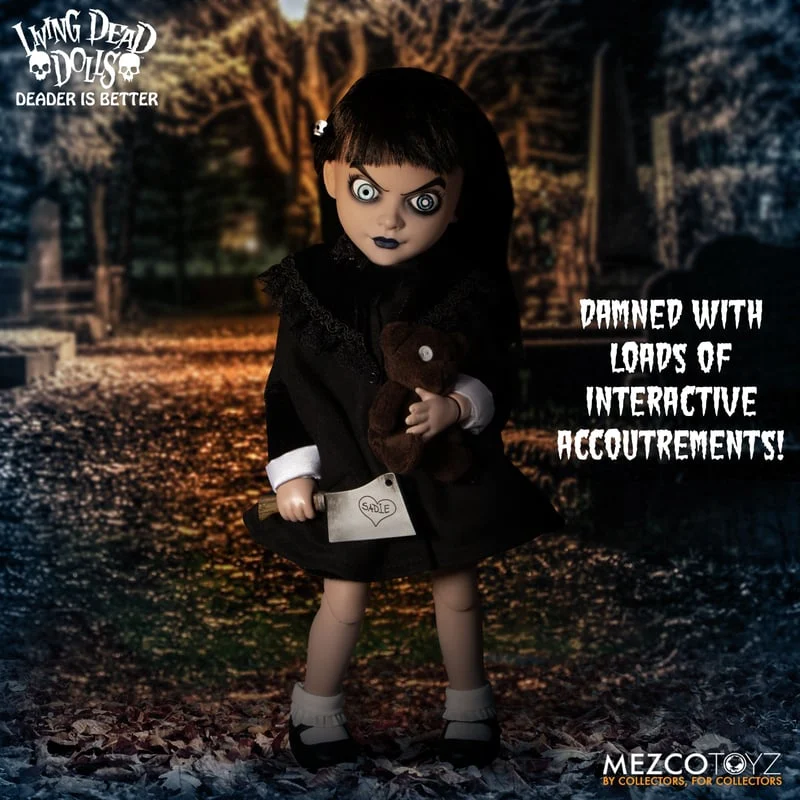
“No one cared how she turned up dead, so Sadie chose to rise instead…”
For over two decades, the Living Dead Dolls (LDD) have occupied a singular, macabre niche in the world of high-end collectibles. They are the pioneers of the "creepy-cute" aesthetic, bridging the gap between nostalgic doll collecting and gothic horror. Now, as the brand looks toward the future, it is reaching back to its origins. The iconic Sadie—the very doll that launched the entire franchise—has been resurrected in a deluxe, highly articulated format that promises to redefine the standards of the Living Dead Dolls line.
Main Facts: A New Era for the Queen of the Crypt
The latest iteration of Sadie is not merely a re-release; it is a complete reimagining of the character that started it all. Priced at $120, this deluxe figure is designed to satisfy the rigorous demands of modern collectors who prioritize poseability, customization, and premium materials.
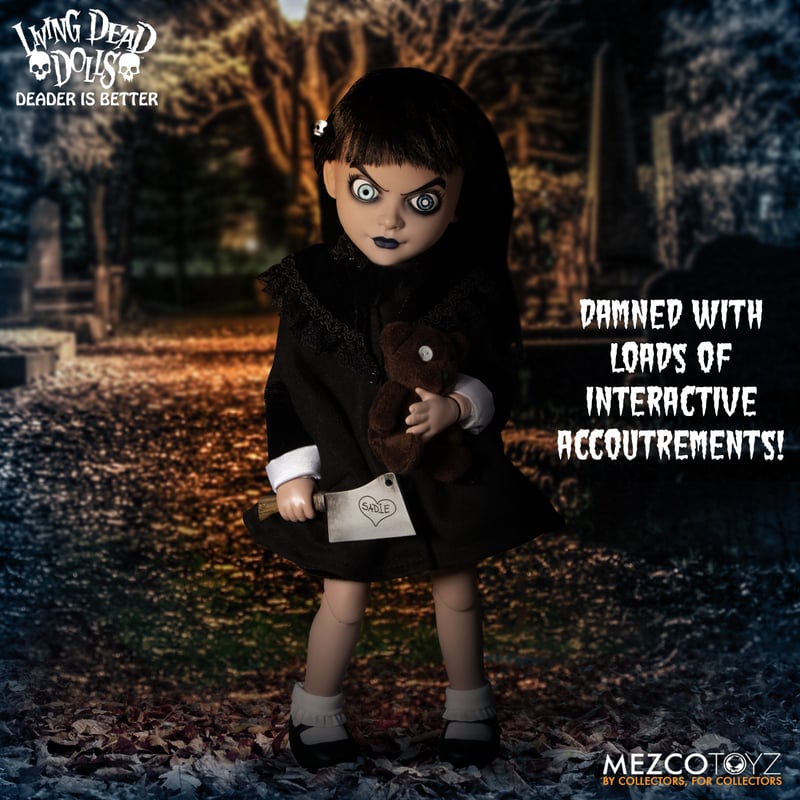
Unlike the static, rotocast dolls of the early 2000s, this new Sadie is a marvel of engineering. She boasts 18 points of articulation, allowing for a range of motion that was previously impossible for the brand. The most significant technological leap lies in her head sculpt: the doll features internal controls that allow the owner to move her glass-like eyes, providing a level of "life-like" interactivity that borders on the uncanny.
Furthermore, the figure arrives with a suite of accessories that cater to both display enthusiasts and horror aficionados:
- Interchangeable Face Plates: Collectors can toggle between a "grave glare" and a "sinister smirk" using swappable "Death Mask" face plates.
- Articulated Hands: With five interchangeable hands, Sadie can hold her array of weapons and accessories with realistic tension.
- Authentic Apparel: She remains true to her roots, wearing her signature velveteen dress with satin collar and cuffs, complemented by iconic Mary Jane shoes.
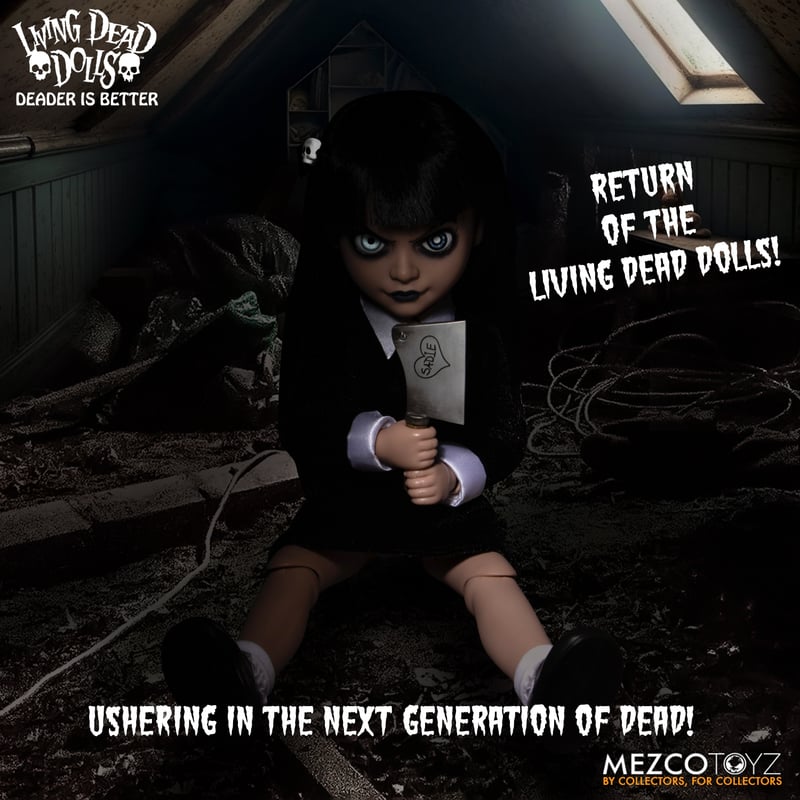
- Dark Accoutrements: Her accessories include a personalized, engraved tombstone, a functional coffin-style purse, a bouquet of black flowers, a meat cleaver, and a matching heterochromatic teddy bear.
A Chronology of the Damned: The History of Living Dead Dolls
To understand the weight of this release, one must look back at the humble, subterranean beginnings of the Living Dead Dolls. Founded in 1998 by Ed Long and Damien Glonek, the line began as a series of handmade, one-of-a-kind dolls sold at horror conventions. The concept was simple yet transgressive: take the innocence of a doll and infuse it with the aesthetic of classic slasher films and Victorian funeral rites.
The Early Years (1998–2005)
The initial success of the dolls caught the eye of Mezco Toyz, which eventually partnered with Long and Glonek to mass-produce the line. Sadie, the first doll, became the de facto mascot of the brand. In those early days, the dolls were largely display pieces—minimal articulation, simple outfits, and a grim personality captured in a short, rhyming death certificate that accompanied every box.
The Golden Age of Collecting (2006–2018)
As the brand expanded, it moved through various "Series," introducing characters like Posey, Eggzorcist, and Sin. The dolls became a cultural phenomenon, appearing in galleries, music videos, and horror-themed pop culture magazines. During this time, the brand experimented with different sizes, from the standard 10-inch dolls to larger "Resurrection" series that offered higher quality fabrics and more detailed paint applications.
The Deluxe Renaissance (2019–Present)
The release of the new deluxe Sadie represents the third major evolution of the LDD brand. It marks a shift away from the "toy" category and firmly into the "high-end collectible" market. By integrating ball-jointed doll (BJD) features—such as movable eyes and highly articulated limbs—Mezco is signaling that the Living Dead Dolls are no longer just static figurines, but interactive centerpieces for the modern collector.
Supporting Data: The Anatomy of a Deluxe Figure
The transition from the traditional LDD format to this new deluxe model is backed by significant design choices aimed at longevity and display value.
Material Composition:
The use of high-grade PVC for the face plates ensures that the "Death Mask" system remains durable even with repeated swapping. The eyes, crafted from a glass-like acrylic, are designed to catch light in a way that mimics a living gaze, a stark contrast to the painted-on eyes of the original 1998 releases.
Articulation Metrics:
With 18 points of articulation, the doll can mimic complex human postures. This is a vital improvement for toy photography, a growing sub-community within the collector world. The inclusion of five distinct hand sculpts—ranging from a gripping hand for the meat cleaver to a relaxed, "creepy" gesture hand—doubles the potential display configurations compared to the original fixed-pose dolls.
Packaging and Preservation:
In keeping with the brand’s heritage, Sadie is housed in a coffin-shaped box. This is not merely for aesthetics; it serves as a storage solution that protects the doll’s velveteen fabric from dust and UV light, ensuring the longevity of the collector’s investment.
Official Responses and Creative Vision
While the brand remains tight-lipped regarding the specific engineering team behind the new internal eye-movement mechanism, promotional materials highlight a commitment to "ushering in the next generation of Living Dead Dolls."
The marketing copy emphasizes a "post-rigor-mortis" design, a tongue-in-cheek nod to the technical improvements in articulation. By framing the product through the lens of a horror narrative—where the doll has "risen" to become more capable—Mezco effectively maintains the brand’s lore while highlighting the technical sophistication of the product.
For the dedicated fanbase, this release is seen as a "return to form." The choice to start this new deluxe era with Sadie, the original "First Living Dead Doll," serves as a symbolic bridge between the company’s history and its future. The sentiment among the core community is that by honoring the classic character while upgrading the hardware, Mezco has managed to satisfy both the nostalgia of long-time fans and the high-quality expectations of new collectors.
Implications for the Collectible Market
The launch of the Deluxe Sadie has significant implications for both the Living Dead Dolls brand and the broader horror collectibles industry.
1. The "BJD-ification" of Horror Dolls
By incorporating features previously reserved for expensive, specialized ball-jointed dolls (like eye-movement controls), Mezco is likely setting a new baseline for the horror collectible market. Competitors in the industry, such as NECA or Super7, may now face pressure to enhance the interactivity of their own premium horror lines to remain competitive.
2. The Shift Toward "Display-First" Collecting
The market is clearly moving away from "in-box" collecting and toward "display-first" habits. Collectors today want to pose, photograph, and customize their figures. The inclusion of interchangeable hands and face plates suggests that the manufacturer understands this shift. The $120 price point, while higher than previous LDD releases, is positioned to compete with premium action figures, suggesting that the LDD brand is repositioning itself as a "Prestige" line.
3. Sustainability of the "Nostalgia Economy"
The success of the Deluxe Sadie will serve as a barometer for the longevity of the LDD brand. If this model succeeds, it opens the door for a "Resurrection Series" of other classic dolls, potentially bringing back retired characters with these updated mechanics. This strategy allows the company to tap into its existing intellectual property (the vast catalog of previous LDD characters) while modernizing the product, effectively recycling their own history into a new revenue stream.
4. The Broader Horror Pop Culture Landscape
Horror, as a genre, has experienced a massive resurgence in mainstream media. From the success of modern horror franchises to the aesthetic popularity of "gothic" fashion, the timing of this release is impeccable. Sadie is no longer just a doll; she is a fashion icon for a generation that embraces the darker side of aesthetic expression.
Conclusion
The return of Sadie is more than just a product launch; it is a statement of intent. By resurrecting their most iconic character with the latest in articulation and interactive design, the creators of the Living Dead Dolls have successfully proven that there is still plenty of life—or death—left in the franchise.
For the connoisseurs of the creepy and the mavens of the macabre, the summer of 2023 will be remembered as the moment the crypts opened to reveal a new, superior breed of doll. Whether you are a long-time disciple of the brand or a newcomer drawn to the dark allure of the gothic, the deluxe Sadie stands as a testament to the fact that, in the world of the Living Dead Dolls, some things are destined to rise again and again.

 Evan Lee Salim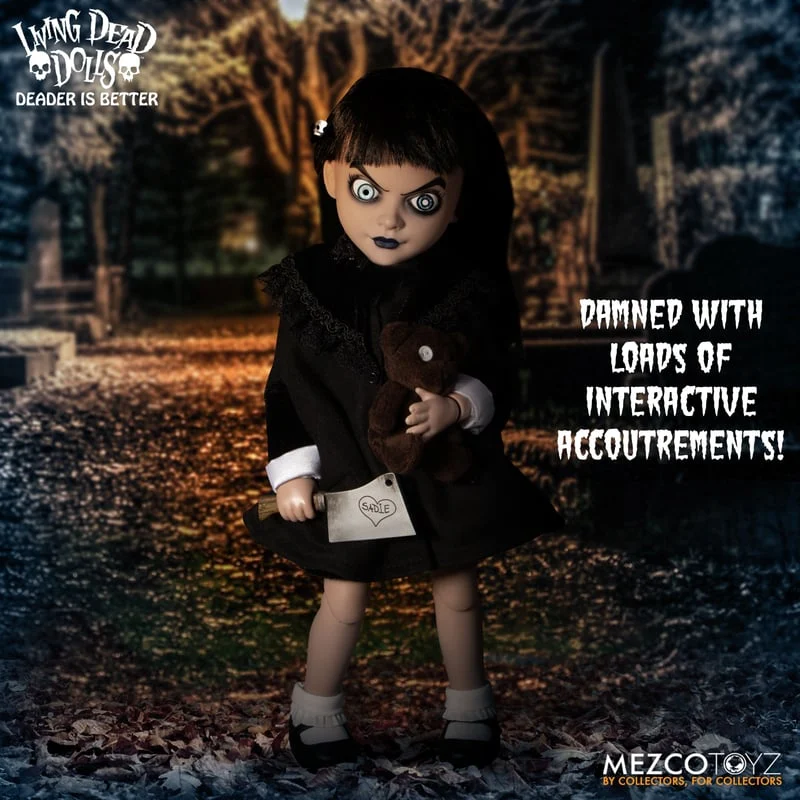
 Nana Wu