

For many, the 1980s are remembered as an era of unapologetic excess, neon-soaked aesthetics, and a cultural shift toward unabashed materialism. Yet, beneath the veneer of hairspray and synth-pop, the decade was a crucible for automotive design. It was a period of transition where the raw, unrefined muscle of the 1970s collided with the burgeoning demand for fuel efficiency, aerodynamic precision, and technological sophistication.
The automotive landscape of the ’80s was not merely a collection of transport; it was a theater of dreams. From the suburban driveways of America to the high-stakes supercar battles in Europe, the cars of this decade became cultural touchstones. Whether they were the poster-clad centerpieces of a teenager’s bedroom or the aspirational targets of the upwardly mobile, these vehicles captured the spirit of a generation.
The Shift: From Gas-Guzzlers to Engineered Precision
The Main Facts of a Changing Industry
At the dawn of the 1980s, the global automotive industry was reeling from the energy crises of the previous decade. The "big and heavy" philosophy that defined American muscle cars in the late 60s and early 70s had become a liability in an era of soaring fuel costs and tightening emissions regulations.
Manufacturers were forced to pivot. The strategy shifted toward "downsizing"—reducing vehicle weight and displacement while optimizing engine efficiency. This era saw the rise of the Japanese import as a dominant force in the U.S. market, with companies like Honda and Toyota proving that economy did not have to come at the expense of reliability or enjoyment. Simultaneously, European marques continued to push the boundaries of performance, leaning into futuristic, wedged-shaped aerodynamics that defined the supercar aesthetic for decades to come.
Chronology of Automotive Evolution
The 1980s can be viewed as a timeline of escalating ambition.
- 1980-1982: The industry begins its stabilization. European supercars like the Lamborghini Countach finally gain a stronger foothold in the U.S. market.
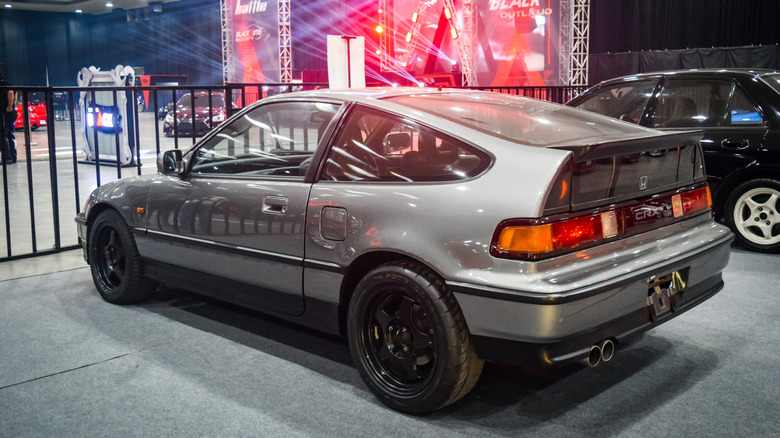
- 1983: The arrival of the Honda CRX sets a new standard for the compact, "fun-to-drive" economy car.
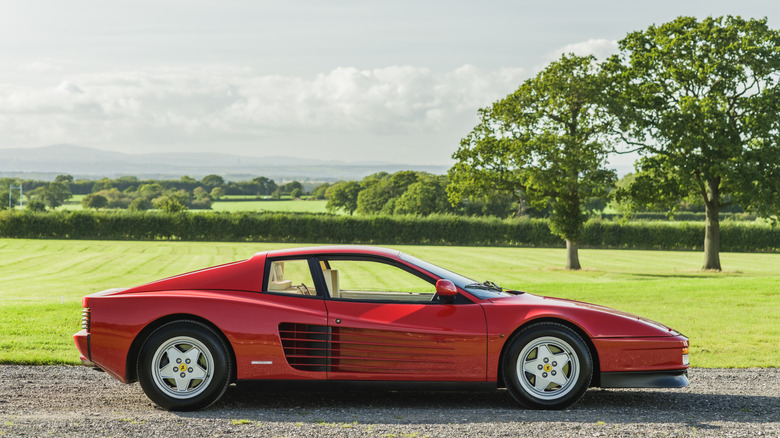
- 1984: The Ferrari Testarossa debuts at the Paris Motor Show, redefining the aesthetic of the luxury sports car.
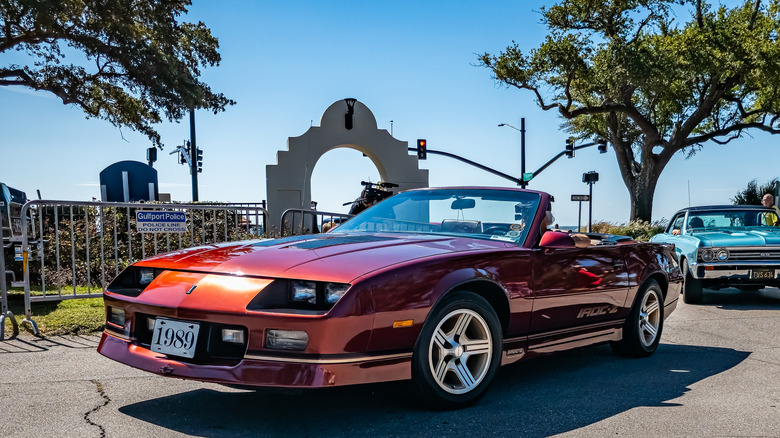
- 1985: The Chevrolet Camaro IROC-Z hits the streets, proving that the American muscle car wasn’t dead—it had simply evolved.
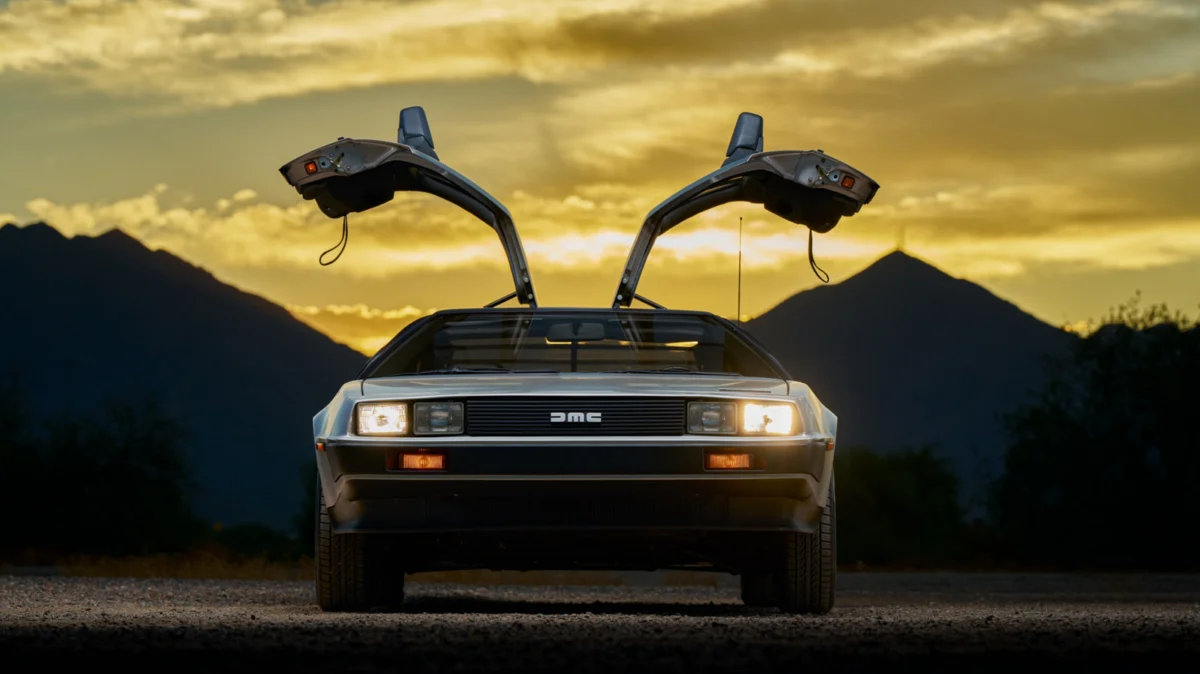
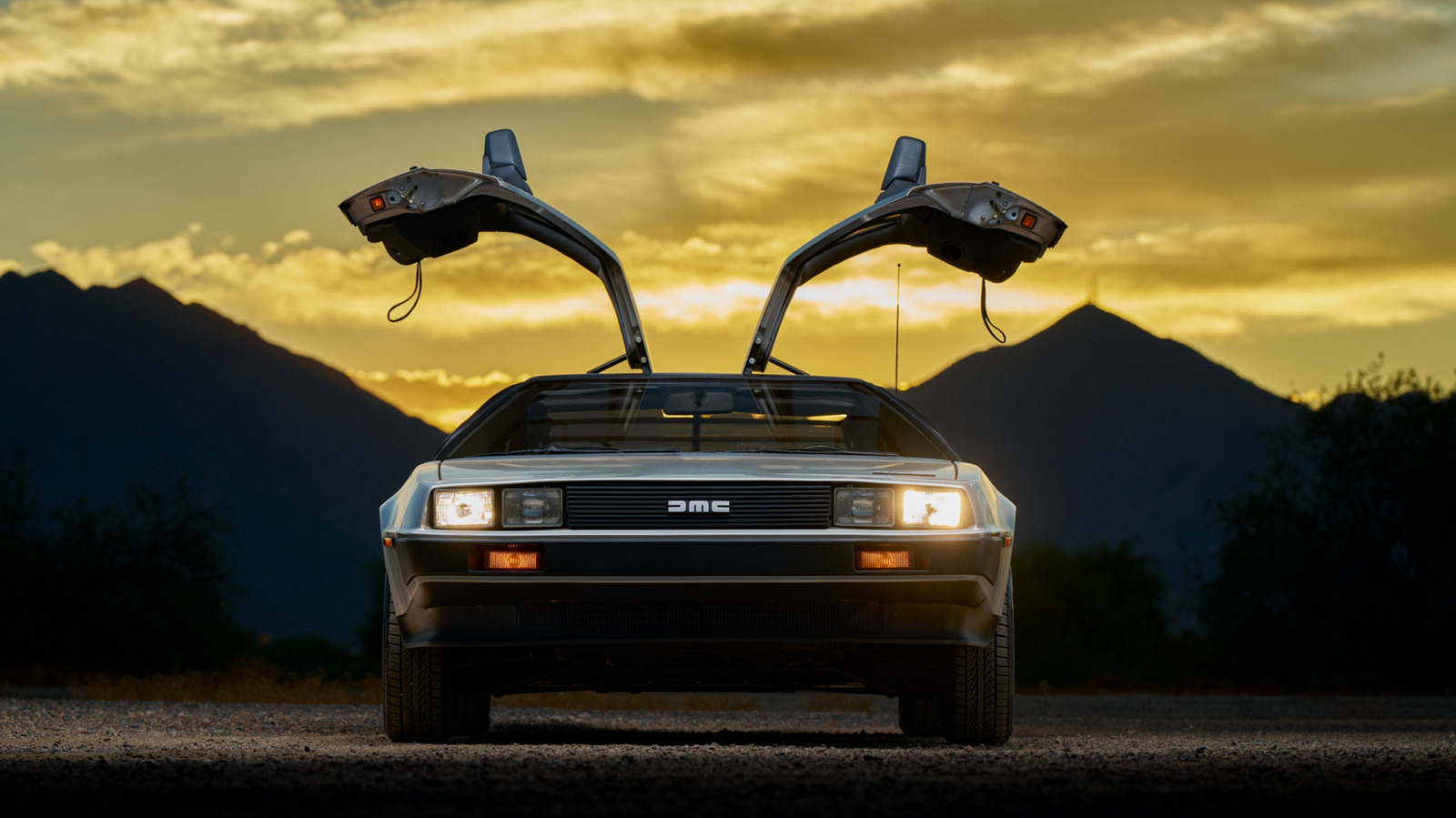
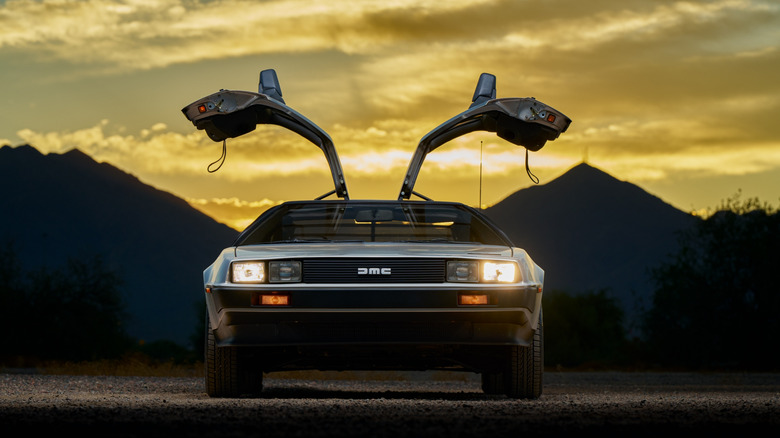
- 1985: The release of "Back to the Future" cements the DeLorean DMC-12 in the pop-culture lexicon, despite the company’s financial collapse two years prior.
Icons of the Era: Detailed Profiles
Chevrolet Camaro IROC-Z: The American Resurgence
The IROC-Z was more than just a trim level; it was a statement. Named after the "International Race of Champions," the car brought a track-inspired pedigree to the masses. Debuting in 1985, it featured a tuned suspension, lowered ride height, and the aggressive styling that defined the late-80s performance aesthetic. With its 5.0-liter V8 engine pushing 215 horsepower, it was a beast on the strip and a king of the boulevard. It represented the moment American manufacturers learned to marry raw displacement with handling capability.
Ferrari Testarossa: The Poster King
If you asked a child in 1986 to draw a "fast car," they would almost certainly draw a Ferrari Testarossa. With its iconic side-strakes—designed to funnel air into the massive radiators—and a flat-12 engine capable of 380 horsepower, it was the pinnacle of mid-80s engineering. While the F40 may hold the title for raw performance in Ferrari’s history, the Testarossa was the star. Through its high-profile role in Miami Vice, it became a global symbol of wealth and high-octane lifestyle.
Honda CRX: The Cult Compact
Not every hero of the 80s needed a V12 engine. The Honda CRX (1983–1991) proved that character could be found in a small, efficient package. It was lightweight, nimble, and surprisingly quick. For the youth of the 80s, the CRX was often the first "cool" car they could afford. Its unique hatchback design and legendary fuel economy made it a practical choice, but its chassis tuning made it an enthusiast’s playground. Today, it remains a favorite for restomodders who value the car’s exceptional power-to-weight ratio.
DeLorean DMC-12: The Famous Failure
The story of the DeLorean is perhaps the most tragic and ironic of the decade. John DeLorean’s vision was a stainless-steel, gull-wing masterpiece that promised the future. However, underpowered and plagued by production delays, the company folded by 1983. Yet, it was this very scarcity—coupled with its starring role in the Back to the Future franchise—that immortalized the car. It is the ultimate example of how media influence can transform an engineering failure into a timeless icon.
Lamborghini Countach: The Wedge of Excess
The Countach was the supercar that made everyone else look boring. When it entered the U.S. market in 1982, its radical, sharp-angled design was unlike anything else on the road. It wasn’t just a car; it was a sculpture of speed. With its V12 engine and scissor doors, it was the ultimate realization of Italian decadence. It didn’t need to be practical; it existed purely to thrill.
Supporting Data: Performance and Legacy
When analyzing these vehicles, the data tells a story of a decade obsessed with pushing limits. The Testarossa’s 354 lb-ft of torque and the Countach’s 0-60 mph time of 5 seconds were world-class figures that still command respect today.
However, the legacy of these cars is not found in spreadsheets alone. Market data shows that many of these models, particularly the IROC-Z and the CRX, are seeing significant appreciation in the collector market. Enthusiasts are increasingly seeking out these vehicles not just for their performance, but for the "analog" driving experience they provide—a stark contrast to the highly computerized, driver-assist-heavy vehicles of the modern era.
Official Responses and Industry Impact
At the time, major manufacturers were wary of the "supercar" segment, fearing it was a bubble. However, the success of the Testarossa and the Countach forced luxury brands to reconsider their design languages. Ferrari, in particular, adopted a more aggressive, aerodynamic approach in its later models, partially influenced by the feedback loop created by the Testarossa’s reception.
Conversely, the success of the Honda CRX sent shockwaves through Detroit. It proved that American consumers were not strictly wedded to large sedans. This shifted the internal focus of GM and Ford, leading to a decade of development in compact, front-wheel-drive platforms that would define the 1990s and early 2000s.
Implications for the Modern Collector
The implications for today’s automotive market are clear: the 1980s are no longer just "used cars." They are vintage assets. As the generation that grew up with these posters on their walls enters their peak earning years, the demand for high-quality examples has skyrocketed.
Furthermore, the 80s represent a "Goldilocks" era of automotive technology. These cars possess enough modern fuel injection and structural safety to be driven reliably, yet they lack the overwhelming, screen-based interfaces of today. They offer a direct, tactile connection to the road.
The cars of the 80s were more than just transport. They were symbols of a decade that lived fast, dreamed big, and refused to be ignored. Whether it was the raw, guttural roar of an IROC-Z or the sleek, futuristic silhouette of a Lamborghini, these vehicles ensured that the 1980s would remain in the rearview mirror of history as one of the most vibrant, creative, and memorable chapters in the story of the automobile.












No comments yet. Be the first to join the conversation!