After months of breathless speculation and fragmented leaks, Nintendo has finally pulled back the curtain on its most ambitious project to date: the full-scale remake of the 1998 masterpiece, The Legend of Zelda: Ocarina of Time. Scheduled for a worldwide release on the upcoming Nintendo Switch 2 this November 5th, the project promises to bridge the gap between a quarter-century of nostalgia and the technical capabilities of modern gaming hardware.
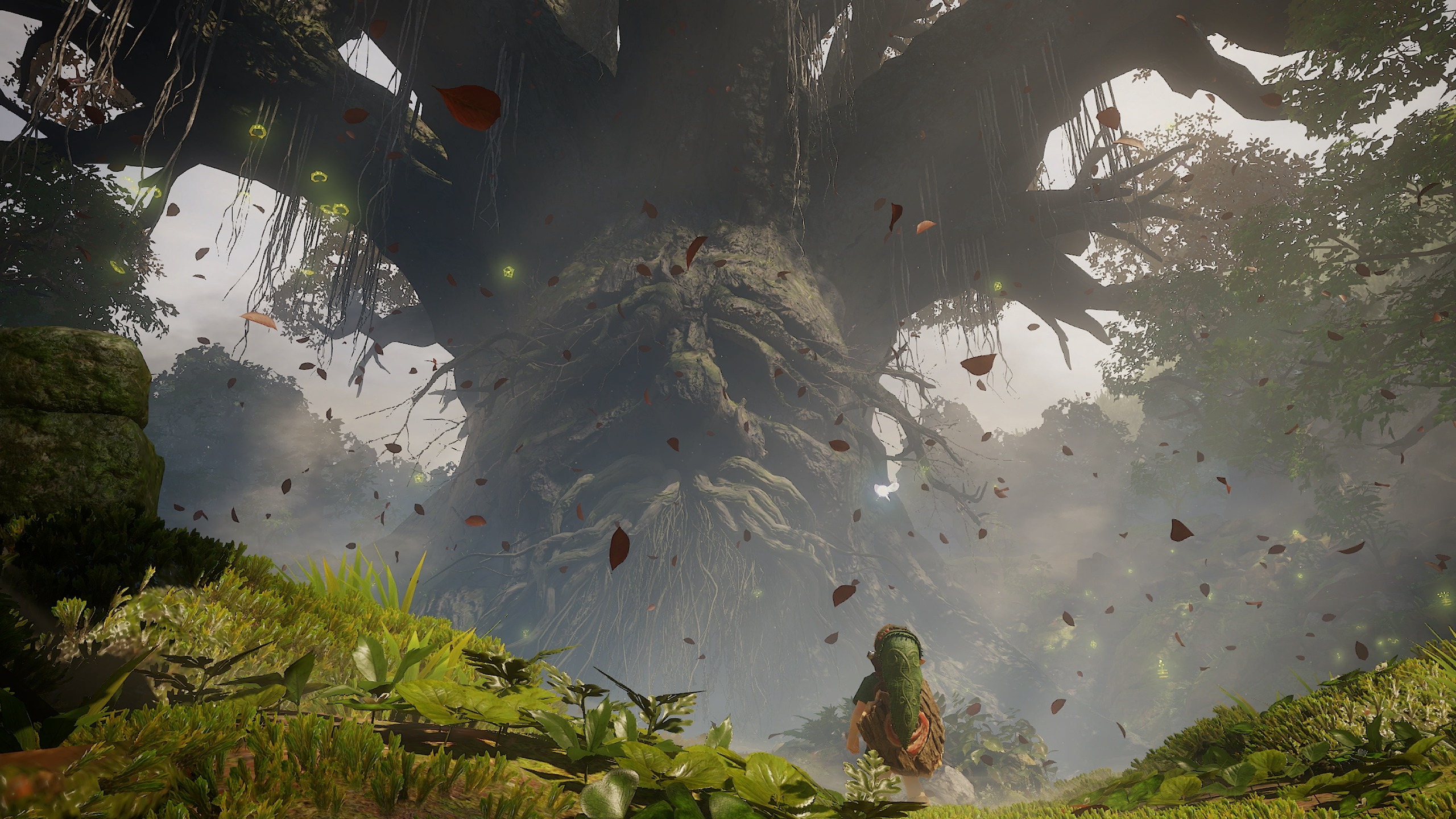
Rather than settling for a high-definition upscaling or a simple remaster, Nintendo appears to be treating this project as a complete reimagining of the Hyrulean epic. The first official look at the gameplay reveals a world built from the ground up, utilizing modern materials, advanced lighting engines, and a mechanical fluidity that seeks to honor the soul of the N64 original while discarding its archaic constraints.
A Technical and Artistic Overhaul: The Main Facts
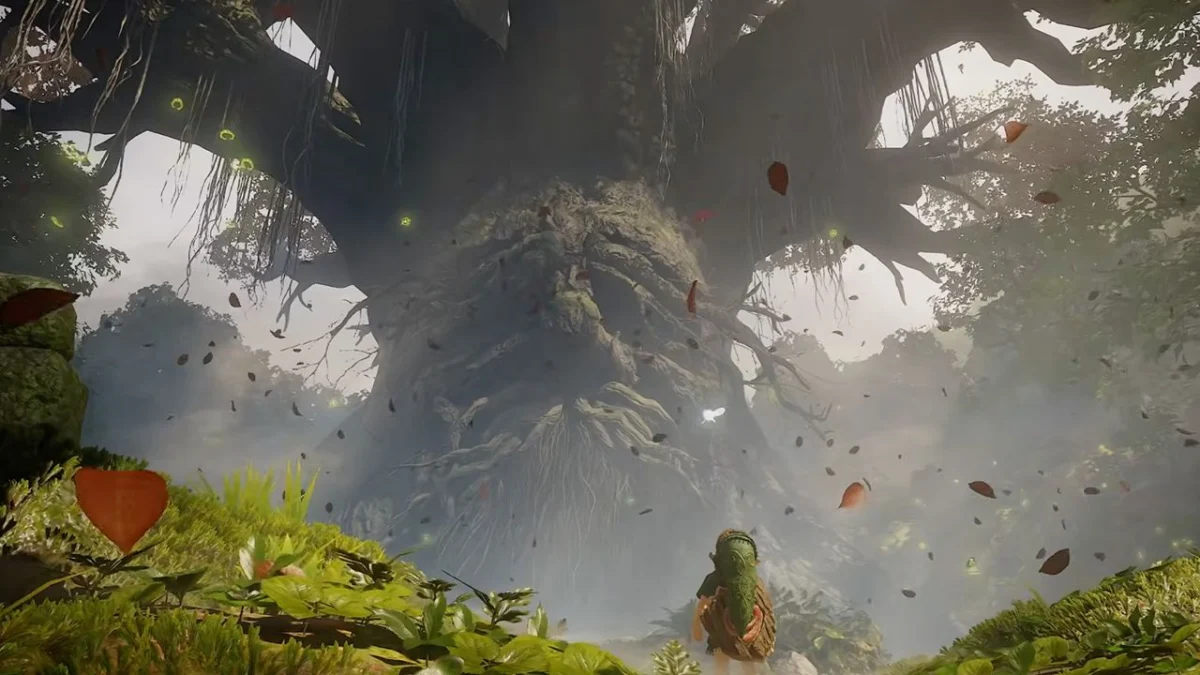
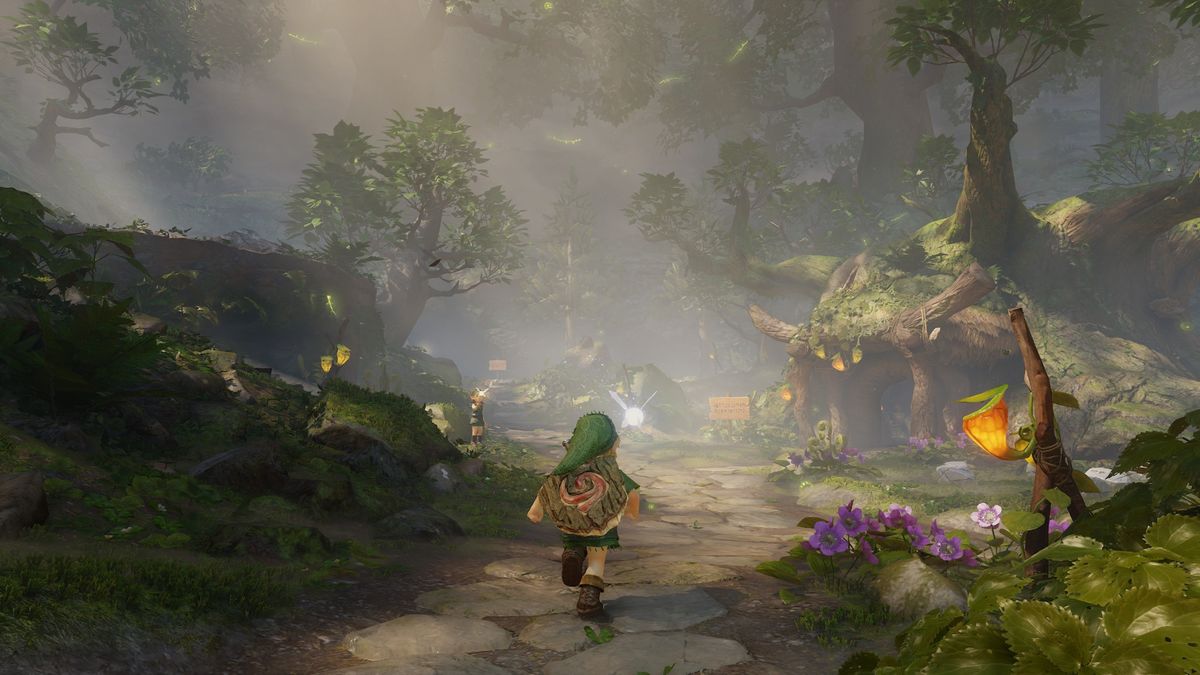
At its core, the Ocarina of Time remake is a study in preservation and evolution. The visual presentation strikes a delicate balance between the iconic aesthetic established in 1998 and the high-fidelity fantasy style seen in modern entries like Breath of the Wild and Tears of the Kingdom.
The environments have been entirely reconstructed. Players can expect to see a Hyrule that feels lived-in and organic, with dynamic weather systems and lighting that reacts to the time-of-day cycle. Perhaps most significantly, the movement system has received a complete overhaul. Link is no longer confined to the rigid, grid-like movement patterns of the N64 era. Instead, players will enjoy a free camera and an expanded suite of movement options, including fluid jumping, swimming, and climbing mechanics that feel closer to modern action-adventure standards than the original’s experimental 3D design.
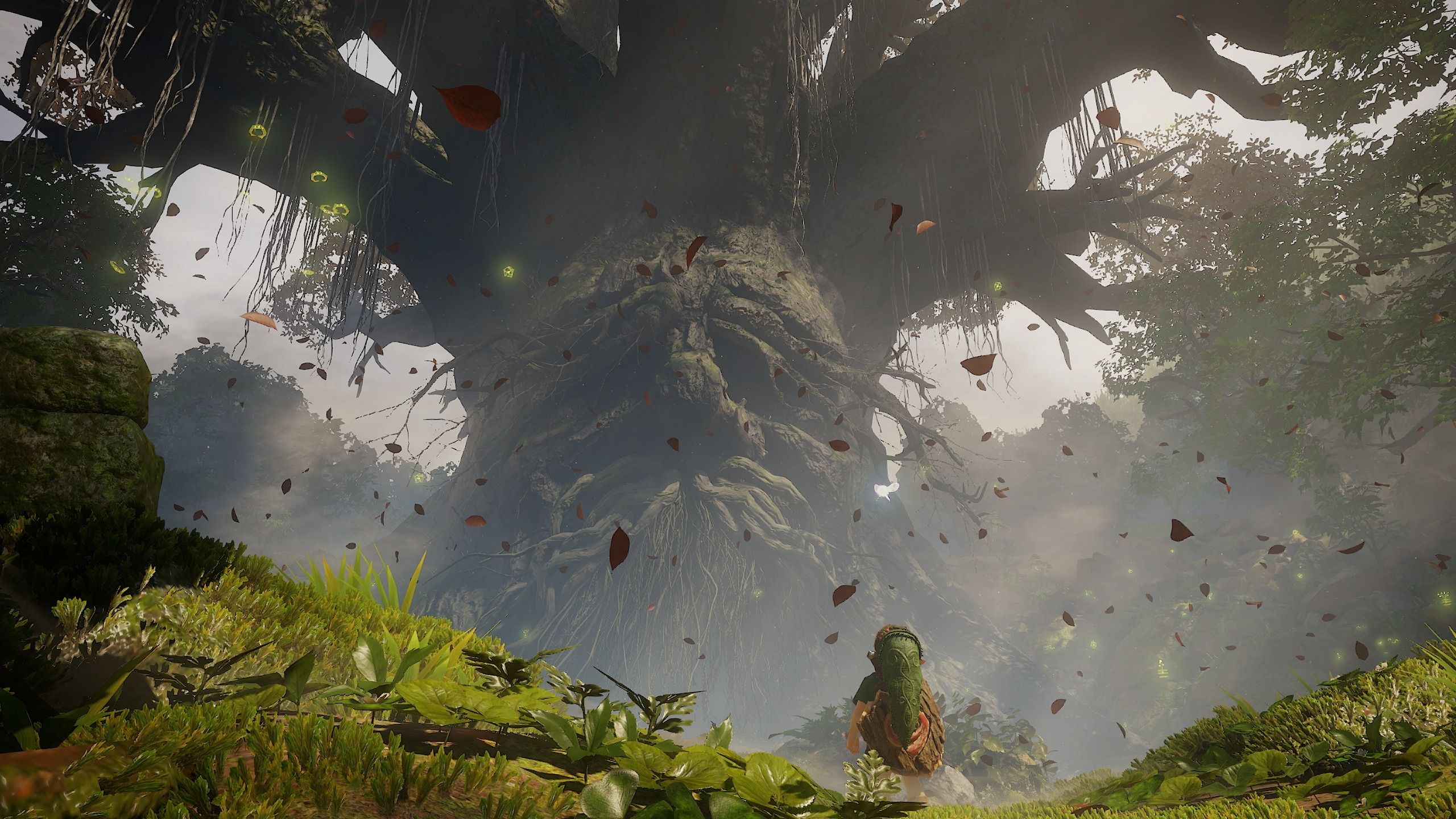
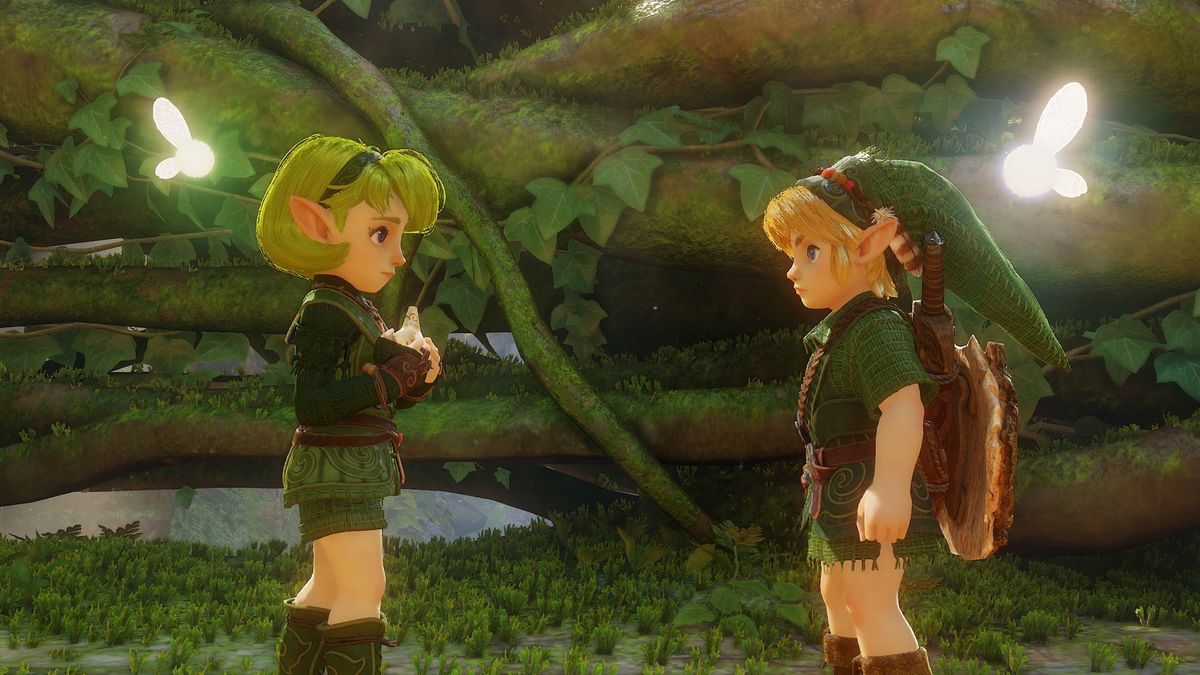
The character models, particularly Link, have undergone a significant "glow-up." While his silhouette remains unmistakably that of the Hero of Time, the detail in his attire, facial expressions, and equipment is vastly improved. This level of detail extends to the denizens of Hyrule, providing a sense of immersion that was simply impossible during the original release.
From 1998 to 2026: A Chronology of Development
The journey to this remake has been a long and winding road. The Legend of Zelda: Ocarina of Time was released in November 1998, instantly becoming one of the most critically acclaimed games in history. For nearly three decades, it has served as the gold standard for 3D game design, setting the template for how players navigate and interact with virtual worlds.
Following the success of the 3DS remake in 2011, fans have consistently clamored for a console-grade return to the world of Ocarina. However, Nintendo remained historically cautious, seemingly wary of tampering with a game that occupies a sacred space in the hearts of millions. The shift in strategy appears to have occurred with the development of the Nintendo Switch 2. As the company looked to showcase the capabilities of its next-generation hardware, Ocarina of Time was identified not just as a nostalgia play, but as a technical testbed for the console’s prowess.
The first tangible signs of the project emerged in June, with a cryptic teaser during a Nintendo Direct. That brief clip, which showcased a high-fidelity look at a young Link, sparked intense debate. Since then, the development team has been working in relative secrecy to ensure that the "feel" of the game remained intact while the "look" was brought into the modern era.
Innovation Under the Hood: Supporting Data and Mechanics
One of the most radical departures from the original game is the implementation of the Ocarina itself. In the 1998 version, players memorized button combinations to trigger magical effects. In the Switch 2 version, Nintendo is leaning into the console’s advanced peripheral capabilities. Players will have the option to hum, sing, or play the notes into the console’s microphone, with the game’s audio processing engine translating these inputs into Link’s in-game performance.
Furthermore, the introduction of a "Threads of Time" system represents a sophisticated navigation aid. Rather than guiding players with explicit waypoints, this system allows users to track the flow of events across different eras of Hyrule. Because time continues to pass as you explore—affecting town life, market availability, and NPC behaviors—the world feels significantly more dynamic and reactive.
The technical specifications also suggest that Nintendo is leveraging the Switch 2’s ray-tracing capabilities to manage lighting in dungeons. The iconic Temple of Time, for instance, now features light shafts that shift with the sun, creating an atmosphere of reverence that the original could only simulate through static textures.
The Developer’s Dilemma: Official Responses
During the recent Zelda 40th Anniversary Direct, series producer Eiji Aonuma offered insight into the philosophy behind the remake. Aonuma described the project as a "faithful interpretation using modern technologies." He emphasized that the goal was never to replace the original, but to provide a version that matches the clarity of the memories fans have formed over the last 28 years.
"We recognize that people don’t remember the blocky models of 1998," Aonuma explained during the presentation. "They remember the scale, the emotion, and the wonder. Our job is to bridge the gap between the limitations of the past and the expectations of the present. If we change too little, we fail to justify the update. If we change too much, we lose the magic that made the game special in the first place."
Aonuma’s team has been working closely with key legacy developers who were present during the original 1998 production to ensure that the "game feel"—the specific speed of movement, the responsiveness of the combat, and the pacing of the puzzles—remains consistent with the original intent.
The Psychology of Nostalgia: Implications for the Industry
The remake of Ocarina of Time touches on a broader trend in the video game industry: the struggle to balance legacy with progress. When a title is as foundational as Ocarina, the developers are not just competing against their own past work; they are competing against the subjective, idealized versions of the game existing in millions of players’ minds.
Industry analysts suggest that this project could set a new benchmark for how legacy content is handled on new hardware. If Nintendo succeeds in capturing the "spirit" of the game while utilizing the raw power of the Switch 2, it could validate a new strategy for the company—one where their back catalog is not just emulated, but actively reimagined for new generations.
However, the pressure is immense. The discourse surrounding the game has already become a flashpoint for fan debate. Some argue that any change to the fundamental design is a form of sacrilege, while others contend that a 28-year-old game needs to be modernized to be playable by contemporary audiences who have grown accustomed to the freedoms of modern open-world design.
Conclusion: The Final Verdict Awaits
Ultimately, the true test of this remake will come on November 5th. Nintendo has correctly identified that a "simple texture pack" would have been an insult to the legacy of the Legend of Zelda franchise. By choosing to rebuild the world, modernize the controls, and integrate new, intuitive gameplay mechanics, they have signaled that they are willing to take risks to preserve the relevance of their most iconic title.
Whether or not the "Threads of Time" system or the microphone-based Ocarina mechanics will be embraced by purists remains to be seen. But the ambition on display is undeniable. As we prepare to return to Hyrule, one thing is clear: Nintendo is not looking to merely repeat history. They are looking to write a new chapter for the Hero of Time, ensuring that even after 40 years of the series, the journey remains as vital and exciting as it was in the winter of 1998.
As fans prepare for the release, the debate will surely continue. But for now, the most anticipated game of the year is not a sequel, but a return to a place that many players have been calling "home" for nearly three decades. The wait is almost over, and soon, we will all know if the legend holds up under the weight of its own legacy.