Sagoh
Sagoh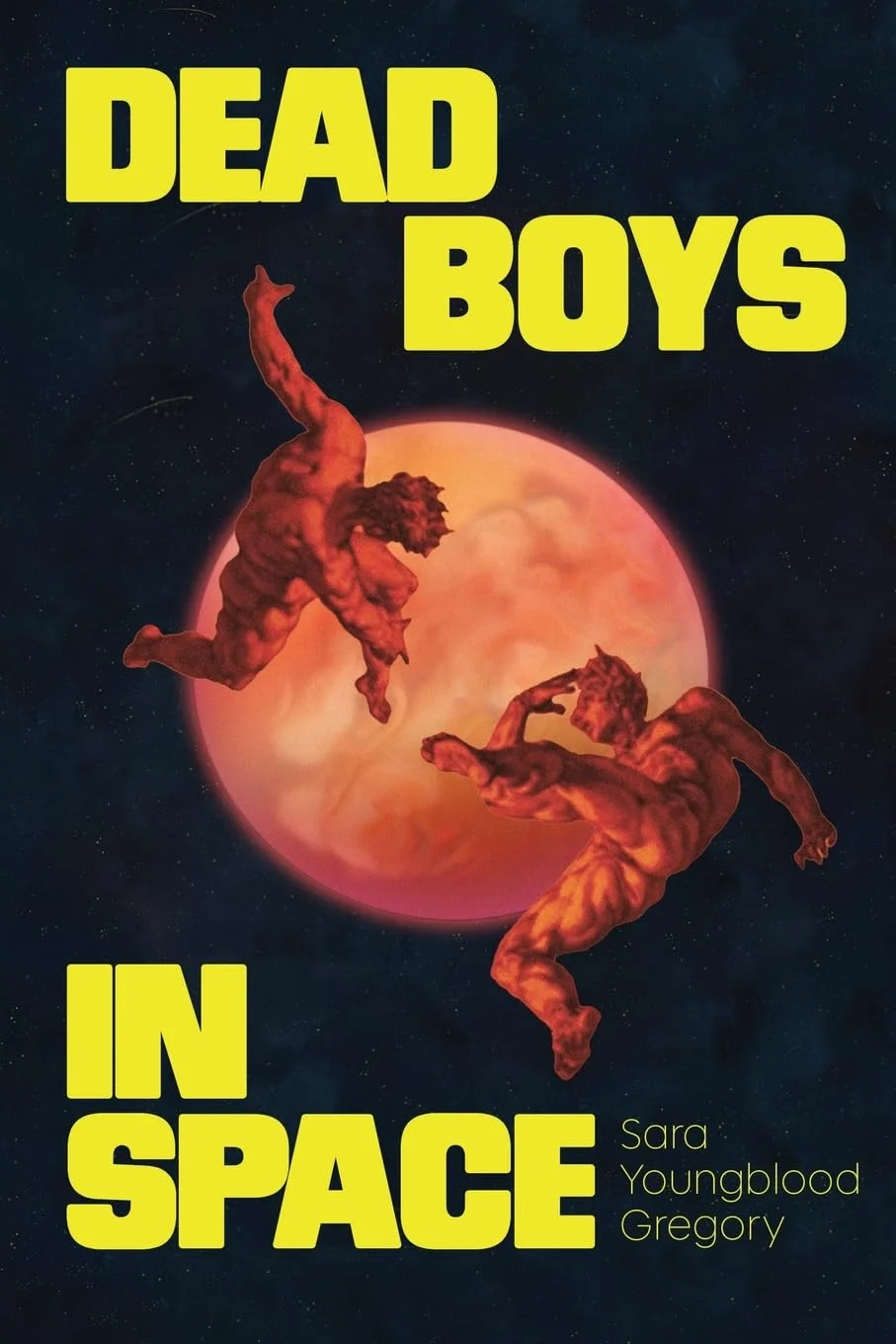
The acknowledgments of Sara Youngblood Gregory’s new poetry collection, Dead Boys in Space, conclude with a haunting, elegiac admission: “Thank you to the ghosts that live at the heart of this collection. I’m sorry you don’t get to read it. I’m sorry I had reason to write it.” This sentiment serves as the thematic anchor for a work that functions simultaneously as a memorial, a political manifesto, and a radical exercise in science-fictional catharsis.
At its core, Dead Boys in Space is a meditation on the AIDS crisis and its long-shadowed aftermath. Written from the perspective of a lesbian woman mourning an older brother lost to the epidemic, Gregory’s poetry navigates the intersection of personal bereavement and collective historical trauma. By layering the harsh realities of the 1980s and 90s against the expansive, detached canvas of space travel, Gregory achieves a unique synthesis: a book that is as much about the endurance of the queer community as it is about the grief of those left behind.
The Architecture of Absence: A Chronology of Loss
To understand Dead Boys in Space, one must look at how the collection structures time. Gregory does not treat grief as a linear path, but as a recursive loop. The collection opens with the poem “the only thing you need to know about him is that he’s not here,” which establishes the conceit of the entire book: the poetic voice cannot envision a future where she and her brother meet, but she can conjure a reality where he persists elsewhere.
“Suppose, you, living on Mars,” she writes, inviting the reader into a world where the laws of physics are superseded by the requirements of love. This fantasy is deliberately juxtaposed with mundane, earthbound desires—the brother “party[ing],” “sleep[ing] around,” and “nursing a drink”—grounding the celestial imagery in the tactile, messy realities of queer life that the AIDS crisis sought to extinguish.
The collection then moves through a deliberate four-part structure:
- Rituals of Grief: Engaging with the immediate, painful inheritance of the epidemic.
- Political Context: Situating the loss of the brother within the broader, ongoing struggle for queer survival.
- The Centerpiece (Section Three): A fifteen-page prose poem that serves as the book’s alternate-history core.
- Resilience and Rebirth: A final section that pivots toward contemporary joy and the preservation of intimacy.
Supporting Data: The Intersection of History and Fabulation
Gregory’s work is deeply indebted to the literature of the AIDS crisis, drawing inspiration from figures like David Wojnarowicz, Paul Monette, and Caro De Robertis. In the poem “It used to be illegal for homosexuals to rest like this,” Gregory captures the modern queer experience of living under the threat of political hostility. She reflects on “bathroom bills and bedroom bans” and the biting irony of PrEP costs, noting that queer existence has become a target in an increasingly surveilled landscape.
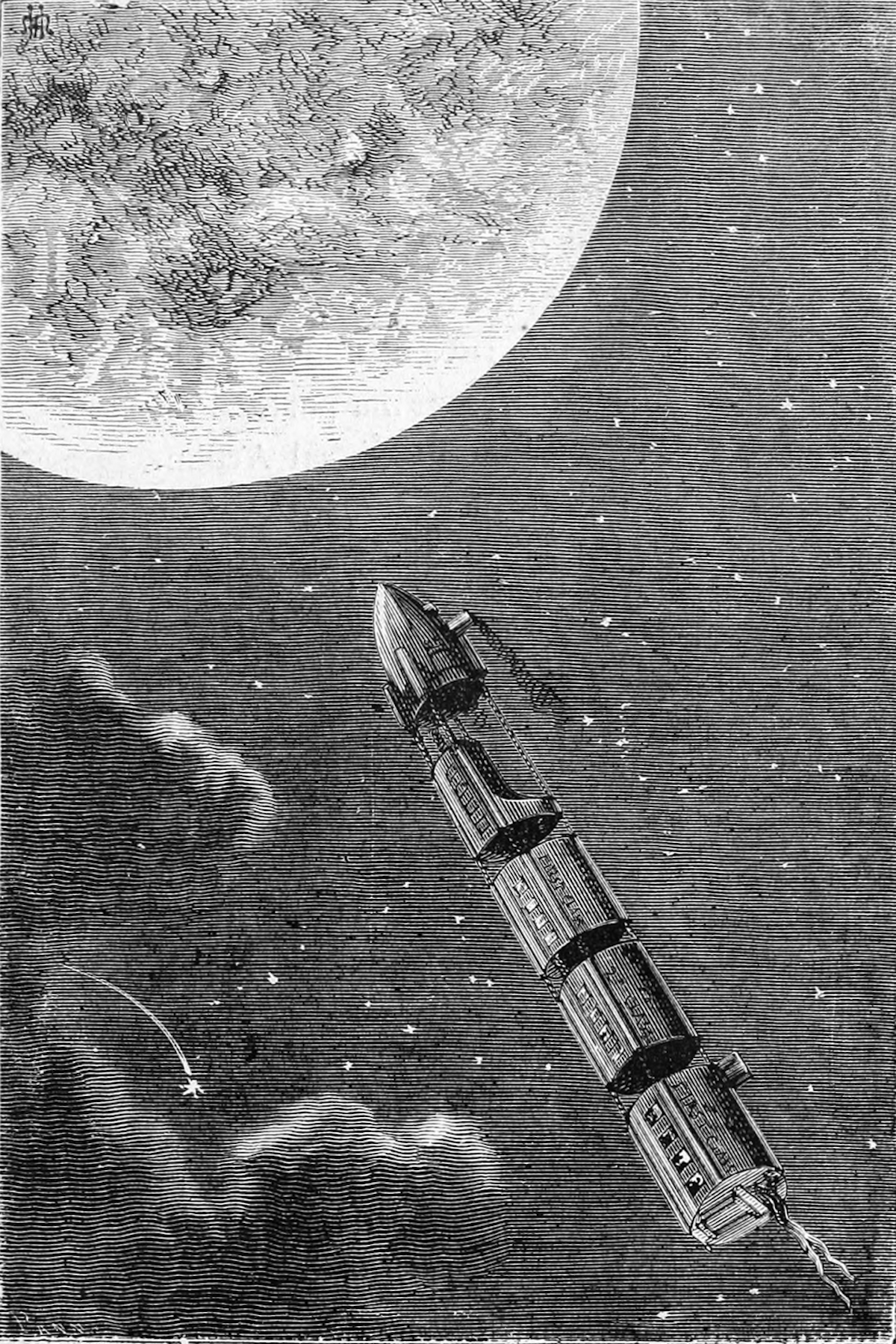
The centerpiece of the collection, “One Million Dead Men: An Empirical Investigation Into New Sodom,” represents an audacious shift in tone. Presented as a cold, academic transcript from the year 2577, the piece details a fictional alternate history. In this timeline, the U.S. government responds to the AIDS crisis not with public health initiatives, but by deporting 1.6 million gay men to a Lunar Base.
The “PROFESSOR” who delivers this lecture speaks with the detached, clinical cruelty of a bureaucrat. He describes the moon colony as a success, framing the mass displacement as an elegant solution to the “problem” of a population with an “expiration date.” This satire is a biting critique of how imperialist structures sanitize atrocity through the language of logic and science. Yet, the narrative subverts the Professor’s arrogance: the men on the Moon Colony do not die as expected. They disappear, leaving behind a pristine, functioning colony—an “overgrown jungle” of greenhouses and steam-filled showers—implying an escape into a new, liberated destiny.
Official Perspectives: The “Not-Knowing” of Memory
In recent interviews, including a feature with The Poetry Bookshop, Gregory has spoken about her interest in “the feeling of not-knowing.” She describes the process of writing this collection as a way of parsing memories that are inherently secondhand. Because the brother she lost died before she could fully know him as an adult, the collection becomes an act of construction.
The “official” historical accounts referenced in the book—the clinical reports and the academic transcripts—are contrasted with the “pearls” of personal memory. In the poem “Eulogy,” Gregory writes of her father mentioning her brother’s name, describing each syllable as a “pearl/spirited/up from some/precious/sinking/grief.” This highlights the tension between the state’s desire to forget and the family’s desperate, hard-fought labor to remember. For Gregory, maintaining a connection to the dead is not a passive act; it is a political accomplishment.
Implications: Building a World from the Ashes
The final section of the collection is a triumph of queer resilience. In “The center of the universe is a small-town gay bar,” the reader is transported from the cold silence of the moon to the vibrating, sweaty reality of a crowded dance floor. The poem, written in a single, unpunctuated stream of consciousness, mimics the intensity of a first encounter.
Here, the poetic voice finds a new partner, and the imagery is grounded in the physical: water beading on shoulders, the snap of tights, the intimacy of “looking at you hard.” It is a profound shift from the loneliness of the book’s earlier sections. The speaker becomes “music,” a transformation that signifies a rejection of the depersonalization imposed by society.
Why This Collection Matters
The implications of Dead Boys in Space are far-reaching. By marrying the brutal, documented history of the AIDS crisis with speculative, science-fictional elements, Gregory provides a roadmap for how modern queer writers can engage with the past without being crushed by it.
- Political Utility: The book serves as a reminder that the hostility queer people face today—the legislative attacks and the attempts at erasure—is a continuation of the same structures that fueled the neglect of the AIDS crisis.
- Literary Innovation: By utilizing the “cold” language of science fiction to tell a “hot” story of mourning and desire, Gregory proves that speculative genres are essential tools for processing trauma that feels too large to be contained by realism.
- Community Archiving: The collection acts as a living archive. It names the lost, honors the elders, and creates a space for the living to dance in the wake of those who never got to read the books they inspired.
Ultimately, Dead Boys in Space is not just a book about what was lost; it is a book about what remains. It posits that if the world has no place for queer joy, then queer people will simply build another one—perhaps on the moon, perhaps in the center of a small-town bar, perhaps in the lines of a poem that refuses to let the ghosts be forgotten. Sara Youngblood Gregory has crafted a work that is both a requiem for the dead and a defiant anthem for the living, cementing her position as a vital voice in contemporary American poetry. Through her inventiveness and her unflinching gaze, she has successfully transformed grief into a vessel for survival, ensuring that while her brother and his generation may be gone, they are never, in this world or any other, truly erased.

 Neng Nana
 Layla Zulfa