

In a move that has sent shockwaves through the foreign resident community in Japan, the Japanese government has unveiled a sweeping new fee schedule for immigration-related services. Following the legislative passage of amendments to the Immigration Control and Refugee Recognition Act this past May, the Immigration Services Agency (ISA) released detailed draft guidelines on July 3, 2026. These regulations represent the most significant restructuring of immigration costs in modern Japanese history, signaling a fundamental shift in how the nation manages its growing foreign population.
The proposed changes, slated for implementation on October 1, 2026, move away from the long-standing, modest flat-rate system. Instead, the government is introducing a tiered pricing model that ties the cost of administrative services directly to the length of residency granted. Most controversially, the cost of obtaining permanent residency (PR)—the "gold standard" for foreign residents—is set to skyrocket by 2,000 percent, a dramatic increase that has sparked immediate debate regarding the future of Japan’s international appeal.
The New Financial Landscape: What is Changing?
For decades, Japan has maintained relatively low barriers to entry regarding administrative costs. Visa renewals and changes in status-of-residence were traditionally processed at a flat fee of 6,000 yen (approximately US$37). Under the new guidelines, this flat-rate system is being dismantled.
Tiered Renewal and Application Fees
The new fee structure is designed to be progressive. Applicants seeking shorter periods of stay will face lower costs, while those granted longer periods of residence will bear a higher financial burden. This, according to the government, aligns the fee with the duration of the administrative oversight provided by the state.
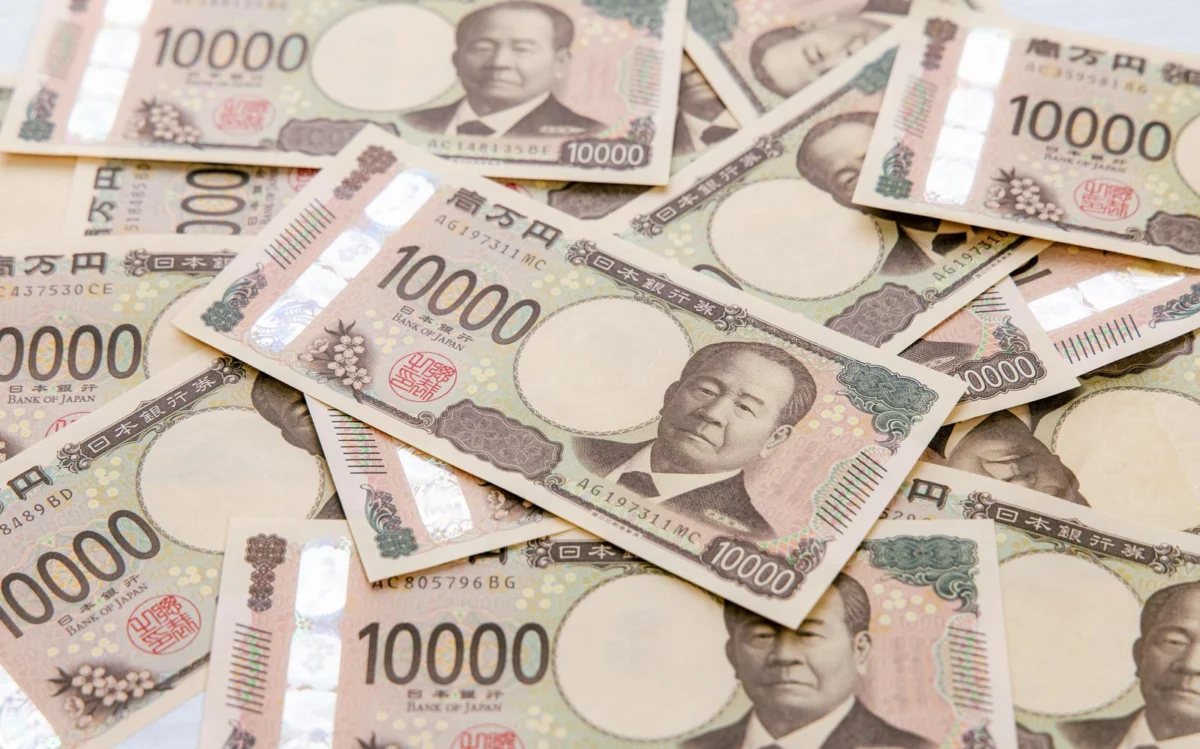
While the exact breakdown of the tiered structure for standard renewals is currently under government review, the most staggering figure is the permanent residency application fee. The cost to apply for PR is scheduled to jump from the current 10,000 yen (approx. $62) to a staggering 200,000 yen (approx. $1,237).
The Digital Incentive
In an effort to modernize its bureaucracy, the government is incentivizing the use of its digital portal. Online applications for visas exceeding three months will be eligible for a discount ranging from 3,000 to 10,000 yen. However, the government has explicitly stated that permanent residency applications must be processed in person, effectively barring applicants from accessing any digital fee reductions for the most expensive category.

A Chronology of Policy Evolution
To understand the suddenness of these changes, one must look at the timeline of the government’s shift in policy:
- May 2026: The Japanese Diet officially passes the revisions to the Immigration Control and Refugee Recognition Act, granting the government the legislative authority to set higher fee ceilings.
- Late May–June 2026: Rumors circulate regarding a potential four-fold increase in costs, which led to initial concern among the expatriate community.
- July 3, 2026: The Immigration Services Agency publishes the official draft guidelines, revealing that the 100,000 yen figure previously debated in media reports was a conservative estimate, with the actual proposed fee reaching 200,000 yen.
- July–August 2, 2026: A period of public consultation is opened, allowing stakeholders and the public to submit feedback on the draft proposals.
- October 1, 2026 (Targeted): The official implementation date for the new fee schedule.
Supporting Data: Contextualizing the Global Shift
Critics of the policy have pointed to the suddenness and magnitude of the increase, noting that a 1,900 percent jump is unprecedented for a government service. However, the Japanese government has framed these changes as an alignment with international norms.
Comparative Costs
When viewed against the backdrop of global immigration standards, Japan’s current 10,000 yen fee is indeed exceptionally low.
- United States: Permanent residency (Green Card) processing can cost well over $1,440.
- United Kingdom: Indefinite Leave to Remain (ILR) application fees can reach upwards of £3,200 (approx. $4,300).
- Australia: Permanent residency pathways often exceed AU$5,000 (approx. $3,470).
Despite these global comparisons, the new Japanese fee structure will position the country as the most expensive in Asia for permanent residency, far outpacing South Korea and Singapore. This has led to concerns that Japan may become less competitive in the global race for high-skilled talent, as the "cost of entry" for long-term stability rises significantly.
Official Justification and Government Strategy
Justice Minister Hiroshi Hiraguchi has been the primary voice defending the policy. During the announcement, Minister Hiraguchi argued that the costs associated with managing a complex, modern immigration system are rising. He emphasized that foreign residents should be expected to "bear an appropriate share" of the administrative expenses.
Revenue Projections and Reinvestment
The government estimates that these changes will generate between 690 billion and 920 billion yen (roughly $4.3 billion to $5.7 billion) in annual revenue. Officials have clarified that these funds are not merely for general government coffers but are earmarked for specific improvements:
- Immigration Administration: Improving the efficiency and speed of processing centers.
- Support Programs: Funding for the new, mandatory "Japanese Language and Lifestyle Learning Programme," which will be required for permanent residency applicants.
- Policy Development: Expanding integration initiatives for foreign workers as Japan continues to face a critical labor shortage.
Implications for Foreign Residents
The implications of this policy shift are manifold, affecting everything from personal financial planning to the long-term demographics of Japan.
The "Cost" of Integration
For many, the 200,000 yen fee serves as a psychological barrier. For students, researchers, and mid-career professionals living in Japan, saving for this fee will now require years of financial planning. While the government has noted that cases of "significant financial hardship" or "humanitarian grounds" may qualify for reduced fees (as low as 10,000 to 20,000 yen), the criteria for these exceptions remain strictly defined and difficult to meet.
The Impact on Talent Retention
Japan is currently struggling to retain global talent in sectors like technology, healthcare, and engineering. By significantly raising the cost of permanent residency, there is a risk that the country may inadvertently discourage those who are already integrated into Japanese society from making a permanent commitment. If Japan intends to remain an attractive destination for global citizens, the government may find that the financial hurdle of residency fees, combined with the new language and lifestyle requirements, creates a "bottleneck" effect.
A Shift in Bureaucratic Culture
Perhaps the most lasting implication is the shift toward a "user-pays" model for immigration. The era of low-cost, state-subsidized residency processing is coming to an end. As Japan moves toward a more automated, digitized immigration service, the government is clearly signaling that it expects foreign residents to participate in a system that is self-sustaining.
Conclusion
As the August 2 deadline for public comments approaches, the debate remains heated. On one side, the Japanese government views the fee increase as a necessary modernization and a way to fund essential support services for a growing demographic. On the other, the foreign community sees a sudden, significant financial barrier that complicates their ability to call Japan their permanent home.
Whether this move will lead to a more streamlined and well-funded immigration system or serve as a deterrent to the very talent Japan hopes to attract remains to be seen. For now, those looking to secure their future in Japan are advised to begin their preparations early, as the landscape of Japanese immigration is undergoing a transformation that will be felt for generations to come.











