Laily UPN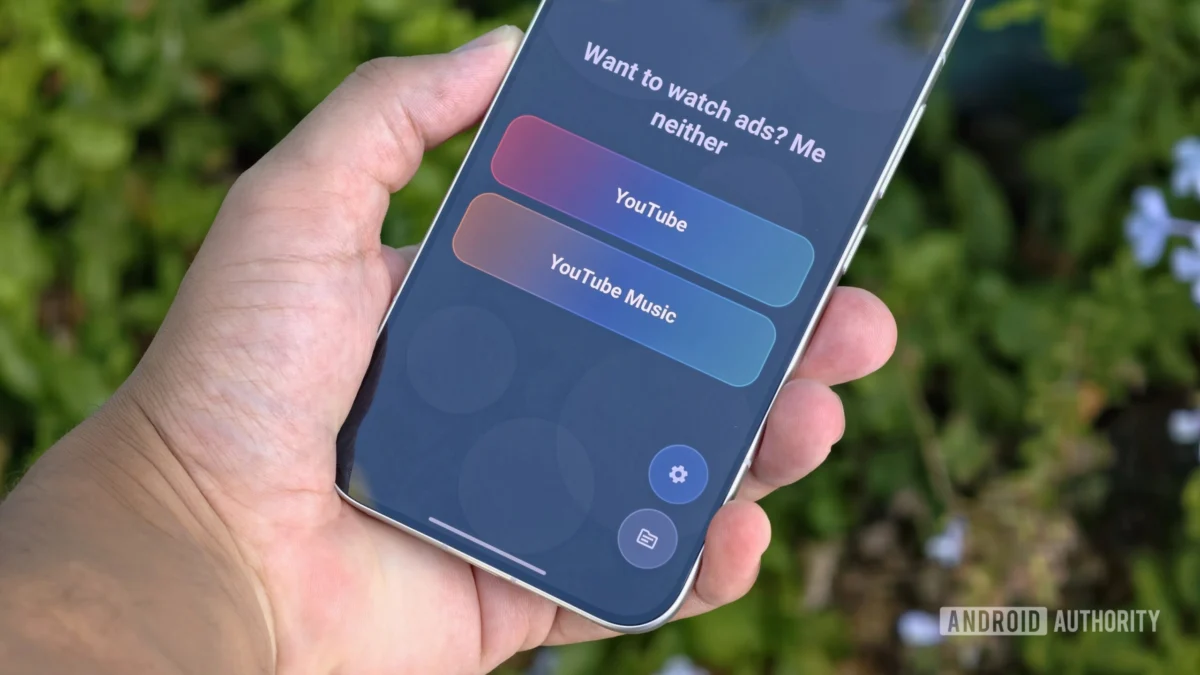
The landscape of digital media consumption is currently undergoing a quiet but significant transformation. For years, the "patching" community—a niche group of developers and tinkerers—has focused its efforts on modifying the YouTube experience to mirror the benefits of a Premium subscription. However, the recent emergence of Morphe, an open-source project founded by former Revanced developers and contributors, signals a broader pivot. Morphe has moved beyond its origins, now targeting the major streaming giants, with the latest development being a community-created patch for Amazon Prime Video on Android TV.
Main Facts: The Prime Video Ad-Blocking Patch
The latest headline in the open-source community is the release of a patch designed specifically for the Android TV version of Amazon’s Prime Video app. Developed by a member of the Morphe community with the assistance of Claude AI, this patch aims to strip away the intrusive advertising found on Amazon’s ad-supported membership tier.
It is critical to distinguish what this tool does and does not do. The patch is not a piracy tool; it does not bypass the requirement for a valid Amazon Prime subscription, nor does it provide free access to premium content. Instead, it functions as a surgical strike against ad-delivery mechanisms. By intercepting the app’s internal logic, the patch prevents the Prime Video client from scheduling and loading ad breaks. For users who pay for a Prime membership but are subjected to the company’s newer, ad-supported tier, this represents a way to return to an uninterrupted viewing experience.
The creator of the patch has noted that the process is designed for stability, advising users against using external DNS filtering or VPNs, which often conflict with the patch’s logic. Initial testing has been conducted primarily on the Walmart Onn 4K streaming stick, with the community now observing performance across a wider array of hardware, including NVIDIA Shield devices and various Google TV-enabled smart televisions.
A Chronology of the Morphe Project
To understand the significance of this development, one must look at the rapid evolution of the Morphe project over the last year.
- Early 2026: The Morphe project is officially launched. Comprised of former Revanced contributors, the initiative sought to create a more modular and robust framework for patching Android applications to unlock premium-like features.
- Mid-2026: Morphe successfully establishes itself as a successor to older patching methods, providing a reliable way to modify the YouTube and YouTube Music applications.
- Late 2026: The project begins to broaden its scope. Recognizing that the "ad-bloat" issue is not unique to Google’s ecosystem, the community starts experimenting with other popular streaming services.
- Recent Developments: The community achieves a breakthrough with Disney Plus, successfully creating patches to remove ads on Android TV. This paved the way for the current Prime Video release, which marks the most high-profile attempt to bypass advertising on a major retail-backed streaming platform.
Supporting Data: The Mechanics of Modern Streaming Ads
The proliferation of these patches is a direct response to the industry-wide shift toward "hybrid" streaming models. Amazon, Disney, Netflix, and others have moved away from purely subscription-based models to hybrid tiers, where users pay a monthly fee but are still served advertisements.
According to industry analysts, these ad-supported tiers are highly profitable for streamers, often generating more revenue per user than the standard ad-free subscriptions. However, for the end-user, this has resulted in a degradation of the "premium" experience. The Morphe patch acts as a form of "client-side filtering." Rather than attempting to block ads at the network level—which is increasingly difficult due to server-side ad insertion (SSAI) where the ad is stitched directly into the video stream—the Morphe patch manipulates the application’s bytecode. By convincing the app that an ad break is either not present or has already finished, the user experiences a seamless transition between segments.
Official Responses and Corporate Stance
To date, Amazon and other major streaming platforms have not issued public statements regarding the Morphe project specifically. However, the legal and corporate response to such tools is historically predictable.
Terms of Service (ToS) agreements for all major streaming platforms explicitly prohibit the modification of their applications. Amazon’s policy, for instance, mandates that users view content as intended by the platform, including the delivery of advertisements. By distributing a patched APK, the Morphe community is technically facilitating a breach of these agreements.
Furthermore, platforms often employ "integrity checks" within their apps. These are security features designed to detect if an application has been tampered with or modified. If Amazon detects that a user is running a version of the app that lacks the ad-loading modules, they have the technical capability to block that specific device from accessing their servers, effectively rendering the patch useless and potentially banning the user’s account.
Implications for the Future of Streaming
The rise of the Morphe community carries significant implications for both the tech industry and the consumer.
The Security Dilemma
One of the most pressing concerns is the security of the end-user. Patching an APK requires the user to trust the source of the patch. While the Morphe community is currently open-source and transparent, there is always a risk that malicious actors could distribute "trojanized" patches—versions of the app that contain the requested features but also include malware, spyware, or keyloggers. This is a persistent danger for anyone sideloading applications on Android devices.
The "Cat and Mouse" Game
The history of software modification is a perpetual game of cat and mouse. When a developer releases a patch, the streaming service eventually updates its app to introduce new integrity checks or obfuscation techniques that break the patch. The Morphe community will then need to update their tools to circumvent these new measures. This cycle creates a high-maintenance environment for users, who may find their streaming apps broken after a routine automatic update.
The Consumer Sentiment
The existence of Morphe highlights a growing friction between content providers and their subscribers. Many users feel that by paying a monthly fee for a service, they have fulfilled their financial obligation and that being forced to watch ads is a "double-dip" strategy. The popularity of these patches serves as a form of protest, signaling that a significant portion of the user base is willing to navigate the technical hurdles of sideloading and patching simply to reclaim an uninterrupted viewing experience.
Legal and Ethical Considerations
From a legal standpoint, the situation is complex. While "reverse engineering" software for interoperability is protected in some jurisdictions, bypassing digital rights management (DRM) or intentionally circumventing technological protection measures can violate laws such as the Digital Millennium Copyright Act (DMCA) in the United States. While the Morphe project has not yet faced major litigation, the expansion into paid streaming services puts them in a much more precarious legal position than they were in when they focused solely on YouTube.
Conclusion: A Temporary Solution or a New Norm?
The release of the Prime Video Android TV patch by the Morphe community is a testament to the ingenuity of independent developers and the increasing frustration of the streaming audience. While it offers a reprieve from the rising tide of advertisements, it is an inherently fragile solution.
For the average consumer, the convenience of a "set it and forget it" streaming experience remains the gold standard. However, for those comfortable with the technical demands of Android modification, Morphe provides a powerful, if temporary, way to dictate the terms of their own media consumption. As streaming companies continue to tighten their control over their platforms and experiment with more aggressive ad models, projects like Morphe will likely continue to grow in complexity and popularity, forcing the industry to reckon with a user base that is increasingly tech-savvy and unwilling to accept the status quo.
Whether this community can survive the inevitable corporate pushback remains to be seen, but for now, the patches are working—and that is enough to ensure the project continues to make waves.

 Ali Ikhwan
 Rifan Muazin