By Olivia Tauber
August 2, 2026
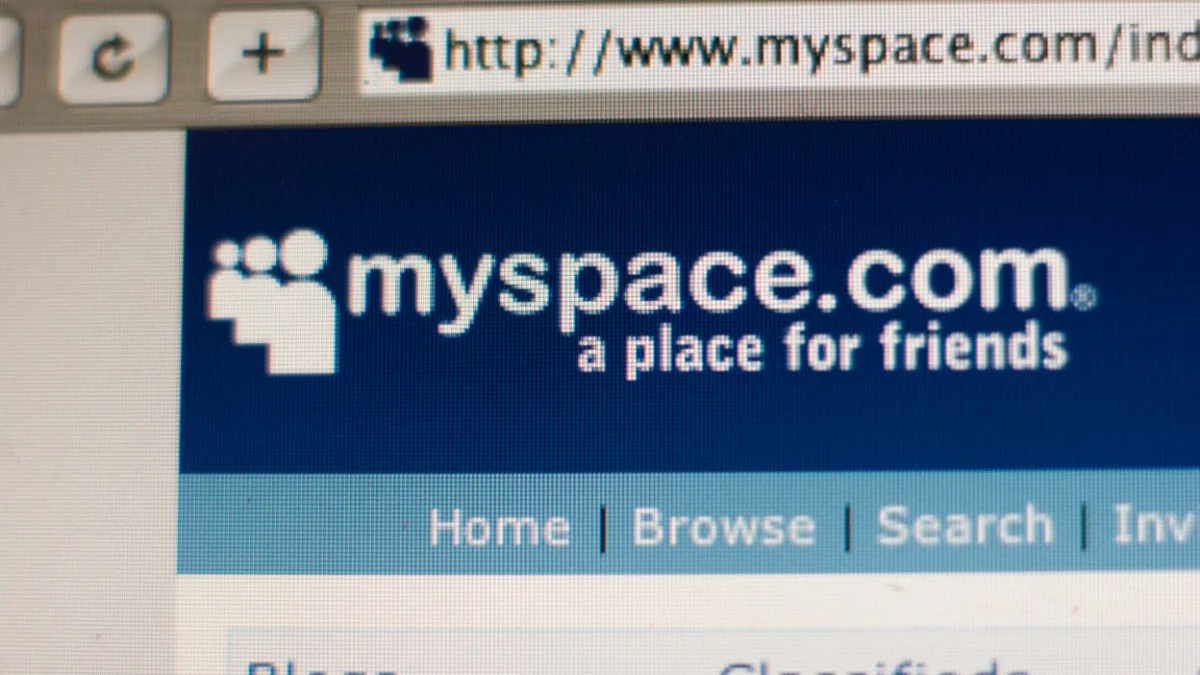
Start rearranging your "Top 8" and dusting off your HTML skills: the internet’s original social media juggernaut, Myspace, is officially being primed for a comeback.
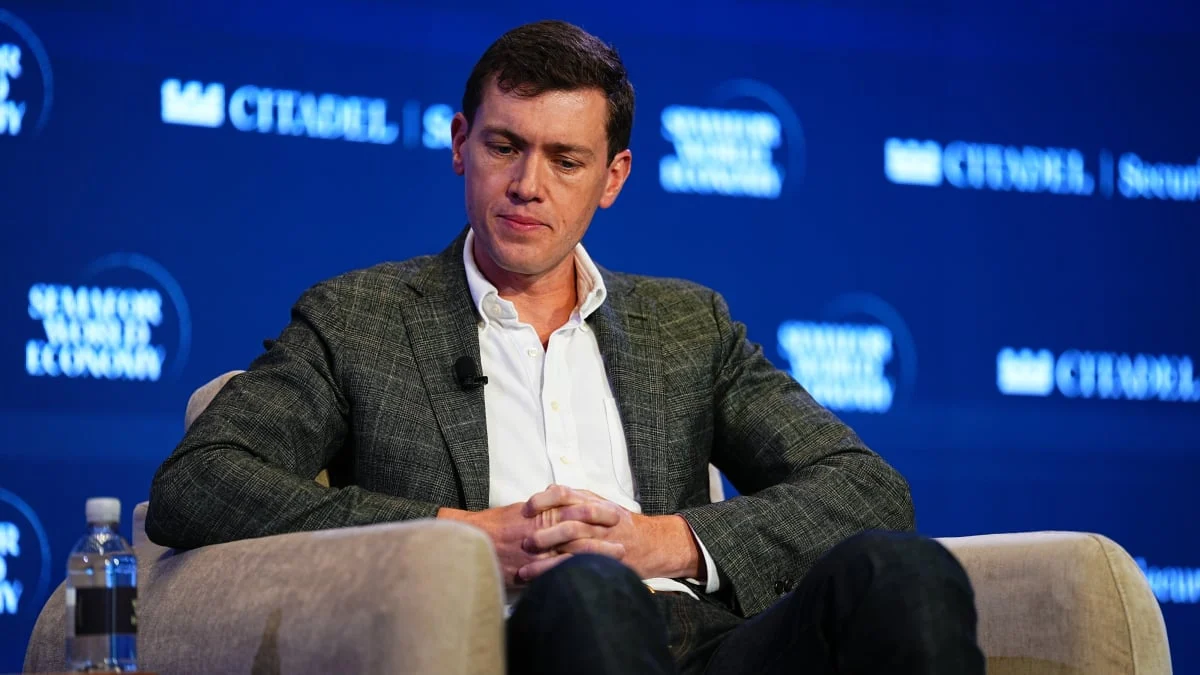
Chris and Tim Vanderhook, the brothers whose company acquired the platform back in 2011, have confirmed their intentions to relaunch the site that once defined the early digital age. While the news has sent waves of nostalgia across social media, the announcement—made during director Tommy Avallone’s recent documentary Myspace—remains shrouded in mystery. With no specific launch date, feature set, or design philosophy currently public, the project stands as a bold promise in an industry that has fundamentally transformed since the site’s 2006 peak.
The Chronology of a Digital Icon
To understand the weight of a potential Myspace return, one must revisit the landscape of the early 2000s. Launched in 2003 by co-founders Tom Anderson and Chris DeWolfe, Myspace wasn’t just a social network; it was a digital playground. Unlike the sterile, algorithmic feeds of today, Myspace was defined by radical, often chaotic individual expression.
By July 2006, the platform had officially eclipsed Google and eBay to become the most-visited website in the United States. It was the era of custom CSS, glittering cursor trails, and the dreaded auto-playing profile song that served as the soundtrack to a user’s personality. It was also a critical hub for the music industry. Before the dominance of Spotify or TikTok, artists like Adele, Arctic Monkeys, and Calvin Harris used the platform to cultivate fan bases, upload demos, and communicate directly with listeners.
However, the rapid growth was followed by a turbulent decline. News Corp acquired the platform for $580 million in 2005, only to watch as Facebook’s cleaner, more uniform interface peeled away its user base. By the time the Vanderhook brothers and partner Justin Timberlake acquired the site for a mere $35 million in 2011, it was a shadow of its former self. A 2013 pivot toward a music-centric redesign failed to capture the public imagination, and the brand eventually faded into the background of internet history.
The Economics of a Comeback
The Vanderhook brothers have been candid about the financial hurdles they faced during their initial ownership. In the new documentary, Tim Vanderhook admitted that the company lost over $150 million attempting to rebuild the platform post-acquisition. Advertisers, wary of the site’s declining relevance, pulled their contracts, leading to an expensive and ultimately unsuccessful attempt to modernize the user experience.

Despite these losses, the brothers maintain that the "right time" for a relaunch is on the horizon. "We still own Myspace," Tim Vanderhook stated in the film. "We are going to relaunch Myspace. We’re just waiting for the right time to do it." When asked what would happen if the next iteration fails to gain traction, he was characteristically undeterred: "We’ll just do it again."
This tenacity speaks to the enduring value of the Myspace brand, even if the user base remains fragmented. Whether the relaunch is a sincere attempt at building a new social ecosystem or a play on the rising "retro-tech" market remains to be seen.
Supporting Data: Why Users Are Seeking an Alternative
The announcement of a Myspace return comes at a time of profound user fatigue. As the modern social media landscape becomes increasingly dominated by AI-curated feeds, short-form video, and aggressive monetization, many users are looking for a return to "social" media that actually involves their social circles.
A 2026 study conducted by the Institute for Public Policy Research analyzed the feeds of 1,000 active social media users and found that only 18 percent of the first four posts seen were from friends or family. Conversely, 35 percent of content consisted of influencers or public figures, and 29 percent was dedicated to advertisements or branded content. This shift toward "sticky" features—designed to keep users scrolling rather than connecting—has left a void for the type of community-based interaction that defined early social platforms.
The desire for an alternative is reflected in recent consumer behavior. A 2026 Deloitte survey found that 70 percent of Irish consumers feel they spend too much time on their phones, with 25 percent having deleted at least one social media app in the past year. When asked why, respondents cited a lack of authentic connection, excessive ads, and the feeling that their digital time was being "consumed" rather than spent.
The "Tom" Factor and Public Sentiment
Adding to the intrigue is the separate, informal campaign led by the site’s original face, "Myspace Tom" (Tom Anderson). In January 2026, Anderson posted on Threads, stating that if his account reached 1 million followers, he would consider discussing a revival of the platform. The post garnered 15,000 likes and 2,000 comments in just 24 hours, proving that for a generation of millennials, the "Myspace feeling" remains a powerful brand asset.
However, Anderson is not involved in the current plans of the Vanderhook brothers. This creates a strange, bifurcated future for the brand: the official owners are planning a relaunch, while the public nostalgia is inextricably linked to the founder who long ago moved on from the company.

The Implications: Can You Recreate a Feeling?
The central question remains: What would a 2026 version of Myspace actually look like?
If the owners attempt to recreate the old, customizable, "wild west" version of the site, they face significant technical and cultural challenges. The internet of 2006 was built on open-ended creative freedom, but it also suffered from slow load times, security vulnerabilities, and, occasionally, a chaotic user interface that made sites nearly unreadable.
Conversely, if they build a modern, polished platform, they risk losing the very thing that made Myspace special. As one user noted on Reddit, "The customization was the draw, but it was also the barrier." The nostalgia for "Top 8" and profile songs is strong, but modern users have grown accustomed to the high-performance, mobile-first design of current apps. Bridging the gap between the chaotic, personalized internet of the past and the high-speed, algorithmic present is a massive undertaking.
Conclusion: A Promise, Not a Product
For now, the return of Myspace is closer to a promise than a concrete product. There is no beta testing, no timeline for release, and no clear mission statement regarding the platform’s utility in 2026.
However, the excitement surrounding the news is a testament to the fact that people are not just looking for a new app—they are looking for a different way to interact online. Whether or not the Vanderhooks can succeed where they previously failed depends on their ability to solve the current crisis of social media: the loss of human connection in favor of engagement metrics.
As it stands, we are waiting to see if this is a genuine attempt to reshape the digital landscape or merely a nostalgic footnote in the history of the web. One thing is certain: if they do launch, there will be millions of people ready to log in, if only to see if their old profile is still there.