Nana Muazin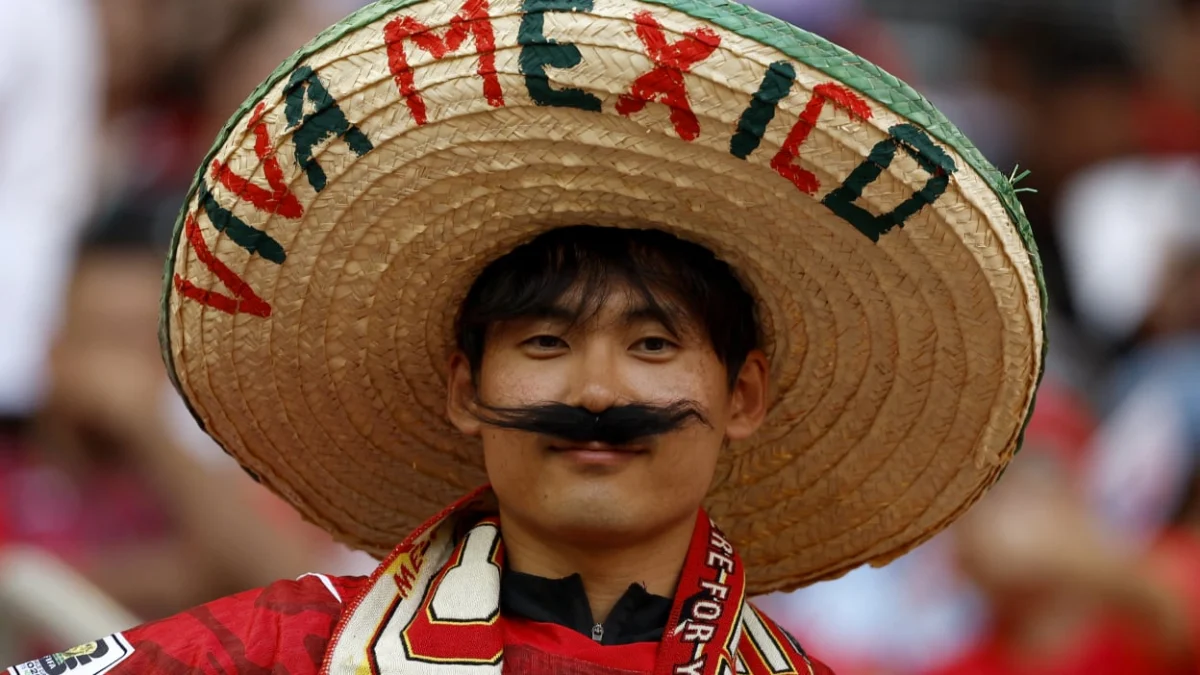
By Crystal Bell
June 18, 2026
If the FIFA World Cup were a romantic comedy, the narrative arc between Mexico and South Korea would undoubtedly be the "strangers-to-lovers" trope that audiences adore. As the two nations prepare for a pivotal Group A showdown this evening, the atmosphere is defined not by the usual vitriol of international sports, but by a genuine, heartwarming camaraderie that has become one of the most endearing subplots of the 2026 tournament.
In the streets of Guadalajara, the typical pre-match tension has been replaced by a festive, cross-cultural exchange. Supporters from both countries have been spotted engaging in impromptu performances of "Gangnam Style," chanting the names of BTS members, and sharing rounds of tequila. It is a scene that defies the conventional script of competitive football, yet it feels entirely organic to a relationship that has blossomed over nearly a decade.
The Foundations of an Unlikely Alliance
To understand why fans from Mexico and South Korea are currently treating each other like long-lost siblings, one must look back to the 2018 World Cup. That tournament served as the catalyst for a diplomatic bond that transcended the pitch. During the group stage, South Korea pulled off a miraculous 2-0 upset against reigning champions Germany.
The result was seismic: it effectively paved the way for Mexico to advance to the knockout rounds. The reaction in Mexico City was instantaneous and iconic. Mexican supporters flooded the South Korean embassy, chanting, "Coreano, hermano, ya eres Mexicano" ("Korean brother, you’re already Mexican"). The gesture was more than a passing meme; it was a profound acknowledgement of a shared fortune. Fans even took to crowdfunding beer to toast their Korean counterparts, cementing a bond of mutual appreciation that has only deepened with time.

A Cultural Convergence: Beyond the Pitch
The "friendliest rivalry" in the World Cup is not merely a product of sporting happenstance; it is deeply rooted in a burgeoning cultural exchange. Over the last eight years, Mexico has emerged as one of the most significant markets for South Korean pop culture outside of Asia.
The "Hallyu" wave—or the Korean Wave—has swept through Mexican youth culture, with K-pop acts consistently selling out massive venues across the country. According to industry data from Spotify, Mexico ranked fifth globally for K-pop consumption in 2025. This deep-seated familiarity with Korean music, food, and media meant that when South Korean fans arrived for the 2026 World Cup, they were not met by foreign rivals, but by a population that felt a sense of kinship with their culture.
This cultural synergy was on full display earlier this month when hundreds of Mexican supporters gathered at the South Korean team’s hotel in Guadalajara. The scene was less like a hostile environment for an away team and more like a celebrity homecoming. Social media was flooded with videos of local fans greeting players, further solidifying the narrative that, regardless of the scoreline, these two nations share a unique, permanent connection.
The Complexity of Match Day
Despite the goodwill, Thursday’s Group A match remains a high-stakes competitive fixture. The "awkwardness" of the situation is palpable; after all, every good romance requires some level of conflict to keep the story interesting. Both teams enter the match with ambitions to progress deep into the tournament, and for 90 minutes, the songs, the tequila, and the shared K-pop playlists must be set aside in favor of tactical execution.
The paradox of the match is best summarized by the sentiment of many fans on social media: "Whoever wins, that’s my team." It is a refreshing, if somewhat confusing, perspective for a tournament that is usually defined by tribalism and regional animosity.

Chronology of a Growing Friendship
- June 2018: The "Miracle in Kazan." South Korea defeats Germany, effectively securing Mexico’s path to the Round of 16. Mexican fans celebrate outside the South Korean embassy in Mexico City, birthing the "Coreano, hermano" mantra.
- 2019–2024: The cultural boom. Mexico consistently ranks among the top global consumers of K-pop, and bilateral cultural festivals increase in frequency in cities like Mexico City and Seoul.
- August 2025: Spotify data confirms Mexico remains a top-five global hub for K-pop, signaling the depth of the cultural integration.
- June 2026: The World Cup arrives in North America. The camaraderie between the two fanbases dominates social media trends, creating a "wholesome" narrative that captures global attention.
- June 18, 2026: Match Day. Mexico and South Korea meet in Group A, testing the strength of their bond under the pressure of professional competition.
Supporting Data: Why This Matters
The economic and social implications of this "friendship" are significant. FIFA organizers have noted that the intermingling of these fanbases has created a safer, more inclusive environment for attendees. Security reports from the host cities have indicated a notable lack of incident between the two groups, a stark contrast to the high-security protocols often required for traditional rivalries.
From a sociological perspective, this phenomenon represents a new era of "fandom diplomacy." In an increasingly digital world, where social media allows fans to curate communities based on shared interests—whether it be the tactical nuance of a football match or the aesthetic of a K-pop music video—the traditional barriers of national identity are becoming more porous.
Official Responses and Perspectives
While the players remain focused on the tactical requirements of the match, the management teams have acknowledged the unique energy surrounding this fixture.
"We are aware of the support," a spokesperson for the South Korean football delegation noted during a pre-match press conference. "It is a rare and humbling experience to feel so welcomed in a country so far from home. We respect the Mexican fans, but our job tomorrow is to play for our country and for our own fans back home."
Similarly, members of the Mexican national team have expressed gratitude for the positive atmosphere. "The fans have created something special," a veteran Mexican midfielder remarked. "But when the whistle blows, the friendship stays on the sidelines. We want to win, and we expect them to want to win as well."

Implications for Future Tournaments
The Mexico-South Korea narrative provides a blueprint for what the World Cup could look like in an era of global connectivity. By moving away from the "us-vs-them" mentality that has historically plagued international sports, these fanbases have created an experience that enhances the value of the tournament for everyone involved.
As we look toward the remainder of the 2026 World Cup, the question remains whether this camaraderie will persist if the teams meet again in the knockout stages. However, for now, the world is watching a rare instance of sportsmanship that feels genuinely authentic.
Whether the match ends in a decisive victory or a hard-fought draw, the legacy of this "friendliest rivalry" is already secure. It serves as a reminder that the World Cup is, at its core, a celebration of global humanity. For one night in June, Mexico and South Korea are proving that football has the power not just to divide, but to unite in ways that are as unexpected as they are beautiful.


 Asep Darmawan
 Sagoh
Sagoh