Nana
Nana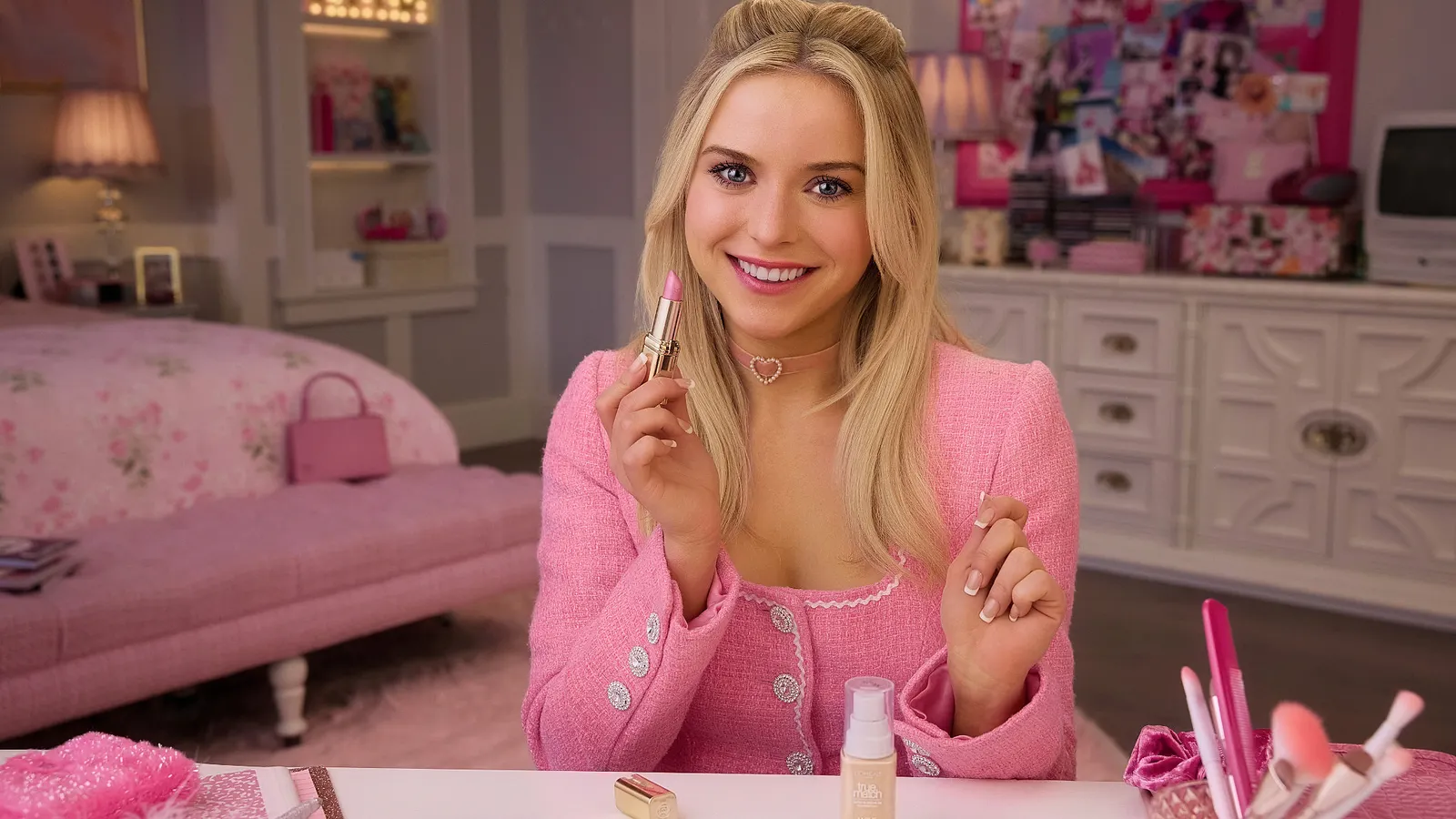
By Peter Adams
June 11, 2026
In a strategic move designed to bridge the gap between retro cultural touchstones and the hyper-connected social media landscape, L’Oréal Paris has unveiled an extensive, multi-layered partnership with Prime Video’s upcoming prequel series, Elle. The series, which explores the formative years of the iconic Elle Woods—the protagonist of the beloved Legally Blonde franchise—serves as the centerpiece for one of the beauty giant’s most ambitious marketing campaigns to date. By weaving its products into the narrative of a ’90s-set origin story, L’Oréal is aiming to resonate with both long-time fans of the franchise and a new generation of digital-native consumers.
Main Facts: A Convergence of Beauty and Narrative
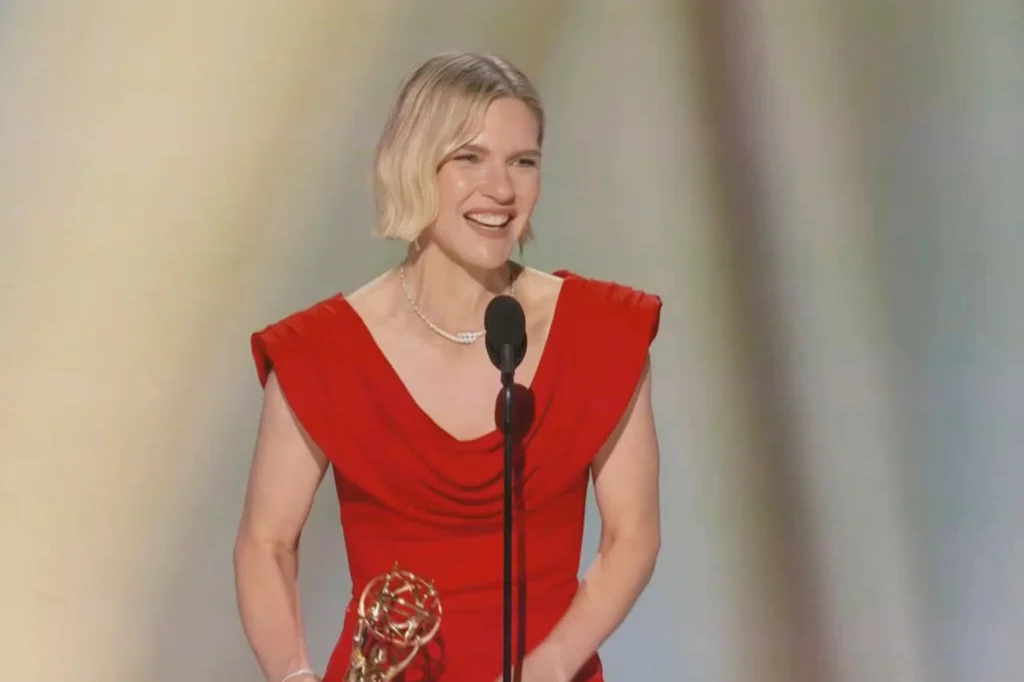
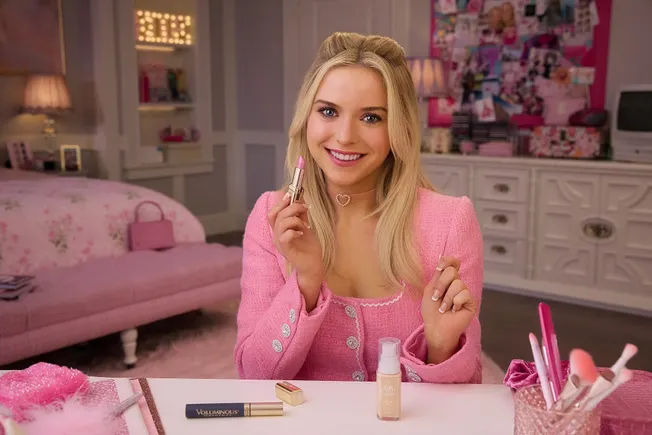
The partnership goes far beyond traditional product placement. In the Elle series, L’Oréal Paris products are integrated directly into the character’s daily rituals, reinforcing the brand’s long-standing connection to themes of self-worth and empowerment. The campaign features Lexi Minetree, who portrays the younger Elle Woods, in a series of social-first advertisements that reimagine the character’s life through the lens of modern digital trends.
Notably, the campaign features a clever creative conceit: the younger Woods is depicted as the "inventor" of the "Get Ready With Me" (GRWM) format. However, instead of utilizing modern social media platforms, the character records video diaries that feel authentic to the late 1990s, offering a nostalgic yet innovative peek into her high school life. This approach, spearheaded by the creative agency Maximum Effort, serves to ground the brand in the character’s journey toward finding her voice and shattering the glass ceilings that would eventually lead her to Harvard Law School.
Chronology: From Cult Classic to Streaming Prequel
The journey of Elle Woods has been a cultural phenomenon for over two decades.
- 2001: The original Legally Blonde film hits theaters, introducing audiences to Elle Woods, a fashion-obsessed sorority girl who defies stereotypes to excel in law school.
- 2003: The sequel, Legally Blonde 2: Red, White & Blonde, solidifies the character’s status as a symbol of unapologetic femininity and intelligence.
- 2007: Legally Blonde: The Musical brings the franchise to Broadway, introducing the story to a new generation of theatergoers.
- 2025-2026: Development of the Elle prequel series intensifies, with Prime Video greenlighting the project to explore the character’s pre-Harvard life.
- June 2026: L’Oréal Paris officially announces its partnership, timing the launch to coincide with the series’ promotional cycle. The campaign aims to tap into the enduring cultural currency of the franchise while repositioning L’Oréal’s "Worth It" brand ethos for a 2026 audience.
Supporting Data: Why Nostalgia Drives Engagement
L’Oréal’s investment in the Elle property is backed by a shift in consumer behavior toward "comfort culture." Marketing analytics show that audiences are increasingly drawn to content that evokes a sense of familiarity, particularly the aesthetic sensibilities of the 1990s and early 2000s.
By aligning with Elle, L’Oréal is tapping into a massive, multi-generational fanbase. The Legally Blonde franchise has consistently performed well in streaming syndication, indicating a high level of "rewatchability" that brands are eager to capitalize on. Furthermore, the beauty industry’s reliance on influencer-led marketing has reached a point of saturation; by using a fictional character to "originate" the GRWM format, L’Oréal is essentially creating a meta-commentary on the current state of influencer marketing, which is likely to generate higher organic engagement than a standard celebrity endorsement.
Official Responses and Strategic Vision
The collaboration is viewed by the brand as a pivotal moment for its domestic operations. Laura Branik, president of L’Oréal Paris USA, emphasized the synergy between the character’s arc and the company’s core values.

"By weaving our iconic heritage products directly into her origin story, we are celebrating a character who uses beauty as a tool of self-expression to shatter glass ceilings," Branik stated. "This is more than a cultural moment; it is a tribute to the power of defining your own worth, and a celebration of that unapologetic ‘Worth It’ spirit."
The partnership is not limited to the screen. L’Oréal plans to bridge the digital-physical divide through experiential activations and pop-up events. These physical touchpoints are designed to allow fans to step into the world of Elle, providing a sensory experience that reinforces the brand’s presence in the consumer’s lifestyle, rather than just their digital feed.
Implications: The New Frontier of Streaming Advertising
The L’Oréal-Prime Video deal is symptomatic of a broader shift in the entertainment and advertising landscape. As streaming services like Amazon Prime Video lean heavily into ad-supported tiers to bolster revenue, the barrier between content and commerce is becoming increasingly porous.
The Rise of "Brand Integration 2.0"
Traditional product placement—where a soda can or a laptop is merely visible on a table—is becoming a relic. Modern brand partnerships now demand "narrative integration." In recent months, we have seen this trend evolve rapidly. For instance, the Netflix series Running Point featured the insurance mascot "Jake from State Farm" as an actual character, marking a departure from passive placement to active participation.

While these strategies are effective at capturing attention, they are not without controversy. Some critics argue that the "overt presence" of brands within the narrative can disrupt the immersion of the viewing experience. However, the financial reality of the streaming era—characterized by price hikes and the need for new revenue streams—suggests that this trend is likely to accelerate.
A Competitive Landscape
L’Oréal Paris is not alone in its aggressive pursuit of these high-profile entertainment deals. Earlier this year, the brand executed a similar strategy with the release of The Devil Wears Prada 2, utilizing influencers like Kendall Jenner and Simone Ashley to anchor a "fashion collection" of brand partners. This move set a precedent for the Elle campaign, proving that beauty brands can successfully act as "curators" of a film’s aesthetic universe.
As the lines between marketing and entertainment continue to blur, the success of the Elle partnership will likely be measured by more than just reach. Key performance indicators will focus on brand sentiment, the success of the GRWM social campaign, and whether the integration drives tangible sales for the products featured on screen.
Conclusion
The collaboration between L’Oréal Paris and Prime Video’s Elle represents a sophisticated evolution of the branded content model. By anchoring their messaging in a character who has historically championed the idea that one can be both "serious" and "feminine," L’Oréal is not just selling cosmetics—they are selling a narrative of empowerment that aligns perfectly with the current cultural zeitgeist. Whether this overt integration will be embraced by viewers remains to be seen, but for now, the strategy stands as a masterclass in leveraging nostalgia to secure a place in the modern consumer’s heart—and shopping cart.

 Ammar Sabilarrohman
 Nana Wu