


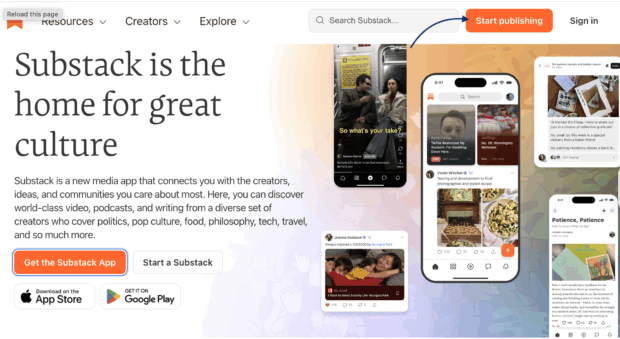
In the modern digital landscape, the power dynamic between creators and social media platforms has shifted dramatically. As algorithmic volatility continues to frustrate marketers and influencers alike, a growing number of professionals are flocking to Substack. Once viewed as a niche tool for independent writers, Substack has evolved into a robust publishing ecosystem that combines blogging, email newsletters, podcasting, and social community features into a single, cohesive revenue-generating machine.

Defining the Substack Ecosystem
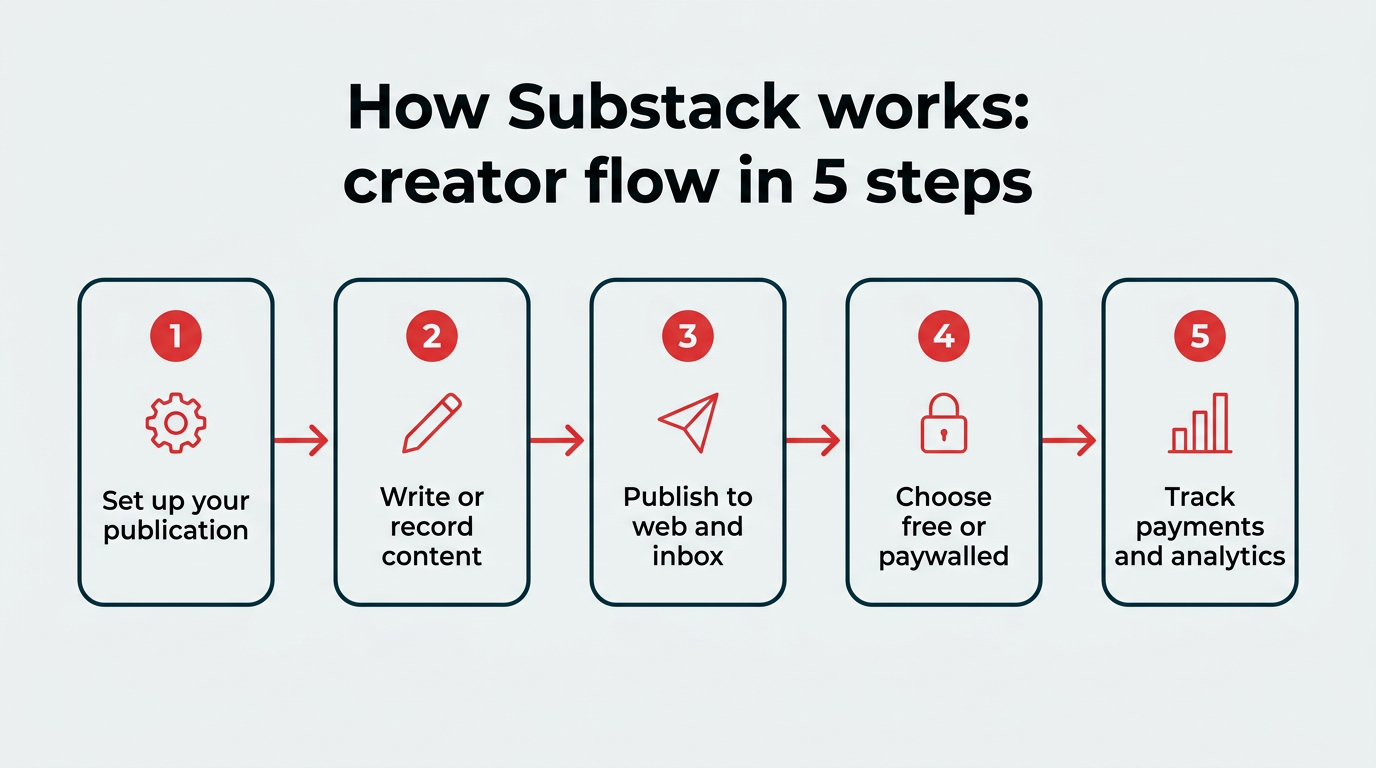
At its core, Substack is a sophisticated publishing platform that simplifies the intersection of content creation and monetization. Unlike traditional blogging platforms that rely on advertising revenue or social media channels that prioritize viral reach, Substack operates on a direct-to-consumer subscription model.

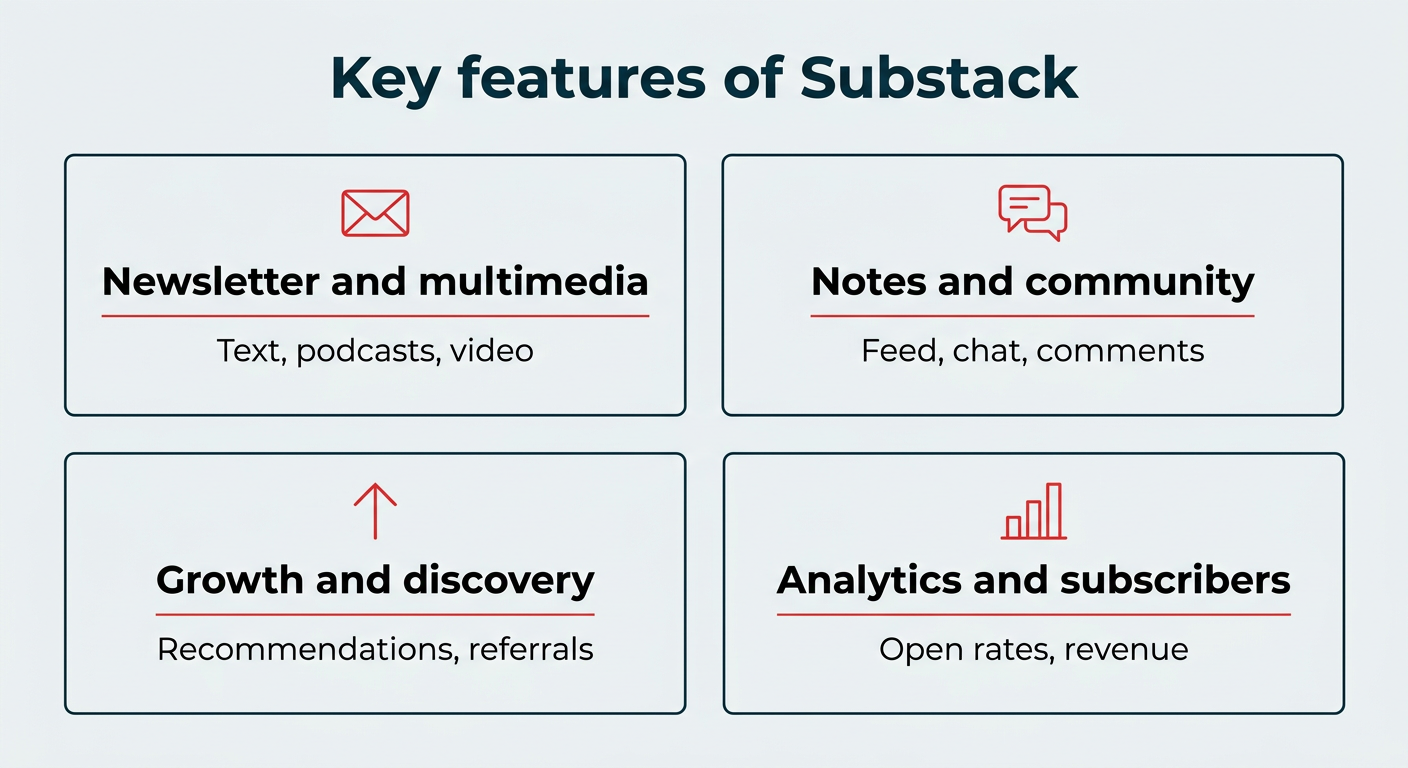
The platform provides creators with three primary pillars: a seamless publishing interface, an integrated email delivery system, and a payment processing layer. By allowing creators to gate content behind a paywall, Substack empowers journalists, niche experts, and brands to own their audience relationship entirely. This direct line to the subscriber’s inbox bypasses the “black box” of social media algorithms, ensuring that content reaches the intended audience without the interference of shifting platform policies.
A Brief History: From Newsletter to Social Network
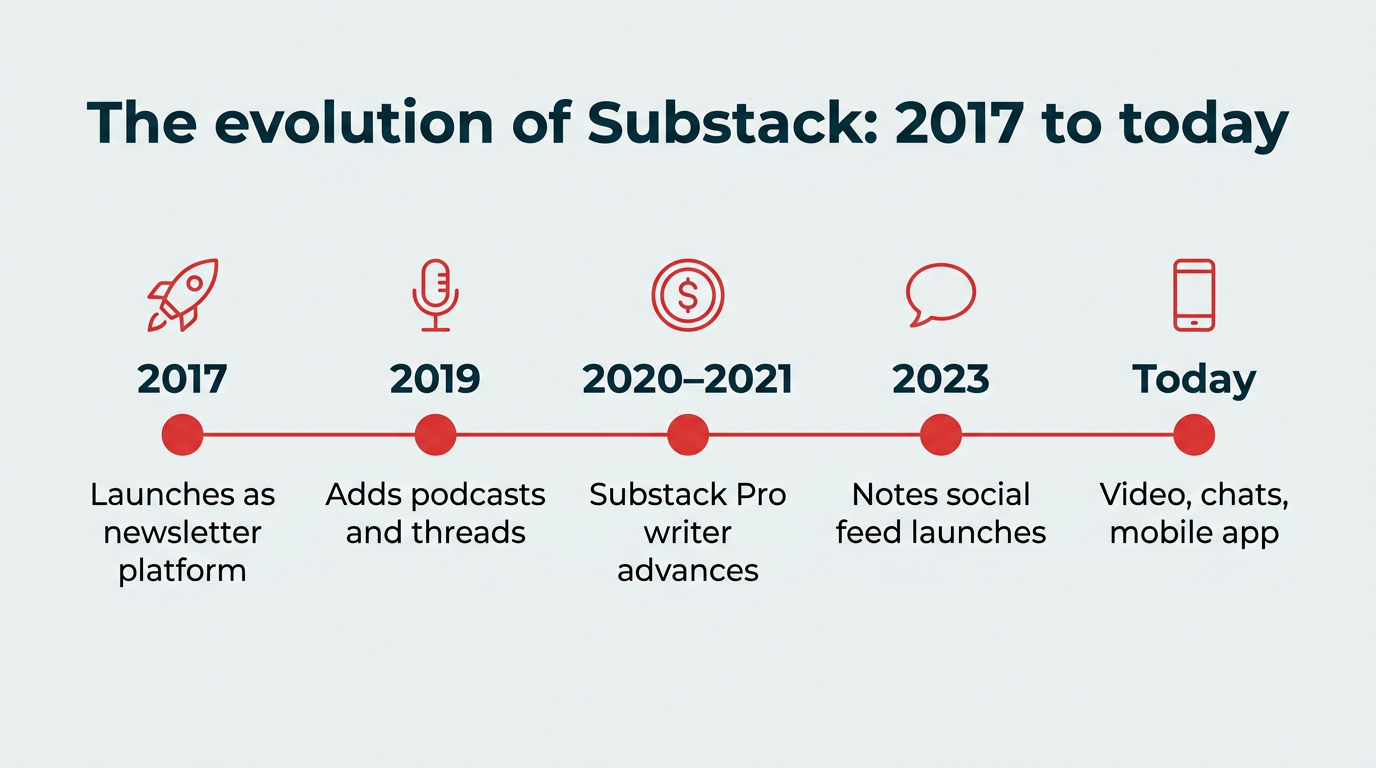
Founded in 2017 by Chris Best, Hamish McKenzie, and Jairaj Sethi, Substack emerged from a desire to return to the roots of independent media. The founders envisioned a world where high-quality journalism and expert commentary could be sustained by reader support rather than the erratic nature of digital ads.
- 2017: The platform launches in San Francisco, focusing primarily on providing writers with a frictionless way to start paid newsletters.
- 2019: Substack expands its utility by introducing podcasting and thread-based community features.
- 2020–2021: The company launches the “Substack Pro” initiative, investing in top-tier talent to solidify the platform as a credible alternative to traditional media outlets.
- 2023: The launch of "Notes," a short-form social feed, officially signals Substack’s transition from a simple email tool into a hybrid social media network.
- Present Day: The platform now supports video, real-time chat, and a dedicated mobile app, creating a “full-stack” experience for creators.
The Economic Engine: How Substack Generates Value
For businesses and individual creators, the value proposition of Substack is rooted in its simplicity. The platform is free to use for free newsletters, with Substack taking a 10% commission only when a creator successfully monetizes through paid subscriptions.
Financial Breakdown
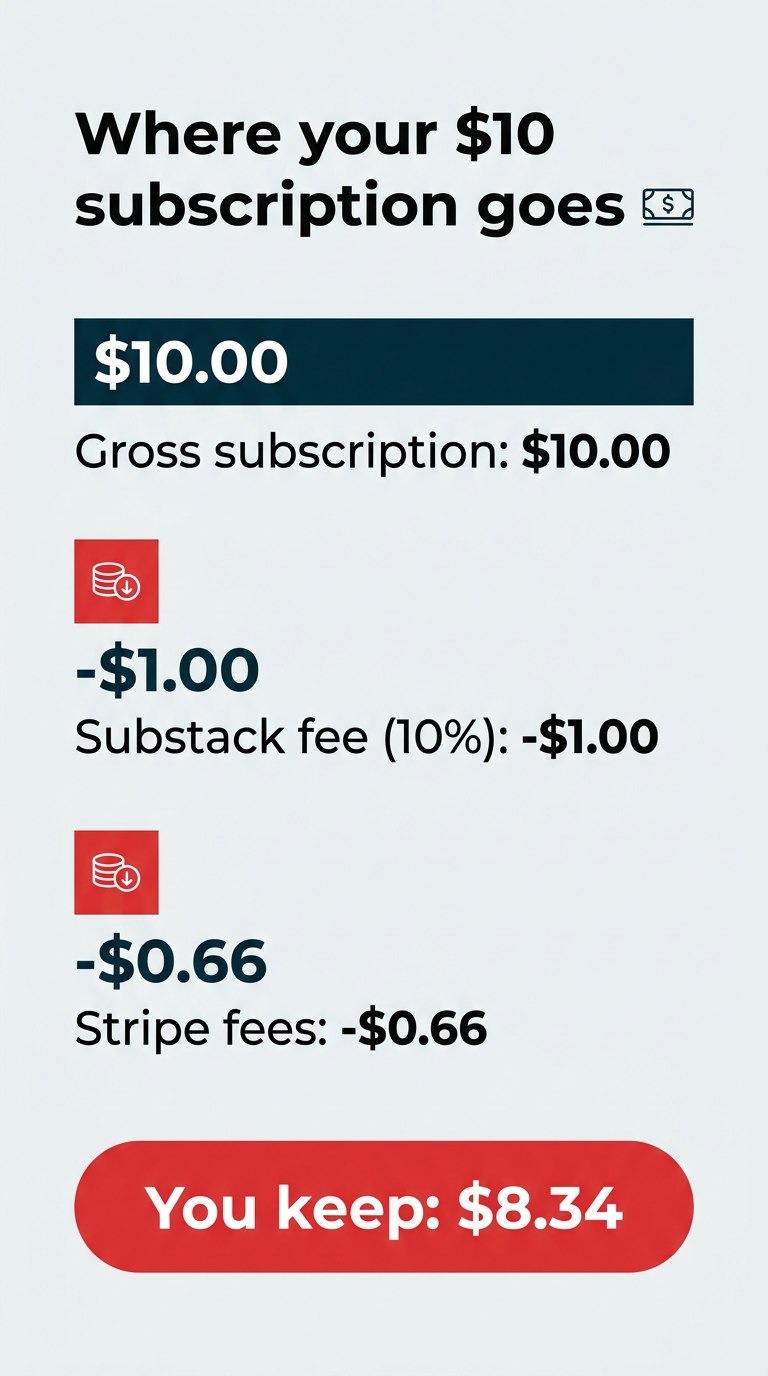
When a creator sets a subscription price—for instance, $10 per month—the revenue is split between the creator, the platform, and the payment processor, Stripe.
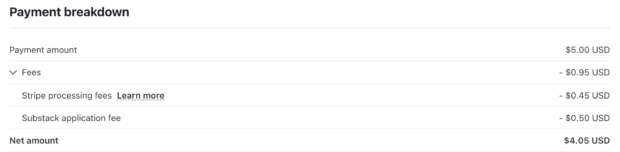
- Substack’s Fee: 10% ($1.00)
- Stripe Fees: Approximately 2.9% + $0.30 per transaction (plus recurring billing fees).
- Net Revenue: After all deductions, the creator typically retains approximately 80–85% of the subscription fee.
While these fees are higher than some self-hosted WordPress solutions, they remove the technical burden of managing payment security, tax compliance, and subscriber databases, making it an attractive "turnkey" solution for brands.
Expert Insight: Building Community Over Content
Omobolaji Ajibare, Chief Content Officer of The Social Media Oga, argues that the true power of Substack lies in its ability to foster intimacy. Her publication, The Social Media Manager Bible, serves as a masterclass in how to leverage the platform.
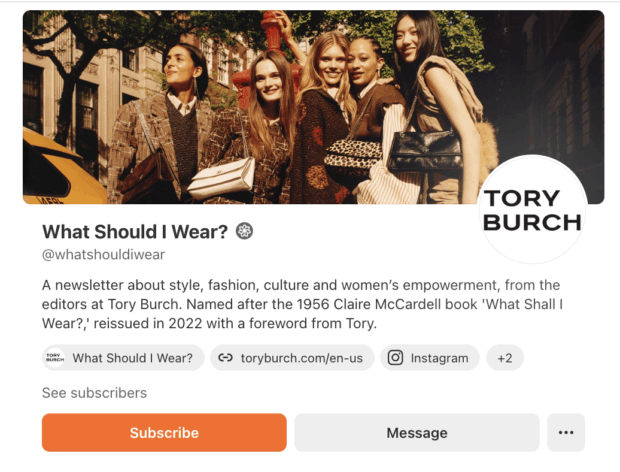
“I use Substack as an extension of my work as a mentor and creator,” Ajibare explains. “My newsletter is where I break down strategies and case studies that don’t fit neatly into an Instagram carousel. Unlike platforms where I’m at the mercy of algorithms, Substack puts me directly into someone’s inbox. That intimacy matters—you aren’t just chasing views; you’re nurturing a dedicated community of learners.”
Strategic Implications for Brands
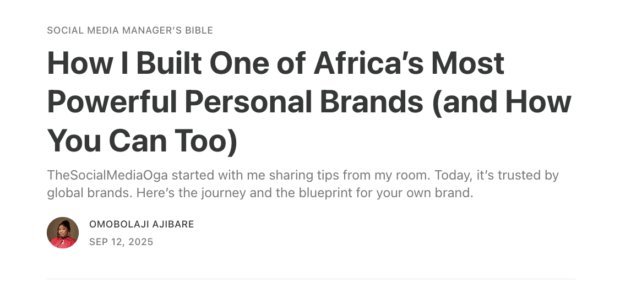
Businesses are increasingly viewing Substack not as a replacement for their social media strategy, but as a critical component of their "owned audience" strategy. As 35% of college graduates cite email newsletters as a primary source of news, brands like Tory Burch have successfully utilized the platform to provide behind-the-scenes content that humanizes their corporate identity.

Shifting from Promotion to Thought Leadership
The most successful brand-led Substacks avoid the "sales pitch." By adopting an 80/20 rule—providing 80% educational value and only 20% promotional content—brands can position themselves as trusted guides. This shift is essential in an era where consumers are increasingly immune to traditional digital advertising.
Ownership of Data
Perhaps the most significant implication for brands is the ownership of the subscriber list. On platforms like LinkedIn or Instagram, the platform owns the audience data. On Substack, the creator maintains ownership of their mailing list, which can be exported and migrated if necessary. This provides a level of security that is fundamentally absent on traditional social media.
Navigating the Controversy: Moderation and Brand Safety
No discussion of Substack is complete without addressing its approach to content moderation. The platform has historically adopted a hands-off, free-speech-centric approach, which has sparked internal and external debate.
For corporate brands, this creates a potential risk: your content may appear within a platform ecosystem that also hosts controversial or polarizing material. While the recommendation engine allows for growth, brands must conduct their own due diligence to ensure that the environment aligns with their internal values and public-facing reputation.
Substack vs. The Competition
When comparing Substack to alternatives, the choice usually comes down to a balance between control and convenience.
- Medium: Offers a built-in audience, but the platform controls the reach and monetization is limited by their partner program.
- WordPress: Offers total control and endless customization, but requires significant technical maintenance and hosting management.
- LinkedIn Newsletters: Excellent for B2B discovery, but you do not own the subscriber list and have zero control over monetization.
- Ghost: The primary competitor for those who want the features of Substack but desire full ownership of their site and zero platform fees.
Best Practices for 2026 and Beyond
For those looking to launch or optimize their presence on the platform, consistency remains the primary indicator of success.
- Commit to a Cadence: Whether it is weekly or monthly, stick to a schedule. An erratic publishing schedule destroys the trust built with your audience.
- The "Unpolished" Advantage: Substack audiences reward authenticity. Do not feel the need to over-produce your content; thoughtful, raw, and expert-led essays often outperform highly polished corporate press releases.
- Leverage Series: Organize your content into recurring series or "sections." This makes your newsletter a library of value rather than a stream of disconnected posts.
- Use Substack Notes: Treat Notes as your social engagement layer. Use it to share short-form insights that lead readers back to your long-form newsletter.
- Focus on Community-Led Growth: Use the platform to start conversations. Reply to comments and use the "Chat" feature to engage with your most loyal subscribers directly.
Conclusion
Substack represents a fundamental evolution in how we consume and create digital media. By stripping away the noise of social media and focusing on the direct, high-value connection between creator and reader, it has carved out a permanent place in the modern marketing toolkit. Whether you are an independent journalist or a multinational brand, the key to success on the platform remains the same: treat your audience like a relationship, not a metric, and focus on providing value that is worth the space in their inbox.











