

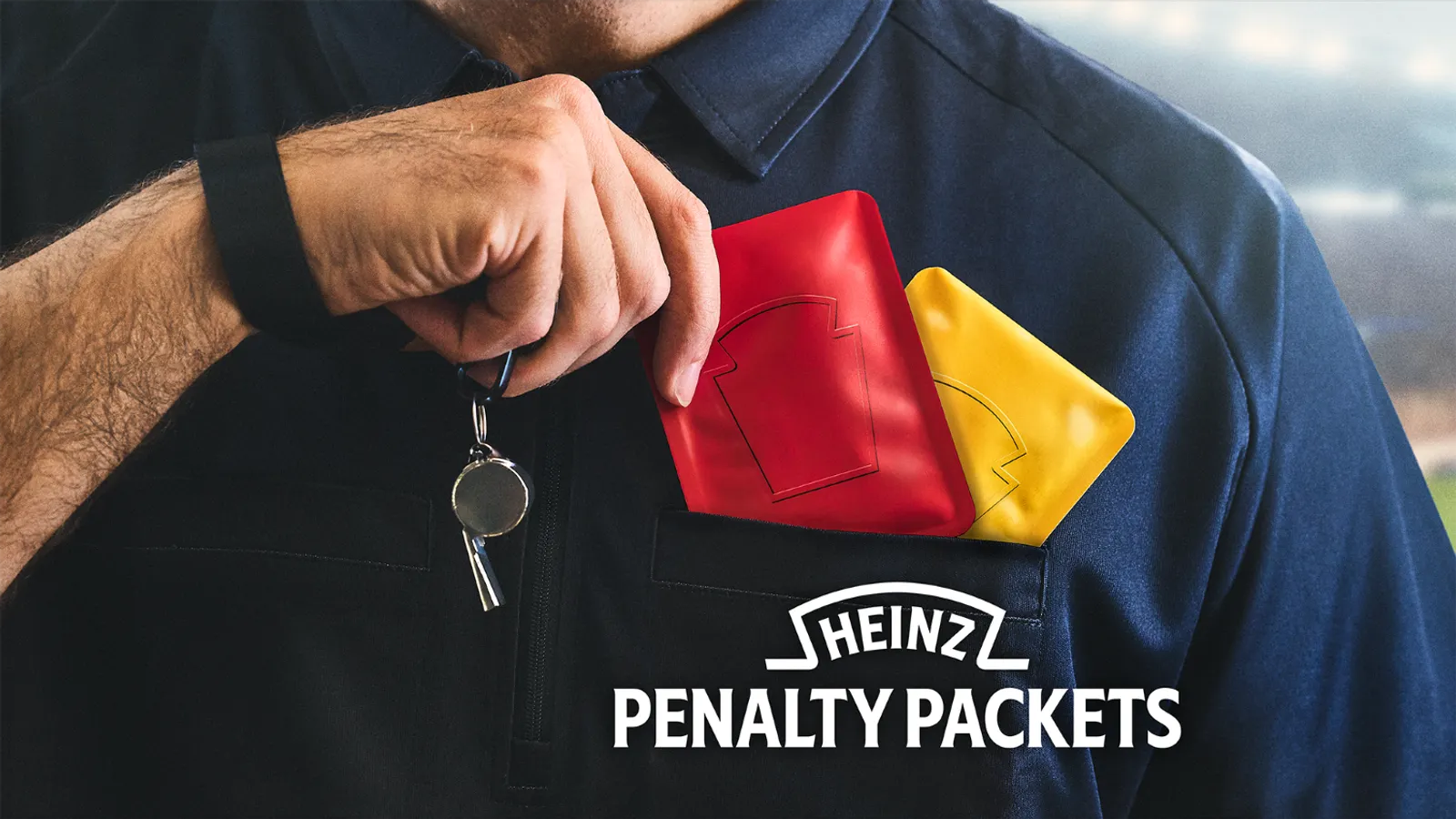
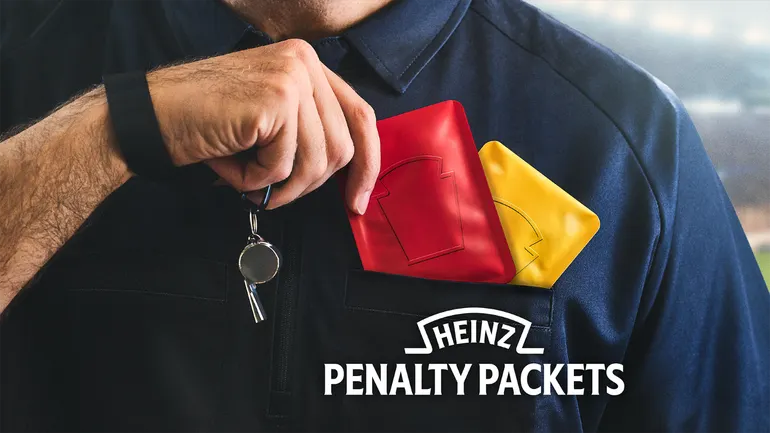
In a masterclass of opportunistic marketing, The Kraft Heinz Company has launched a tactical, social-first campaign dubbed "Penalty Packets." As the 2026 World Cup reaches its fever pitch, the condiment giant is leaning into the tournament’s most pervasive cultural touchpoints—red and yellow cards—to solve a perennial consumer grievance: the insufficient portioning of standard sauce sachets. By blending sports iconography with consumer utility, Heinz has successfully positioned itself at the center of the global conversation, despite not holding an official tournament sponsorship.
The Strategy: Turning Penalty into Palate
The "Penalty Packets" campaign is an exercise in cultural agility. Recognizing that the 2026 tournament has seen a historic surge in officiating activity—with a record-breaking 13 red cards issued as of early July—Heinz has flipped the narrative. In soccer, a red card signals a foul or an ejection; in the world of Heinz, it signifies an urgent need for flavor correction.
The initiative centers on a series of high-energy social videos. These spots feature lackluster, "unsauced" meals—dry burgers, plain hot dogs, and uninspired snacks—that are subjected to a mock-refereeing process. Consumers are encouraged to "issue a penalty" to their bland food by deploying either a red (ketchup) or yellow (mustard) "Penalty Packet." The call-to-action is simple but effective: users are invited to share their "penalty" moments on social media platforms using the hashtag #PenaltyPackets, effectively turning every home viewer into a culinary official.
A Chronology of the Campaign
The rollout of this initiative follows a calculated timeline designed to maximize engagement during the tournament’s most intense stages:
- Pre-Tournament Positioning: Heinz began its "Away From Home" strategic pivot months earlier, signaling its intent to dominate the food service space. This culminated in a landmark five-year partnership with the NFL in March 2026, establishing Heinz as the league’s first official condiment partner and setting the stage for aggressive sports-related activations.
- Early July 2026: As the World Cup bracket narrowed, Heinz launched the #PenaltyPackets digital campaign. The timing was impeccable, coinciding with a record-high frequency of officiating decisions that kept viewers hyper-focused on the referee’s pocket.
- Mid-July 2026: The brand opened its microsite, allowing fans to purchase limited-edition kits. Priced at $1.57—a cheeky nod to the iconic "57" on every Heinz bottle—the kits include one red packet, one yellow packet, and a set of standard-sized sachets marketed as "substitutions," echoing the soccer terminology for player rotations.
Supporting Data: Why "Clean Stadiums" Created a Canvas
Heinz’s ability to remain relevant without official FIFA backing is a direct response to the tournament’s "clean stadium" policy. FIFA mandates that all non-partner branding must be obscured or removed within official venues. Rather than fading into the background, Heinz embraced the restriction.
When images of taped-over Heinz bottles went viral, the company didn’t issue a legal complaint; it issued a statement. Heinz Canada posted a tongue-in-cheek social media acknowledgement, rebranding its obscured product as the "unofficial stadium ketchup." This pivot turned a restrictive policy into a badge of authenticity, positioning the brand as the "rebel" choice for fans who prioritize flavor over corporate sponsorship.
Furthermore, the data supporting this campaign is rooted in the high volume of penalties. With 13 red cards issued by July 5—surpassing the combined totals of the 2018 and 2022 tournaments—the brand tapped into a genuine cultural phenomenon. The controversy surrounding the red card issued to U.S. striker Folarin Balogun—which required intervention from the White House to rectify—further cemented the "red card" as the most discussed symbol of the summer. Heinz capitalized on this discourse, ensuring that whenever a fan thought of a "penalty," they were primed to think of a "packet."
Official Responses: The Philosophy of the "Foul"
The creative force behind the campaign, Simon Au, Executive Creative Director at The Kitchen (the creative agency for Kraft Heinz), articulated the brand’s intent in recent press materials:
"In the world’s biggest game, red and yellow are synonymous with wrongdoing," Au stated. "We wanted to flip that meaning, and Heinz Penalty Packets do just that. They’re the first-ever sauce packets that let fans call a foul on no flavor, and resolve it in real-time with more Heinz."
This sentiment underscores the company’s broader shift toward consumer-centric, "Away From Home" marketing. By moving beyond traditional advertising and into the realm of utility—providing a literal solution to the "small packet" problem—Heinz is building a more resilient brand loyalty that transcends the typical 30-second commercial spot.

Implications for Future Sports Marketing
The success of the "Penalty Packets" initiative offers several key takeaways for marketers operating in the shadow of major sporting events:
1. The Power of Cultural "Hacking"
Brands do not necessarily need to pay millions for official sponsorship status to be part of a global conversation. By identifying a cultural "hook"—in this case, the referee’s cards—and injecting the brand into that narrative, companies can achieve higher levels of engagement than traditional sponsors.
2. Utility as Branding
The inclusion of "substitution" packets serves as a prime example of turning a consumer pain point into a brand touchpoint. By acknowledging that standard packets are often insufficient, Heinz validates the customer experience, turning a negative (a small amount of sauce) into a humorous, positive moment of brand interaction.
3. Navigating "Clean Stadium" Policies
The "unofficial" branding strategy employed by Heinz Canada highlights the importance of social media reactivity. In an era where digital content moves faster than legal teams, the ability to pivot and embrace a "forbidden" status can garner more earned media than a traditional logo placement ever could.
4. The "Away From Home" Pivot
The Kraft Heinz Company is clearly signaling a long-term commitment to the food service and out-of-home dining sector. With the NFL deal already secured and this World Cup activation in full swing, the brand is successfully diversifying its reach. By aligning with high-energy, high-stakes sports, Heinz is positioning itself not just as a pantry staple, but as an essential element of the communal, public dining experience.

Conclusion: The Final Whistle
As the 2026 World Cup nears its conclusion, the "Penalty Packets" campaign stands as a testament to the effectiveness of reactive, context-aware marketing. By turning a ubiquitous sports symbol into a vehicle for brand engagement, Heinz has managed to navigate the complexities of global event restrictions while simultaneously addressing the practical desires of its consumer base.
Whether the "Penalty Packets" remain a limited-time cultural curiosity or evolve into a permanent fixture of the brand’s product line, the campaign has undeniably succeeded in one major objective: it has ensured that when the referees reach for their cards this summer, the world isn’t just thinking about the game—they are thinking about the sauce.











