Lina Hope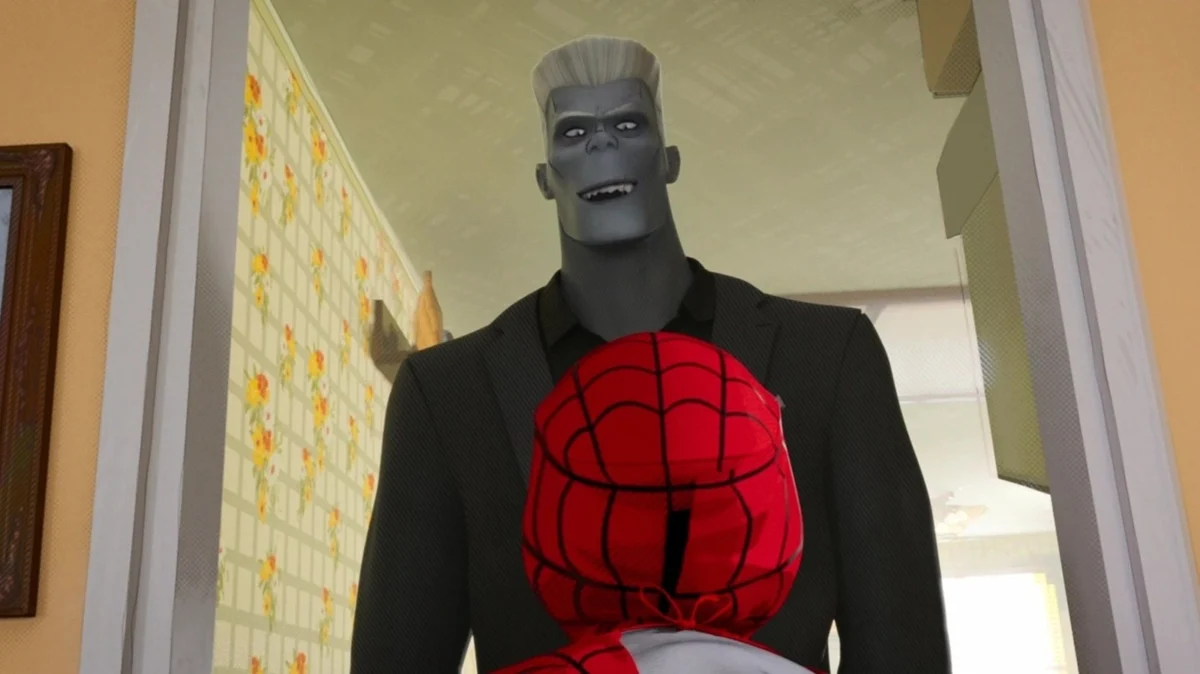
Spider-Man’s rogues’ gallery is widely considered the gold standard of comic book villainy. From the chaotic, pumpkin-bomb-throwing madness of the Green Goblin to the cosmic, toothy terror of Venom and the intellectual arrogance of Doctor Octopus, the web-slinger’s adversaries have consistently defined the stakes of the Marvel Universe. However, for decades, the pantheon of A-list villains has remained somewhat stagnant, revolving around a core group of high-concept, super-powered threats.
Yet, in the shadows of the Marvel landscape, a more grounded, visceral, and hauntingly human threat has been quietly ascending. Alonzo "Lonnie" Lincoln—better known as Tombstone—is currently experiencing a significant cultural renaissance. No longer relegated to the role of a hired henchman or a mid-tier street thug, the albino crime lord is emerging as a focal point in the current Spider-Man multimedia landscape. With appearances in Your Friendly Neighborhood Spider-Man, the highly anticipated Spider-Noir, and rumors swirling around his role in Spider-Man: Brand New Day, it is time to examine why this "underrated" villain is the perfect foil for Peter Parker in the modern era.
The Evolution of Lonnie Lincoln: A Chronology of Crime
To understand the weight of Tombstone’s current moment, one must look at his origins. Debuting in Web of Spider-Man #36 in 1988, created by Gerry Conway and Alex Saviuk, Lonnie Lincoln was introduced as a hitman from Harlem. Physically defined by his albinism, filed-to-point teeth, and imposing, rock-hard skin, he was initially presented as a brutal enforcer.
The Early Years: The Hired Muscle
Throughout the late 80s and 90s, Tombstone was a staple of the gritty, street-level crime stories that defined the era. He wasn’t a world-conquering megalomaniac; he was a cold, efficient professional. Whether working for the Kingpin or operating independently, his role was to bring a visceral, physical threat to Spider-Man’s doorstep.
The Turning Point: The Spectacular Spider-Man
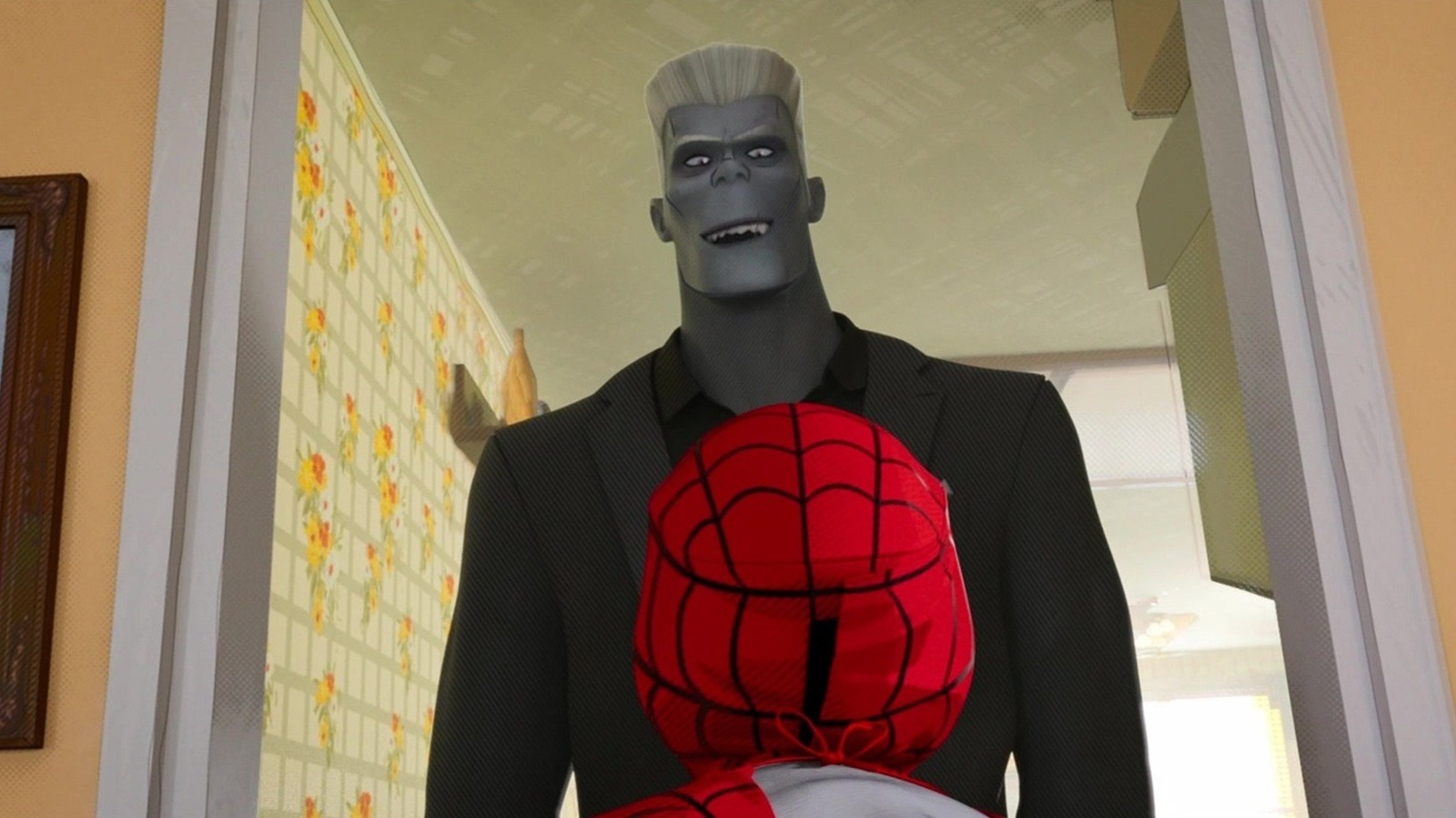
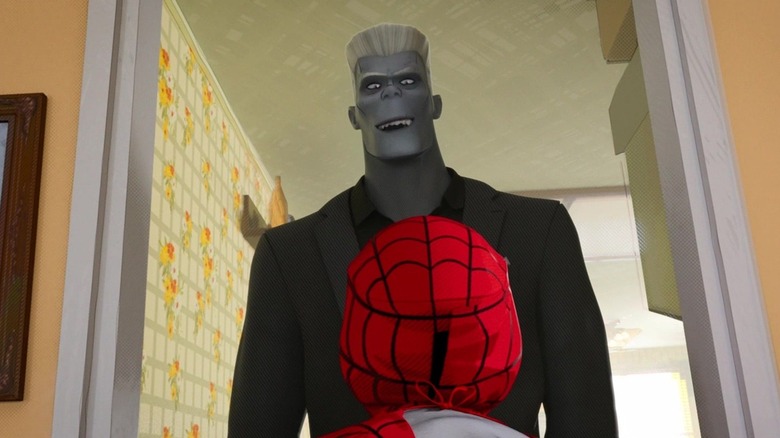
The first true shift in the character’s perception occurred in the 2008 animated series The Spectacular Spider-Man. In this iteration, the showrunners elevated him from a goon to a "Big Man" of crime. By casting him as a calculating, philanthropic crime boss who utilized Norman Osborn to manufacture super-powered distractions, the series proved that Tombstone could carry a season-long narrative arc. He wasn’t just fighting Spider-Man; he was manipulating the entire power structure of New York City.
Modern Reimagining: From Games to Streaming
The trajectory of the character accelerated with Insomniac Games’ Spider-Man (2018), which showcased a bike-gang-leading Tombstone with deep ties to the city’s organized crime. His subsequent arc in the sequel, Spider-Man 2, which saw him attempting to atone for his past and live a reformed life as a mechanic, added a layer of profound tragedy to the character. This evolution continued in Your Friendly Neighborhood Spider-Man, where the narrative explored his humanity, painting him as a young man forced into criminality by systemic failure and the need to protect his family.
Supporting Data: Why Tombstone Resonates Today
Why is Tombstone suddenly receiving so much attention? The answer lies in the audience’s growing appetite for "street-level" superhero storytelling.
Recent cinematic trends have shown a pivot away from the "save the universe" stakes of the Avengers films toward more intimate, grounded conflicts. Data from recent audience sentiment analysis suggests that viewers are becoming fatigued by CGI-heavy, world-ending threats. Instead, there is a renewed interest in villains whose motivations are rooted in socio-economic struggle, personal loss, and moral ambiguity.
The "Tragic Villain" Archetype
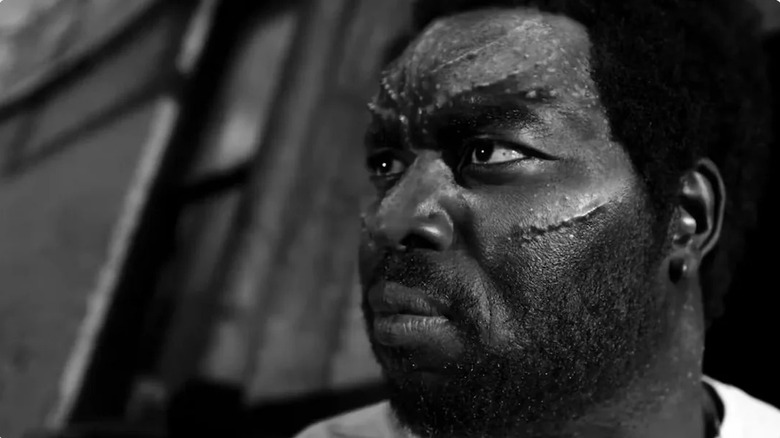
Unlike the Green Goblin, whose villainy is often fueled by madness or ego, Tombstone is frequently portrayed as a victim of circumstance. In Spider-Noir, he is framed as a World War I veteran—a man who sacrificed for his country only to be met with systemic abandonment and physical experimentation. This backstory provides a compelling psychological depth that makes his antagonism feel earned. When a villain is a mirror image of the hero—a person who went through hardship and chose a darker path—the conflict becomes less about "winning" and more about the fundamental clash of values.
Official Perspectives and Industry Implications
While Sony and Marvel have kept specific plot details for Spider-Man: Brand New Day under tight wraps, industry insiders have noted the strategic importance of introducing a villain like Tombstone at this juncture. With reports suggesting that actor Marvin Jones III is set to portray the character, the production appears to be leaning into the intimidating, calculated presence that defines the comic book version.
The Connection to The Hand
The reported inclusion of "The Hand"—the ancient, mystical order of assassins—alongside Tombstone suggests a narrative bridge between the grounded crime drama and the more supernatural elements of the Marvel Universe. If Tombstone is acting as the bridge between street-level organized crime and this shadow organization, he ceases to be a mere thug and becomes a geopolitical threat within the context of the city’s underworld.
Why He is the "Anti-Vulture"
The Vulture, as portrayed in Spider-Man: Homecoming, was a masterclass in modern villainy. By turning a blue-collar worker into a villain, the film humanized the antagonism. Tombstone occupies a similar, yet arguably more dangerous, space. While Vulture was a man driven by greed and a sense of being wronged by the elite, Tombstone is a man driven by the cold necessity of survival in a broken system. He represents the "neighborhood" part of "Your Friendly Neighborhood Spider-Man" better than any cosmic entity ever could.
Implications for the Future of the Franchise
The ascension of Tombstone signals a potential shift in the trajectory of the Spider-Man film franchise. If the studio continues to lean into this character, we can expect the following developments:
- A Shift in Scale: By centering the story around Tombstone, the franchise can move away from multiverse-hopping and focus on the intricate power dynamics of New York City’s criminal underworld. This allows for a more "detective-noir" style of storytelling, which complements the aesthetic of the upcoming Spider-Noir project.
- Emotional Complexity: As a villain who often struggles with his own morality, Tombstone allows for a Peter Parker who is forced to grapple with the nuance of justice. Does one simply punch a man who is a product of systemic neglect, or does one try to save him? This is the kind of moral dilemma that elevates superhero cinema from mere action to genuine drama.
- Expansion of the Rogues’ Gallery: By validating "underrated" villains like Tombstone, the franchise creates a roadmap for introducing other overlooked characters (such as Hammerhead or Silvermane), ensuring that the series doesn’t have to rely on repeating the same three or four villains every decade.
Conclusion: The King of the Shadows
Tombstone’s "big moment" is no accident; it is the result of years of careful character development across animation, gaming, and now, live-action media. He represents the best of what Spider-Man villains can be: a formidable physical threat, a complex psychological case study, and a direct challenge to the ethics of our protagonist.
As the franchise looks toward the future, it is clear that the most compelling stories will not be found in the far reaches of space or the fractured timelines of the multiverse, but in the gritty, neon-lit streets of New York. And in those shadows, Tombstone is waiting. He is no longer just a henchman. He is a kingpin in the making, and the wall-crawler would be wise to take notice. The era of the street-level threat has arrived, and it has the face of a man carved in stone.

 Jia Lissa
 Iffa Jayyana