Lina Hope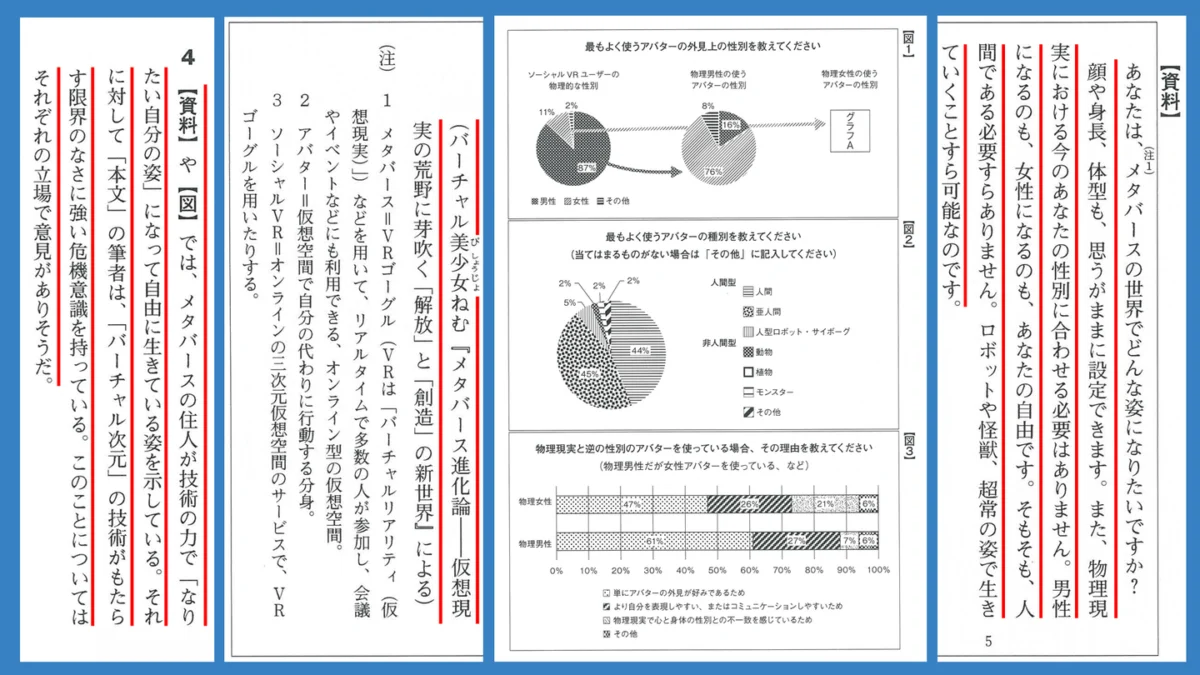
The landscape of modern entertainment is undergoing a seismic shift. As digital avatars continue to captivate global audiences, the phenomenon of the "Virtual YouTuber" (VTuber) has evolved from a niche hobbyist pursuit into a multi-billion-yen industry. This article examines the trajectory of the VTuber movement, the socio-technical factors driving its adoption, and the institutional recognition it has received as a legitimate form of professional content creation.
Main Facts: The Evolution of Digital Identity
At the core of the VTuber movement lies a fundamental change in how audiences consume personality-driven content. Unlike traditional influencers who rely on their physical likeness, VTubers utilize sophisticated motion-capture technology and 3D/2D animation software to inhabit digital personas. This layer of abstraction does not diminish the emotional connection between creator and viewer; rather, it often enhances it, allowing for a form of "curated reality" that transcends the limitations of the physical world.
The industry has seen a rapid professionalization of these digital entities. Where early adopters relied on basic webcam-based tracking, top-tier agencies now utilize high-end studio equipment to produce live performances that rival televised broadcasts. This evolution has been supported by platforms like YouTube and Twitch, which have integrated tools to foster community interaction, making the VTuber experience uniquely participatory.
Chronology of the Virtual Transformation
The history of the VTuber is relatively short but intensely packed with innovation:
- The Genesis (2016–2017): The term "Virtual YouTuber" was popularized by early pioneers who demonstrated the viability of using avatars for gaming and commentary. This period established the basic framework for live-streaming with motion tracking.
- The Agency Model (2018–2020): The emergence of talent agencies changed the game. By professionalizing the recruitment, training, and technical support of virtual performers, these companies turned individual creators into global brands.
- The Global Expansion (2021–2022): The COVID-19 pandemic acted as a massive catalyst. With the world in lockdown, the demand for digital entertainment surged, leading to the rise of English-speaking VTuber talent and international fanbases.
- Mainstream Integration (2023–2024): This era marked the transition of VTubers into the mainstream. Collaborations with traditional media, educational institutions, and corporate marketing campaigns solidified the industry’s status as a pillar of modern pop culture.
Supporting Data: Economic and Cultural Impact
The economic impact of this industry is staggering. Current estimates suggest that the virtual talent market now accounts for over 1,200 unique performers globally, with individual streamers generating millions of views per month.

Data from recent market analyses indicates that the demographic profile of a VTuber viewer is exceptionally diverse, spanning various age groups and geographic regions. Key metrics showing the sector’s growth include:
- Retention Rates: VTuber audiences exhibit higher loyalty and engagement rates compared to traditional streamers, largely due to the "lore" and character depth associated with the personas.
- Merchandising Potential: The transition from digital to physical—through high-fidelity figurines, apparel, and live concert events—has created a robust secondary revenue stream that mirrors traditional idol culture.
- Technological Accessibility: The democratization of VRM (Virtual Reality Model) standards has allowed independent creators to compete on a level playing field with corporate-backed talent, ensuring the industry remains innovative and decentralized.
Official Responses and Institutional Recognition
Perhaps the most significant development in the last 24 months is the shift in how society views these digital performers. Academic institutions and professional bodies have begun to study the psychological and sociological impacts of VTubing.
In Japan, the government and major educational publishers have started to acknowledge the professional nature of digital content creation. By integrating concepts of digital citizenship and professional media production into educational materials, these organizations are signaling that "VTubing" is a viable, sustainable, and respected career path for the next generation of creative professionals.
Furthermore, industry-led workshops and academic seminars—often focused on the ethics of digital identity and the future of human-computer interaction—have begun to invite prominent VTubers as speakers. This inclusion is a landmark moment, moving the industry away from "novelty" and toward a serious discourse on the future of virtual reality and human expression.
Implications for the Future of Media
The rise of the VTuber is not merely a passing trend; it is a preview of the "Metaverse" in practice. As we move toward a future where digital and physical realities become increasingly blurred, the tools and techniques pioneered by VTubers will likely become standard for all forms of digital communication.

1. The Death of the "Physical Requirement"
The most profound implication is that a creator’s physical appearance is no longer a prerequisite for stardom. This inclusivity allows talent to be judged on their charisma, comedic timing, and intellectual contributions, regardless of their background or physical traits.
2. The Professionalization of Identity
As avatars become more realistic and integrated with AI, we may see the rise of "digital legacies," where the persona lives on regardless of the human behind the screen. This introduces complex legal and ethical questions regarding ownership, identity, and the nature of the "self" in the digital age.
3. The New Educational Paradigm
With educational publishers now incorporating VTuber concepts into their materials, we are seeing the birth of "Edutainment 2.0." Using an engaging, relatable, and visually distinct avatar to teach complex subjects is proving to be a highly effective pedagogical tool, particularly for younger audiences who are native to digital environments.
Conclusion: A New Frontier
The journey from a small, pixelated avatar to a global cultural icon is a testament to the human desire for creative expression. As the line between the virtual and the real continues to dissolve, the VTuber will remain at the vanguard of this evolution. Whether viewed as an idol, a streamer, or a teacher, the virtual performer has successfully challenged the traditional boundaries of media, creating a space where the imagination is the only limit.
The industry stands at a crossroads. With continued institutional support and the rapid pace of technological innovation, we are likely to see the emergence of even more sophisticated forms of virtual interaction. For those who dismiss this as mere "gaming" or "anime," the data suggests otherwise: the VTuber revolution is here, and it is reshaping the way the world connects, learns, and creates.


 Jia Lissa
 Muslim