Evan Lee Salim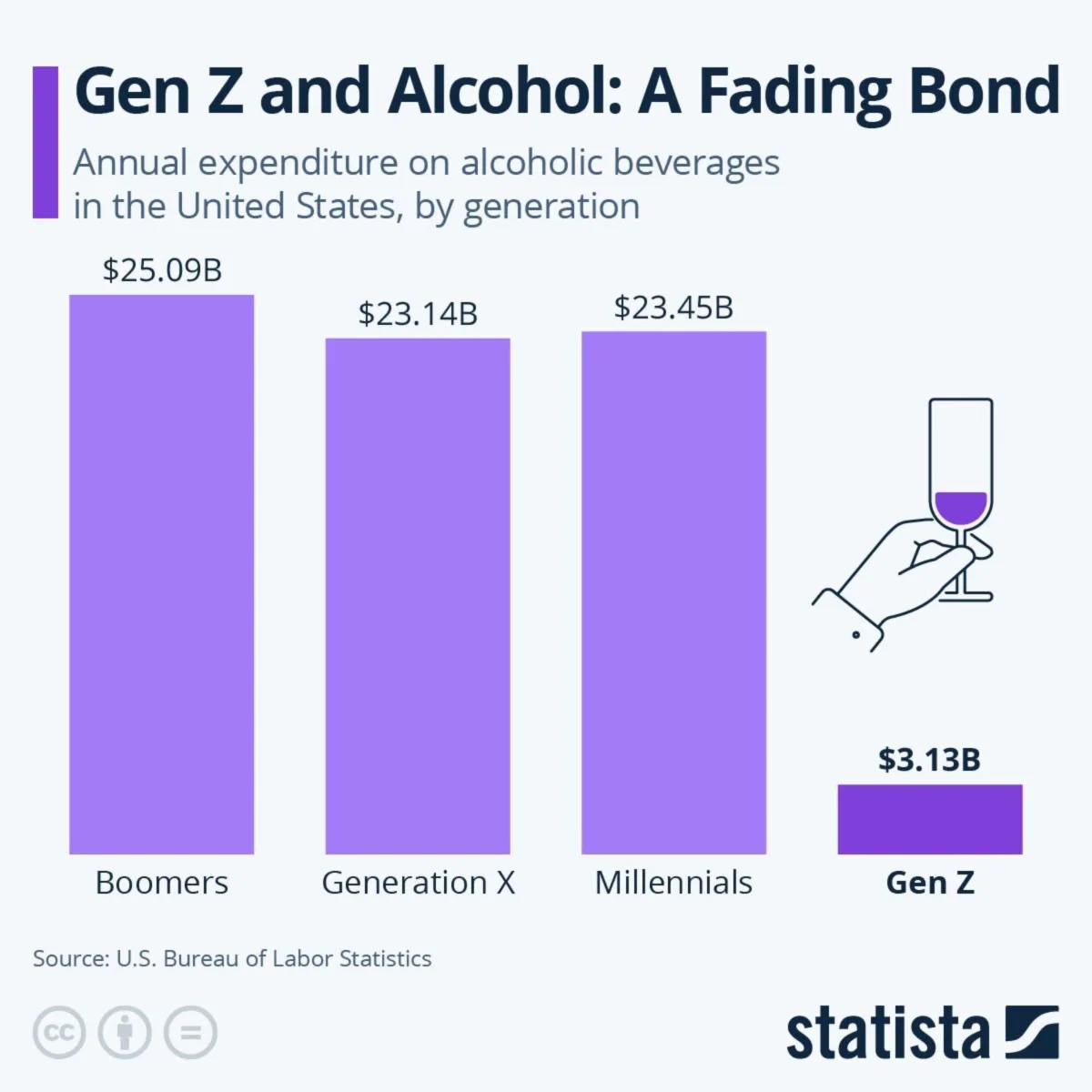
By Olivia Tauber
September 11, 2026
At the University of Florida, a scene unfolds on a local fraternity lawn that would have been unthinkable a decade ago. Instead of red plastic cups and the blaring bass of a chaotic afternoon rager, the grass is covered in high-end yoga mats. Dozens of students are mid-stretch, preparing for a group run, while others queue up for cold plunges and iced matcha lattes. Welcome to the "wellness darty"—the latest cultural phenomenon signaling a radical shift in how the next generation defines a "good time."
The traditional "darty"—a portmanteau of "day" and "party"—has long been a cornerstone of American college life, synonymous with binge drinking, loud music, and unbridled excess. However, as Gen Z increasingly prioritizes mental and physical health over traditional substance-fueled revelry, they are effectively hijacking the campus social infrastructure to create their own, health-conscious alternative.
The New Blueprint for Campus Socializing
The wellness darty is not merely a workout class; it is a social event that replaces the keg with the cold plunge and the beer pong table with a Pilates instructor. These gatherings are popping up at major institutions across the country, including the University of Alabama, Florida State, and Syracuse University. Organized by local student-led wellness groups like Peak Pulse and Sweat & Soak, these events offer a structured, intentional environment where the primary goal is not intoxication, but community and self-optimization.
For the uninitiated, the shift can be jarring. When Aydan Child, founder of the Florida-based wellness community Peak Pulse, posted a TikTok showing hundreds of students gathering to exercise on a fraternity lawn, the internet reaction was immediate and polarized. One commenter quipped, "Imagine explaining a wellness darty to someone who went to college in 2012," to which the brand White Claw famously replied, "I just broke out in hives."

Yet, for the students in attendance, this represents a much-needed evolution. "I think my generation has a problem with socialization, especially without the context of alcohol," says Riley Meyer, a University of Alabama sophomore who helped facilitate a Sweat & Soak event. "When you have an activity built in, it gives you something to do. It removes the pressure."
A Chronology of the ‘Soft Clubbing’ Movement
The rise of the wellness darty does not exist in a vacuum; it is the physical manifestation of a broader "soft clubbing" trend that has been bubbling on social media for several years.
The timeline of this cultural shift began with the slow decline of youth alcohol consumption. Throughout the early 2020s, platforms like TikTok began promoting the "that girl" and "clean girl" aesthetics, which romanticized early morning routines, hydration, and consistent fitness. By 2024, these digital trends began to bleed into the physical world.
Data from Eventbrite highlights the velocity of this change. While traditional nightlife has struggled to maintain its dominance among Gen Z, "morning raves" have seen a 20 percent increase in attendance. More drastically, events centered around "coffee clubbing," ice baths, and sauna sessions have seen an explosion in interest—with some categories growing by nearly 500 percent.
By late 2025 and into 2026, the concept had matured from a solo lifestyle choice to a community event. Local wellness entrepreneurs recognized a gap in the market: students wanted to socialize but were increasingly disillusioned by the health and financial costs of traditional binge drinking. By partnering with fraternity houses—which often have the necessary lawn space—these organizers turned the "darty" on its head, reclaiming a site of traditional excess for a new, holistic purpose.

Supporting Data: Why Gen Z is Opting Out
The transition away from alcohol is backed by hard data. A 2023 Gallup survey revealed that the percentage of adults under 35 who report drinking has fallen from 72 percent in the early 2000s to just 62 percent today. Furthermore, over half of Gen Z consumers now view moderate drinking as unhealthy, a significant jump from just five years prior.
The financial and physical reasons for this are clear. A study conducted by the University of Michigan found that many young adults are opting for alcohol-free days to avoid the "hangover tax" that ruins their productivity for the following 48 hours. Additionally, the fear of "digital infamy"—the risk of an embarrassing, drunken moment being captured and permanently uploaded to the internet—has served as a powerful deterrent.
"People don’t want to go viral for intoxication," notes Northeastern University historian Malcolm Purinton.
Beyond the avoidance of alcohol, the economic data from McKinsey further reinforces this trend. Gen Z and millennials now account for over 41 percent of all annual U.S. wellness spending, despite representing a smaller portion of the adult population. They are not just participating in wellness; they are investing in it as an identity. When 56 percent of Gen Z consumers categorize fitness as a "very high priority," the natural outcome is to build social lives that revolve around that priority.
The Cultural Backlash and Official Responses
Despite the rise of these events, the phenomenon has not been without its critics. Online discourse has been rife with accusations that Gen Z is "too serious" or is "cosplaying as 30-something corporate warriors."

On platforms like X (formerly Twitter) and Reddit, older generations have expressed confusion and even nostalgia for the "imperfection" of their own college years. One Reddit user lamented that the fixation on "optimizing" every moment of life removes the spontaneity of youth. "There is beauty in being messy," one commenter wrote. "Not everything has to be a bio-hack."
However, organizers of these events argue that critics are misinterpreting their intentions. These are not monastic, joyless gatherings; they are simply a different mode of connection. "It’s not like it prohibits us from going out later," says Riley Meyer. "We do the workout, we get our endorphins, we socialize, and then we might go out to a bar that night. It’s about balance."
Implications for the Future of Social Spaces
The rise of the wellness darty holds significant implications for the future of the nightlife and hospitality industries. If the next generation of consumers no longer views alcohol as the essential "social lubricant," bars and clubs will need to adapt or face obsolescence.
We are already seeing this transition in the marketplace. High-end mocktail menus, alcohol-free "sober bars," and daytime social hubs are becoming more common. For campus event planners, the lesson is clear: if you want to reach Gen Z, stop selling the "party" and start selling the "experience."
Furthermore, the integration of these events into fraternity and sorority culture suggests that the influence of Greek life may be shifting. Rather than being bastions of outdated traditions, some houses are recognizing that opening their doors to wellness communities is a way to rehabilitate their image and stay relevant in an era where their traditional value proposition is being questioned.

Ultimately, the wellness darty is a reflection of a generation that is hyper-aware of the costs of their habits. Whether it’s the cost of a hangover, the cost of a drink, or the social cost of an unvetted viral video, Gen Z is choosing to curate their environment. They are replacing the chaotic, unplanned party with a deliberate, optimized version that fits their goals. As we look toward the next several years, it is clear that the "wellness darty" is not just a passing trend, but a signal that the traditional college experience is undergoing a permanent, health-conscious transformation. The yoga mats on the lawn are here to stay, and for the thousands of students participating, that is exactly the point.

 Sagoh
Sagoh
 Nana
Nana