

The landscape of global entertainment is undergoing a seismic shift, and at the epicenter of this transformation is the South Korean webtoon industry. Once considered a niche digital format, webtoons—characterized by their vertical-scrolling, mobile-first design—have evolved into a dominant cultural force, boasting tens of millions of readers worldwide. Now, this medium is cementing its status as the premier source material for the next generation of streaming content.
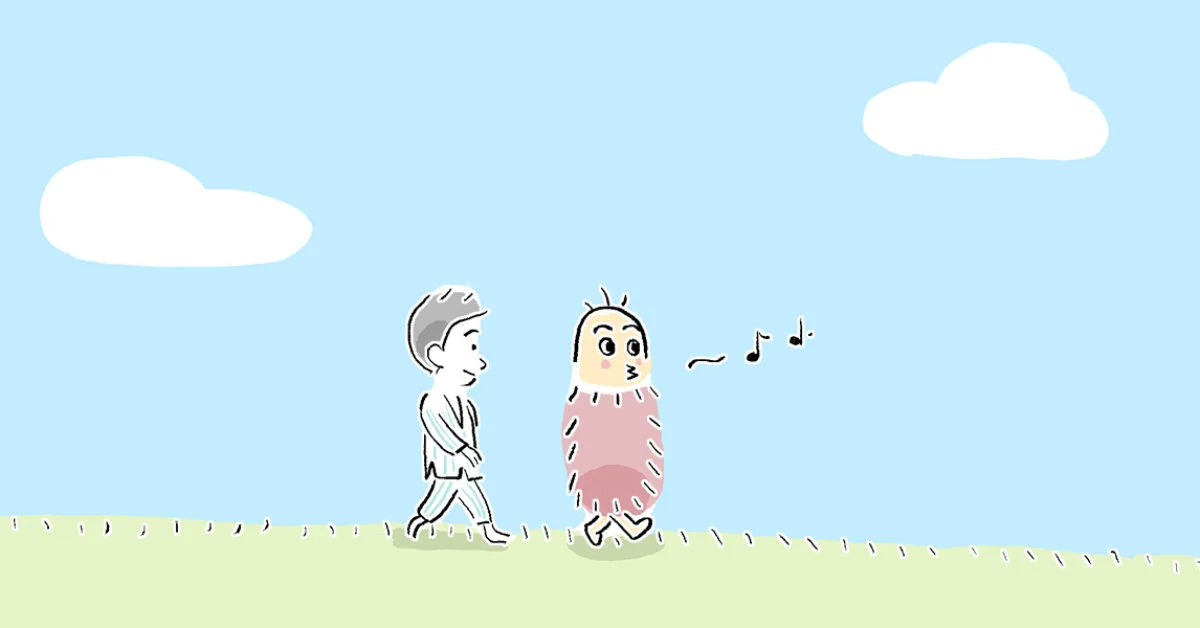
In a significant move that underscores this trend, Lezhin Entertainment has officially announced that Big See, one of its most acclaimed webcomic titles, is being adapted into a high-profile digital drama series produced by Kakao M. This project represents a bold experiment in narrative structure, blending live-action performances with cutting-edge animation to capture the ethereal, poignant essence of its source material.
The Core Narrative and Creative Vision
Big See is not merely a comic; it is a profound exploration of human fragility and the resilience of the spirit. The story centers on a young man navigating the harrowing final stages of a terminal cancer diagnosis. While the subject matter is undeniably somber, the series has garnered massive critical and commercial acclaim, notably becoming the first title to be awarded the prestigious "Manhwa of the Day" prize in South Korea.
With over 20 million views globally, the webcomic’s transition to the screen is highly anticipated. To honor the source material’s unique visual language, the production team has opted for a hybrid format. The live-action segments, directed by Kim Dong-ha, will ground the story in reality, while the animated sequences—led by Korea’s foremost animator, Han Ji-won—will visualize the protagonist’s internal landscape, blurring the lines between the waking world and the realm of dreams.
Chronology of Production and Development
The development of Big See is part of a larger strategy by Lezhin Entertainment to expand its footprint in the audiovisual market. Following the 2018 acquisition of Lezhin Studio—a production house formerly known for its work on acclaimed series like Method and Chomi’s Interest—the company has been aggressively transitioning its most popular IPs into multimedia franchises.
- 2018: Lezhin Entertainment acquires Lezhin Studio, aiming to leverage its webtoon library for film and television production.
- Early 2020: Development begins on the Big See digital drama, with an eye toward the mobile-first streaming market.
- August 4, 2020: Lezhin Entertainment formally announces the project, confirming the involvement of Kakao M and the casting of Ji Soo.
- Late 2020: Scheduled window for the digital release of the ten-episode series.
This project follows the successful adaptation pipeline of another Kim Botong masterpiece, D.P. Dog’s Day, which is currently in active pre-production for a Netflix original series. By maintaining a pipeline of high-quality adaptations, Lezhin is effectively creating a "shared ecosystem" where comic fans and drama enthusiasts converge.

Supporting Data: The Rise of the Webtoon Economy
To understand the significance of the Big See adaptation, one must look at the data driving the webtoon industry. Unlike traditional print comics, which have faced decades of declining circulation, webtoons have seen exponential growth.
- Global Reach: The vertical-scrolling format is uniquely optimized for the modern smartphone user. This accessibility has translated to tens of millions of active daily users across platforms like Lezhin Comics.
- Adaptation Potential: According to recent market analysis, webtoons have become the "IP goldmine" for Korean production houses. The built-in fan base provides a lower-risk investment compared to original scripts, as the audience for the narrative has already been validated.
- Strategic Production: The decision to produce ten episodes, each under 15 minutes, is a calculated move to capture the "micro-consumption" habits of mobile users. This format is specifically designed for the KakaoTalk video platform, ensuring that the content is consumed on the device for which it was originally conceived.
Official Responses and Creative Direction
The production team behind Big See has emphasized that this project is intended to redefine the aesthetic possibilities of digital drama. The casting of Ji Soo, known for his work in My First First Love, alongside Lee Seol, highlights the studio’s commitment to securing top-tier talent for these streaming ventures.
A spokesperson for Lezhin Studio stated, "We are excited to see the performances of Lee Seol and Ji Soo combined with the fantastic atmospheres and environments that are only possible through animation. Our goal is to create a new reality that dives deep into the horizon between the real world and dreams. By integrating animation, we can convey the internal, often abstract, experiences of a terminal patient in a way that live-action alone cannot fully capture."
This sentiment is echoed by the creative team, who believe that the fusion of mediums is the future of storytelling. By handing the animation reins to Han Ji-won, the studio is ensuring that the artistic integrity of the original webcomic remains intact while providing a fresh, cinematic experience for viewers.
Implications for the Future of Digital Media
The adaptation of Big See is more than just a new show; it is a indicator of where the entertainment industry is heading.
1. The Death of the "Niche" Label
For years, digital comics were treated as an alternative to "serious" literature. With major streaming giants like Netflix and platforms like Kakao M pouring capital into these stories, the barrier between digital comics and prestige television has effectively vanished. The success of these adaptations proves that audiences are hungry for stories that originate from diverse, digital-first creators.
2. The Rise of Hybrid Storytelling
The use of animation as a narrative tool in a live-action drama is a bold creative risk. If Big See succeeds, it could set a new standard for how television dramas depict memory, trauma, and internal states. It moves the medium away from literal representation and toward a more impressionistic style of filmmaking.
3. Vertical Integration of IPs
Lezhin Studio’s current slate—which includes the Method series, the upcoming Hell (Netflix), and the D.P. Dog’s Day project—shows a highly disciplined approach to IP management. By controlling the production process from the webtoon page to the screen, companies are able to maintain quality control and ensure that the transition between formats is seamless.

Conclusion: A New Horizon
As we look toward the latter half of 2020 and beyond, the release of Big See will likely serve as a benchmark for mobile-optimized storytelling. It represents the successful convergence of high-art animation, grounded dramatic performance, and the massive, decentralized power of the global webtoon audience.
By prioritizing the emotional core of Kim Botong’s writing while embracing the technical possibilities of the digital age, the producers are not just adapting a comic—they are pioneering a new form of digital theater. Whether this project marks the beginning of a sustained trend of hybrid-format dramas remains to be seen, but one thing is certain: the webtoon is no longer just a trend. It is the foundation upon which the future of global television is being built.









No comments yet. Be the first to join the conversation!