

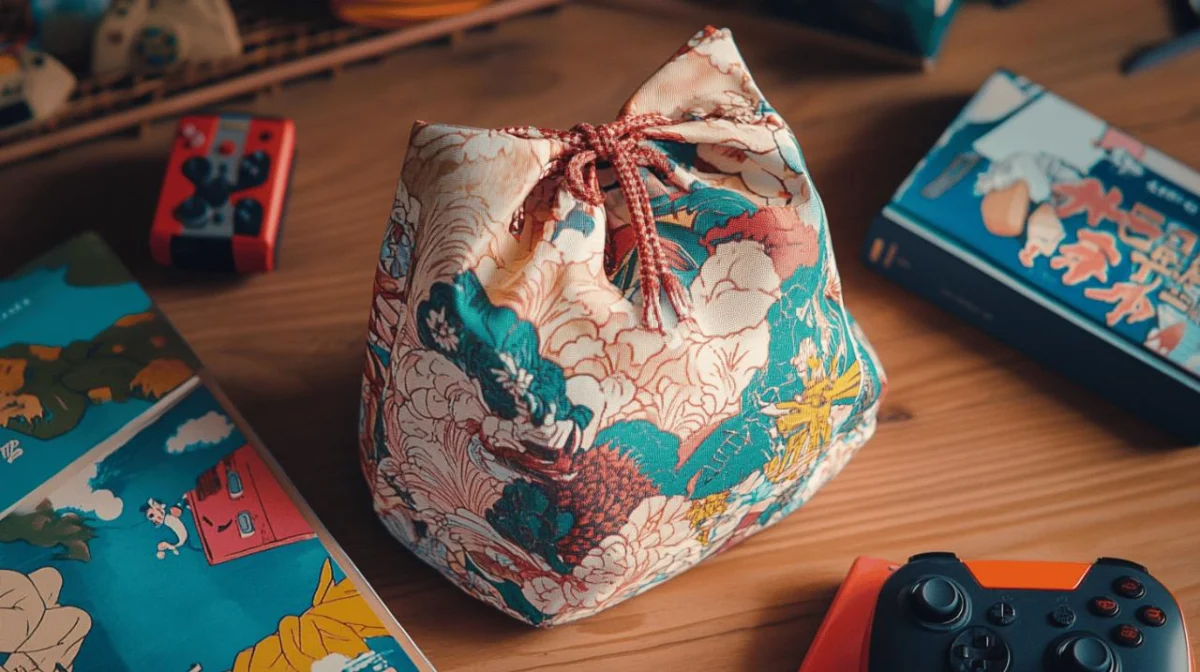
The Japanese tea ceremony, or Chanoyu, is far more than a simple act of preparing a beverage. It is a profound, meditative art form that seeks to harmonize human connection, aesthetic appreciation, and spiritual discipline. Central to this ritual is the logistical challenge of transporting delicate, artisanal tools—the chawan (bowl), chasen (bamboo whisk), and chashaku (tea scoop). The tea ceremony bag is not merely a utilitarian container; it is a sacred vessel that mirrors the core tenets of the ritual: Wa (harmony), Kei (respect), Sei (purity), and Jaku (tranquility).
The Chronology of an Ancestral Accessory
To understand the evolution of the tea ceremony bag, one must look back to the Kamakura period (1192–1333). During this era, Zen Buddhist monks returning from China introduced the practice of consuming powdered matcha. As the ceremony transitioned from a monastic ritual to a cultural cornerstone for the Japanese aristocracy and later the merchant class, the need for portable, protective housing for tea utensils became apparent.
From Monastic Origins to Artisanal Craft
In the early days, monks utilized simple, functional cloth wraps. However, as the aesthetic of Chanoyu evolved, so did the containers. By the Muromachi period, the appreciation for wabi-sabi—the beauty in imperfection and simplicity—began to dictate the design of these bags. Artisans began creating bespoke carriers that reflected the status of the tea master while maintaining a humble exterior, adhering to the principle that the vessel should not outshine the tea itself.
The Influence of Uji and the Tokugawa Era
The region of Uji, historically recognized as the premier producer of high-grade matcha, became the epicenter for the development of these accessories. During the Edo period (1603–1868), the tea ceremony flourished among the samurai class. This led to a surge in specialized craftsmanship, where the bags were fashioned from meibutsu-gire (famous fabrics), often repurposed from high-quality kimono silks, to provide superior protection for the fragile ceramic bowls and bamboo implements.
Supporting Data: The Anatomy of a Perfect Vessel
A modern tea ceremony bag is a marvel of functional engineering designed for durability and grace. Professional practitioners note that the structural integrity of the bag is paramount to preserving the integrity of the tools within.
Material Science and Ethical Sourcing
Current artisanal standards emphasize the use of natural fibers. Linen, raw silk, and high-density cotton are preferred for their breathability and resistance to moisture—a critical factor when storing bamboo tools, which can warp or mold if trapped in synthetic materials. Many contemporary artisans now source materials through fair-trade channels, ensuring that the "purity" of the ceremony is reflected in the origin of the bag itself.
Structural Dimensions and Ergonomics
Based on historical standards and contemporary usage, the ideal tea ceremony bag adheres to specific dimensions:
- Height: 25 to 30 centimeters, providing enough clearance for the vertical alignment of the chawan.
- Width: Approximately 20 centimeters, allowing for the side-by-side placement of the chasen and chashaku without overcrowding.
- Weight Distribution: A well-balanced base is essential, as the bag must remain stable when placed on a tatami mat to prevent the fragile ceramic contents from shifting or tipping.
Official Perspectives: The Philosophy of Organization
Leading tea masters and cultural curators from the Urasenke and Omotesenke schools emphasize that the act of packing the bag is an extension of the ceremony itself. The organization of the interior compartments is not merely about storage; it is a rehearsal of the sequence of the ceremony.
The Internal Architecture
The modern, high-quality bag is divided into specific zones:
- The Central Cavity: Reserved for the chawan, often wrapped in a shifuku (protective silk pouch).
- The Lateral Sleeves: Designed to house the chasen (whisk) and chashaku (scoop) in a way that prevents the delicate bamboo tines of the whisk from being crushed.
- The Textile Compartment: A dedicated, moisture-controlled pocket for the fukusa (silk cloth used for ritual cleaning) and the chakin (hemp cloth for wiping the bowl).
Expert Insights on "Sei" (Purity)
According to artisans in Kyoto, the "purity" of the bag is maintained through a strict "no-cross-contamination" policy. Tea masters advise that the tea scoop should never touch the interior lining of the bag directly, as even minute amounts of residual moisture can degrade the bamboo. The use of specialized, acid-free inserts is recommended by museum conservators to ensure the longevity of both the fabric and the tools.
Implications for Modern Practice and Global Appreciation
The global rise of interest in Japanese culture has turned the tea ceremony bag into a sought-after piece of functional art. However, this growth comes with a responsibility to maintain the rigorous standards of the past.
Sustainability and Maintenance
As more enthusiasts adopt the tea ceremony as a daily practice, the maintenance of the bag has become a point of discussion. Professional advice is consistent:
- Cleaning: Never use harsh detergents. A soft brush to remove dust and a slightly dampened white cotton cloth for spot cleaning are the only approved methods.
- Storage: The bag should be stored in a cool, dark place, ideally inside a breathable cotton storage bag. During periods of inactivity, it should be lightly stuffed with acid-free tissue paper to maintain its structural form.
The Future of Traditional Craft
The intersection of traditional Uji craftsmanship and modern design is creating a new market for these accessories. Younger generations of artisans are experimenting with organic, bio-based textiles that mimic the properties of historical silks while being more resilient to the modern climate. This evolution suggests that the tea ceremony bag is not a static relic, but a living component of a tradition that continues to adapt to the needs of the modern world.
Conclusion: A Ritual of Preparation
Ultimately, the tea ceremony bag is the silent guardian of the Chanoyu experience. It reminds the practitioner that the ceremony begins long before the hot water is poured. It starts with the intentional packing of the bag, the selection of the right tools for the occasion, and the respectful handling of the objects that facilitate the encounter between host and guest.
Whether one is attending an informal chakai or a highly formalized tea gathering, the presence of an authentic, well-maintained bag signals a commitment to the foundational values of the practice. By investing in quality, understanding the history of the materials, and respecting the sacred nature of the tools, the modern practitioner ensures that the art of the tea ceremony remains as vibrant, pure, and tranquil as it was in the time of the Kamakura monks.
In a fast-paced world, the slow, deliberate care required to maintain these vessels offers a path to mindfulness. The tea ceremony bag is more than a container; it is a bridge between the ancient traditions of Japan and the contemporary pursuit of peace, one cup of matcha at a time.












No comments yet. Be the first to join the conversation!