Nila Kartika Wati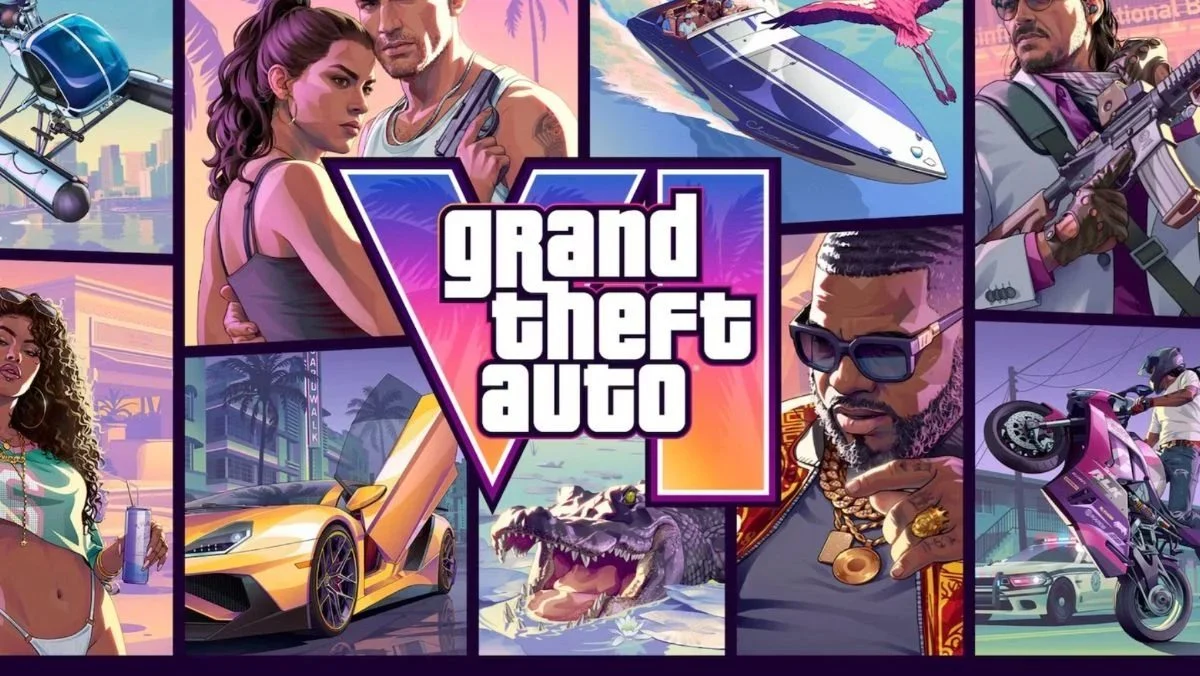
The gaming world held its collective breath this week as Rockstar Games and its parent company, Take-Two Interactive, delivered news that has sent shockwaves through the industry. In a formal announcement following their latest quarterly earnings report on November 6, 2025, the developers confirmed that the highly anticipated Grand Theft Auto VI has been pushed back once again. The new, firm release date is now set for November 19, 2026.
For a title that has dominated the cultural conversation since its initial announcement, this six-month extension from its previous May 2026 target marks a significant pivot. While the move aims to ensure the "unrivalled blockbuster experience" fans expect, it also highlights the immense pressure and technical complexity inherent in developing the next generation of open-world gaming.
A History of Anticipation and Setbacks
The journey toward Grand Theft Auto VI has been anything but straightforward. Since the franchise’s last major entry, Grand Theft Auto V, set a record for the most profitable entertainment product in history, the expectations for its successor have reached a fever pitch.
The Timeline of Delays
- Initial Hopes: Following years of rumors and industry leaks, fans originally anticipated a 2025 release window.
- The First Shift: Earlier in 2025, Rockstar officially tempered expectations, pushing the window to May 2026. That announcement alone caused a ripple effect across the gaming sector, with analysts estimating a $2.7 billion impact on the industry’s valuation as investors reassessed the fiscal impact of a missing marquee title.
- The Current Pivot: The November 2025 announcement marks the second major delay, cementing the November 19, 2026, date as the current target.
Rockstar Games has acknowledged the frustration this creates for a fanbase that has been replaying the Grand Theft Auto trilogy and GTA V for over a decade. However, the studio maintains that the additional time is non-negotiable for meeting the "level of polish" the series demands.
Official Statements and Corporate Strategy
The decision to delay was not made lightly, particularly given the financial weight of the project. During the quarterly earnings call, Take-Two Interactive CEO Strauss Zelnick emphasized that the move was a strategic decision to protect the long-term legacy of the franchise.

"Rockstar Games will now release Grand Theft Auto VI on November 19, 2026," Zelnick stated. "We remain both excited and confident they will deliver an unrivalled blockbuster entertainment experience. We are sorry for adding additional time to what we realize has been a long wait, but these extra months will allow us to finish the game with the level of polish you have come to expect and deserve."
This sentiment was echoed in a concurrent blog post by the development team. The developers expressed gratitude for the community’s "patience and support," noting that the extra months of development are vital to realizing the vision of a "sprawling state of Leonida" and a modern-day return to the neon-soaked streets of Vice City.
The Economic and Industrial Impact
The Grand Theft Auto franchise is not merely a video game series; it is a pillar of the global entertainment economy. When Rockstar sneezes, the gaming industry catches a cold—or in this case, a multi-billion dollar fever.
Market Volatility
The sheer scale of the delay has significant implications for Take-Two Interactive’s stock performance. Because Grand Theft Auto VI is the most anticipated piece of media in recent history, institutional investors have tethered a significant portion of their fiscal growth projections to its release. When the May 2026 window was abandoned, the market reacted with volatility, reflecting the sensitivity of the gaming industry to production cycles.
The "Polish" Standard
In an era where "broken at launch" games have become a common grievance, Rockstar is attempting to avoid the pitfalls of its peers. The decision to delay is an implicit admission that modern open-world games—with their complex AI, dynamic weather systems, and massive, reactive maps—are becoming increasingly difficult to finalize. By choosing to delay rather than release a subpar product, Rockstar is reinforcing its reputation as a "prestige" developer, even if that prestige comes at the cost of consumer patience.

Why Vice City? The Weight of Expectation
The return to Vice City has been the most requested setting for a Grand Theft Auto game since the release of the 2002 classic. By grounding the new title in the state of Leonida, Rockstar is leaning into the nostalgia of the 1980s original while attempting to modernize the experience for the 2026 player base.
The trailer, released in mid-2025, serves as the primary touchstone for fans. With over 475 million views, it is arguably the most watched game reveal in history. The footage hinted at a narrative centered on a criminal duo—reminiscent of Bonnie and Clyde—and showcased a level of graphical fidelity and NPC density that suggests a significant leap forward in game engine capabilities.
What This Means for Fans
For the average player, the delay is undeniably irritating. The "thirst" for new Grand Theft Auto content has led to a sub-culture of fans analyzing every frame of the trailer and every snippet of leaked information. The announcement that pre-orders will be available starting June 25, 2026, serves as a soft "promise" from the developers that this date is indeed the final one.
The Content Gap
Until November 2026, the gaming landscape faces a void. Fans are left to occupy their time with previous entries in the series, or to turn to other open-world competitors. However, the unique "Rockstar formula"—a blend of biting social satire, cinematic storytelling, and chaotic freedom—remains difficult to replicate.
Looking Toward November 2026
As the industry looks toward the new release date, the conversation is shifting from "when will it come out" to "how will it change the industry." If Grand Theft Auto VI succeeds, it will likely set a new benchmark for open-world design, pushing other studios to match its density and detail. If it falters, it would be a historic disappointment.

For now, the studio has set the finish line. Barring any further unforeseen technical hurdles, the citizens of Leonida will finally open their doors in late 2026. Until then, the world continues to wait, with hopes that the final product will justify the six-month wait.
Disclaimer: This article contains affiliate links. We may earn a commission on purchases made through these links, which supports our ongoing coverage of the gaming industry. The views expressed in this article are independent and intended for informational purposes.

 Siti Muinah
 Azzam Bilal Chamdy