Nana Muazin
For years, the multi-device user has been forced to navigate a fragmented digital existence. Whether you’re a professional juggling a primary flagship device and a secondary "beater" phone for travel, or an early adopter transitioning between the latest iPhone Duo and a compact daily driver, the lack of true synchronization between two distinct iPhones has long been a source of friction. You either had to swap physical SIMs, deal with complex call forwarding, or settle for two separate numbers.
That era is coming to a close. With the rollout of iOS 27, Apple has introduced "iPhone Handoff," a feature that promises to bridge the gap between two devices, allowing them to function as a singular, unified mobile presence under one phone number.
The Main Facts: What is iPhone Handoff?
At its core, iPhone Handoff is a sophisticated synchronization protocol that allows two iPhones to share a single mobile identity. First teased during the Apple Worldwide Developers Conference (WWDC) and subsequently detailed at the September 9 "Surprise and Shine" event, the feature eliminates the need for redundant carrier accounts.
When enabled, a user can pick up either device and expect it to behave as their primary phone. This includes:
- Unified Communication: Incoming calls and iMessages are routed to both devices simultaneously, allowing you to answer on whichever phone is currently in your hand.
- Ecosystem Continuity: Payment cards in your Wallet, iCloud synchronization, and app states are mirrored, ensuring that your digital workspace remains consistent regardless of the hardware you are holding.
- Dynamic Integration: The transition is signaled via a subtle indicator in the Dynamic Island, providing immediate visual confirmation that the Handoff protocol is active and syncing.
The magic of this feature lies in its invisibility. There is no manual "switching" required; Apple’s ecosystem intelligence recognizes which device you are interacting with and prioritizes that handset for active tasks, effectively making the transition seamless.
A Chronological Evolution: From Handoff to Integration
The journey to iPhone Handoff began years ago with the introduction of "Continuity," a suite of features that allowed users to start a task on an iPhone and pick it up on a Mac or iPad. However, these features were historically unidirectional or cross-platform, rarely focusing on the "two-iPhone" scenario.
- Pre-2026: Users were limited to traditional Call Forwarding or multi-SIM setups that often resulted in missed notifications, fragmented iMessage threads, and significant carrier confusion.
- WWDC 2026: Apple briefly alluded to a "unified mobile identity" project, signaling a move toward deeper carrier-level integration.
- September 9, 2026 (The "Surprise and Shine" Event): Apple officially unveiled iPhone Handoff alongside the iPhone 18 series. This was the first time the company acknowledged the specific use case of the "secondary device" user as a primary market segment.
- Post-Launch: The feature is now being pushed to all compatible devices running iOS 27, marking a shift in how Apple views device ownership—moving away from "one person, one phone" to "one person, one identity, multiple devices."
Supporting Data and Technical Requirements
For those looking to implement iPhone Handoff, there are specific technical hurdles to clear. The feature is not a simple software toggle; it relies on deep integration between Apple’s hardware and the carrier’s backend.
Technical Prerequisites
- OS Version: Both iPhones must be running iOS 27 or later.
- Network Topology: Both devices must be logged into the same Apple Account (iCloud, FaceTime, iMessage).
- Proximity/Connectivity: While not required to be on the same Wi-Fi network at all times, the initial handshake and ongoing synchronization perform best when both devices are linked to the same Apple ecosystem.
- Carrier Support: This is the most significant hurdle. Currently, the feature requires specific provisioning from the cellular provider. In the United States, T-Mobile has led the charge, while in Germany, Telekom has confirmed full implementation.
The Financial Implication
The convenience of Handoff comes with a cost. T-Mobile, for example, has instituted a $5 monthly fee for the privilege of tethering a second device to your primary line. Industry analysts suggest this fee covers the additional eSIM provisioning and the proprietary data overhead required to route calls and messages across two separate cellular handshakes simultaneously.
Official Responses and Industry Context
Apple’s messaging regarding Handoff has been characteristically minimalist. During the launch event, Apple executives emphasized "reducing friction" and "ambient computing," suggesting that the hardware should adapt to the user rather than the user adjusting their behavior to suit the hardware.
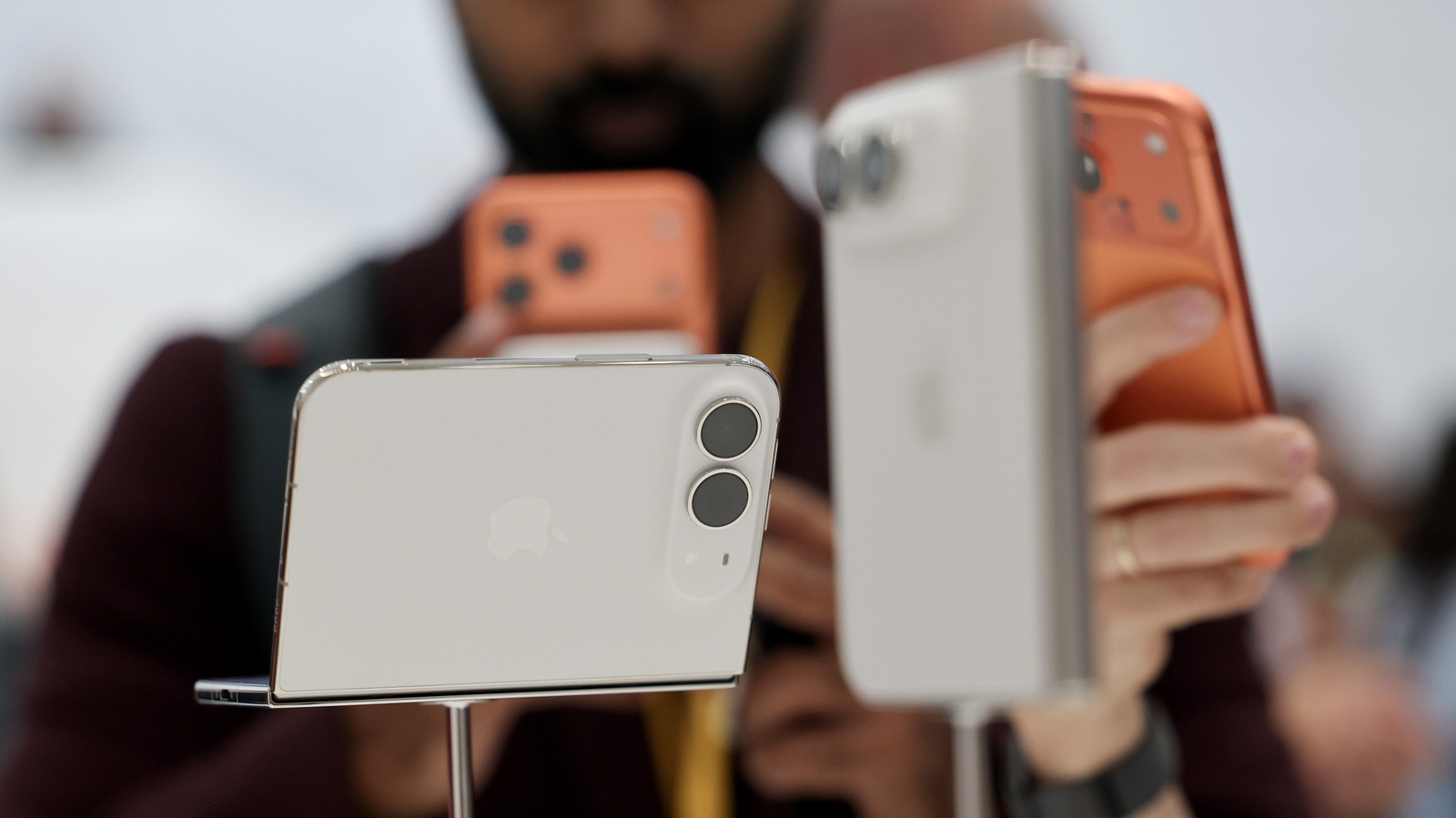
However, the industry response has been mixed. Carriers are wary of the potential loss of revenue from users who previously maintained two separate, full-priced cellular plans. Conversely, high-end users—particularly those who purchased the $2,000 iPhone Duo—have praised the move.
"The ability to leave my premium, fragile device at home and take a secondary, more durable iPhone into the field without losing touch with my primary number is a game changer," says lead analyst Marcus Thorne. "It effectively turns the iPhone into a service rather than just a physical product."
Limitations: Where the Magic Fades
Despite the sleek implementation, users should be aware of the limitations currently baked into the system:
- Wallet Restrictions: While credit and debit cards sync, government-issued IDs and certain secure transit passes are strictly bound to the hardware’s Secure Enclave. You cannot, at this time, present a digital driver’s license from your secondary phone if the primary phone holds the credential.
- Apple Watch Pairing: Your Apple Watch remains tethered to one "primary" phone. Handoff does not currently support the dynamic switching of a single Apple Watch between two iPhones. This remains a significant point of frustration for power users.
- Carrier Lock-in: You cannot simply "turn off" Handoff in the settings menu. Because the feature involves carrier-level eSIM provisioning, disabling it requires contacting your carrier’s support desk. This is a deliberate security feature designed to prevent unauthorized cloning of a mobile number, but it adds an administrative layer to the process.
Implications for the Future of Mobile Hardware
The introduction of iPhone Handoff signals a broader shift in Apple’s hardware strategy. By allowing two iPhones to share one number, Apple is tacitly admitting that the "one-size-fits-all" smartphone is no longer sufficient. Users have varied needs throughout their day: a high-powered, camera-centric flagship for professional work, and a lighter, more portable device for travel or leisure.
This feature also hints at the future of modular computing. If Apple can successfully synchronize two iPhones, the logical next step is the seamless integration of more disparate devices—perhaps allowing a tablet or even a specialized wearable to act as a secondary "phone" instance.
For the average consumer, this means that the "upgrade cycle" may change. Rather than trading in your old iPhone for a new one, you might keep your older, perfectly functional device as a secondary "satellite" phone, using it for specific tasks while your new flagship handles the heavy lifting.
Conclusion: Is Handoff Right for You?
If you are a power user, a frequent traveler, or a professional who requires a secondary device, iPhone Handoff is an essential upgrade. It removes the anxiety of missing a call on the "other" phone and allows you to curate your device usage based on your current environment.
However, for the casual user, the added complexity of carrier fees and the minor administrative burden of managing two devices may outweigh the benefits. As the ecosystem matures and more carriers adopt the technology, we expect the setup process to become even more streamlined, likely moving into the realm of a simple "tap to pair" feature.
For now, iPhone Handoff stands as a testament to Apple’s commitment to ecosystem integration. It is a feature that turns the iPhone from a solitary device into a flexible, multi-point network, proving that in the future of mobile, your phone number isn’t tied to a piece of glass and silicon—it’s tied to you.

 Siti Muinah
 Layla Zulfa