

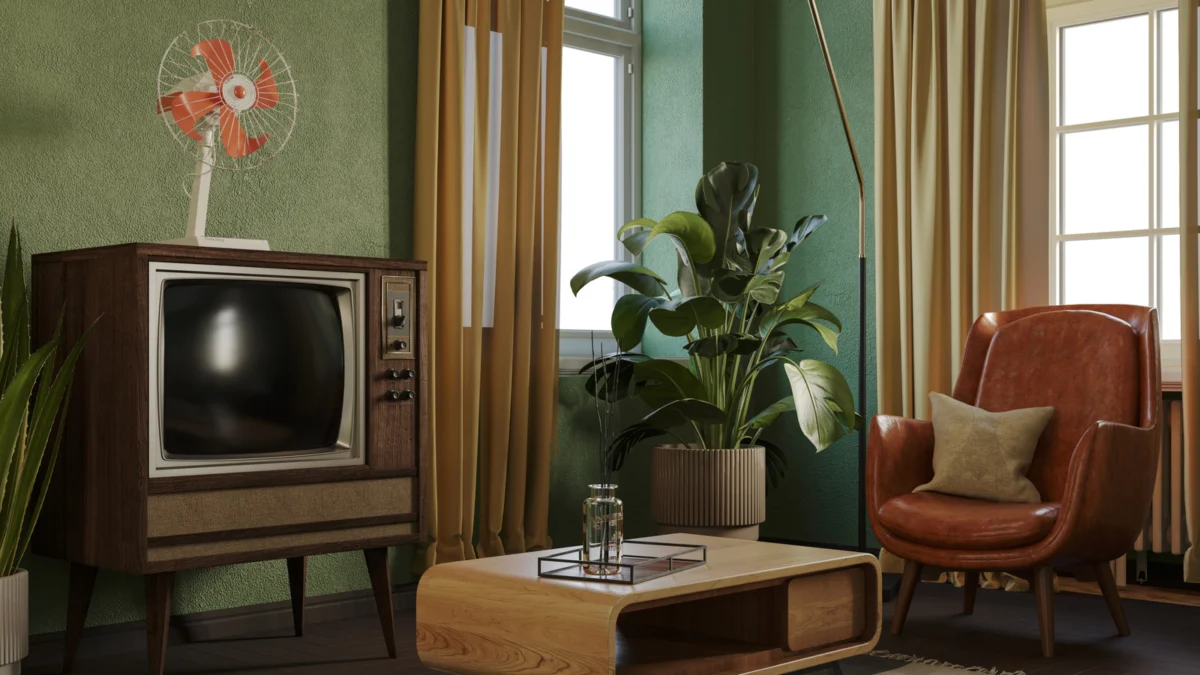
For those born between 1965 and 1980—the demographic cohort known as Generation X—the landscape of childhood was defined by tactile, mechanical, and decidedly "un-smart" technology. Often described as the "sandwich generation," Gen X occupies a unique historical bridge. They were the last to grow up without the internet and the first to witness the rapid-fire evolution of the digital age.
While their parents, the Baby Boomers, navigated the transition from radio and black-and-white television to the space age, Gen Xers were the primary consumers of the "Golden Age of Consumer Electronics." Today, these devices serve as more than just relics; they are keys to a cultural memory of a time when technology was physical, finite, and fundamentally tied to the home.
The Chronology of Household Innovation
The mid-20th century saw a massive surge in home-based convenience technology. The timeline of these devices traces the trajectory of the American middle-class experience:
- 1930s–1960s: The reign of the rotary telephone, standardized by the Bell System, establishes the baseline for domestic communication.
- 1971–1972: A pivotal moment for home convenience. The PhoneMate Model 400 introduces the commercial answering machine, while Mr. Coffee brings the automation of café-quality brewing to the kitchen counter.
- 1975–1985: The "Format Wars" era. As VCRs hit the market at astronomical prices, consumers choose between Betamax and VHS, forever changing how families consume cinema.
- 1980s–1990s: The democratization of technology. Devices like the Sony Dream Machine and compact VCRs become affordable staples in suburban homes, cementing the aesthetic of the "modern" bedroom and living room.
The Five Pillars of Gen X Nostalgia
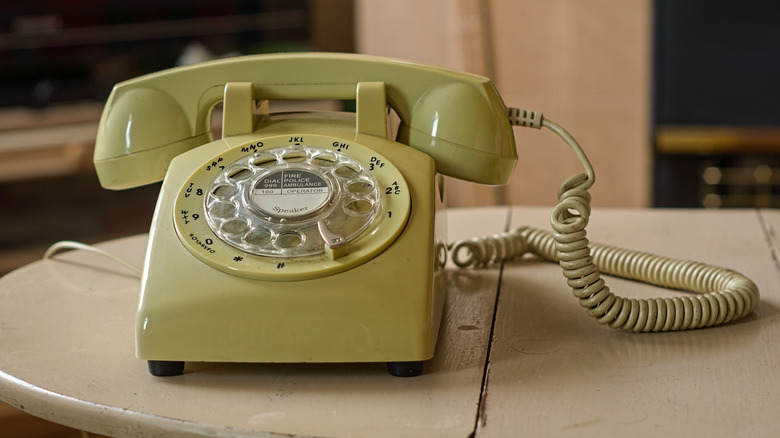
1. The Rotary Phone: A Lesson in Patience
For the modern user, the rotary phone is an object of confusion. To place a call required a rhythmic, physical engagement: placing a finger in a dial hole, rotating it to the metal stop, and waiting for the mechanism to spin back. It was a slow, deliberate process.
Supporting Data: In the 1960s and 70s, phone ownership was tethered to the Bell System’s leasing model. Consumers didn’t own their phones; they paid a monthly fee for the privilege of using them. This created a standard aesthetic—Bakelite for the early years, followed by high-impact colored plastics—that turned the telephone into a permanent piece of home furniture rather than a portable tool. There was no caller ID, no call waiting, and no voicemail—only the hope that whoever was on the other end would pick up.
2. The VCR: The Birth of Home Cinema
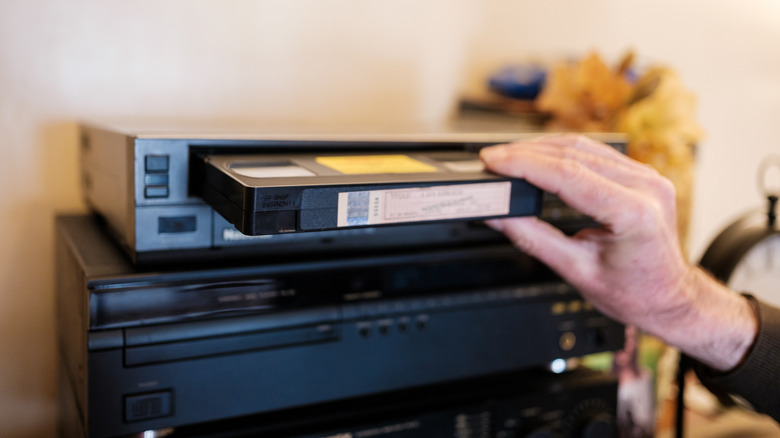
The VCR was the first major step toward the "on-demand" culture we enjoy today. However, it was initially a luxury item. In 1975, a VCR cost roughly $1,000, which, adjusted for inflation, exceeds $6,000 in today’s currency. It was a significant investment for a family, often serving as the centerpiece of the entertainment system.
The "Format Wars" between VHS and Sony’s Betamax provided a masterclass in market dominance. Despite Betamax arguably offering superior image quality, VHS won out due to longer recording times and more aggressive licensing. By the time "A History of Violence" was released on VHS in 2005, the technology had moved from cutting-edge innovation to a nostalgic artifact gathering dust in basements.
3. The Electric Drip Coffee Maker: The Morning Ritual
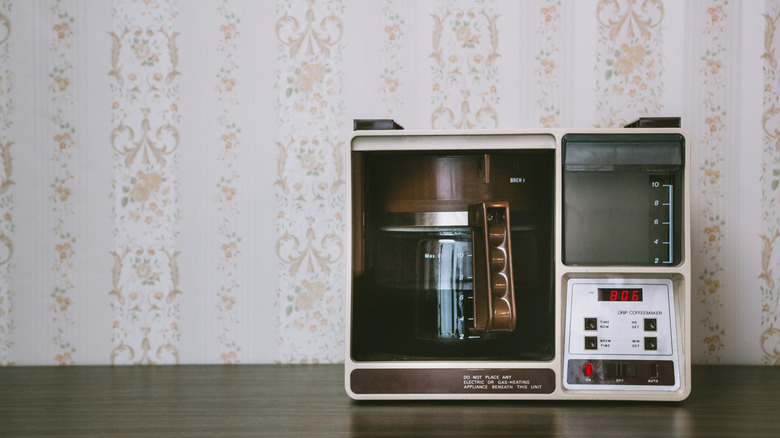
Before the era of single-serve pods and complex espresso setups, the electric drip coffee maker—specifically the iconic Mr. Coffee, introduced in 1972—was a revelation. It moved the household away from the stovetop percolator, which was prone to burning, and provided a consistent, automated method for brewing.
The machine was remarkably simple: a water reservoir, a filter basket, and a hot plate. This simplicity remains its legacy. While the coffee industry has pivoted toward premium, high-tech brewers, the "drip, drip, drip" sound remains a sensory trigger for millions of Gen Xers, evoking memories of quiet, pre-digital weekend mornings.
4. The Clock Radio: The Pre-Digital Alarm
The nightstand of a Gen Xer’s childhood was a minimalist hub compared to today’s device-heavy environment. It usually featured a lamp, a book, and the ubiquitous digital clock radio. Often styled with faux-woodgrain finishes—the hallmark of 1970s interior design—the clock radio was the gatekeeper of the morning.
Unlike the modern smartphone, which offers a cacophony of notifications, the clock radio was a singular tool. It offered a choice: the jarring buzz of an alarm or the soft static of a local radio station. Models like the Sony Dream Machine became cultural icons. Today, as sleep hygiene becomes a primary focus for many, there is a growing movement to return to "analog" sleep, with experts recommending users banish smartphones from the bedroom in favor of the simple, non-connected alarm clock.
5. The Answering Machine: The Gateway to Asynchronous Communication
The answering machine was the precursor to modern voicemail and instant messaging. Before 1971, the technology was bulky and impractical for residential use. The introduction of the PhoneMate Model 400 changed the paradigm, allowing households to capture messages while away.
For the average Gen Xer, the "beep" of the answering machine was a moment of anticipation. It represented the only form of asynchronous communication available; if you weren’t home, the caller had to wait. This limitation fostered a sense of mystery and patience that is entirely absent in an age of constant connectivity.
Implications for Modern Tech Culture
The transition from these physical devices to the cloud-based, AI-driven environment of the 2020s has had profound implications for society.
Psychological Impact: There is an inherent value in "friction." The rotary phone and the VCR forced users to slow down. Operating these devices required intent and time. As technology has become more seamless, we have lost the physical connection to the tools we use, leading to a sense of digital detachment.
Sustainability and Durability: Many of these devices, such as the Sony Dream Machine or original rotary phones, were built to last decades. In contrast, modern consumer electronics are often designed with "planned obsolescence," meant to be replaced every two to three years. This shift has not only changed consumer habits but has also contributed to the global electronic waste crisis.
The "Analog Renaissance": Interestingly, we are currently seeing a resurgence in interest regarding these "obsolete" technologies. Vinyl records, film cameras, and even simple alarm clocks are experiencing a comeback among younger generations who are weary of the constant surveillance and data-mining inherent in modern smartphones. Gen Xers, who view these items with deep nostalgia, are finding that their childhood tools are suddenly becoming the "cool" choice for those seeking a more mindful, unplugged lifestyle.
Conclusion
These five pieces of technology were not just gadgets; they were the scaffolding upon which the Gen X childhood was built. They represented a specific moment in history—a time when technology lived in the home, was made of wood and plastic, and demanded our full, undivided attention. As we continue to race toward an automated, hyper-connected future, these artifacts serve as a vital reminder that sometimes, the best way to move forward is to look back at the simple, physical machines that helped us get here.












No comments yet. Be the first to join the conversation!