Neng Nana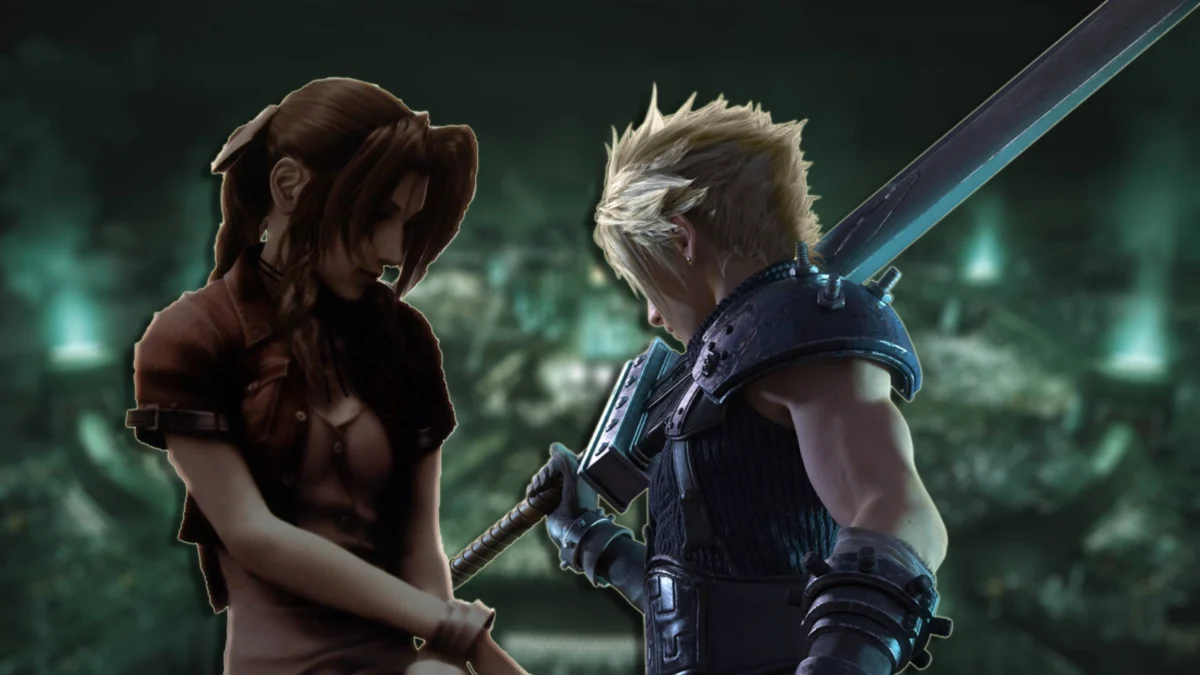
Imagine you are a filmmaker in 1977. You have poured your soul into a project, agonizing over every line of dialogue and meticulously casting the perfect ensemble. You have leveraged every ounce of craft learned in film school to ensure your vision is realized. You finally lock the picture, and it hits theaters with high hopes—only for it to be utterly eclipsed by the cultural supernova that was Star Wars.
This was the collective reality for the development teams behind almost every Japanese Role-Playing Game (JRPG) released in 1997. At the dawn of that year, Square’s Final Fantasy VII arrived on store shelves in Japan, creating a gravitational pull so immense that it effectively monopolized the gaming industry’s collective consciousness for the next twelve months.
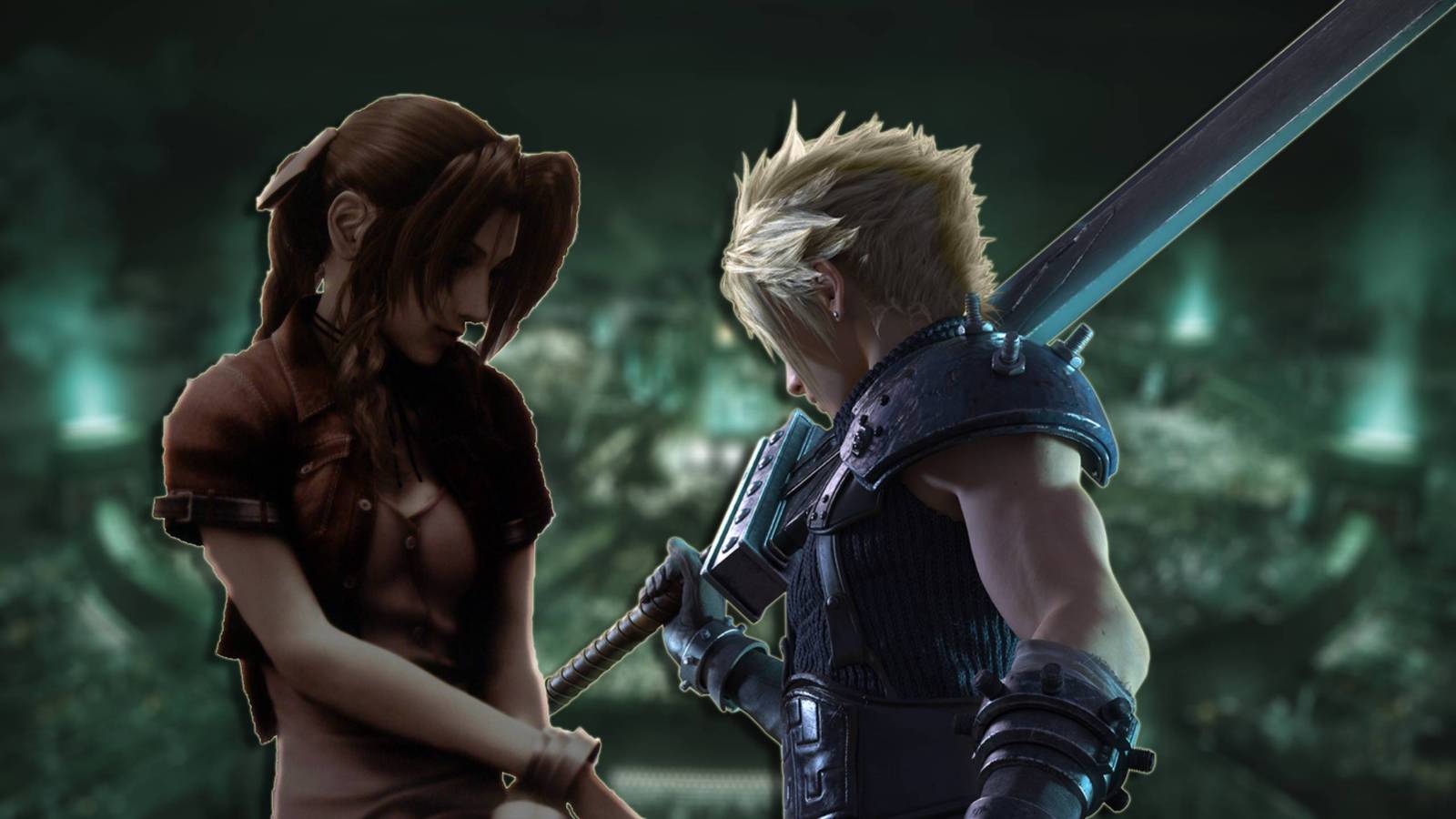
However, 1997 was not just the year of Cloud Strife; it was a watershed moment for the JRPG genre as a whole. While history often paints the era as a one-horse race, the reality was a crowded field of experimental, ambitious, and high-quality titles that were fighting for relevance in the shadow of a giant. Today, we revisit nine of those titles that deserved more than their "pre-FFVII" or "post-FFVII" labels.
The 1997 Chronology: A Year of Seismic Shifts
The landscape of 1997 was defined by a rapid transition from 2D pixel art to 3D polygons. While Final Fantasy VII served as the poster child for this shift, developers across Japan were experimenting with how to adapt traditional mechanics to newer hardware.
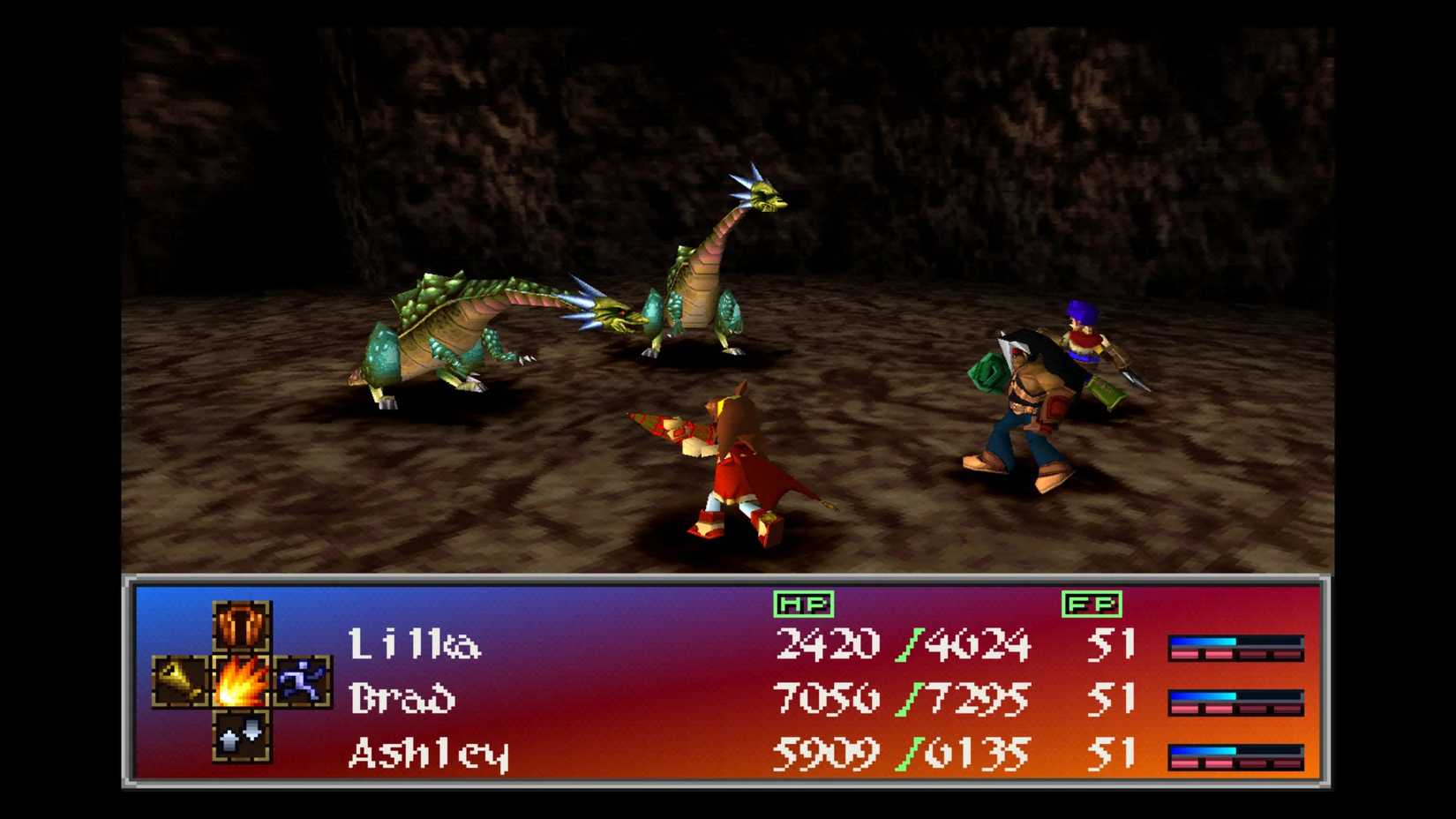
The year began with the pressure of the PlayStation and Sega Saturn consoles attempting to prove they were the true home of the RPG. Titles like Wild Arms and Alundra pushed the boundaries of what home consoles could render, while series like Shining Force and Breath of Fire attempted to modernize their 16-bit roots. The competition was fierce, but the marketing budgets of the time favored the "blocky" aesthetic and cinematic ambition that Square had pioneered.
Nine JRPG Pioneers Under the Shadow
1. Wild Arms (April 30, 1997)
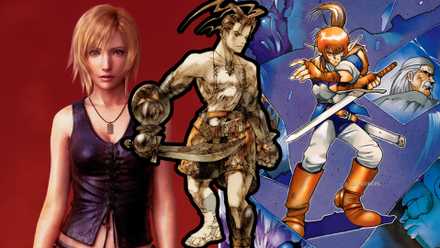
Sony Computer Entertainment was desperate to establish the PlayStation as a haven for JRPGs. Wild Arms was their strategic answer, offering a unique "Western-fantasy" aesthetic that separated it from the high-fantasy tropes of its contemporaries. While the game enjoyed a five-month head start in North America, it was inevitably seen as a "placeholder" for those awaiting the arrival of Final Fantasy VII. Despite this, its inventive use of tools for dungeon exploration and a stellar soundtrack allowed it to spawn a long-running franchise.
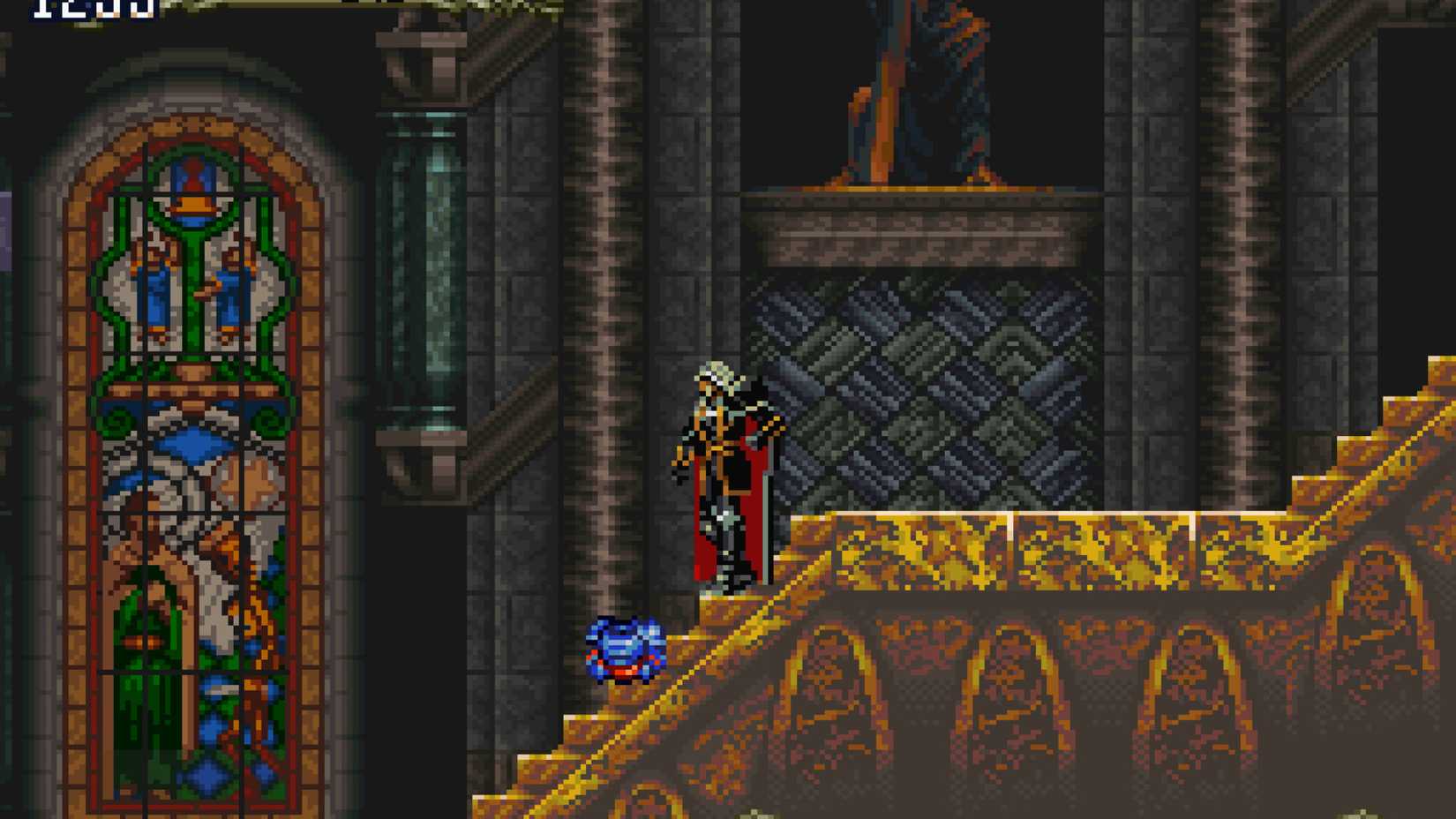
2. Castlevania: Symphony of the Night (March 20, 1997)
While purists might debate its classification as a traditional JRPG, Symphony of the Night represents a pivotal moment in 1997. It proved that 2D art could still hold its own against the 3D revolution. By incorporating RPG elements—leveling up, gear management, and deep exploration—Konami created a masterpiece that transcended its genre. It sold well, but it fought an uphill battle against the industry’s sudden obsession with 3D models.
3. Shining Force III (December 11, 1997)
Released on the Sega Saturn, Shining Force III remains a classic case of a game hampered by its platform. While many gamers were busy with the PlayStation ecosystem, those who dove into Shining Force III found a tactical masterpiece. Its failure to reach a wider audience was less about the game’s quality and more about the declining fortunes of the Sega Saturn, coupled with the "Cloud Strife effect" that dominated Western retail shelves.
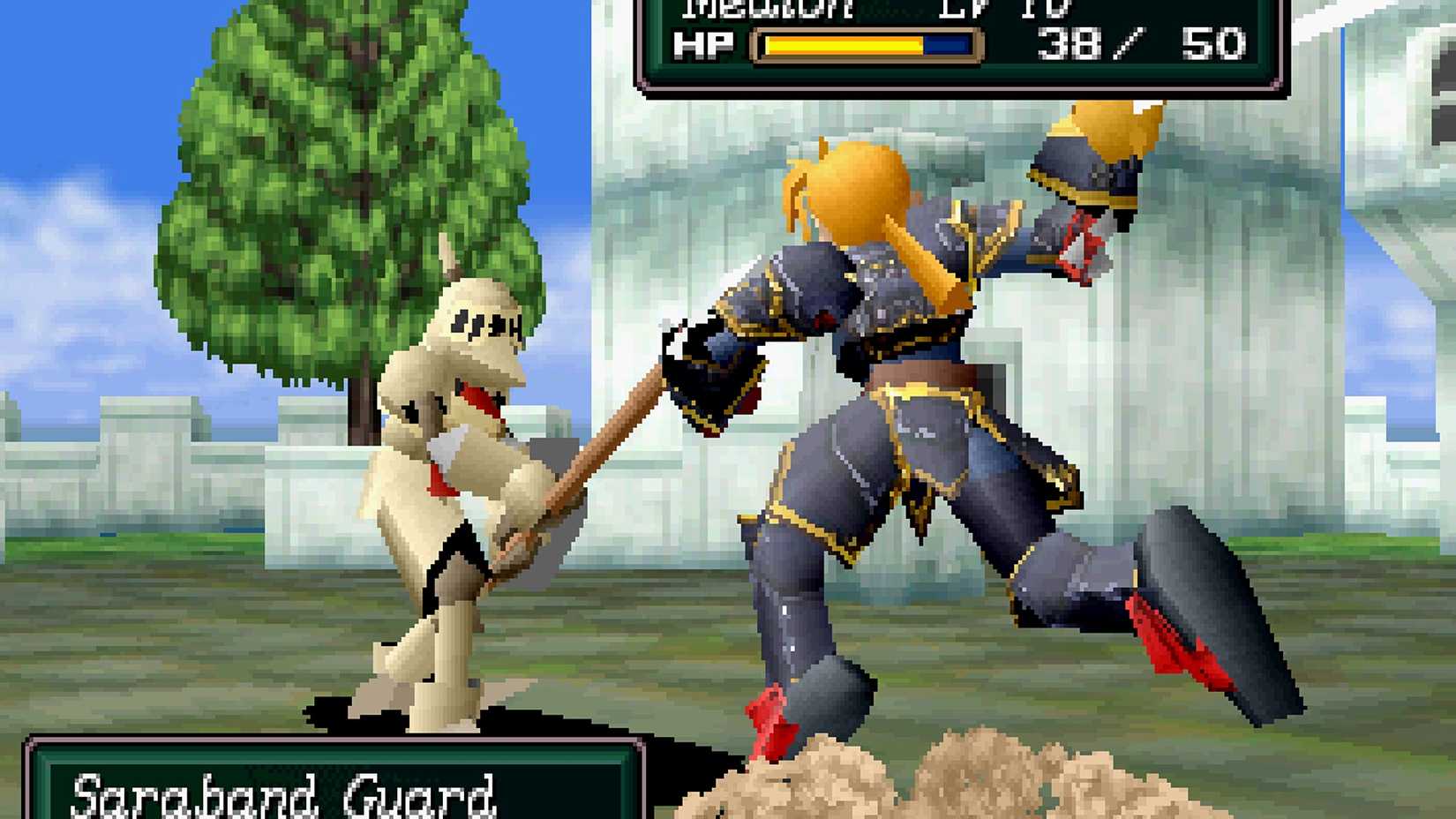
4. Grandia (December 18, 1997)
Grandia is perhaps the most tragic victim of 1997. It featured an expansive, emotional narrative and a combat system that arguably felt more "evolved" than that of its competitors. It even utilized voice acting years before it became a standard requirement. However, its release on the Saturn, followed by a delayed port to the PlayStation, meant it was constantly arriving at the wrong party.
5. Alundra (April 11, 1997)
Matrix Software’s Alundra offered an isometric, action-adventure hybrid that demanded as much from the player’s brain as it did their reflexes. With a dark, psychological narrative involving the exploration of nightmares, it was a sophisticated title. However, in a market saturated by the cinematic flash of Square, its nuanced, difficult gameplay was often overlooked by the masses.
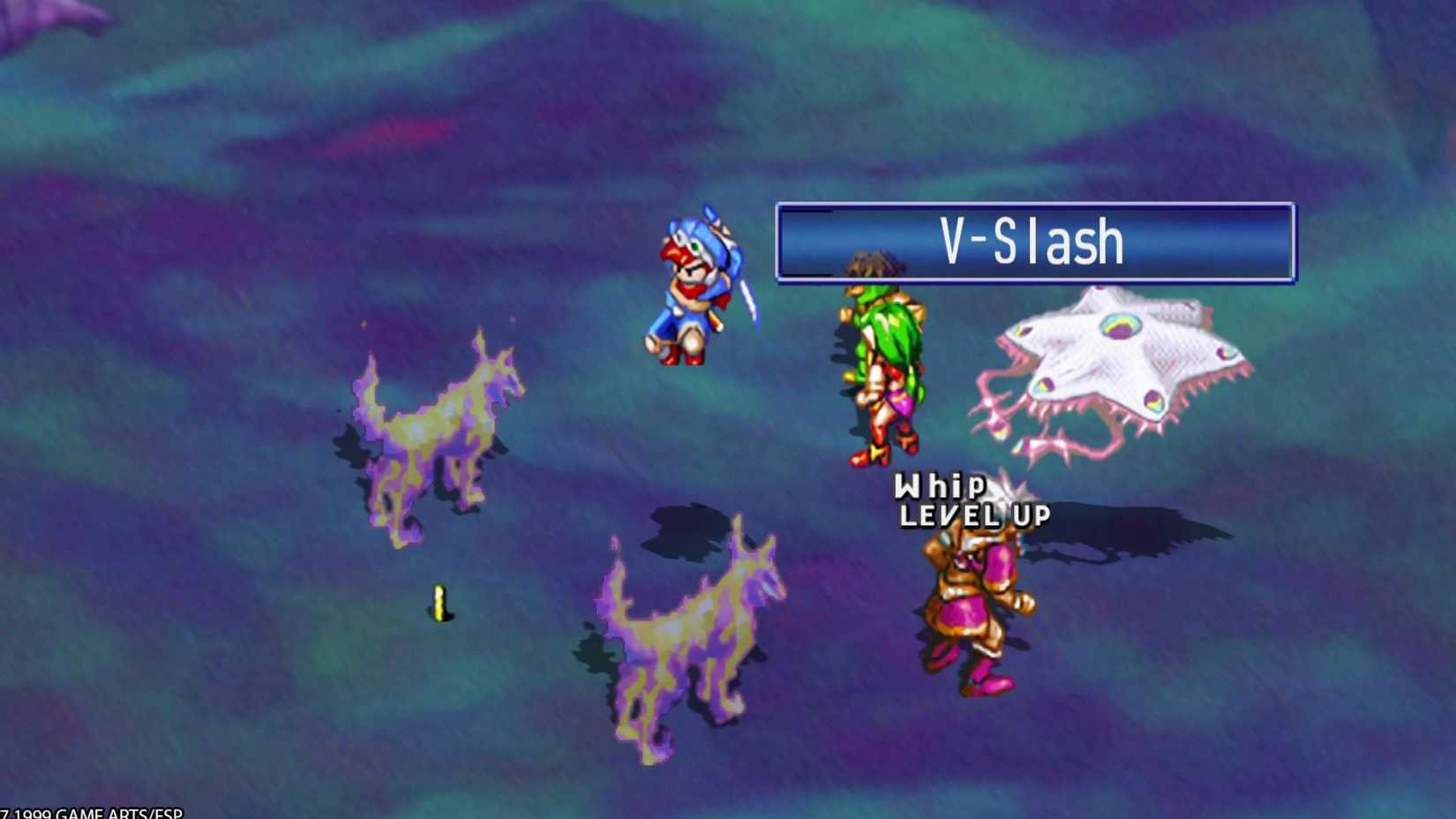
6. Final Fantasy Tactics (June 20, 1997)
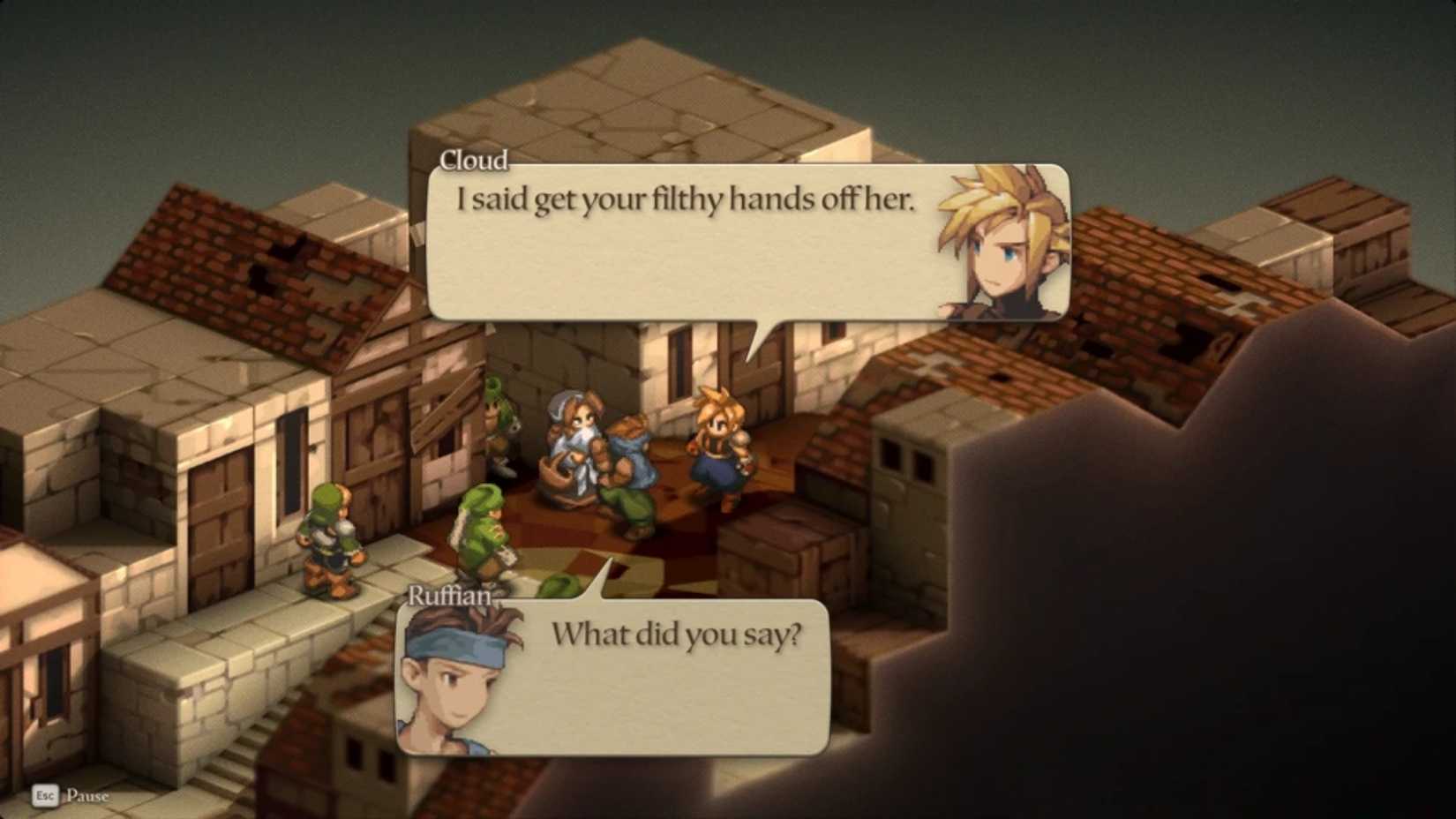
Even within the same brand, Final Fantasy could cannibalize its own siblings. Final Fantasy Tactics is now considered a crowning achievement of the genre, but it launched directly into the wake of Final Fantasy VII. It was a tactical, politically dense masterpiece that required a completely different type of engagement from players, yet it was often relegated to "spinoff" status by the sheer noise surrounding the mainline entry.
7. SaGa Frontier (July 11, 1997)
Square’s SaGa series has always been the "eccentric cousin" of the Final Fantasy family. SaGa Frontier offered a non-linear experience with multiple protagonists, a radical departure from the directed storytelling of the era. While it was popular in Japan, its experimental nature and punishing difficulty curve made it a niche title that struggled to find its footing in the West, especially when players were looking for the comfort of a guided, cinematic experience.
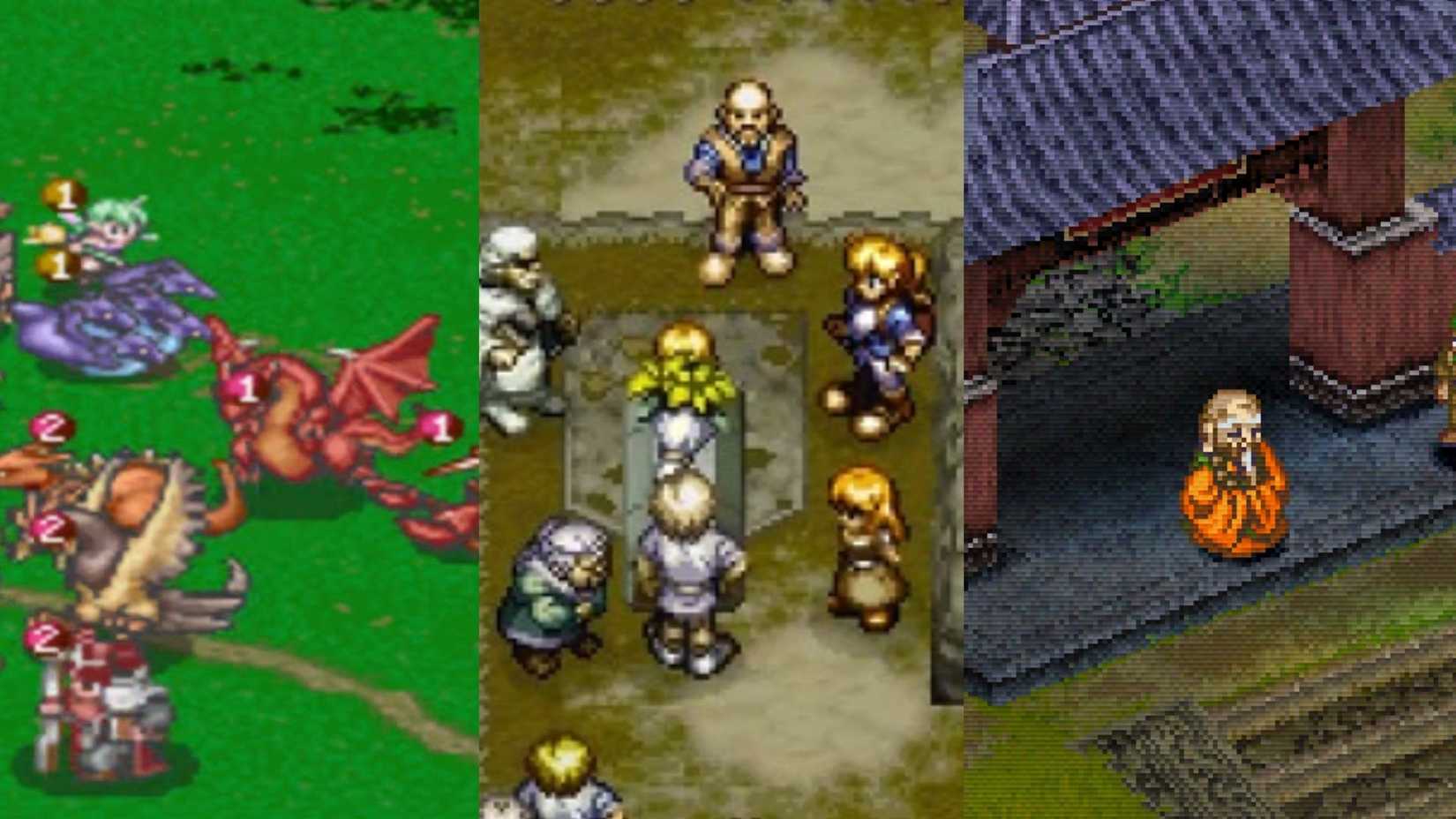
8. Tales of Destiny (December 23, 1997)
The Tales of series has since become a global powerhouse, but in 1997, it was still finding its identity on the PlayStation. Tales of Destiny was a charming, 2D-focused action RPG. While it lacked the polygon-heavy wow factor of Final Fantasy VII, it laid the groundwork for the real-time combat systems that define the franchise today.
9. Breath of Fire III (September 11, 1997)
Capcom’s Breath of Fire III was the transition of a legacy franchise into the 32-bit era. It retained the charm of its 16-bit predecessors while upgrading its visuals and character depth. It is widely considered one of the best in the series, but like the others on this list, it suffered from being a "traditional" game in a year where the industry was screaming for "revolutionary" 3D design.
Supporting Data: The Cost of Competition
The financial implications of 1997 were stark. While Final Fantasy VII sold millions of units globally, the "mid-tier" JRPG market became increasingly difficult to penetrate. Development costs were rising, as the shift to 3D meant higher budgets for art assets and FMV (Full Motion Video) sequences. Games that didn’t hit the "blockbuster" status often failed to secure the marketing spend required to compete, leading to a consolidation of the market that favored larger publishers.
Official Responses and Industry Legacy
In retrospect, developers from this era—such as those at Media Vision (Wild Arms) or Namco (Tales)—have often spoken about the "FFVII hurdle." In various interviews over the decades, designers have noted that the biggest challenge wasn’t necessarily the competition, but the expectation of the audience. Players were no longer satisfied with deep, mechanical, or sprite-based games; they wanted high-fidelity, cinematic experiences.
However, the legacy of these games remains intact. Many of these titles have seen remasters, ports, or have had their mechanics integrated into modern indie darlings. The "failed" games of 1997 actually served as the training ground for the industry to understand that quality gameplay and strong art direction could survive even the most intense market pressure.
Implications: A Lesson in Resilience
What can we learn from the JRPG class of 1997? The primary implication is that "success" is often a matter of timing rather than merit. A game like Grandia or Breath of Fire III is just as playable today as it was twenty-seven years ago. In many ways, these games have aged better than the early 3D experiments of the late 90s because they focused on distinct, stylized art and mechanical depth.
For the modern gamer, these titles represent a treasure trove of forgotten classics. We live in an era where we are constantly looking for the next "big thing," often ignoring the gems hidden in the shadows of giants. If you find yourself finished with the latest Final Fantasy remakes and are looking for something that offers a different perspective on what a JRPG can be, look back to 1997. You might find that the best games weren’t the ones that dominated the headlines, but the ones that dared to be different while the world was looking the other way.


 Asro
Asro
 Nana Wu