Pevita Pearce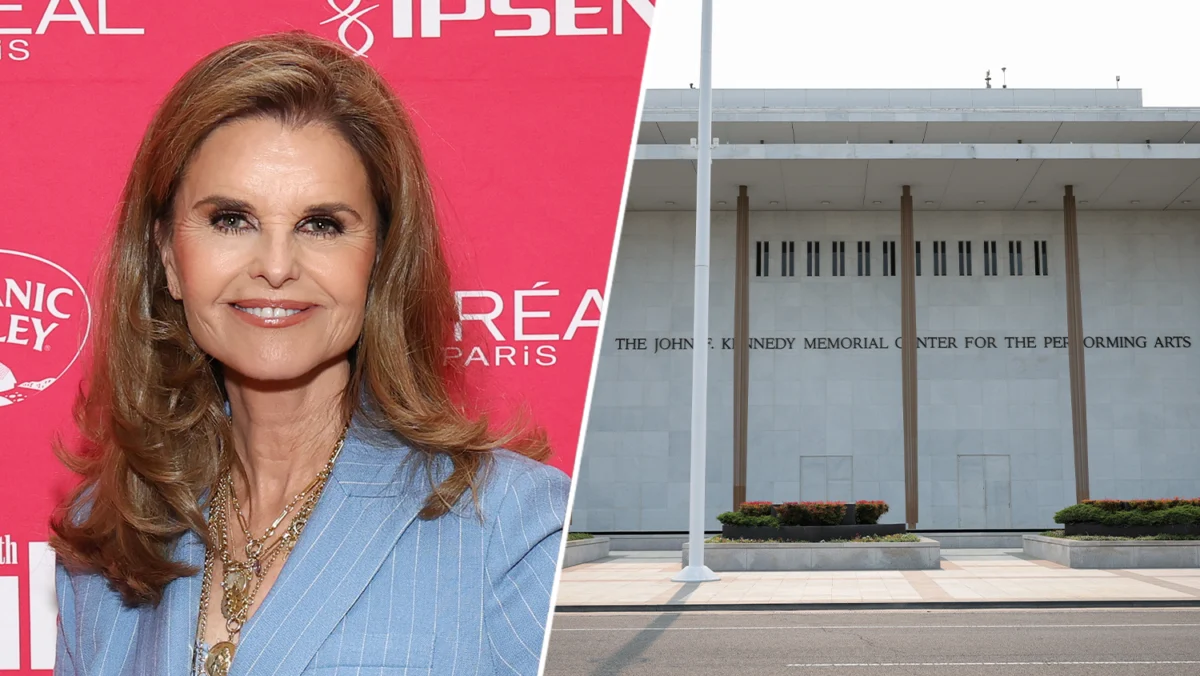
In a landmark legal victory for the preservation of cultural landmarks, a federal judge has effectively blocked the attempt to rename the John F. Kennedy Center for the Performing Arts. The ruling, delivered this past Friday, coincides with what would have been the 109th birthday of the 35th President of the United States, providing the Kennedy family and arts advocates a significant moment of reprieve in a highly contentious battle over the identity of one of the nation’s most storied institutions.
U.S. District Judge Christopher Cooper’s decision strikes down the recent efforts by the Kennedy Center’s board of trustees to append Donald Trump’s name to the venue. The ruling not only mandates the removal of the former president’s branding from the building’s façade and digital infrastructure within 14 days but also puts an immediate halt to a proposed two-year closure that had sparked nationwide outcry from the arts community.
The Legal Verdict: Congressional Authority Reaffirmed
At the heart of Judge Cooper’s ruling is a strict interpretation of legislative intent and administrative power. The Kennedy Center, established as a living memorial to the late president, was created through federal statute. Judge Cooper’s opinion was unequivocal: the board of trustees lacked the unilateral authority to alter the identity of a national monument that was designated by an act of Congress.
“Congress gave the Kennedy Center its name, and only Congress can change it,” Judge Cooper wrote in his decision. The court found that the board had bypassed the requisite legislative process, acting beyond its mandate when it voted in December to incorporate Donald Trump’s name into the official title of the center.
The ruling serves as a profound check on executive and administrative overreach, reinforcing the principle that national memorials are held in trust for the public by the legislative branch. By blocking the renaming, the court has essentially restored the status quo, preserving the integrity of the center as a dedicated tribute to John F. Kennedy.
A Chronology of Controversy
The path to this week’s ruling has been marked by escalating tensions, high-profile resignations, and public protest.
- December 2025: The Kennedy Center board, amidst shifting political winds and internal reshuffling, voted to approve a rebranding initiative that would see Donald Trump’s name added to the facility. The decision triggered an immediate backlash, resulting in the cancellation of several major performances and the resignation of multiple high-profile artists who cited the move as an attempt to politicize a non-partisan cultural space.
- January – February 2026: Legal challenges began to mount as advocacy groups and descendants of the Kennedy family questioned the legality of the board’s vote. Public discourse intensified, with supporters of the center arguing that the legacy of the late president was being erased.
- March 2026: In a move seen by many as a calculated effort to solidify the rebranding, the board announced a comprehensive, two-year renovation plan. Critics argued that the closure was not merely for structural improvements, but a tactical maneuver to allow the board to proceed with extensive aesthetic changes to the building’s interior and exterior that would cement the new name.
- May 2026: The federal lawsuit reached its conclusion as Judge Cooper issued the permanent injunction. This decision, arriving on the 109th anniversary of JFK’s birth, has been hailed as a symbolic and practical victory for the preservationists.
Maria Shriver and the Family Response
The Kennedy family has remained steadfast in their opposition to the renaming, viewing it as an affront to the historical significance of the center. Maria Shriver, niece of the late president, took to social media platform X to express her relief and celebrate the ruling.
"An appropriate birthday present on my uncle’s birthday today," Shriver wrote. "A federal judge ruled that President Trump and the Kennedy Center Board acted unlawfully in renaming the Kennedy Center. The judge held that only Congress can change the Center’s name and blocked the planned two-year closure. I know they’ll probably appeal and the story isn’t over, but for today let’s celebrate a great birthday gift."
Shriver’s comments reflect the broader sentiment of the Kennedy estate, which has consistently argued that the center is a permanent memorial intended to transcend partisan politics. Her acknowledgement that "the story isn’t over" suggests that the legal battle may move toward the appellate courts, as the board and its allies seek to challenge the district court’s findings.
The Opposition: A Response from Truth Social
Donald Trump, who has been a vocal proponent of the rebranding, responded to the court’s decision via Truth Social. True to his characteristic style, the former president framed the ruling as a product of partisan judicial activism.
"The Radical Left would rather see the center die than have President Trump transform it into something that everyone could be proud of," Trump wrote. He has previously characterized his vision for the center as a "modernization" that would revitalize a venue he claims has become stagnant. Supporters of the board’s original decision have echoed these sentiments, arguing that the center’s board should have the autonomy to manage the facility as they see fit, regardless of the historical naming conventions.
Implications for the Arts and National Monuments
The implications of this ruling extend far beyond the walls of the Kennedy Center. It sets a significant precedent regarding the governance of federally funded cultural institutions. By affirming that the naming of such monuments is an act of Congress, the court has created a high barrier to entry for any future attempts to politicize or rebrand national landmarks.
Impact on Operations
The immediate cessation of the planned two-year closure is a massive relief for the D.C. arts scene. The renovation plan had been widely criticized for potentially displacing thousands of performances, educational outreach programs, and seasonal events that serve as a cornerstone for the capital’s cultural life. With the closure now blocked, the Kennedy Center is expected to resume its regular programming, though the board may still face internal pressure to reconcile with the artists and donors who walked away during the winter months.
Future Legal Challenges
While the current order is a major blow to the rebranding effort, legal experts anticipate that the board may seek a stay of the judge’s order pending an appeal. The question of whether the board can "transform" the center—even without renaming it—remains a point of contention. If the board continues to push for major aesthetic changes that strip away the original design elements of the memorial, further litigation is almost certain.
Conclusion: A Living Memorial
The Kennedy Center was founded on the vision of fostering a vibrant artistic community in the nation’s capital. For decades, it has served as a sanctuary for music, theater, and dance—a place where the legacy of a president known for his appreciation of the arts could be experienced by millions.
Friday’s ruling by Judge Cooper ensures that, at least for the foreseeable future, that legacy remains intact. As the country marks the 109th birthday of John F. Kennedy, the decision serves as a reminder that some things—and some names—are meant to be permanent fixtures of our national identity. The battle for the Kennedy Center may continue in the courtrooms, but for those who believe in the sanctity of our public monuments, the outcome on this birthday represents a vital protection of history against the shifting tides of contemporary politics.
As the board evaluates its next steps, the eyes of the nation will remain fixed on the Potomac, waiting to see whether the administration of the center will return to its primary mission: to honor, protect, and celebrate the arts in the name of the man who championed them.

 Azzam Bilal Chamdy
 Evan Lee Salim