
 Suro Senen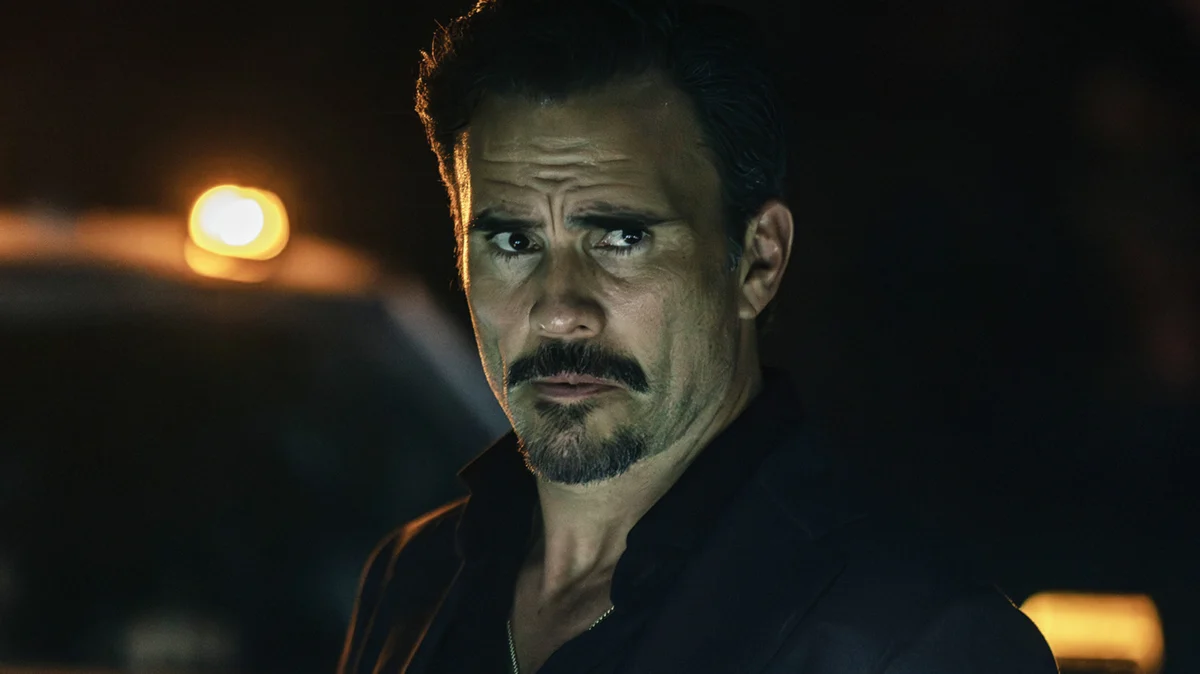
The dust has finally settled on the high-stakes, blood-soaked inaugural season of Paramount+’s Dutton Ranch, but for many viewers, the most haunting image remains the tragic demise of Rob-Will Jackson (Jai Courtney). In a season defined by cartel warfare, territorial disputes, and the brutal machinations of the Reyes family, the finale, titled "El Padrino," delivered a gut-wrenching twist: the apparent assassination of Rob-Will at the hands of his own brother, Joaquin Reyes (Juan Pablo Raba).
However, a cloud of uncertainty hangs over the sequence of events. Despite the narrative pointing directly at Joaquin, actor Juan Pablo Raba has publicly questioned whether his character was truly capable of committing such a heinous act. As we analyze the evidence, the timeline of the finale, and the shifting loyalties within the 10 Petal ranch, the question remains: Did Joaquin truly cross the line into becoming a murderer, or are we witnessing one of the most sophisticated misdirections in modern television?
The Anatomy of an Assassination: Chronology of the Finale
To understand the weight of Raba’s doubts, one must revisit the cold, calculated sequence of events that defined the final act of Dutton Ranch’s first season.
The episode begins with the encroaching shadow of Mariano Reyes (Raoul Trujillo). A former ranch hand at 10 Petal turned ruthless cartel kingpin, Mariano returned to the region to reclaim his legacy. His operation, which utilized the ranch’s legitimate cattle business as a front for international drug smuggling, reached a breaking point when Beth Dutton (Kelly Reilly) and Rip Wheeler (Cole Hauser) began pulling at the threads of his criminal empire.
In the final hours of the season, Mariano issues an ultimatum to his son: remove the obstacle that is Rob-Will Jackson. The directive is clear—ascension to the ownership of the 10 Petal ranch requires the elimination of the current patriarch. We see Joaquin parked outside the family mansion, his hand trembling as he grips the pistol. The tension is palpable. Inside, Rob-Will shares a tender, poignant moment with his daughter, Oreana Jackson (Natalie Alyn Lind), blissfully unaware of the predator lurking in his driveway.
Moments after Rob-Will exits the bedroom, a singular, deafening gunshot echoes through the house. When Oreana rushes to the foyer, she finds her father’s lifeless body. Outside, a black SUV—matching the make and model of the one Joaquin was occupying—speeds away into the night. On the surface, the case appears closed. Yet, for the audience, the lack of a direct visual confirmation of the trigger-pull creates a void that Raba himself is now filling with doubt.
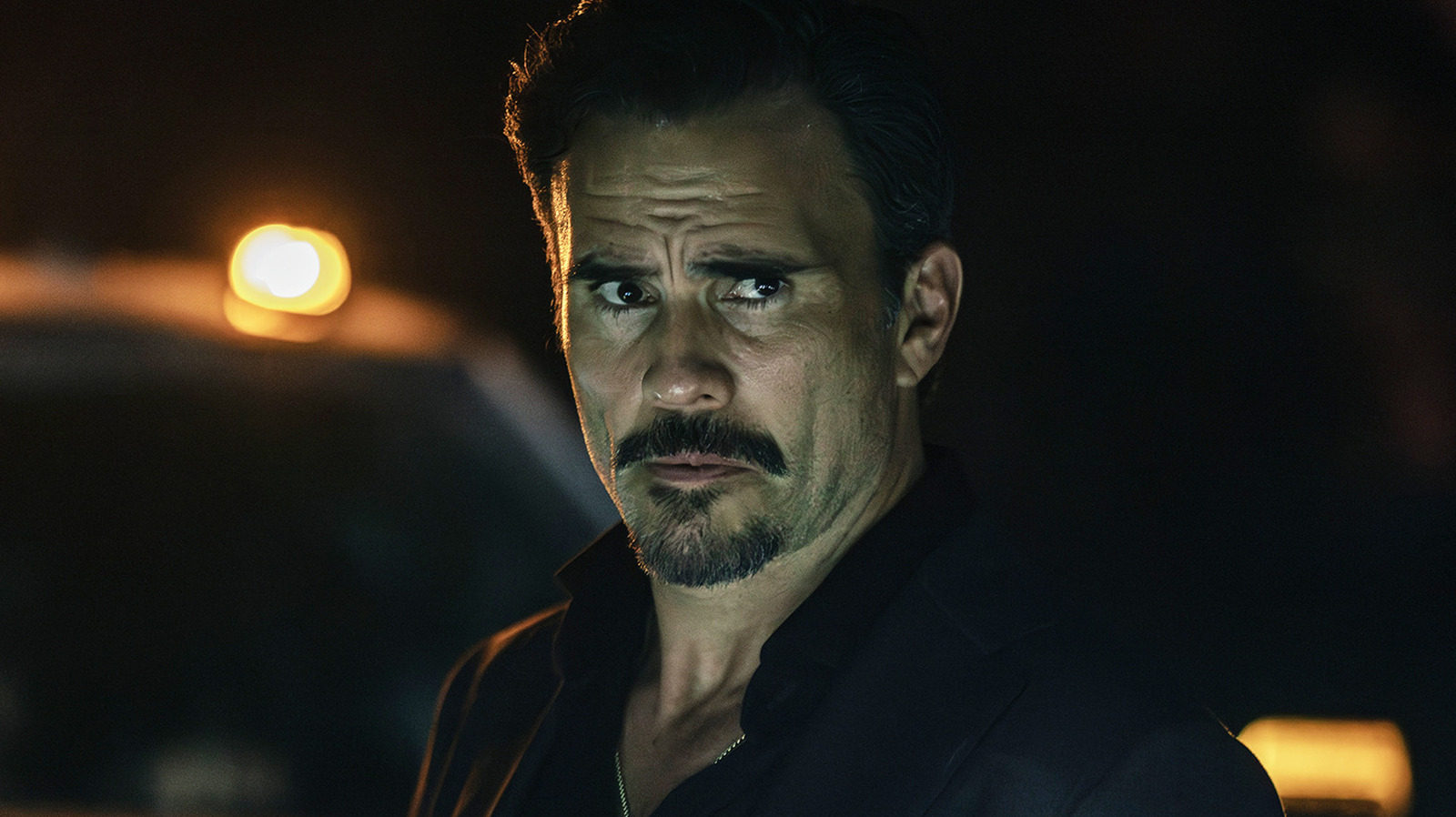
Juan Pablo Raba’s Perspective: A Character Without "Killer Instinct"
In a recent interview with Entertainment Weekly, Juan Pablo Raba offered a defense of his character that challenges the viewer’s immediate perception of the finale. "I don’t think he did it," Raba stated unequivocally. "Because he’s not a killer. He’s not even a cowboy, for Christ’s sake. He has never shot anyone in his life."
This defense holds significant weight when analyzing the character development of Joaquin Reyes throughout Season 1. Unlike the hardened criminals or the gritty, battle-worn ranch hands of the Dutton orbit, Joaquin has been consistently portrayed as a man out of his element. He is a character defined by hesitation and a lack of the "killer instinct" that his father, Mariano, so desperately tries to cultivate in him.
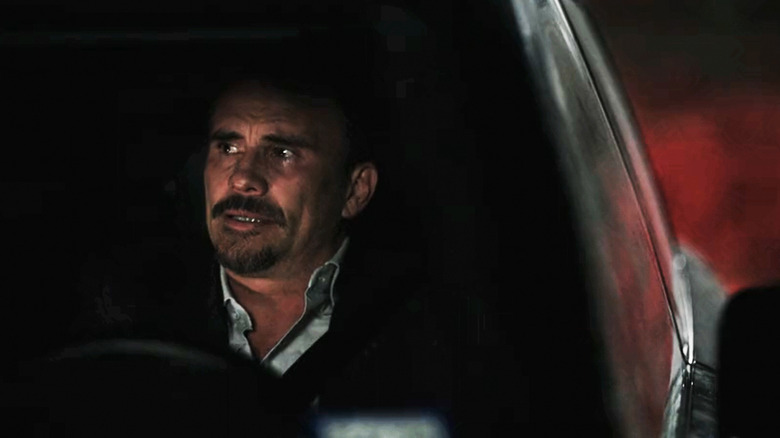
During a pivotal scene at a remote motel, Mariano delivers a cold sermon on the nature of power: "Power is anticipation. The horse that leads the herd is not the biggest, it’s not the strongest, it’s the one that doesn’t wait, and you have been standing at fences your entire life." This dialogue serves as both a motivation for the murder and a commentary on Joaquin’s perceived weakness. Raba argues that the scene where Joaquin is seen crying in his car following the shooting is not necessarily the grief of a murderer who has completed his mission, but the visceral reaction of a man who realized he lacked the resolve to fulfill his father’s dark request.
Supporting Data: Examining the Narrative Clues
If we accept Raba’s hypothesis—that Joaquin was a witness or a failed participant rather than the executioner—we must examine the evidence with a more forensic eye.
The Missing Visual Link
Television storytelling relies heavily on visual confirmation. In many instances, if a character is meant to be seen as a killer, the audience is shown the pull of the trigger or the immediate aftermath from their perspective. By hiding the actual act behind a closed door and only showing the departure of a vehicle, the showrunners have deliberately left the door open for a reveal in Season 2.
The "Brake Light" Theory
The identification of the black SUV as the getaway vehicle is strong, but not definitive. In the world of Dutton Ranch, where everyone is connected through the criminal underbelly, multiple parties would have had access to such a vehicle. Furthermore, if Joaquin had indeed committed the murder, his emotional breakdown in the car would likely be accompanied by a sense of finality. Instead, his demeanor suggests a state of shock, possibly stemming from the realization that someone else—someone far more dangerous—stepped in to do the work he couldn’t.
The Absence of Miguel
Berto Colón’s character, Miguel, has served as a silent guardian for Oreana Jackson throughout the season. His conspicuous absence during the finale is a narrative red flag. If Miguel suspected that Mariano would move against Rob-Will, he may have taken preemptive measures. Could Miguel have murdered Rob-Will to ensure the stability of the 10 Petal under a "softer" leader like Joaquin, whom he could more easily manipulate?
The "Shady Sheriff" Factor: Handy Wade’s Potential Complicity
The mystery of the kidnapping of Carter Green (Finn Little) introduces another layer of potential foul play. The cartel’s ability to pinpoint Carter’s location suggests an inside man with local knowledge. Josh Stewart’s Sheriff Handy Wade has consistently operated in the grey areas of the law.
If Wade is on the payroll of the cartel, he represents the most dangerous wild card in the series. Could Wade have been the one to handle the "dirty work" at the 10 Petal mansion? His lack of transparency regarding Carter’s whereabouts points to a man who is actively working to undermine the interests of the Duttons and their allies. If the cartel found Joaquin’s resolve lacking, they would have had the resources to dispatch an operative to ensure the job was done—and the Sheriff would be the perfect person to facilitate such an entry and exit.
Implications for Season 2: The Power Vacuum
The death of Rob-Will Jackson creates a seismic shift in the power structure of the region. If Joaquin is not the killer, his arc in the second season will likely focus on him navigating the trauma of his father’s expectations while trying to uncover the truth behind his brother’s death.
If he is not the killer, he is still the primary suspect in the eyes of the law, which puts him in an impossible position: he must either accept the mantle of a murderer to satisfy his father’s ambitions or risk being outed as a "weak" son who failed to follow orders. The psychological tension of this duality will undoubtedly be a cornerstone of the next season.
Furthermore, the revelation of the true killer will likely serve as the catalyst for the next phase of the Duttons’ war against the cartel. If it wasn’t Joaquin, then the cartel has a "fixer" operating in the shadows that the Duttons have not yet accounted for.
Conclusion: A Cliffhanger Designed to Last
The beauty of the Dutton Ranch Season 1 finale lies in its ability to force the audience to question everything they have seen. By leveraging the specific personality traits of Joaquin Reyes—a man who has spent his life "standing at fences"—the writers have created a scenario where the most obvious answer may be the wrong one.
As fans wait for the confirmed second season, the debate over Rob-Will’s death will continue to intensify. Whether it was the reluctant brother, the absent bodyguard, or a corrupt lawman, the truth will inevitably reshape the landscape of the ranch. For now, we are left with the same uncertainty that plagues Juan Pablo Raba: a world where power is often claimed by those who do not wait, and where the truth is buried as deeply as the bodies at the Train Station.
The stage is set for a deeper exploration of morality and survival. If the first season was about the encroachment of the cartel, the second season promises to be a reckoning—one where the ghost of Rob-Will Jackson will likely demand a reckoning that no amount of money or power can settle.


 Raul Delapena Setiawan
 Nana Wu





