Pevita Pearce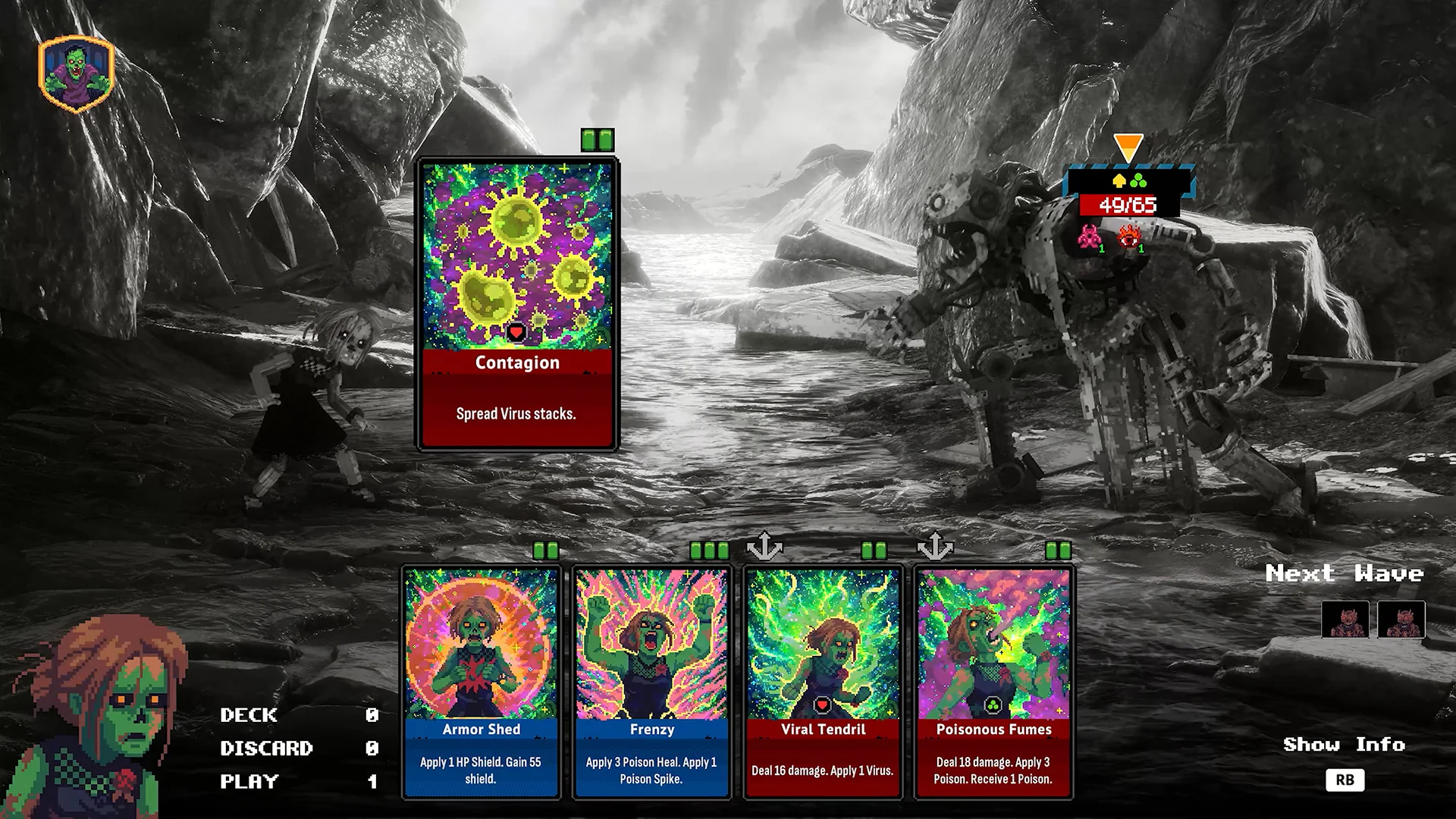
The landscape of indie RPGs is often defined by the bold choices developers make when expanding upon a successful debut. In 2024, the original Echo Generation captured the hearts of players with its whimsical, lighthearted tone, heart-pumping charm, and a distinct, high-fidelity voxel art style that felt both nostalgic and fresh. The arrival of Echo Generation 2—a prequel set within the same universe—was met with anticipation, particularly due to the developer’s promise to shift the narrative focus toward Jack, the missing father from the first installment.
However, after a nine-hour excursion through this dimension-hopping prequel, it has become increasingly clear that while the ambition to pivot toward a more serious, grounded narrative is admirable, the execution leaves much to be desired. Echo Generation 2 serves as a stark reminder that a compelling world requires more than just a stylistic foundation; it demands cohesive writing, mechanical depth, and a structural identity that the current game fails to consistently deliver.
The Narrative Pivot: A Shift in Tone That Misses the Mark
At the heart of Echo Generation 2 is a conscious decision by the developers to move away from the lighthearted, adventurous spirit of its predecessor. By placing Jack at the center of the story, the game attempts to peel back the layers of the Echo Generation universe, exploring the tragic and mysterious circumstances surrounding his disappearance.
The developers deserve praise for their willingness to experiment with the tone. In an industry that often plays it safe with sequels, shifting to a more somber, character-driven story is a risk. Yet, the narrative suffers from what can only be described as a fundamental mismatch between the story’s intent and its delivery.
The game’s writing is heavily burdened by excessive exposition. Rather than allowing the world to breathe or utilizing visual storytelling techniques—such as flashbacks or environmental cues—the game relies on long-winded, clunky dialogue. Players are frequently subjected to exchanges that feel like awkward shorthand for character history: "Ah, yes, I knew you from so long ago when you were once an agent at such-and-such during that time when you etc." This "tell, don’t show" approach is reminiscent of the most dated comic book tropes, where characters explain their motivations and histories in static, prolonged monologues that drain the momentum from the experience.
A Structural Chronology: The Nine-Hour Jaunt
Echo Generation 2 spans roughly nine hours of gameplay, a relatively short runtime that, paradoxically, feels overstuffed. The narrative structure attempts to weave together multiple perspectives from characters across various dimensions. While the concept of a multi-lens narrative is inherently promising, the game struggles to manage the pacing required to make these disparate threads meaningful.
The plot leans heavily into the aesthetics and tropes popularized by Stranger Things. While this sci-fi, small-town-mystery vibe is generally welcome in a gaming landscape that often ignores it, the game fails to "stick the landing." By the time the credits roll, the converging storylines, which were clearly intended to foster deep emotional bonds between the otherworldly cast, feel rushed and hollow. The emotional payoff is stunted by the lack of development time afforded to these characters, leaving the player feeling like an observer to a drama that never quite catches fire.
Mechanical Analysis: Combat and Systems
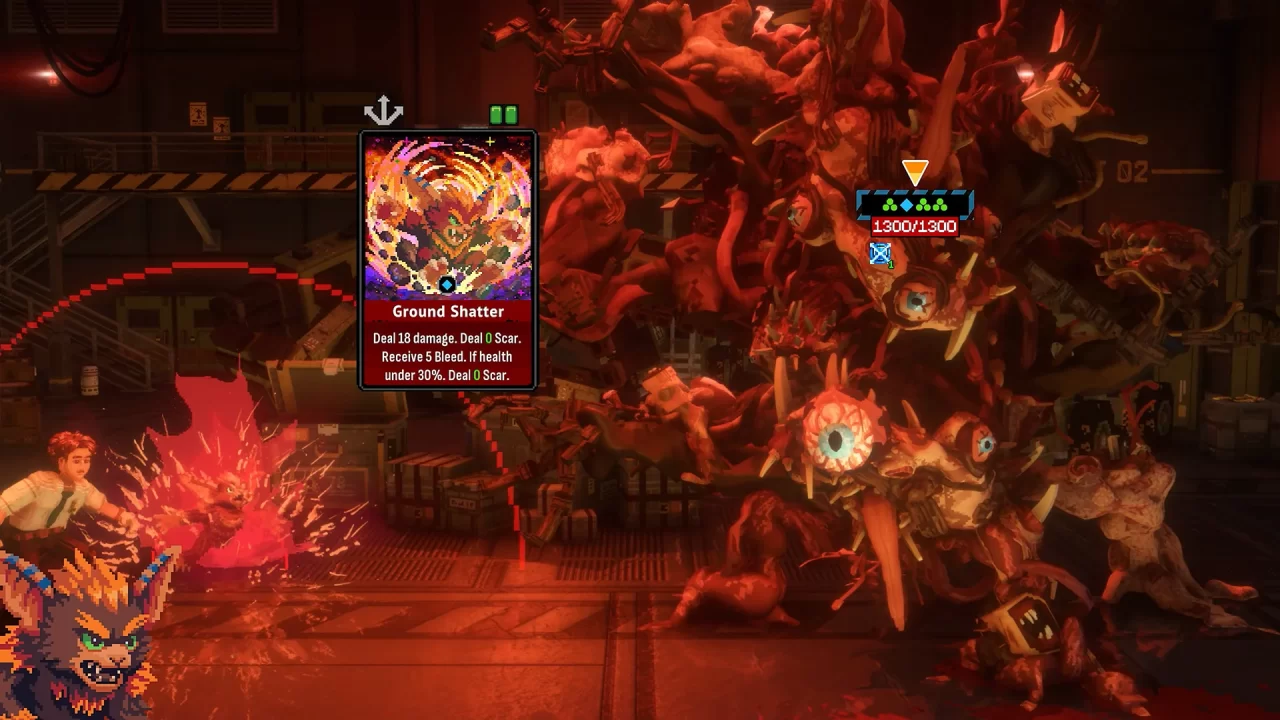
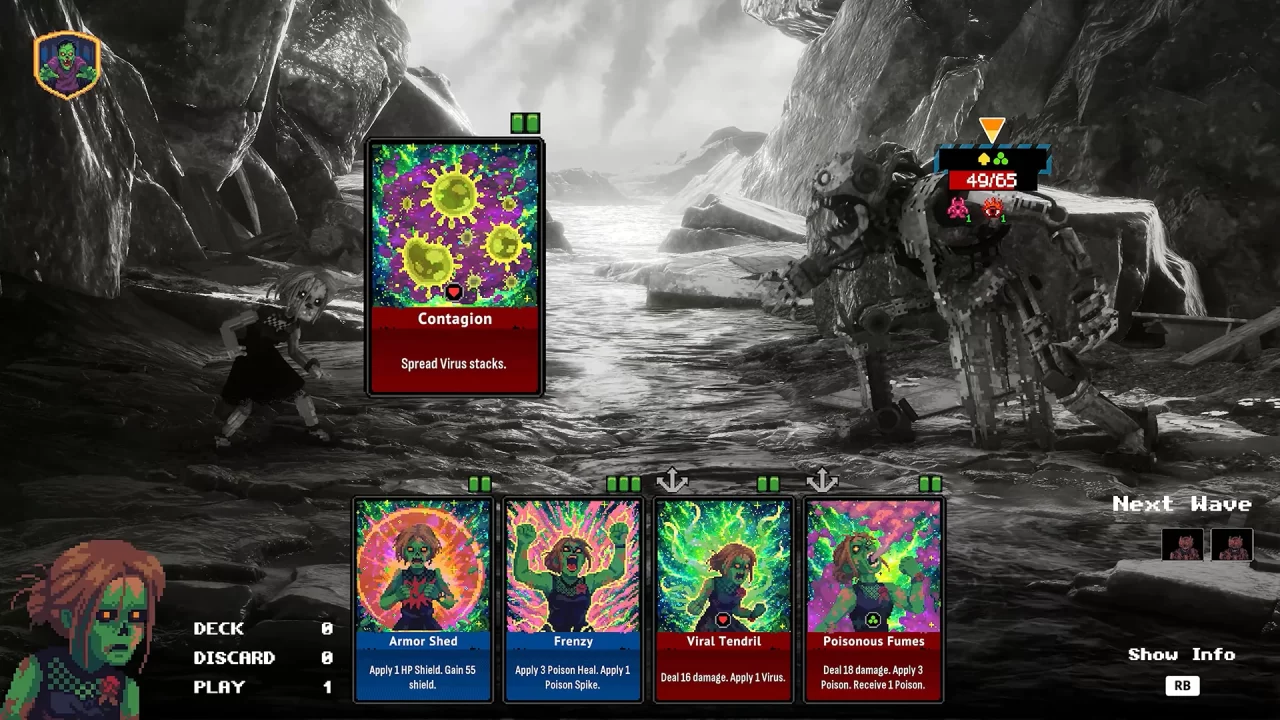
If the writing is the game’s primary hurdle, the combat system serves as its second. Echo Generation 2 utilizes a 2.5D exploration system that culminates in turn-based, card-driven combat. On paper, this is a proven formula; in practice, it feels like an afterthought.
The Stagger System: A Promise Unfulfilled
The game introduces a "stagger" mechanic, which suggests a strategic layer that encourages players to break an enemy’s stance by matching specific symbols on their cards to the symbols displayed above the enemy’s head. In theory, this should provide a satisfying reward for tactical planning. In reality, the payoff is non-existent. There is no tangible increase in damage, no bonus turn, and no significant shift in the flow of battle.
Most encounters devolve into a repetitive cycle of basic attacks and healing, with little regard for the supposed strategic depth. Because individual enemy deaths do not meaningfully alter the state of the battlefield, and because negative status effects like poison or bleed are underpowered, the combat system lacks the "teeth" needed to keep the player engaged.
The Skill Tree and Progression
Complementing the combat is a branching skill tree that, like the stagger system, lacks sophistication. Players expecting meaningful character customization will be disappointed to find that most upgrades are relegated to marginal percentage increases in stats. There is little room for unique character builds or experimental strategies, further cementing the feeling that the gameplay loop is fundamentally flat.
Visuals and Audio: The Aesthetic Mismatch
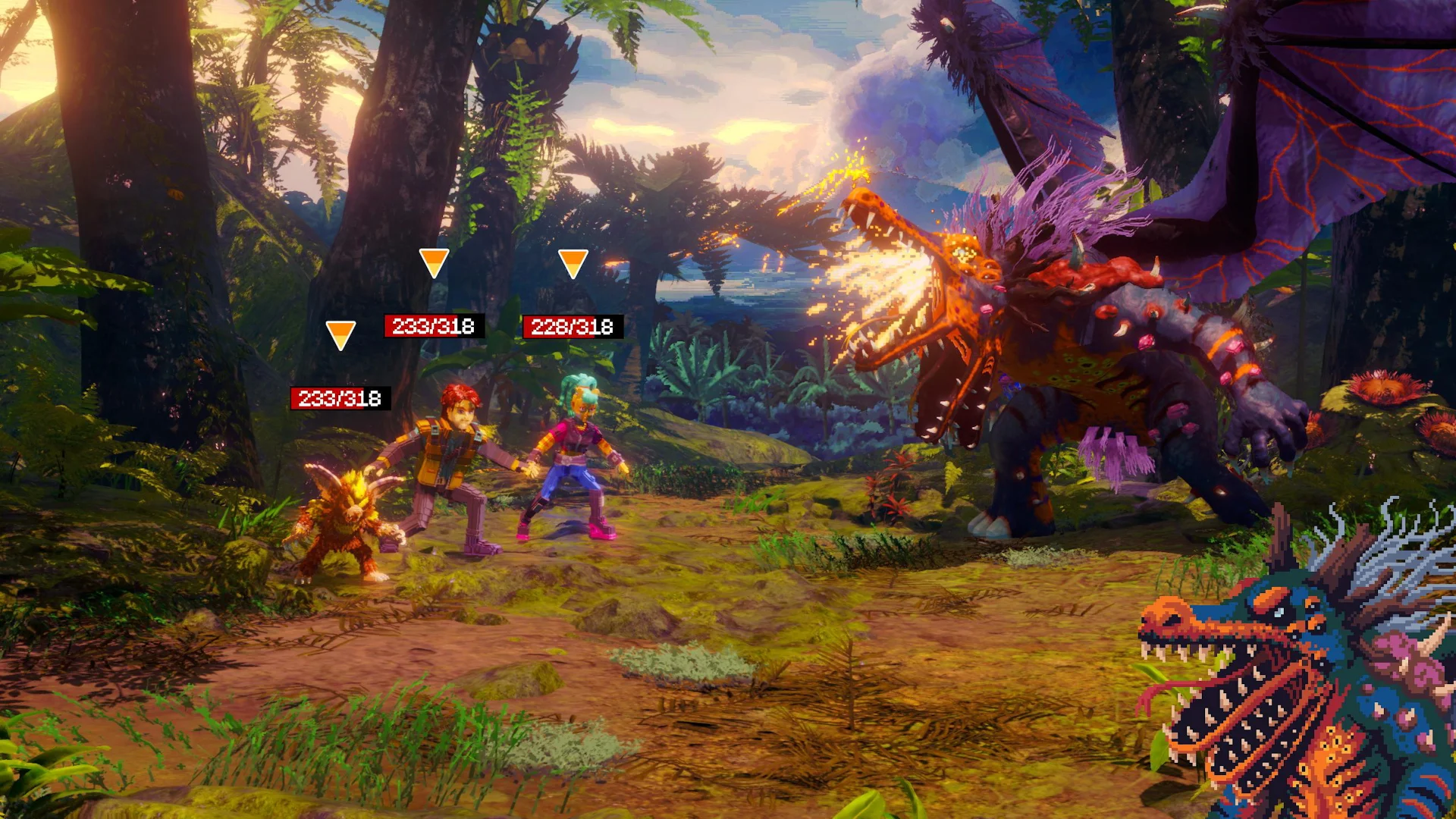
Visually, Echo Generation 2 is a success, albeit a narrow one. The voxel art style is undeniably charming, mirroring the Minecraft-esque aesthetic that worked so well in the original. The environments are well-detailed, and the various dimensions offer enough visual variety to keep the player interested in the setting.
However, the animation quality does not match the beauty of the world. Combat animations are stiff and underwhelming, failing to capture the impact of the abilities being used. Similarly, the soundtrack—while clearly aiming for the synth-heavy, atmospheric tension of Stranger Things—lacks the emotional range required to elevate the game’s more serious moments. The music, like the writing, feels atmospheric but ultimately "flat," lacking the peaks and valleys necessary to guide the player through the story’s emotional beats.
Technical Frustrations and User Experience
A notable issue in Echo Generation 2 is the responsiveness of the interface. In a turn-based card game, the input must be precise. Unfortunately, players will frequently encounter "sticky" cards, where selecting or de-selecting an action becomes a struggle. While this may seem like a minor technical grievance, it is symptomatic of the overall lack of polish that permeates the experience. When the game’s systems are already simple, having the controls actively hinder the player creates a level of frustration that feels entirely avoidable.
Implications for the Future
The release of Echo Generation 2 brings up an important question for the developers: when is a world best left as it was intended? There is a palpable sense of lost potential here. The inclusion of quirky, animalistic companions and the potential for a deeper, multi-dimensional narrative are strong building blocks that were ultimately undermined by the game’s lackluster execution.
The studio behind the title clearly possesses a creative spark—the world design and the willingness to pivot tones prove that they are capable of ambitious projects. However, Echo Generation 2 serves as a lesson in the dangers of trying to do too much at once. By layering a serious, complex narrative over a mechanically shallow, unpolished combat system, the developers have created an experience that fails to satisfy fans of the original or newcomers to the series.
Moving forward, the challenge for the studio will be to reconcile their clear talent for world-building with a more disciplined approach to narrative structure and mechanical depth. They have shown they can build a beautiful world; now, they must learn how to fill it with meaningful gameplay and coherent, well-paced storytelling. For now, Echo Generation 2 remains a fascinating, if flawed, experiment—a "voxel burger" that, despite its attractive presentation, lacks the flavor and substance required to be truly satisfying.

 Asro
Asro
 Muslim