


The intersection of Japanese streaming culture, retro gaming, and stringent intellectual property laws has reached a flashpoint. In a recent incident that highlights the risks of professional content creation in the era of digital preservation, Hololive production talent Usada Pekora found herself at the center of a corporate dispute involving Nintendo. The controversy, which began as a lighthearted attempt to revisit a classic title, ultimately resulted in the removal of her content and a formal apology from her agency, illustrating the precarious “grey zone” in which many modern streamers operate.
The Genesis of the Conflict: A Quest for Nostalgia
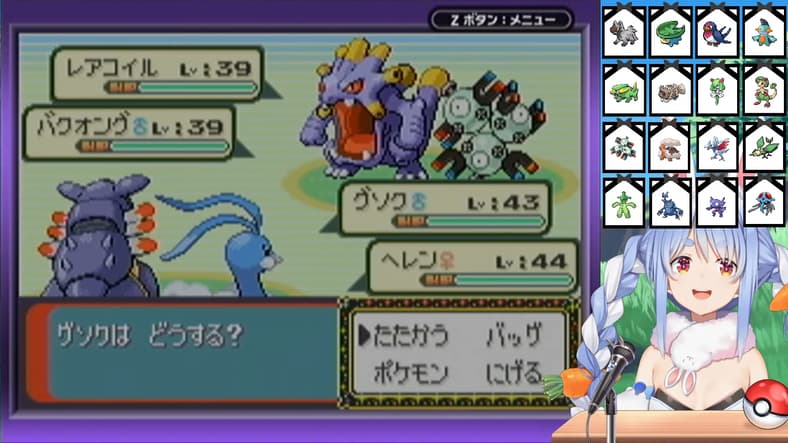
The ordeal began when Usada Pekora, one of the most prominent Virtual YouTubers (VTubers) under the Hololive banner, decided to stream Pokémon Emerald. Her goal was not merely to play through the iconic Game Boy Advance title, but to engage in a high-stakes hunt for one of the franchise’s most elusive creatures: Mew.
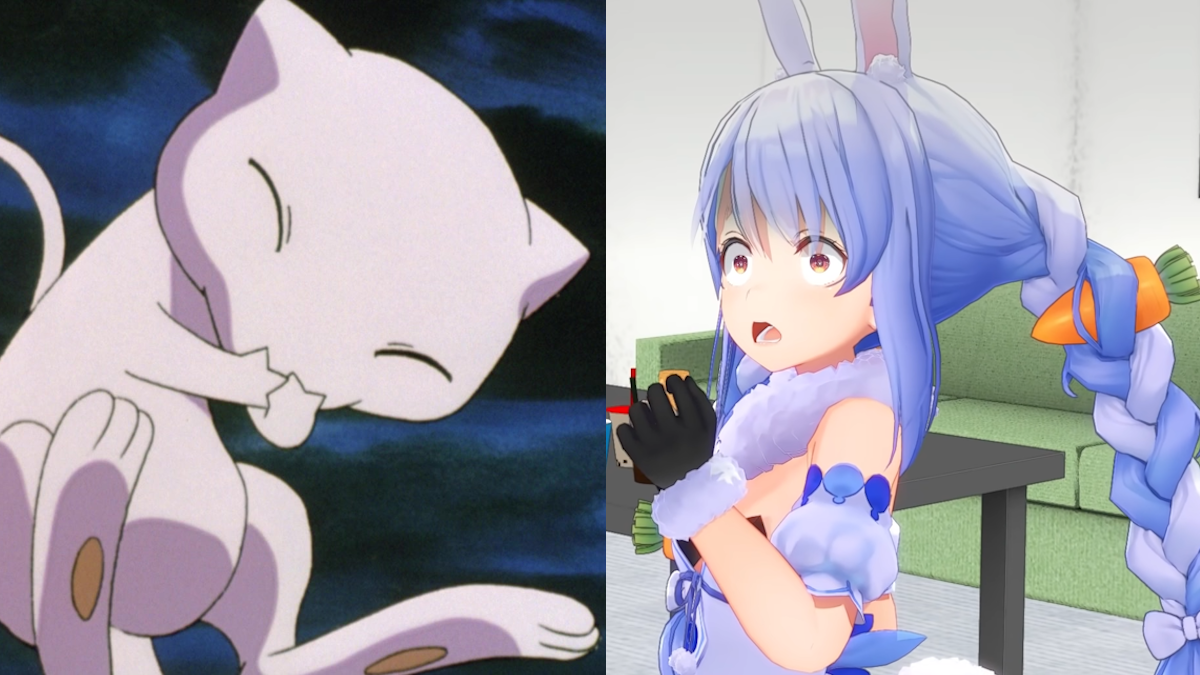
To ensure authenticity, Pekora went to significant lengths to source a legitimate, original hardware cartridge, opting to play the game on a Nintendo GameCube via the Game Boy Player peripheral. Her search led her to various secondary market auction sites, where she sought out copies of the game that purportedly contained the "Old Sea Map." In the original 2005 release, this item was distributed exclusively at specific real-life promotional events in Japan, granting players access to Faraway Island, the only location where Mew could be encountered legitimately.
During her broadcast, Pekora was visibly delighted when she discovered that one of her purchased cartridges contained both the Old Sea Map and the "Mystic Ticket"—an item used to access islands for Ho-Oh and Lugia. However, her triumph was short-lived. The presence of these items on a decades-old cartridge, while exciting for the streamer, served as a red flag for savvy viewers and, eventually, the copyright holders at Nintendo.
Chronology of the Incident
- Late March: Pekora initiates a series of Pokémon Emerald streams, aiming to capture a shiny Mew.
- Early April: Viewers and observers raise concerns regarding the legitimacy of the cartridge. The item text "Do not throw this card away" on the digital ticket prompted intense debate among fans regarding whether the cartridge ROM had been tampered with or if the hardware had been modified.
- April 3: In a follow-up stream, Pekora addresses the growing controversy, expressing confusion and frustration over the conflicting information regarding the legitimacy of her copy. She announces the suspension of the Pokémon Emerald series.
- April 9: Hololive Productions (Cover Corp) issues an official statement acknowledging that they had consulted with Nintendo regarding the stream.
- Post-April 9: The original stream archives are set to private, and Pekora shifts her content focus to Pokémon FireRed, effectively moving on from the Emerald incident.
The Official Stance: Cover Corp and Nintendo
The official statement released by Hololive on April 9 served as a stark reminder of the power dynamics between individual creators and massive gaming conglomerates. The notice, titled "Notice Concerning Response to Game Distribution Suspected of Violating Guidelines," clarified that the action was taken at the explicit request of Nintendo.
"Nintendo has requested us to: Keep the video private because its continued release may cause misunderstanding; avoid future video projects that may risk violating the guidelines; and remind our talent members of the need to comply with the guidelines," the statement read.
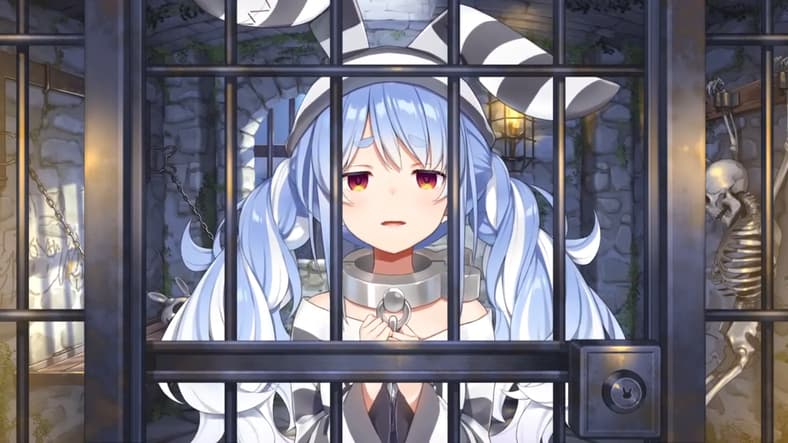
Cover Corp went further, promising to implement more rigorous internal processes to ensure that all gaming content produced by their talent adheres to the specific, often restrictive, guidelines set forth by game publishers. This incident highlights that for high-profile VTubers, playing a game is not merely a hobbyist activity but a commercial one, making them subject to the same strict IP regulations as television broadcasters or professional production houses.
The Legal Landscape: Why "Hacked" Games Matter in Japan
The intensity of the response from Nintendo is not arbitrary; it is rooted in Japan’s evolving legal framework concerning digital property. In 2019, Japan significantly amended the Unfair Competition Prevention Act. These amendments were designed to combat the growing market of illicit digital services, specifically targeting the sale of modified save data, unauthorized serial numbers, and tools used to alter game software.

Under these laws, the distribution of programs used to alter save data or the sale of modified consoles can lead to severe penalties, including fines of up to ¥5 million ($34,870 USD) and prison sentences of up to five years. Recent years have seen a string of arrests in Japan involving individuals who sold "hacked" Pokémon with perfect statistics for Pokémon Scarlet and Violet or modified Nintendo 3DS units.
For Nintendo, the line between "playing a used game" and "violating IP laws" is thin. When a streamer uses a cartridge that has been tampered with to enable content (like a Mew event) that is no longer officially supported, they are, in the eyes of the law, potentially showcasing a product that has been modified in a way that violates the Unfair Competition Prevention Act. By requesting the removal of the video, Nintendo is asserting its right to prevent the promotion of modified or "hacked" hardware, even if the streamer herself was an unwitting victim of a fraudulent sale.
Cultural Implications and Fan Sentiment
The reaction to this event was sharply divided along regional lines. English-speaking fans on social media platforms like X (formerly Twitter) largely viewed the incident as another example of Nintendo’s aggressive anti-emulation and anti-modding stance, criticizing the company for policing content that they no longer actively monetize through official retail channels.
Conversely, the Japanese fan base appeared more focused on the long-term sustainability of Hololive as an organization. There was a palpable sense of relief among many Japanese viewers that the matter was resolved quickly and that the agency took immediate steps to rectify the situation, thereby protecting the rest of the talent from potential legal fallout. The prevailing sentiment in Japan emphasized that, for the sake of the industry, streamers must adhere to strict guidelines to avoid jeopardizing the collaborative relationships between talent agencies and major game publishers.

The "Grey Zone" of Digital Preservation
Pekora’s confusion during her April 3 stream—where she questioned whether the "Do not throw this card away" text proved the cartridge was authentic or merely a high-quality reproduction—underscores the difficulty of modern retro gaming. As original hardware ages, the secondary market becomes flooded with high-quality reproductions that are nearly indistinguishable from the real thing.
When a high-profile creator buys a game, they often do so without the technical expertise to verify the internal ROM or the legitimacy of the save data. Pekora’s statement, "It will be meaningless if it’s fake. So I just won’t do it," reflects the tension between the desire to play "authentic" games and the practical impossibility of verifying that authenticity in a marketplace rife with modifications.

Conclusion: Lessons for the Streaming Industry
The Usada Pekora Pokémon Emerald incident serves as a bellwether for the professionalization of streaming. It is a cautionary tale for any creator who relies on older titles for their content. The era of "anything goes" on stream is firmly in the past; publishers are now more vigilant than ever regarding how their intellectual property is presented to the public, especially when that presentation involves modification or hardware tampering.
For Hololive, the outcome was an expensive lesson in due diligence. For the fans, it was a glimpse into the complex legal reality that sustains the games they love. As the line between the gamer’s living room and the corporate boardroom continues to blur, creators must increasingly act as legal and technical experts to ensure that their pursuit of digital nostalgia does not inadvertently trigger a corporate legal response. Ultimately, Pekora’s decision to move on to FireRed was the only viable path forward—a reminder that in the world of high-stakes content creation, the safest way to "catch ’em all" is to ensure that every step of the journey is strictly compliant with the rules of the game.








