

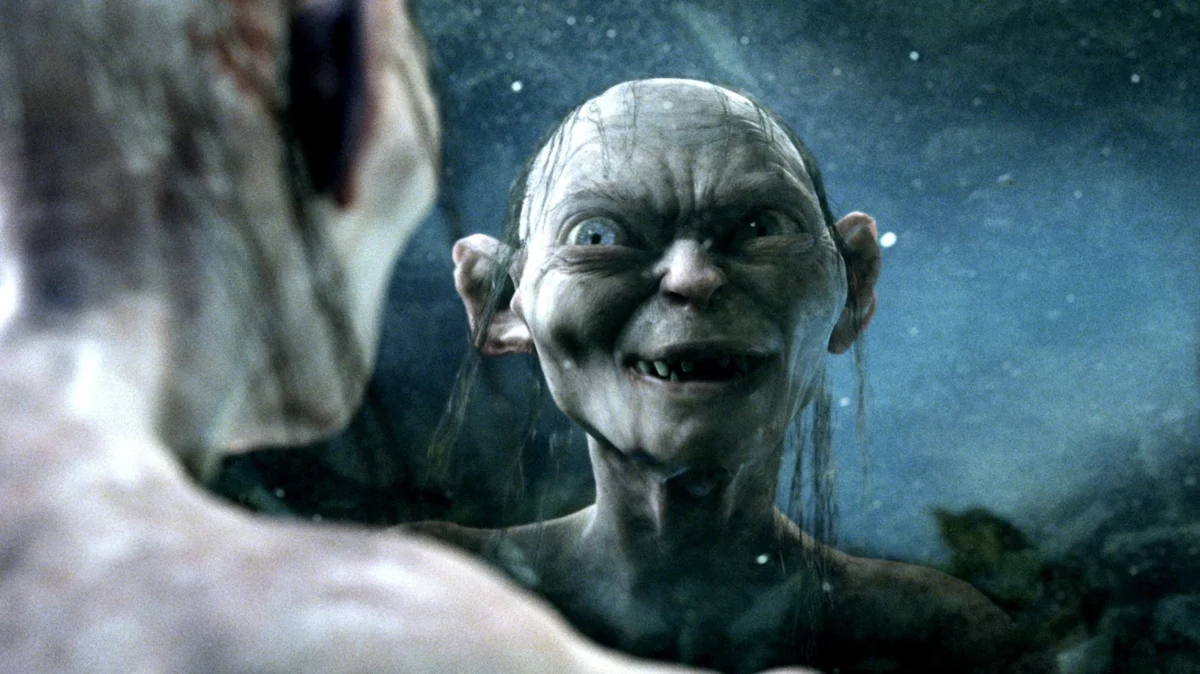
In the grand tapestry of cinematic history, few franchises possess the cultural gravity of J.R.R. Tolkien’s The Lord of the Rings. From Peter Jackson’s seminal trilogy to the polarizing expansion of The Rings of Power on Prime Video, the property has remained a lightning rod for fan passion and industry scrutiny. However, as New Line Cinema and Warner Bros. embark on a new era of Middle-earth storytelling with The Hunt for Gollum, the production finds itself in the eye of a storm—one fueled by evolving industry standards, the rapid advancement of generative technology, and the increasingly fraught landscape of modern digital discourse.
With Andy Serkis—the man who brought Gollum to life through groundbreaking motion capture—stepping into the director’s chair, the film was initially hailed as a homecoming. Instead, it has become a focal point for intense debate, struggling to balance legacy expectations with the demands of a modern, hyper-critical audience.
The Genesis of the Conflict: A Premature Storm
The controversy surrounding The Hunt for Gollum is a testament to the modern "always-on" news cycle. Filming has only just commenced, yet the project is already being dissected with the intensity typically reserved for a finished product. The friction stems from two distinct, yet interconnected, pillars of modern filmmaking: the necessity of inclusive casting and the ethical application of artificial intelligence in post-production.
For a franchise that has largely enjoyed a status as a "safe haven" from the more toxic elements of the culture wars, this shift is jarring. While The Rings of Power faced significant, often racially charged, backlash regarding its casting choices, The Hunt for Gollum is navigating a different, albeit equally volatile, terrain. The discourse here is driven less by established fan-bases and more by the intersection of Serkis’s own public statements and the heightened sensitivity surrounding the use of emerging technologies.
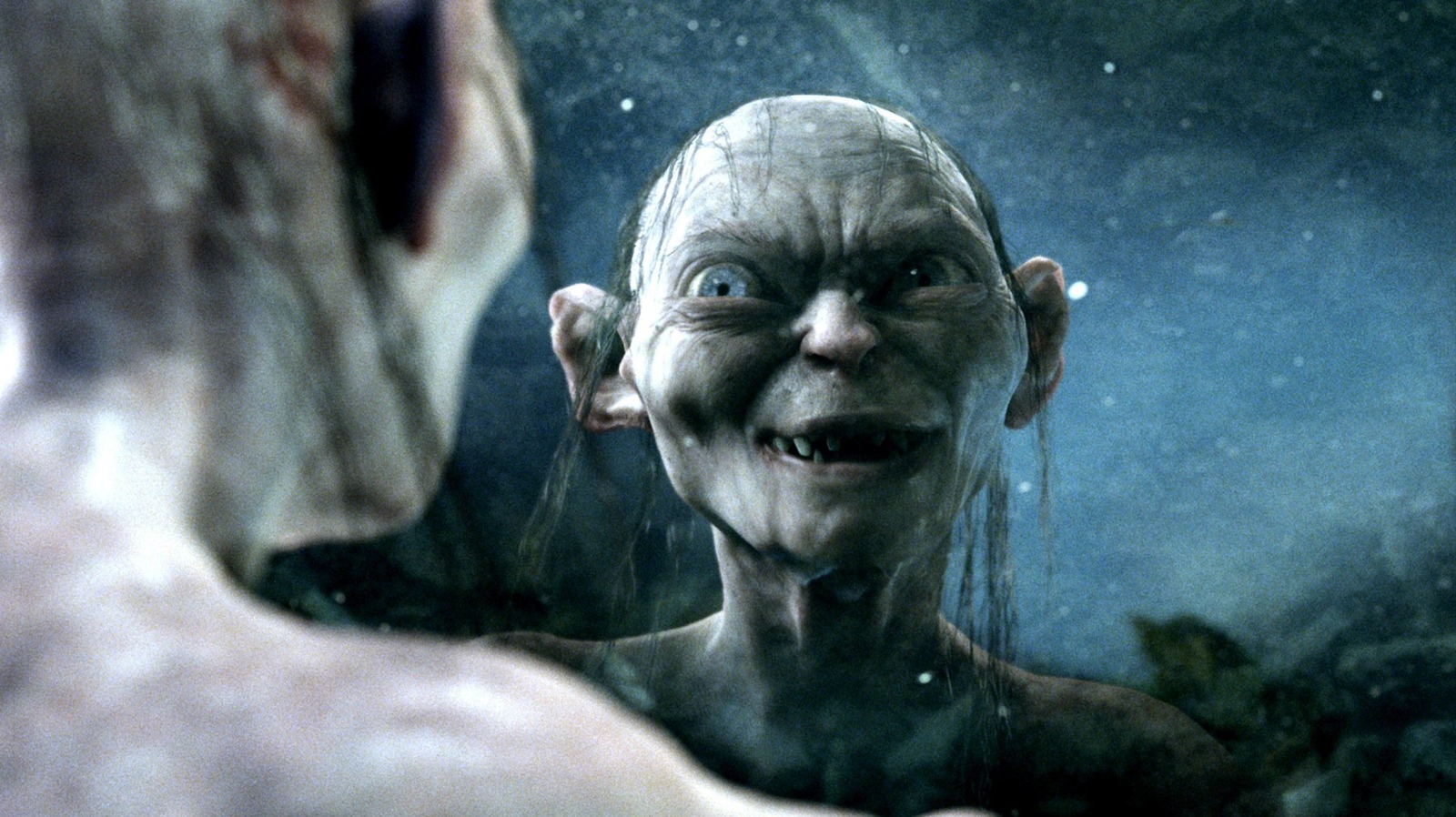
Chronology of the Debate
The timeline of this controversy began in earnest following a series of interviews conducted as the film entered pre-production.
- May 2026: Warner Bros. and New Line Cinema announce The Hunt for Gollum, with Andy Serkis attached as both director and star.
- Summer 2026: Public speculation regarding the film’s cast and technical approach begins to circulate on social media.
- Late 2026: In a BBC interview, Serkis addresses concerns regarding the demographic makeup of the cast, inadvertently triggering a firestorm of debate regarding "diversity for the sake of diversity."
- Early 2027: During a subsequent press junket, Serkis clarifies his approach to digital effects and AI, distinguishing between "machine learning" used for de-aging and the generation of synthetic imagery.
- Ongoing: The project continues to be a target for aggregation-driven discourse, with snippets of interviews being taken out of context by polarized media outlets.
The Casting Conundrum: Navigating Representation in Middle-earth
Perhaps the most sensitive point of contention has been the question of diversity within the cast. The legacy of Peter Jackson’s films, while celebrated for its technical mastery, reflected a specific era of fantasy filmmaking where representation was often sidelined.
When asked by the BBC about the optics of an predominantly white cast for this new chapter, Serkis offered a response that was widely criticized for its lack of nuance. "Yes, there have been criticisms," Serkis noted, before adding, "I don’t think we will be doing a politically correct, just-casting-for-the-sake-of-casting-and-ticking-boxes version of the film. So, it’s where relevant, basically."
The statement was viewed by many as an attempt to appease traditionalist fans, but it ultimately alienated those who view modern fantasy as a space for diverse, inclusive storytelling. Critics argued that the phrase "where relevant" is a subjective, slippery slope that undermines the potential for authentic representation in high-fantasy settings. By failing to pivot toward a more constructive conversation about the inherent diversity of Tolkien’s world—or even the logistical reality of casting a prequel—Serkis inadvertently invited a polarized political narrative into the project’s marketing phase.
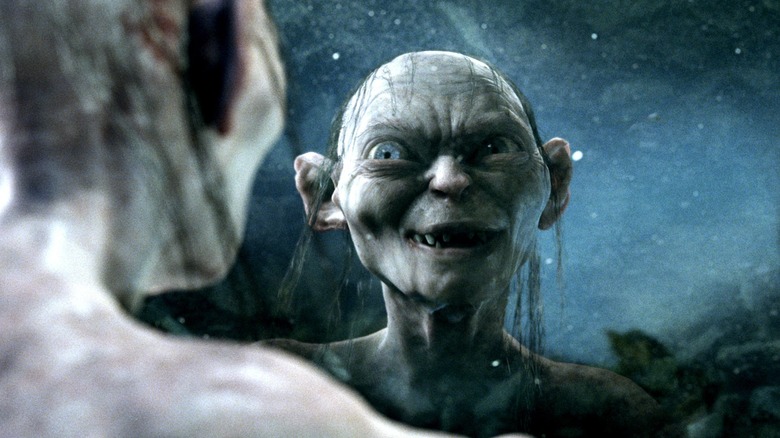
Technical Ambiguity: The AI Dilemma
Beyond casting, the film faces the complex issue of artificial intelligence. In an era where the SAG-AFTRA strikes were largely defined by fears of AI replacing human performance, any mention of the technology by a motion-capture pioneer like Serkis is bound to invite scrutiny.
In an interview with Variety, Serkis attempted to clarify the film’s technical footprint. He confirmed that "machine learning" is being employed, specifically for de-aging purposes. "When you think about it, in the original Lord of the Rings films, Peter [Jackson] created Massive, which was a program which allowed thousands of orcs to all have their own individual mindset," Serkis explained. "So, that is a brilliant example of an incredible use of AI. But we’re not creating AI shots in our movie, every shot is created in a traditional way."
Defining "Traditional" in the Digital Age
Serkis’s defense rests on a historical precedent: that visual effects have always utilized computational logic to automate complexity. However, the modern definition of "AI" in film is often conflated with generative tools that replace human artistry. By drawing a line between "Massive" (the software used for battle scenes in the early 2000s) and current generative AI, Serkis is attempting to reframe the technology as a natural evolution of existing workflows.
Whether this distinction will satisfy the skeptics remains to be seen. The fear is not necessarily that The Hunt for Gollum will look "fake," but that the industry is normalizing the use of synthetic actors, even in supporting or background roles, at the expense of human labor.
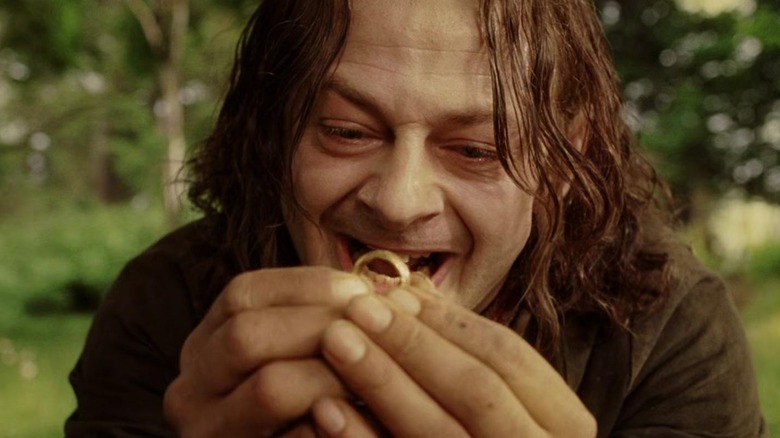
Supporting Data and Industry Context
The scrutiny surrounding The Hunt for Gollum is not happening in a vacuum. It follows a string of "controversy-adjacent" projects, including the recent Supergirl discourse and the ongoing fatigue surrounding the Star Wars franchise.
- The "Massive" Precedent: The software referenced by Serkis was indeed a landmark in 2001, utilizing autonomous agents for crowd behavior. It serves as a reminder that the line between "advanced software" and "AI" has been blurred for decades.
- The De-Aging Trend: From The Irishman to Indiana Jones and the Dial of Destiny, Hollywood has consistently relied on digital de-aging. The efficacy of these tools remains a point of contention, with audiences becoming increasingly sensitive to the "uncanny valley" effect.
- Audience Sentiment: Analytics from social media tracking firms suggest that the "controversy" is largely driven by a small, highly vocal subset of the internet, though it is beginning to impact the overall brand sentiment of the film as it moves toward its December 17, 2027, release date.
The Implications for Middle-earth
The implications for Warner Bros. are significant. If The Hunt for Gollum fails to find its footing, it may force the studio to reassess its strategy for the Lord of the Rings franchise. The film is intended to be the launchpad for a wider cinematic universe; a lukewarm reception could jeopardize long-term expansion plans.
Furthermore, the situation serves as a cautionary tale for high-profile directors. In the age of social media, "off-the-cuff" remarks are no longer private. The pressure on filmmakers to be both visionary creators and media-savvy diplomats has never been higher. Serkis, whose career has been defined by his ability to bridge the gap between human performance and digital art, is now finding that bridging the gap between legacy audiences and modern values is a far more difficult task.
Ultimately, The Hunt for Gollum will be judged by its quality—the strength of its script, the depth of its characterizations, and the technical execution of its visuals. However, as it stands, the film is a case study in how modern blockbusters are forced to navigate a minefield of cultural and ethical expectations before a single frame is finalized. Whether the final product can transcend this early friction will be the true test of whether Middle-earth can successfully evolve for a new generation.










