

As the global sporting community sets its sights on the FIFA World Cup 2026, the digital landscape surrounding athletic fandom is undergoing a seismic shift. No longer confined to the 90 minutes on the pitch or the four quarters on the court, sports consumption has evolved into a 24/7 ecosystem of commentary, behind-the-scenes access, and personal storytelling. Recognizing this, YouTube for Business has released a comprehensive "Creator Pulse" report, outlining the surging influence of sports creators and providing a strategic roadmap for brands looking to capitalize on this digital stadium.
The report highlights a critical transition: athletes are no longer just the subjects of media coverage—they have become the media houses themselves. By leveraging the intimacy of YouTube, they are cultivating hyper-engaged communities, presenting an unprecedented opportunity for marketers to integrate their brands into the "surround sound" of global sports.
The New Digital Stadium: Main Facts and Strategic Landscape
At its core, the YouTube Creator Pulse report identifies a fundamental change in how Gen Z sports fans engage with their passions. The data is clear: the live game is merely the anchor, not the entirety, of the experience.
YouTube’s research reveals that 66% of Gen Z sports fans actively seek out YouTube content before and after live events. This "surround sound" approach—watching analysis, player vlogs, training routines, and reaction videos—has become the modern standard for fandom. For marketers, this represents a shift from "interruption advertising" to "integration marketing."
The report highlights two distinct archetypes of sports creators currently dominating the platform:
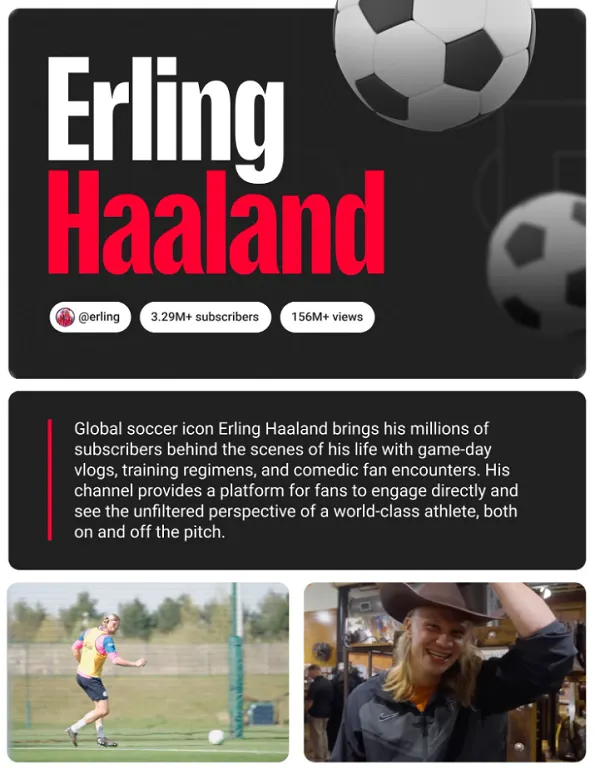
- The Superstar Brand-Builder: Active professionals, such as soccer icon Erling Haaland, who use the platform to humanize their elite athletic personas and provide fans with a glimpse into their lives off the pitch.
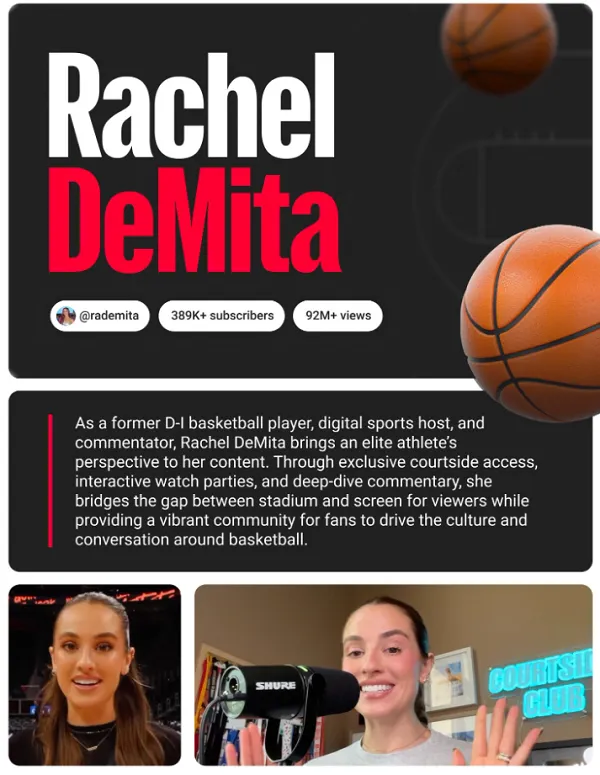
- The Media Entrepreneur: Former athletes or commentators, such as Rachel DeMita, who have pivoted from traditional sports media to building independent, personality-driven content networks that command immense loyalty and authority.
A Chronology of the Shift: From Broadcasters to Creators
To understand the current momentum, it is necessary to look at how sports media has transitioned over the last decade.
- 2014–2018: The Rise of Social Highlights. During this period, consumption shifted from television broadcasts to short-form highlights on social platforms. YouTube became the primary archive for historical moments.
- 2019–2022: The Humanization Era. As athletes grew more comfortable with personal branding, the demand for "raw" content increased. Fans stopped being satisfied with polished press conferences and began seeking authentic, unscripted content.
- 2023–Present: The Creator Economy Integration. Athletes began professionalizing their YouTube channels. Investing in high-quality production, storytelling arcs, and community management, players like Haaland have successfully turned their YouTube channels into essential destinations for their fanbases.
- October 2024: YouTube proactively responded to this trend by launching new "Select Sports" categories, allowing brands to bid on specific high-performing sports content segments, further bridging the gap between creators and corporate partners.
Supporting Data: Why Gen Z is Moving the Needle
The data provided by YouTube underscores the economic viability of the creator-first model. The reliance on digital-first content is not merely a hobby for Gen Z; it is their primary mode of engagement.
The "Surround Sound" Effect
- 66% of Gen Z sports fans engage with YouTube content as a supplement to live sports.
- Authenticity vs. Production: The report notes that fans prefer the "vlog" aesthetic of an athlete’s channel over the highly produced, corporate-style interviews seen on traditional network television.
- Retention: Sports creators who post consistent, mid-to-long-form content see a 40% higher subscriber retention rate compared to those who only post sporadic highlight reels.
The significance of these figures cannot be overstated. When a brand partners with an athlete who is already a trusted voice in the viewer’s "surround sound," they bypass the skepticism often associated with traditional banner ads. They become part of the narrative.
Official Insights: The View from YouTube
In its official commentary accompanying the report, YouTube emphasizes that the platform is moving beyond simple video hosting to become a "connective vehicle." By providing tools such as Takeover Ads and Select Line-ups, YouTube is giving brands the ability to synchronize their messaging with the peaks of sports culture.
The "Takeover" ad format, in particular, is highlighted as a high-impact solution. By allowing brands to pay for custom messages from the creators themselves, YouTube is facilitating a bridge between commercial goals and organic creator content. Furthermore, the expansion of the "YouTube Select" categories ensures that advertisers can place their content alongside top-tier sports videos, ensuring brand safety while maintaining proximity to trending cultural moments.
Implications for Marketers: Beyond the Logo
For brands aiming to tap into this opportunity, the implications are profound. Marketing in the age of the "Athlete-Creator" requires a move away from static product placement toward collaborative storytelling.
1. Embracing the "Vlog" Aesthetic
Brands must stop treating athletes like billboards. Instead, they should empower creators to integrate products into their daily routines or training sessions. When a product is featured in a video where the athlete is showing their preparation for a match, the brand inherits the athlete’s credibility.

2. The Power of "Select" Line-ups
Marketers should leverage YouTube’s specialized sports categories. By aligning with specific, high-performing niches—whether that be tactical soccer breakdowns or basketball training tips—brands can reach a hyper-segmented audience that is already in a "learning" or "engagement" mindset.
3. Community Engagement as a KPI
The most successful brand partnerships in this space are those that prioritize community sentiment. Marketers should analyze the comments sections of their partner creators to understand the tone of the community and ensure that their brand messaging resonates with the existing dialogue.
4. Preparing for 2026
The FIFA World Cup 2026 will be the most digitally connected sporting event in history. Brands that start building relationships with sports creators now will have an established "surround sound" presence by the time the tournament kicks off. Waiting until the tournament begins will lead to inflated costs and a lack of authentic connection with the audience.
Case Study: The Haaland and DeMita Models
The report’s focus on Erling Haaland and Rachel DeMita provides a blueprint for what works.
Erling Haaland represents the "Global Icon" model. With 3.29 million subscribers, he doesn’t need to be a full-time YouTuber to succeed; he just needs to be authentic. His content provides a rare look at the life of an elite athlete, creating a bond with fans that traditional sports journalism cannot replicate.
Rachel DeMita, conversely, represents the "Media Authority" model. By leveraging her background as a college basketball player, she has transitioned into a commentator who can analyze the game with a level of expertise that casual fans crave. Her success shows that even without a professional playing career, athletes can command massive influence by providing high-value, informative content.
Conclusion: The Future of Fandom
The YouTube Creator Pulse report serves as a wake-up call for the advertising industry. The era of passive viewership is ending, replaced by an era of active participation. Sports fans are no longer content to just watch the game; they want to live within the community that surrounds the game.
For brands, the opportunity is clear: partner with the creators who are already hosting that community. By moving from a top-down advertising approach to a collaborative, creator-led model, brands can ensure that they are not just seen, but felt. As we look toward 2026, the question for marketers is no longer "should we be on YouTube?" but rather, "which creator will help us own the conversation?"
The "surround sound" of the game is louder than ever, and for those who know how to tune in, the volume is turning up on a new era of brand growth.











