

In the modern digital ecosystem, marketing leaders are facing an unprecedented crisis of volume. Every day, the average CMO or marketing director is inundated with a tidal wave of white papers, industry frameworks, LinkedIn think pieces, and "must-read" case studies. Yet, despite this constant stream of information, many leaders report feeling less informed and more overwhelmed.
The prevailing theory among top-tier industry strategists is no longer that marketing teams need more content; they need better filters. This growing exhaustion with content saturation is driving a major pivot in how brands connect with their audiences. As a result, the humble newsletter is experiencing a massive renaissance, evolving from a simple distribution channel into a high-value, curated strategic resource.
At the forefront of this shift is Convince & Convert (C&C), which recently announced a total overhaul of its flagship newsletter, transitioning from its long-standing "ON" format to a new, insight-focused publication titled The Trendline. This transition serves as a bellwether for a broader change in email marketing strategy: the move away from click-bait aggregation toward high-level synthesis and intellectual utility.
The Data-Driven Catalyst: Why Newsletters Win
The decision to rebrand and restructure was not based on gut feeling or industry trends alone, but on rigorous internal research. C&C conducts an annual survey of its audience—a demographic comprised of high-level marketing decision-makers—to understand how they prefer to ingest information.
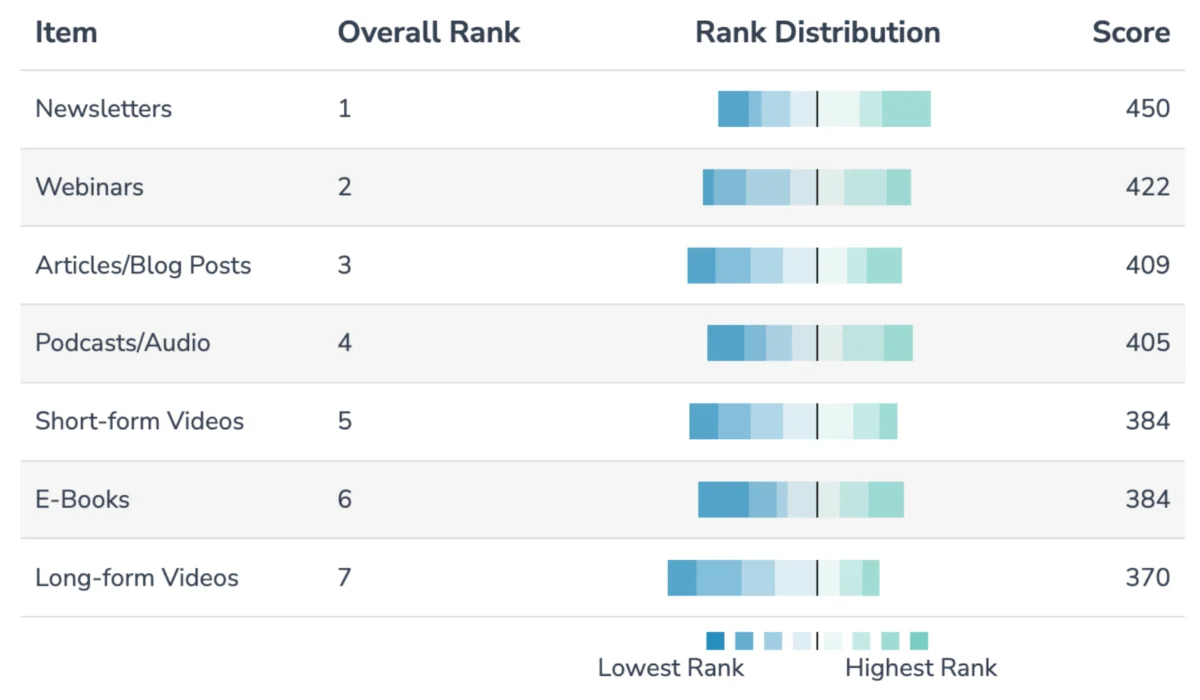
The results were unequivocal. When asked to rank their preferred formats for learning about marketing trends and insights, newsletters outperformed short-form video, webinars, blogs, and podcasts. In fact, respondents were nearly twice as likely to rank newsletters in the top spot compared to any other medium.
This preference highlights a fundamental change in executive behavior. In a world of infinite content, the most valuable commodity is not information, but the curation of information. Marketing leaders are looking for partners who can filter the noise, synthesize the data, and provide the "so what?" behind the "what happened."

A Chronology of the Shift: From "ON" to "The Trendline"
For years, the C&C newsletter, ON, followed the industry-standard playbook: a recurring digest of the latest blog posts, podcast episodes, and training materials. It was a functional, effective model for the previous decade. However, as the digital landscape matured, the quality bar for content rose significantly.
"What worked to engage audiences five or ten years ago can easily be ignored today," says the leadership team at C&C. The team realized that by relying on a "list of links" format, they were essentially asking the reader to do the heavy lifting. The burden of synthesis—of turning a list of headlines into a coherent strategy—was placed on the user.
Recognizing that their audience didn’t have time to click through four or five different links to get to the core value, C&C began a multi-month project to re-engineer their email product. The goal was to provide "the debrief" upfront, allowing subscribers to derive value directly within the email itself, without requiring an immediate click.
The New Strategic Framework: What Defines "The Trendline"
The transition to The Trendline is not merely a name change; it is a fundamental shift in editorial philosophy. The new format is built around four primary pillars of improvement:
- Strategic Context: Rather than just reporting on industry news, The Trendline provides a "debrief" lens. It asks: Why does this story matter to marketers? What are the implications for the future? What questions should leaders be asking their teams?
- Compact Utility: Every section is governed by strict length and formatting guidelines. The goal is to provide maximum insight in a minimum amount of space, respecting the time-crunched schedule of the modern executive.
- Unified Voice: The format is designed to leverage the collective brainpower of the C&C team. By moving away from a siloed "link-to-blog" approach, they can integrate expert commentary directly into the body of the newsletter.
- Interactive Feedback Loops: The introduction of "Sound Off," an end-of-newsletter poll, provides a more granular and actionable engagement metric than traditional open or click-through rates. It allows the brand to maintain a two-way dialogue with their audience.
Implications for the Broader Marketing Industry
The success of this shift carries significant implications for any brand or agency currently managing an email strategy. The "content mill" approach—where the primary KPI is the sheer volume of links pushed to an inbox—is rapidly losing its efficacy.
The Death of the "Link Farm"
For years, the industry operated on the belief that the primary purpose of a newsletter was to drive traffic back to a website. While traffic is still a valid goal, it cannot be the only value proposition. If a newsletter provides no value to the reader until they click an external link, it is inherently weak. Modern, effective newsletters provide "value-in-situ," meaning the reader is smarter, more informed, or more inspired by the time they finish reading the email, regardless of whether they clicked a link.

The Rise of the "Trusted Filter"
Marketing leaders are increasingly gravitating toward sources they trust to filter the noise. This is the era of the "curator." Brands that can establish a reputation for high-level, thoughtful, and objective analysis will win the inbox war. The goal is to become the go-to resource that saves the reader time, not the one that adds to their mounting pile of digital chores.
The Need for Audience-Centric Research
The C&C case study demonstrates that even established players must periodically audit their content against audience behavior. "Go through that same thought process for your newsletter," the C&C team advises. When presenting to senior decision-makers, the focus should always be on what will help them solve problems, not on how many charts or links can be crammed into a document.
Looking Forward: How to Adapt Your Own Strategy
For those looking to replicate this success, the path forward requires a departure from traditional "broadcast" thinking. Here are the core takeaways for marketing teams looking to modernize their email strategy:
- Audit for Value, Not Traffic: Analyze your current newsletter. If you removed all the links, would the remaining text still provide significant value to your reader? If the answer is no, you are overdue for a redesign.
- Prioritize the "Why" Over the "What": Don’t just report on industry news. Provide the context that your specific audience needs to make better decisions.
- Respect the Reader’s Time: Keep formatting clean, scannable, and consistent. Use hierarchies that guide the reader’s eye to the most critical information first.
- Invest in Originality: In an age of AI-generated content, unique insights and expert perspectives are the only things that will maintain human trust.
- Listen, Then Pivot: Use polls, surveys, and direct feedback to inform your editorial calendar. If your audience tells you they prefer specific topics or formats, build your strategy around those preferences rather than guessing.
Conclusion: The Future is Curated
The move to The Trendline is a bold admission that in the current attention economy, being a "content provider" is no longer enough. To remain relevant, brands must transform into "insight providers."
By prioritizing the reader’s time and focusing on the strategic implications of industry changes, Convince & Convert has set a high bar for what a modern, B2B newsletter should look like. As the digital landscape continues to fragment, the brands that win will be those that act as trusted, curated filters—cutting through the noise to help their audiences focus on exactly what matters.
In a world drowning in content, the most valuable strategy is to be the life raft. If you want to see this new philosophy in action, the Trendline serves as a primary example of how to build an email marketing strategy that is not just heard, but valued.












No comments yet. Be the first to join the conversation!