Nana Wu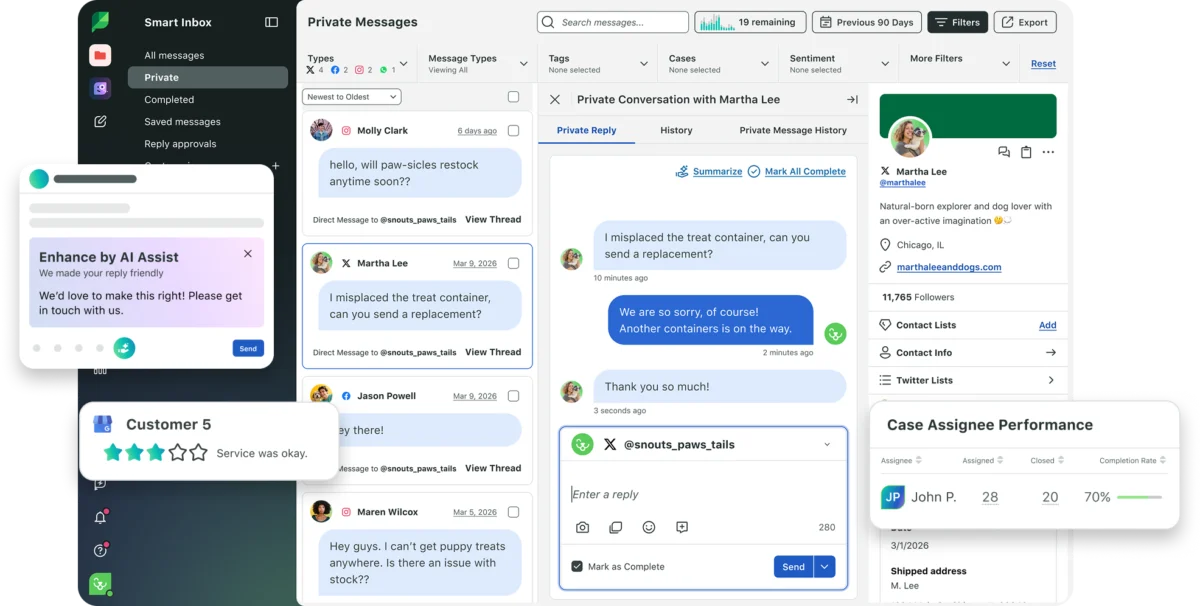
In the digital landscape of 2026, the comment section is no longer just a forum for fan engagement—it is a critical front line of brand defense. With billions of interactions occurring daily across global social ecosystems, the sheer volume of user-generated content has outpaced the capabilities of human-only moderation teams. A single unchecked bot attack or a surge of toxic misinformation can spiral into a PR nightmare, damaging brand equity and driving away loyal customers in minutes.
As modern consumers demand instant, authentic, and safe interactions, social media moderation has evolved from a simple community management task into a complex operational discipline. For organizations failing to implement robust, AI-augmented moderation strategies, the cost is no longer just a messy feed—it is a tangible threat to business continuity, regulatory compliance, and long-term customer trust.

The Evolution of Moderation: From Manual Review to AI-Driven Governance
Historically, community management relied on "eyes-on" moderation, where team members manually scrolled through feeds to flag inappropriate behavior. This approach was sustainable when brands maintained a singular presence on one or two platforms. However, the current multi-channel environment has rendered this method obsolete.
The Chronology of Digital Risk
- The Early Web (2000s): Moderation was reactive and infrequent. Brands relied on "report" buttons and basic community guidelines.
- The Growth Era (2010s): The rise of brand-owned social pages necessitated dedicated community managers. Moderation was treated as "customer service," often handled in spreadsheets.
- The Algorithmic Explosion (2020–2024): With the proliferation of generative AI bots and sophisticated spam networks, the volume of noise increased by orders of magnitude.
- The Modern Era (2025–2026): Moderation has become a data-driven, cross-functional operation. It is now tightly integrated with customer care, legal, and crisis management teams, utilizing real-time AI sentiment analysis.
The Economic and Operational Stakes
The implications of neglecting your comment section are profound. Modern social media moderation is a multifaceted business function that impacts four core pillars:
1. Brand Safety and Trust
A cluttered, spam-ridden comment section acts as a negative signal to prospective buyers. Consumers often equate the quality of a brand’s community space with the quality of its products or services. When hate speech, misinformation, or bot-driven scams remain visible, the brand appears negligent. By utilizing advanced social listening and sentiment tracking, companies can now identify reputational threats before they cross the threshold of a viral crisis.
2. Operational Efficiency in Customer Care
Moderation and customer care are inextricably linked. In an unmanaged environment, high-priority customer complaints are often buried under waves of irrelevant spam. Effective moderation tools use "priority routing," ensuring that urgent inquiries are funneled directly to the right support agents. This reduces response latency, which is a key driver of customer satisfaction scores (CSAT).
3. Legal and Regulatory Compliance
The global regulatory environment is tightening. Brands are increasingly required to prove that they exercise due diligence in handling user data and policing content. Maintaining a comprehensive audit trail of moderation actions—who deleted what, and why—is no longer a "nice to have," but a legal requirement for many industries.
4. Crisis Prevention
Spike detection technology serves as an early warning system. By monitoring for abnormal surges in specific keywords or sentiment shifts, brands can trigger escalation protocols instantly. This capability allows PR teams to address potential scandals in their infancy rather than reacting after the damage is already done.

Understanding the Moderation Ecosystem
There is no one-size-fits-all approach to moderation. The most resilient brands utilize a hybrid strategy:
- Pre-moderation: Content is screened before it is published to the public. This is critical for high-stakes environments like live broadcasts.
- Post-moderation: Content is published immediately but monitored by AI, which flags or removes violations after the fact.
- Community-led moderation: Utilizing brand advocates to report content, effectively crowdsourcing safety.
Where You Must Moderate
Moderation strategies must be applied across every touchpoint:
- Public Threads: Especially on ad-heavy platforms like TikTok and Facebook, where promoted posts act as magnets for bot activity.
- Direct Messages (DMs): Often overlooked, DMs are private but hold the highest potential for sensitive customer data leaks.
- Mentions and Unlinked Tags: Monitoring conversations that happen about your brand, even when your handle isn’t tagged.
- Reviews: Aggregating feedback from Google Business, Yelp, and Glassdoor into a single, actionable dashboard.
The Top 10 Social Media Moderation Tools for 2026
To navigate this landscape, brands require sophisticated software that balances automation with human oversight.
1. Sprout Social
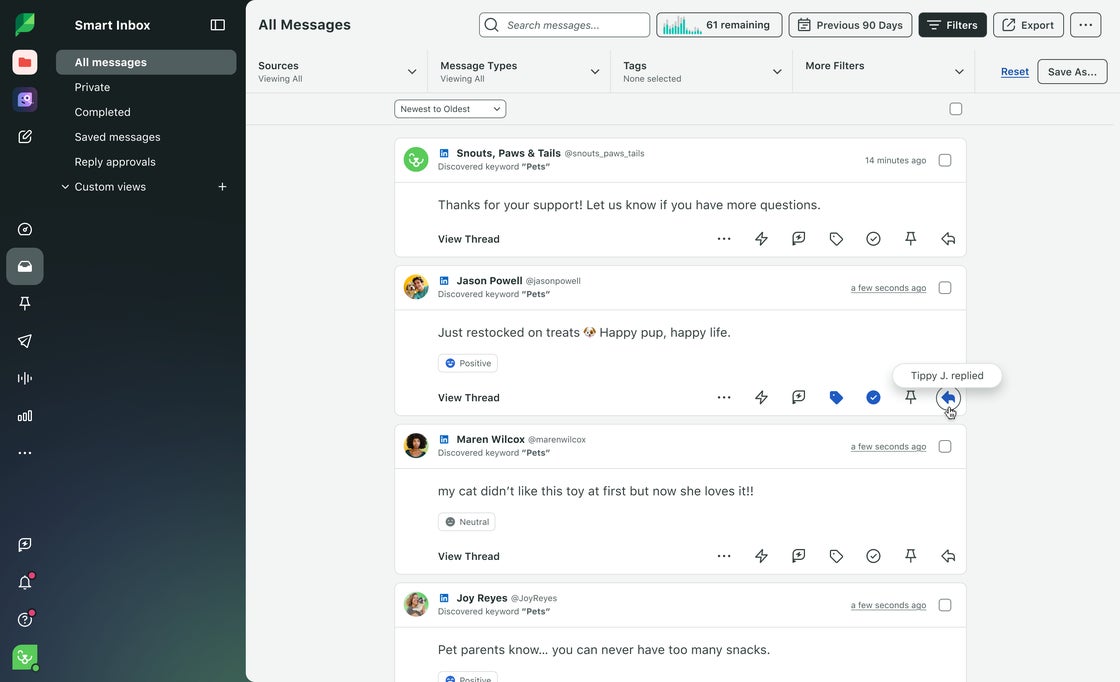
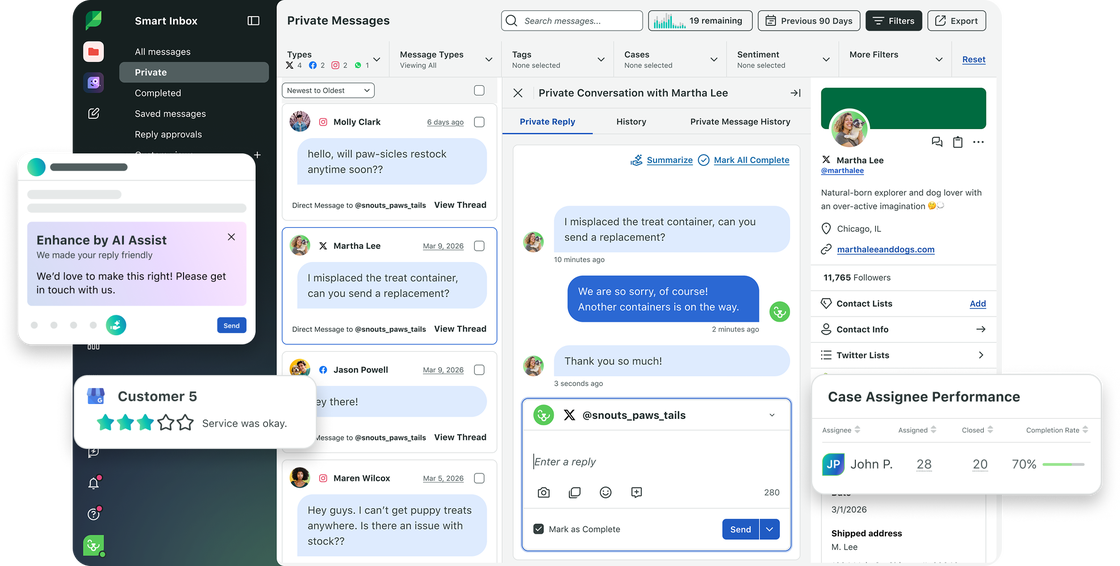
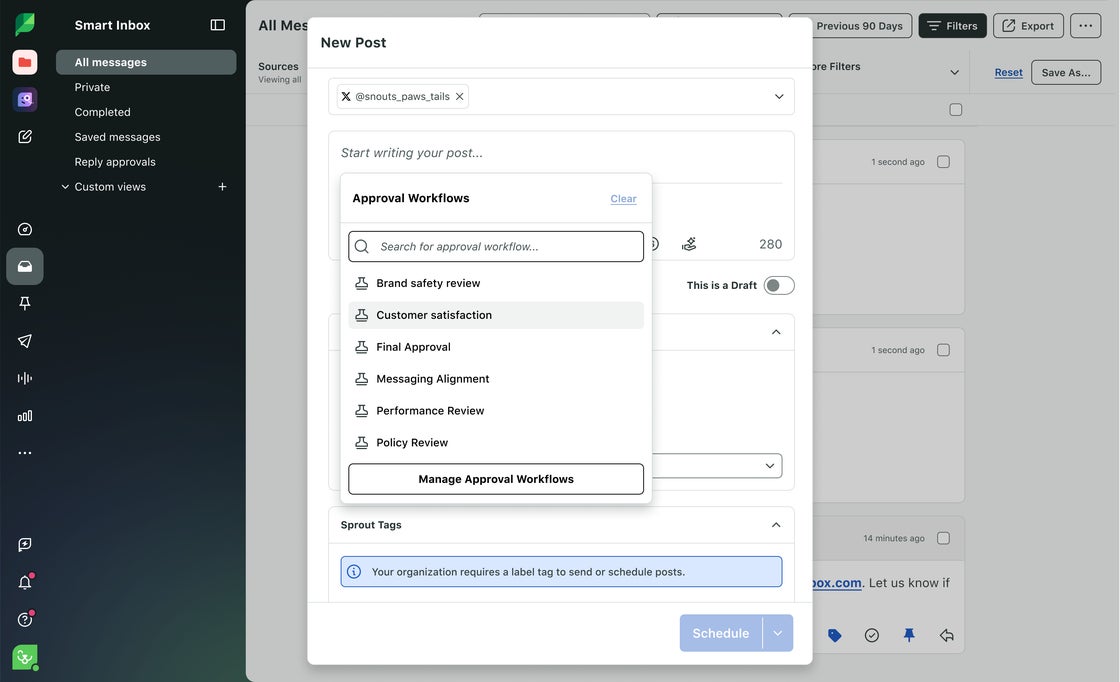
As a leader in the field, Sprout Social provides an enterprise-grade "Smart Inbox" that centralizes interactions across all networks. Its standout features include AI-powered sentiment analysis, automated rule-based routing, and sophisticated analytics that link moderation efficiency to overall brand performance.

- Best for: Organizations needing a seamless, all-in-one platform for engagement and analytics.
2. Hootsuite
A classic in the industry, Hootsuite offers robust scheduling and monitoring. While it excels in organic social management, it remains a reliable choice for teams requiring a broad feature set.
3. NapoleonCat
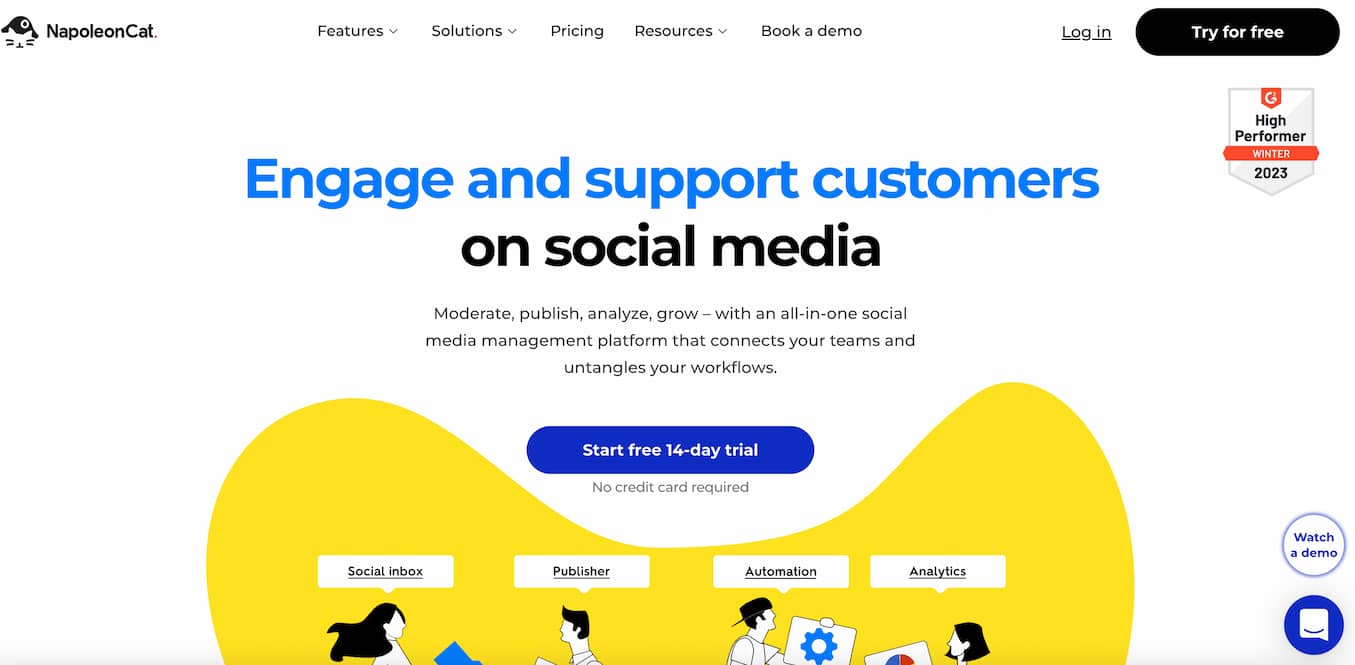
Known for its high-performance auto-moderation, NapoleonCat is a favorite for agencies. Its ability to handle multilingual translation and automated spam removal is particularly effective for global brands.
4. Agorapulse
Agorapulse is praised for its interface clarity. It is the ideal middle-ground for growing teams that need professional-grade organization without the steep learning curve of enterprise software.
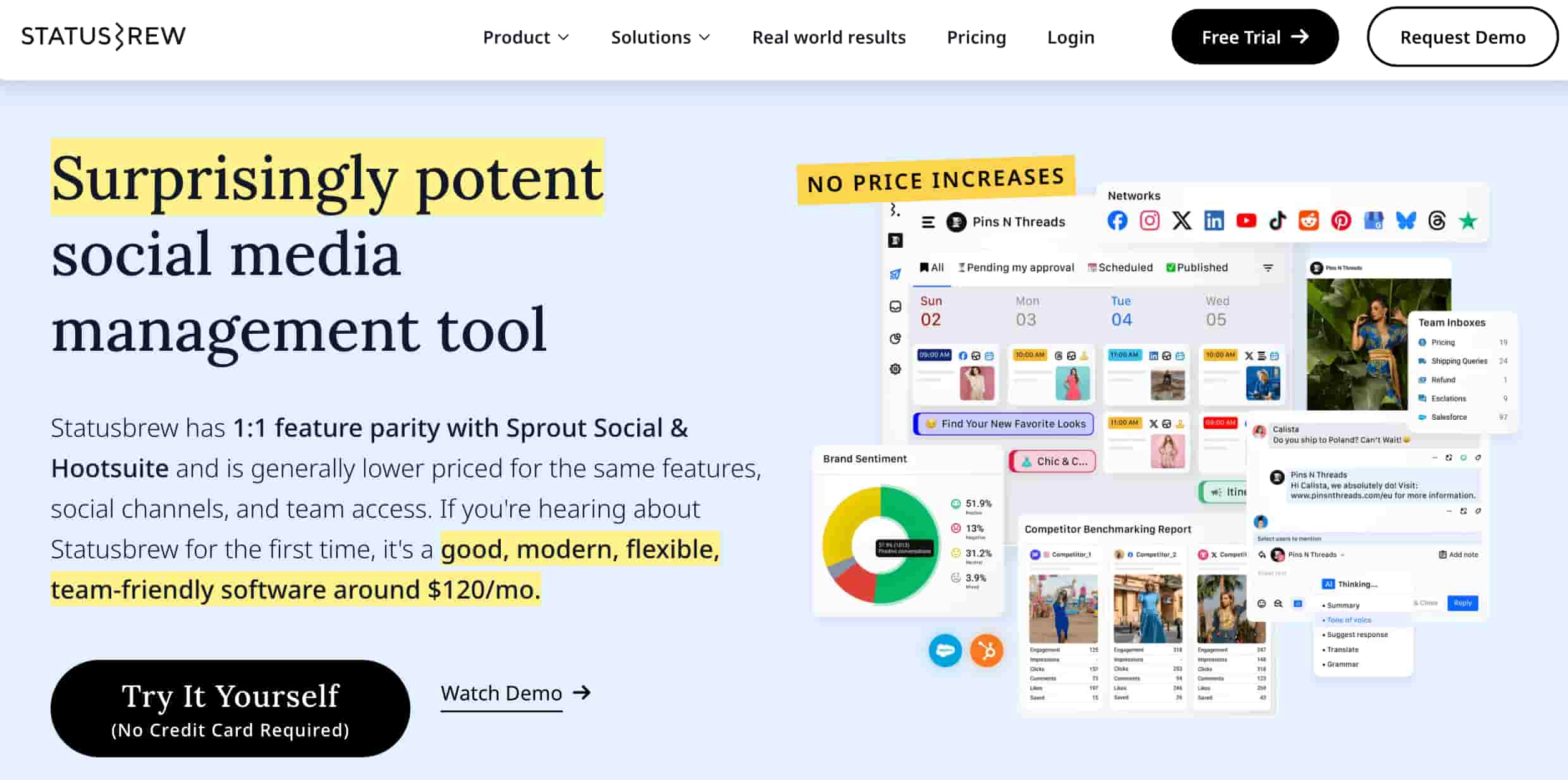
5. Statusbrew
Statusbrew specializes in governance. Its advanced permission settings and rule-based routing are perfect for mid-market and enterprise brands with complex organizational hierarchies.
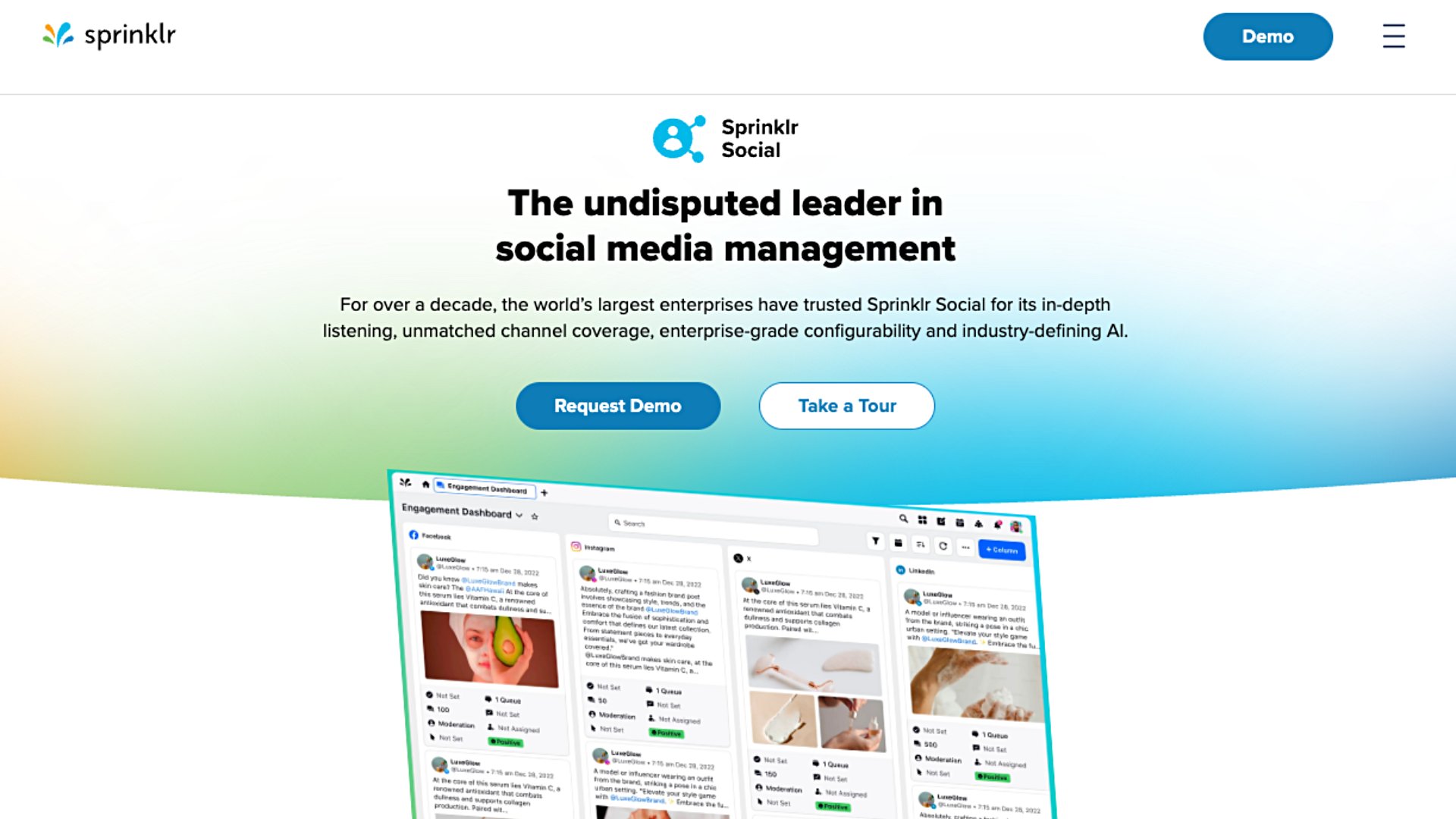
6. Sprinklr
When managing 30+ digital channels, Sprinklr is the industry standard. It offers deep, AI-driven compliance checks and is designed for the largest global corporations with strict regulatory needs.
7. Planable
For content-focused teams, Planable integrates moderation directly into the content creation workflow, ensuring that every post is vetted for potential issues before it goes live.

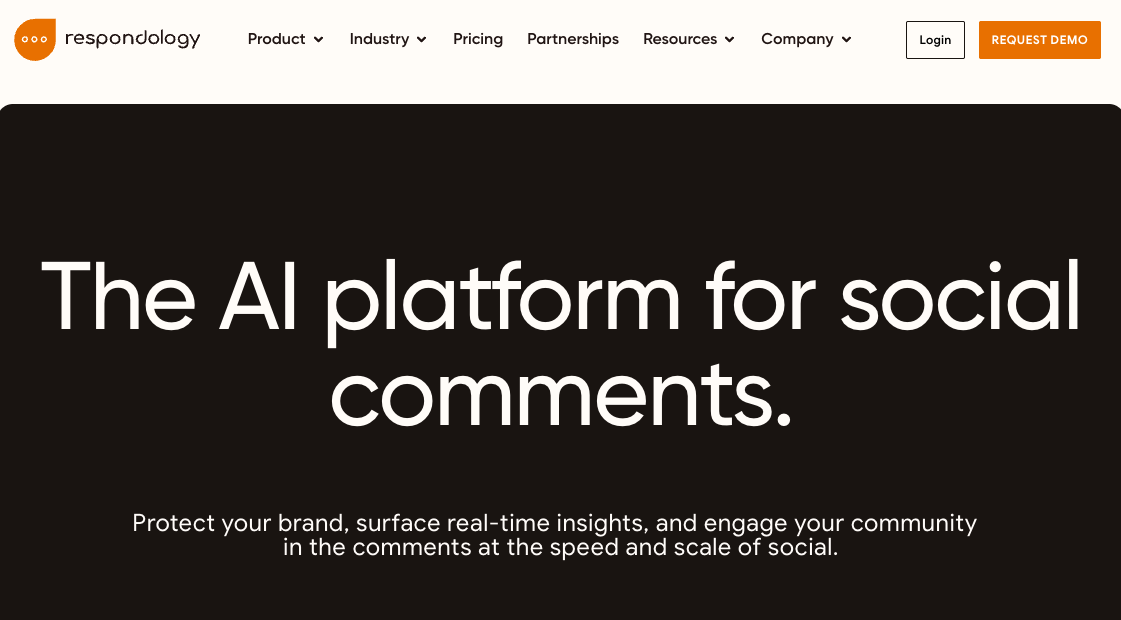
8. CommentGuard
Focusing specifically on the "comment problem," this tool uses machine learning to identify and ban troll accounts and spam bots on Facebook and Instagram at scale.
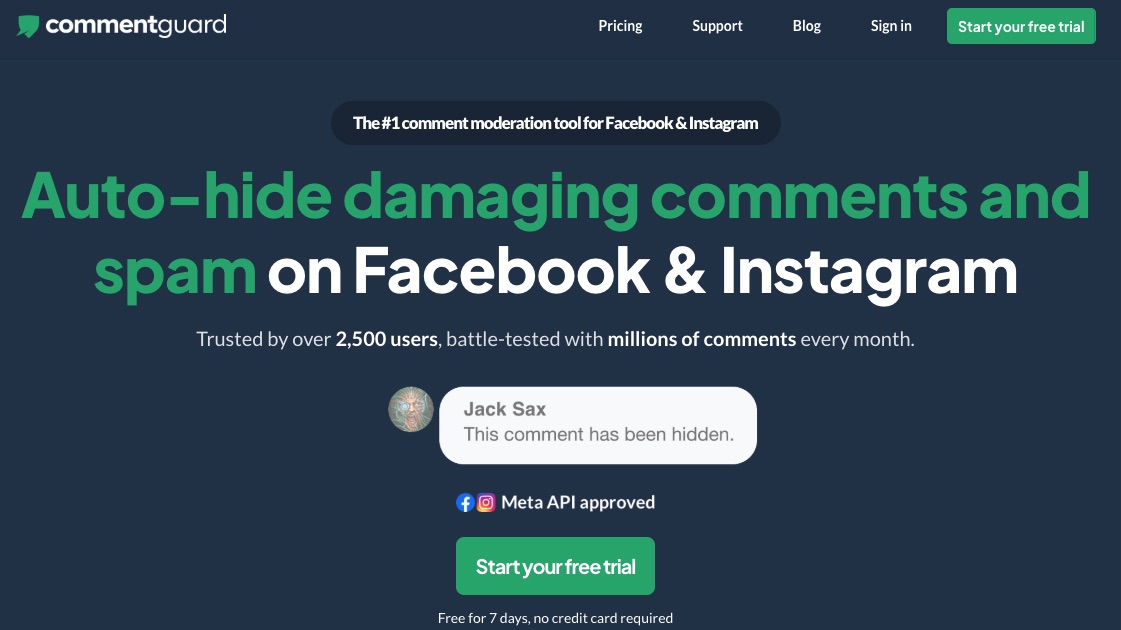
9. Respondology
Respondology offers a unique three-layer approach: custom rules, AI classification, and final human review to ensure maximum accuracy in content removal.
10. Brand Bastion
This platform treats the comment section as a revenue channel. Its "Agent+" feature uses generative AI to draft on-brand responses, turning potential PR risks into opportunities for customer engagement.
Best Practices: From Strategy to Execution
Technology is only as effective as the strategy behind it. To ensure a safe and engaged community, teams should adhere to these core principles:
Build a "Living" Policy
Your moderation policy should be a dynamic document that evolves alongside your audience. Clearly define what constitutes "inappropriate content" and establish a standardized hierarchy for how that content is handled.
Prioritize Human Wellbeing
Moderation is mentally taxing. Exposure to toxic content leads to burnout, which in turn leads to human error. Best-in-class brands rotate their moderation teams, provide mental health support, and offer mandatory breaks from "front-line" duties.

Automate the Routine, Humanize the Complex
The goal of automation is not to remove humans from the equation, but to free them up for high-value interactions. Use AI to catch the spam, but empower your team to provide the empathy and human touch that builds true brand loyalty.
Continuous Improvement
Treat moderation like a product cycle. Monthly reviews of response times, sentiment trends, and policy violations are essential. If you aren’t measuring the impact of your moderation, you are effectively flying blind.
The Bottom Line
In 2026, social media moderation is a strategic necessity. It is the gatekeeper of your reputation and the primary defender of your community’s integrity. By moving away from reactive, manual processes and toward a centralized, AI-supported moderation framework, brands can protect their assets, streamline their customer support, and ensure that their social presence remains a source of value rather than a source of risk.
Whether you are managing a handful of local social accounts or a complex global enterprise footprint, the time to audit your moderation strategy is now. The cost of inaction is too high, but the rewards—a cleaner, more engaged, and more loyal community—are well within reach.


 Nana
Nana
 Jia Lissa