

In the modern digital landscape, the power to define a brand’s narrative has shifted from corporate boardrooms to the unpredictable currents of network algorithms. As social conversations evolve on their own timelines, passive monitoring—or relying on historical data—is no longer a viable strategy. Today, a brand mention is not just a data point; it is a fleeting opportunity for engagement or a potential spark for a reputation crisis. To remain relevant and protected, organizations must pivot from reactive observation to proactive, real-time brand intelligence.
![What is brand monitoring and why is it important? [+ tools]](https://media.sproutsocial.com/uploads/2026/06/NewsWhip-product-tour-1024x564.png)
Main Facts: The Shift to Real-Time Monitoring
Brand monitoring has evolved from simple social media tracking into a comprehensive, ecosystem-wide endeavor. Unlike social media monitoring, which focuses solely on network-specific interactions, modern brand monitoring software captures conversations across the entire online landscape—including news outlets, forums, blogs, and podcasts.
The fundamental shift here is the move toward "predictive intelligence." By leveraging AI-driven tools, brands can now forecast trends, identify shifting consumer sentiment, and detect emerging crises long before they manifest into mainstream headlines. In an environment where a viral complaint can cause irreversible damage in a matter of hours, this transition from lagging indicators to real-time, predictive analytics is the ultimate competitive advantage.
![What is brand monitoring and why is it important? [+ tools]](https://brandfolder.sproutsocial.com/VXTUTVL1/at/hww8qgzc7c994hp6h5frjt/pup-q2-2026_ui_ai_trellis-expansion_simplified.png)
Chronology: From Static Listening to Predictive Analytics
The trajectory of brand management has undergone three distinct phases:
![What is brand monitoring and why is it important? [+ tools]](https://media.sproutsocial.com/uploads/2025/04/mention-dashboard-1-1024x637-1.jpg)
- The Manual Era: Brands relied on manual searches, Google Alerts, and sporadic media clippings. This approach was inherently slow and often resulted in "crisis blindness," where issues were discovered only after they had already reached the public eye.
- The Social Monitoring Era: With the rise of platforms like Twitter and Facebook, companies began using specialized tools to track mentions on social networks. While effective for customer service, this created a siloed view that ignored the broader web.
- The Predictive Intelligence Era (Current): Today’s best-in-class solutions, such as Sprout Social, Meltwater, and NewsWhip, utilize AI to monitor the entire web. This phase is characterized by velocity modeling—predicting how quickly a story will spread—and automated, analyst-quality briefings that allow teams to distinguish between a minor spark and an impending firestorm.
Supporting Data: Why Monitoring is a Business Necessity
The urgency of implementing a robust monitoring program is backed by several critical business functions:
![What is brand monitoring and why is it important? [+ tools]](https://media.sproutsocial.com/uploads/2025/04/webmention@2x-UWGADG6D.png)
- Crisis Mitigation: Monitoring acts as an early warning system. By identifying spikes in negative mention volume or sudden shifts in sentiment, teams can deploy pre-planned crisis responses before a situation escalates.
- Competitive Intelligence: You cannot operate in a vacuum. Monitoring competitor mentions allows brands to identify market gaps, understand how audiences react to rival product launches, and benchmark their own share of voice.
- Customer Feedback Loops: Not every customer tags a brand. High-level monitoring uncovers "unvarnished" discussions on forums like Reddit, providing raw, authentic data that can drive product development and improve the user experience.
- SEO and Authority Building: Frequently, publishers mention a brand or product without providing a hyperlink. Monitoring tools flag these high-value text mentions, allowing SEO teams to reach out and convert these into authoritative backlinks.
- Identifying Advocates: Behind every brand are organic supporters. Identifying these "super-fans" early allows for the development of user-generated content (UGC) partnerships, which can amplify brand reach more effectively than paid advertising.
Official Perspectives: Navigating the Landscape of Solutions
Industry leaders emphasize that the "best" tool is one that integrates seamlessly into a team’s workflow while providing predictive foresight.
![What is brand monitoring and why is it important? [+ tools]](https://media.sproutsocial.com/uploads/2025/04/productdashboard-20150313072154718.png)
The Powerhouse: Sprout Social
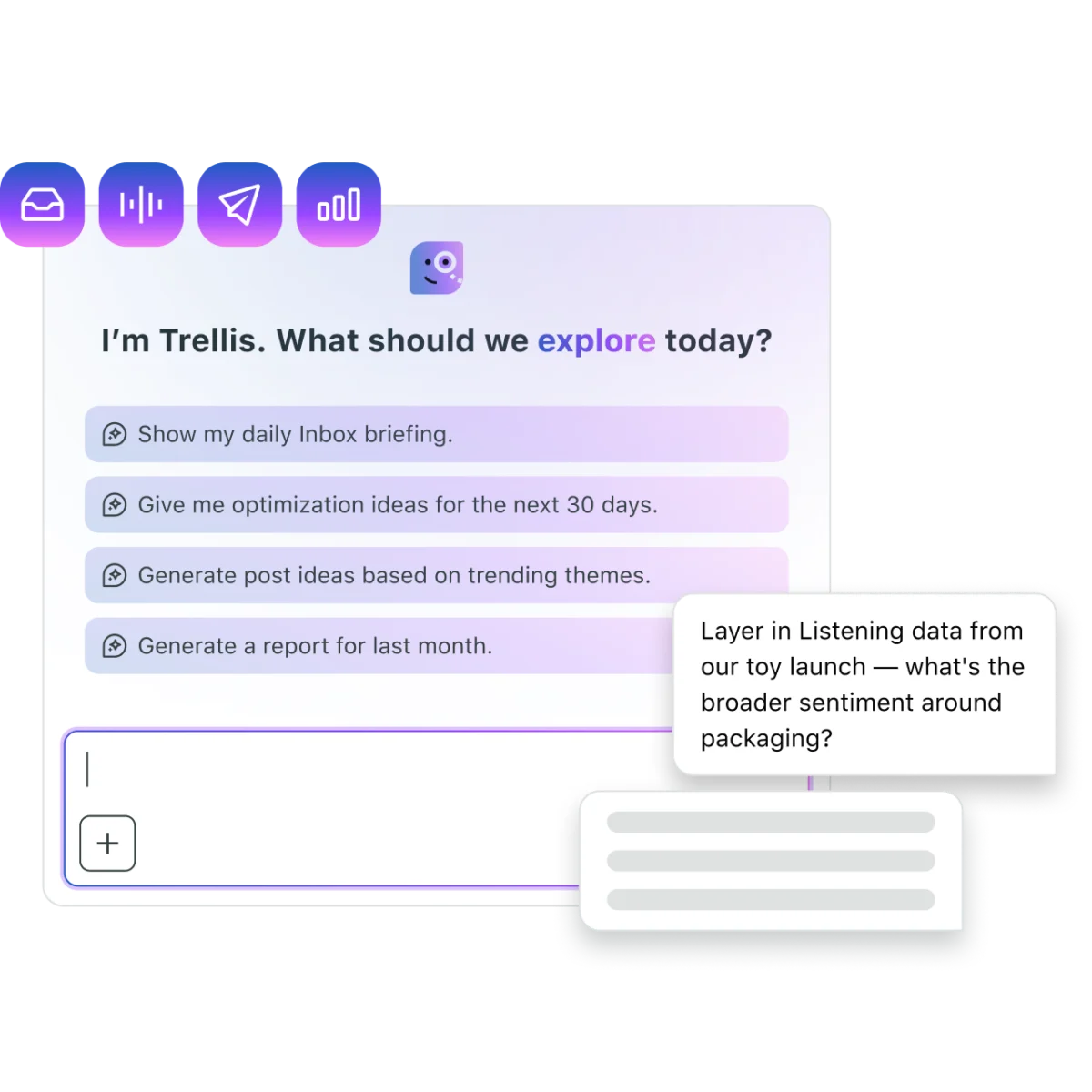
Sprout Social distinguishes itself as an AI-powered Social Intelligence solution. Its integration with NewsWhip allows for predictive media intelligence—tracking global web articles to predict public engagement levels up to 24 hours in advance. Its Trellis Monitoring Agent is particularly noteworthy, as it surfaces early threat signals and delivers concise, analyst-quality briefs in natural language.
![What is brand monitoring and why is it important? [+ tools]](https://media.sproutsocial.com/uploads/2025/04/set-up-google-alert.png)
Specialized Alternatives
- Mention: Excellent for small-to-medium teams, offering solid sentiment analysis and real-time social listening.
- Meltwater: A heavyweight in media monitoring that excels at bridging the gap between social media and traditional media (print, TV, radio).
- YouScan: A standout for its visual intelligence. In a world of image-heavy content, YouScan analyzes photos and videos to find brand logos or products even when no text is present.
- Sprinklr: Tailored for the enterprise, offering a Unified-CXM platform that manages over 30 digital channels, acting as a single source of truth for large-scale global organizations.
Implications for Future Strategy
The implications of failing to monitor your digital footprint are profound. A brand that is "deaf" to the internet is one that invites obsolescence. Conversely, a brand that masters monitoring gains the ability to "validate" campaigns in real-time. If a new launch is not resonating, teams can pivot their messaging mid-campaign, saving budgets and preserving reputation.
![What is brand monitoring and why is it important? [+ tools]](https://media.sproutsocial.com/uploads/2026/06/Brand-24-dashboard-1024x733.png)
Furthermore, the integration of AI is no longer a luxury—it is a necessity for processing the sheer volume of data produced daily. AI-driven sentiment analysis helps teams cut through the noise, distinguishing between a customer’s sarcastic remark and a genuine product failure.
![What is brand monitoring and why is it important? [+ tools]](https://cdn.airops.com/rails/active_storage/blobs/proxy/eyJfcmFpbHMiOnsiZGF0YSI6OTIyMzEzLCJwdXIiOiJibG9iX2lkIn19--cfab3c202300c3a905f939804c32438188ccb4e4/https---www.hootsuite.com-%3Fsrsltid=AfmBOoouV0zAsBPI_n_8sfp9jiW_hz7uGVz-naM-yMnlm8g2xTfKcnOR_1755199063.png)
Setting the Standard: A Blueprint for Success
To build a world-class monitoring program, organizations should follow these core steps:
![What is brand monitoring and why is it important? [+ tools]](https://media.sproutsocial.com/uploads/2026/06/Sprinkr-dashboard-1024x643.png)
- Define the Footprint: Identify common misspellings, product nicknames, and industry jargon. Your query structure must be broad enough to capture the conversation but precise enough to filter out "noise" (e.g., distinguishing between a "software" brand and "gardening" terminology).
- Establish Crisis Thresholds: Use your monitoring tool to set automated alerts for negative keywords combined with high-velocity spikes. This ensures your team is alerted before a story hits the mainstream news cycle.
- Analyze and Iterate: Monitoring is not a "set and forget" task. Review your queries weekly to ensure they are still capturing relevant data. Use the "Performance" tabs in platforms like Sprout to compare mention volume and sentiment before, during, and after marketing campaigns.
- Embrace Predictive Modeling: Move beyond looking at what happened yesterday. Use tools like NewsWhip to look at what is likely to happen tomorrow. Understanding the velocity of a story—how fast it is moving through the web—is the difference between an informed response and a frantic, reactive statement.
Conclusion: The Path Forward
In the final analysis, brand monitoring is the bridge between market observation and strategic growth. By turning online chatter into social intelligence, businesses can move from a state of constant, defensive fire-fighting to one of proactive, authoritative brand stewardship.
![What is brand monitoring and why is it important? [+ tools]](https://cdn.airops.com/rails/active_storage/blobs/proxy/eyJfcmFpbHMiOnsiZGF0YSI6OTIyMzE2LCJwdXIiOiJibG9iX2lkIn19--8b77fc6415d7f1eb4015130506f42a6ca3b5a457/https---www.cision.com-_1755199373.png)
The digital landscape will continue to evolve, and the barriers between brands and consumers will continue to dissolve. Those who equip themselves with the right technology—and more importantly, the right mindset—will find that brand monitoring is not merely a defensive tactic, but a sophisticated engine for sustained competitive advantage. As you look toward the next fiscal quarter, the question for leadership is not whether they can afford the cost of a comprehensive monitoring tool, but whether they can afford the cost of being the last to know when their reputation is at stake.










