
 Nana
Nana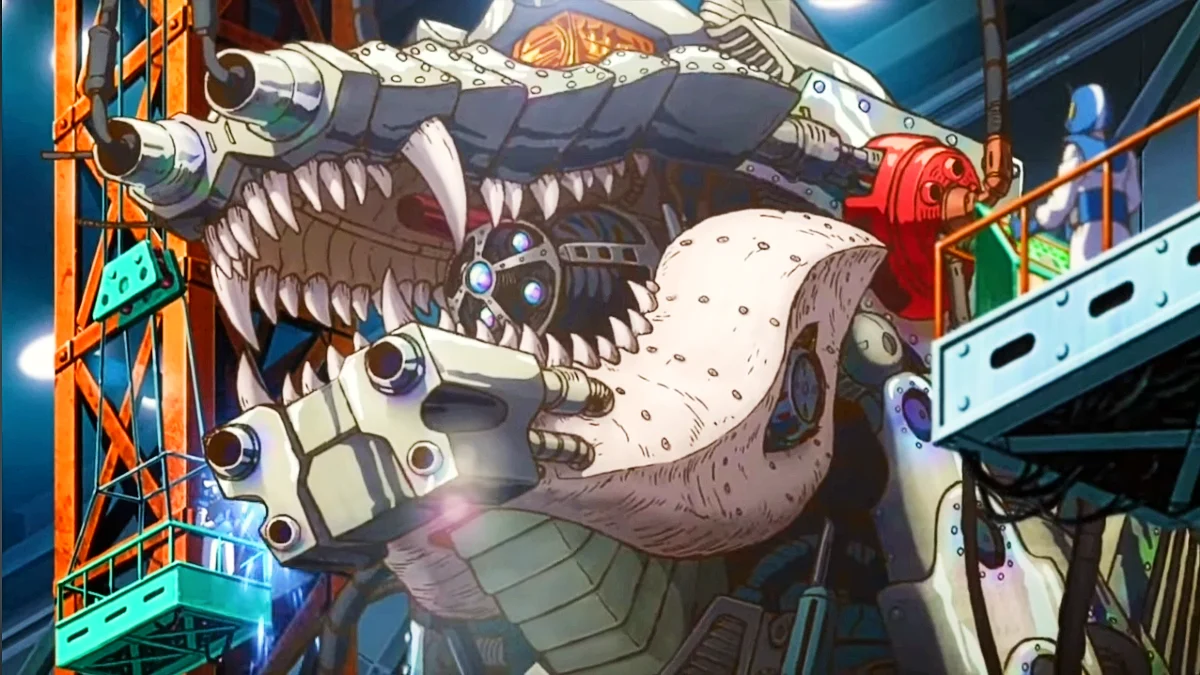
The "Godzilla Renaissance" is currently in full swing, marking a golden era for the King of the Monsters that rivals his 1960s heyday. Between the Academy Award-winning success of Godzilla Minus One and the box-office dominance of Legendary Pictures’ MonsterVerse, the franchise has never been more visible or more profitable. However, while live-action iterations of the atomic titan are flourishing, a dark cloud has settled over the creature’s animated endeavors. Specifically, the highly anticipated second season of Godzilla Singular Point (2021) appears to have met a quiet, unceremonious end behind closed doors.
Recent reports from industry insiders and community chroniclers suggest that despite a cliffhanger ending and an initial internal push for continuation, Godzilla Singular Point Season 2 has collapsed during the development phase. This revelation leaves fans of the avant-garde, hard-science-fiction series grappling with the reality that the series’ lingering mysteries—and its teased version of Mechagodzilla—may never be resolved.
Main Facts: The State of the Singular Point Limbo
The primary catalyst for the recent wave of pessimism regarding Godzilla Singular Point (GSP) stems from a report by prominent kaiju commentator and insider "D Man1954." In a detailed update, the chronicler revealed that while Season 2 was at one point a prioritized project within Toho’s production pipeline, the initiative has since disintegrated.
The core facts of the situation are as follows:
- Production Stagnation: Despite the first season concluding in mid-2021, there has been zero official word from Toho or Netflix regarding a renewal in over three years.
- Internal Collapse: Reports suggest that the project was not merely "on hold" but suffered a behind-the-scenes failure that halted development.
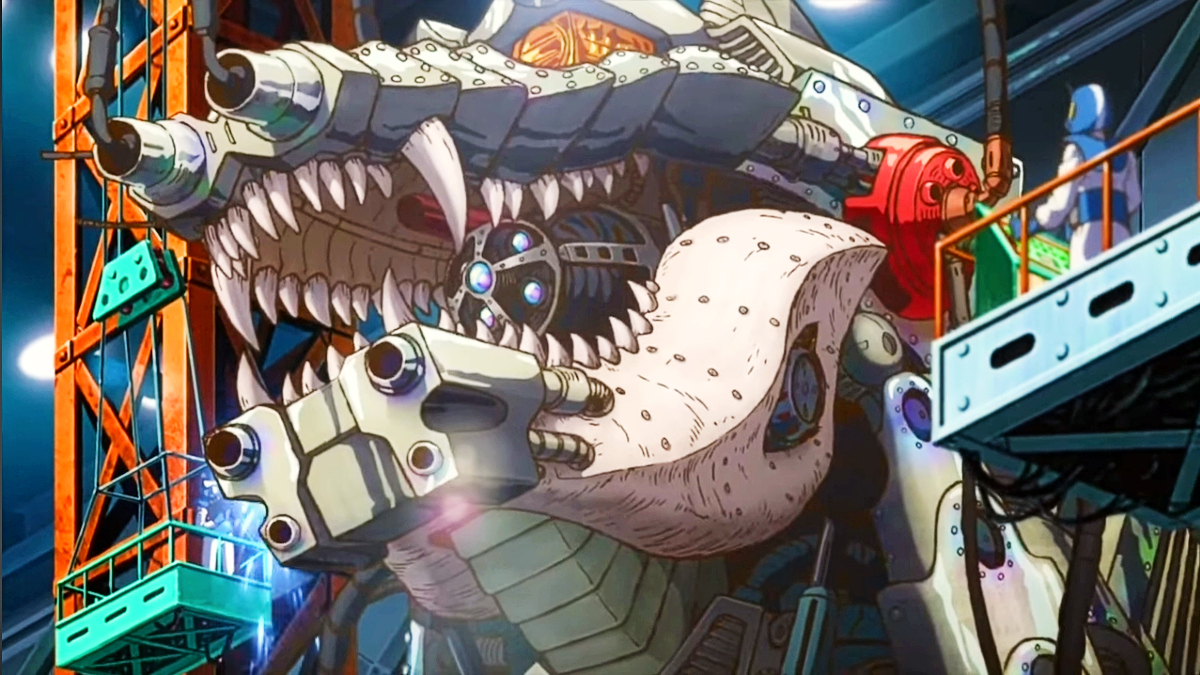
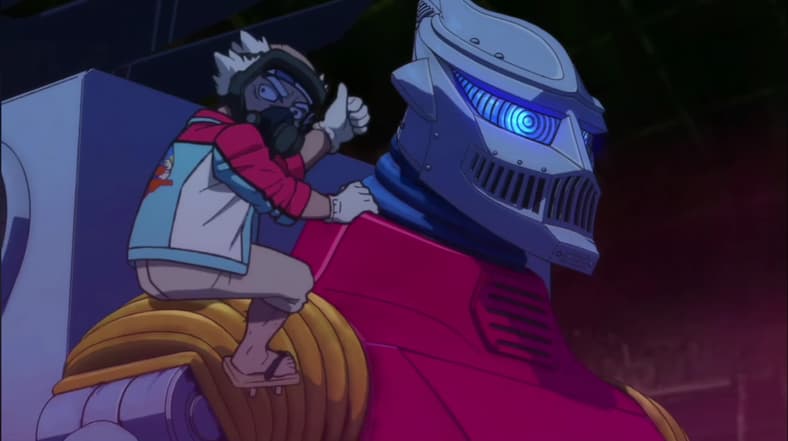
- Narrative Unfulfillment: The first season ended with a post-credits scene featuring the construction of a new Mechagodzilla, utilizing the skeletal remains of a previous Godzilla, a direct homage to the Kiryu saga of the early 2000s.
- Shift in Strategy: Toho appears to be pivoting toward a new, more traditionally "shonen-style" anime project, moving away from the dense, theoretical physics-heavy narrative of Singular Point.
Chronology: From Experimental Success to Radio Silence
To understand the weight of GSP’s reported cancellation, one must look at the timeline of Godzilla’s foray into the world of Japanese animation.
2017–2018: The ‘Planet of the Monsters’ Experiment
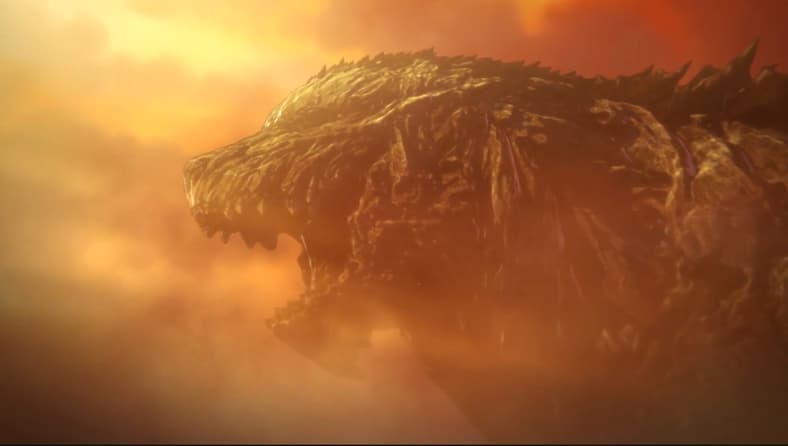
Toho’s first major venture into Godzilla anime was the CG-animated trilogy released on Netflix (Planet of the Monsters, City on the Edge of Battle, and The Planet Eater). While visually striking, the trilogy was polarizing among fans for its slow pacing and its decision to relegate Godzilla to a background force of nature rather than a central protagonist/antagonist.
2021: The Launch of ‘Singular Point’
In June 2021, Godzilla Singular Point premiered globally on Netflix. A joint production between powerhouse studios Bones (My Hero Academia) and Orange (Beastars), the series was a radical departure from kaiju tropes. It blended "Red Dust" interdimensional theories, quantum computing, and a reimagined Jet Jaguar into a complex "hard sci-fi" detective story. It was a critical success, praised for its intellectual ambition and unique creature designs by Eiji Yamamori.
2022–2023: The Silent Period
Following the conclusion of Season 1, fans expected a renewal announcement within 12 to 18 months—the standard window for high-profile Netflix anime. As the months turned into years, the silence from Toho grew more conspicuous. During this time, Godzilla’s live-action presence exploded, potentially shifting Toho’s corporate focus and resources away from the experimental anime wing.
2024: The Reported Collapse
In late 2024, reports surfaced that the "priority" status of GSP Season 2 had been revoked. Insiders noted that while the creative team had a roadmap, the logistical and financial framework necessary to move into full production fell apart, effectively mothballing the series.
Supporting Data: Why ‘Singular Point’ Faced Development Hell
The collapse of a major anime production rarely happens for a single reason. Instead, it is usually a "perfect storm" of creative, financial, and logistical hurdles. In the case of Singular Point, several factors likely contributed to its demise.
1. The Complexity of the Creative Team
GSP was a unique collaboration. The series was written by Toh EnJoe, a renowned Japanese science fiction novelist with a PhD in physics. His writing style is notoriously dense and difficult to replicate. If EnJoe was unavailable for a second season, or if the writing process became too cumbersome for a serialized television format, Toho may have found it impossible to maintain the show’s "singular" identity.
2. Studio Scheduling and Resource Allocation
Studio Bones and Studio Orange are two of the most sought-after animation houses in Japan. Both studios have massive, multi-year backlogs of projects. If a production window for Singular Point was missed due to script delays or contractual disputes, the "slot" for the show might have been filled by other high-revenue properties like My Hero Academia or new Orange projects like Trigun Stampede.
3. Niche Appeal vs. Global Metrics
While GSP was beloved by hardcore fans and science fiction enthusiasts, its heavy focus on theoretical dialogue made it less accessible to general audiences compared to the action-oriented MonsterVerse. For a streaming giant like Netflix, the "completion rate"—the percentage of viewers who finish the entire season—is a vital metric. GSP’s dense narrative may have resulted in a drop-off rate that made a second, expensive season a risky investment.
Official Responses and the Corporate Veil
As is common with Japanese production committees, there has been no formal "obituary" for Godzilla Singular Point. Toho Co., Ltd. typically operates under a policy of silence regarding unannounced or cancelled projects to protect the brand’s prestige.
When questioned about future anime projects, Toho executives have consistently pointed toward the "future of the franchise" without specifically naming Singular Point. This corporate "pivot" is a standard industry tactic. By announcing new projects—such as the recently teased "shonen-style" Godzilla anime—Toho effectively signals that they are moving on from previous iterations without having to deal with the negative PR of a formal cancellation.
Netflix, the international distributor, has also remained mum. Their "Original Anime" slate has become increasingly selective, with the streaming service focusing on established hits like Castlevania or Arcane, leaving experimental middle-tier shows like GSP in a precarious position.
Implications: The Future of Godzilla in Animation
The reported death of Singular Point Season 2 has significant implications for how Godzilla will be handled in the animated medium moving forward.
The Shift Toward Action and Accessibility
The next Godzilla anime project is rumored to be a "Dragon Ball-tinged" adventure. This suggests a shift back to the "Showae-era" roots of the franchise—faster pacing, more monster battles, and a younger target demographic. While this may increase the commercial viability of Godzilla anime, it marks the end of the "prestige sci-fi" era that GSP attempted to usher in.
The Lost Potential of the "Kiryu" Arc
For many fans, the most painful aspect of this collapse is the loss of the Mechagodzilla storyline. GSP Season 1’s ending suggested a profound reimagining of the Mechagodzilla/Kiryu mythos, one where the robot was not just a weapon, but a vessel for the "Singular Point" itself. This narrative thread, which could have explored the ghost in the machine in a way no previous Godzilla film has, will likely remain a "what if" in the franchise’s long history.
The Hegemony of Live-Action
The success of Godzilla Minus One has proven that there is a massive global appetite for serious, high-stakes Godzilla stories. However, it has also set a bar so high that Toho may feel that any secondary projects—like an anime—must either match that prestige or offer something completely different (like high-octane action) to justify their existence.
Conclusion: A King Without a Crown in the World of Anime
Godzilla Singular Point was a brave, if flawed, experiment. it attempted to treat the concept of a giant, radioactive lizard with the same intellectual rigor as a Christopher Nolan film or a Greg Egan novel. Its reported collapse is a blow to fans who appreciated the franchise’s ability to evolve beyond city-leveling spectacles.
While the King of the Monsters continues to reign supreme in theaters, his animated throne remains empty. As the dust settles on the "Red Dust" of Singular Point, the fandom is left to wonder if we will ever again see a version of Godzilla that challenges the mind as much as it thrills the senses. For now, the Mechagodzilla in the basement of the Shiva consortium remains unfinished—a silent monument to a vision of the future that was not meant to be.


 Reynand Wu
 Asep Darmawan





