

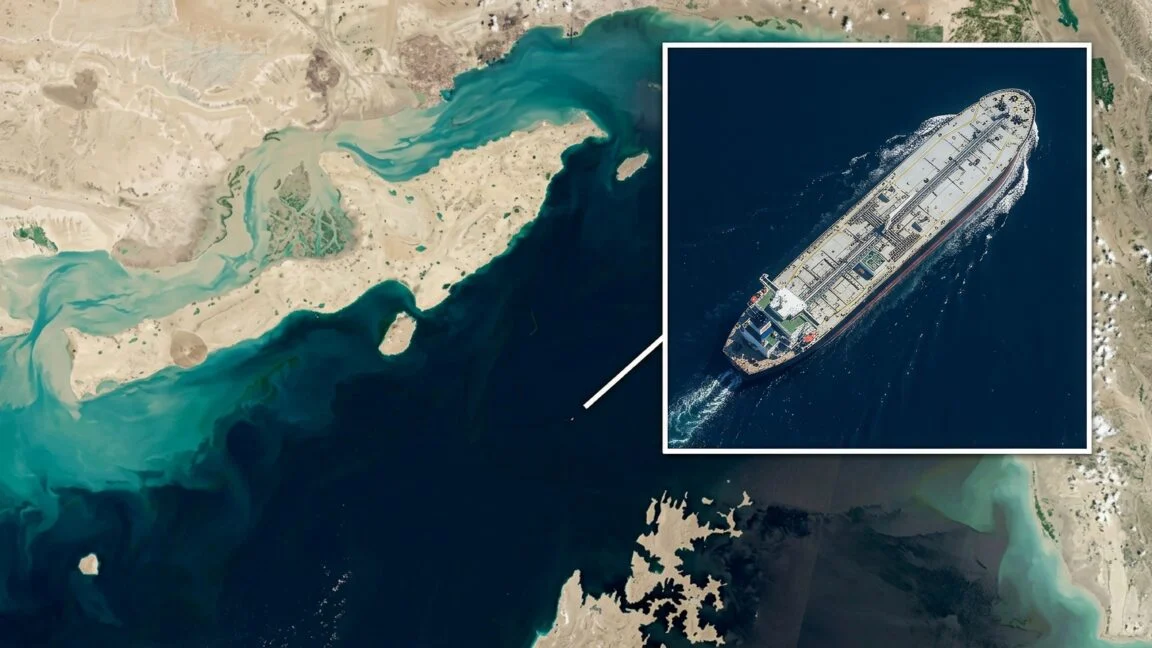
In an era where geopolitical crises are often relegated to the background noise of social media feeds and fleeting news headlines, independent developer Jakub Gornicki has introduced a sobering, interactive experience that demands the player’s full attention. Titled Bottleneck, the browser-based simulation game forces users into the high-stakes role of a crisis manager tasked with overseeing maritime traffic through the Strait of Hormuz.
While the game is designed to be completed in a brisk 15 to 20 minutes, its brevity belies the crushing weight of the decisions involved. Bottleneck is not merely an exercise in resource management; it is a pedagogical tool designed to bridge the gap between abstract international shipping data and the visceral, real-world consequences of a maritime chokepoint under duress.
The Weight of Authority: Core Gameplay and Mechanics
At its heart, Bottleneck is a lesson in the "art of the impossible." Players are placed in charge of approving or denying ship transits through the Strait of Hormuz between March 3 and April 13, 2026. Each day of the simulation presents a fresh set of dilemmas: which ships to let through, which to hold back, and how to balance the immediate needs of global supply chains against the mounting security risks.
The game is surprisingly accessible, serving as an entry point for those who might feel intimidated by the complexities of international trade law. It provides a rich layer of supplementary content, including integrated news articles and pop-up explainers that detail the real-world context of the crisis. By clicking through these resources, players begin to understand that every "approve" button they click has a downstream effect, whether it is preventing a regional famine or inadvertently allowing a compromised vessel into a dangerous zone.
However, the game quickly reveals its darker side. As the 10-day timeline progresses, the cost of transit increases. Players are faced with a stark reality: refusing to send ships through the strait avoids immediate security threats but triggers systemic failures. "Empty shelves" become the norm, and the collapse of desalination plants—upon which Gulf States rely for potable water—threatens the health and survival of millions. The player is forced to constantly weigh human lives against economic survival, rarely finding a decision that doesn’t leave someone worse off.
Chronology of a Crisis: March 3 to April 13, 2026
The timeline of Bottleneck is meticulously mapped against the escalating tensions in the region. By condensing the crisis into a 10-day playable window, Gornicki creates a pressure-cooker environment.
Phase 1: The Illusion of Control (Days 1–3)
In the early days, the player is introduced to the mechanics. Ships are plentiful, and the consequences of denial seem manageable. However, the background data provided by the game begins to hint at the fragility of the status quo.
Phase 2: The Escalation (Days 4–7)
Mid-game, the "costs" of transit spike. The game introduces variables such as cyber-interference and regional military posturing. This is where most players begin to see the "dismal results" mentioned in the game’s design brief. Desalination plants begin to fail due to energy shortages, and food insecurity metrics begin to climb.
Phase 3: The Aftermath (Days 8–10)
The final days force a reckoning. Even if the player has navigated the logistics perfectly, the end-of-game screen offers a sobering statistical breakdown. It compares the player’s best-case shipping throughput to the pre-war reality, highlighting the catastrophic deficit.
Supporting Data: The Reality Behind the Simulation
Bottleneck is not a work of fiction; it is grounded in rigorous, verified data. Gornicki spent 17 days building the project, utilizing AI-assisted coding to ensure the backend logic was both robust and audited at every developmental step.
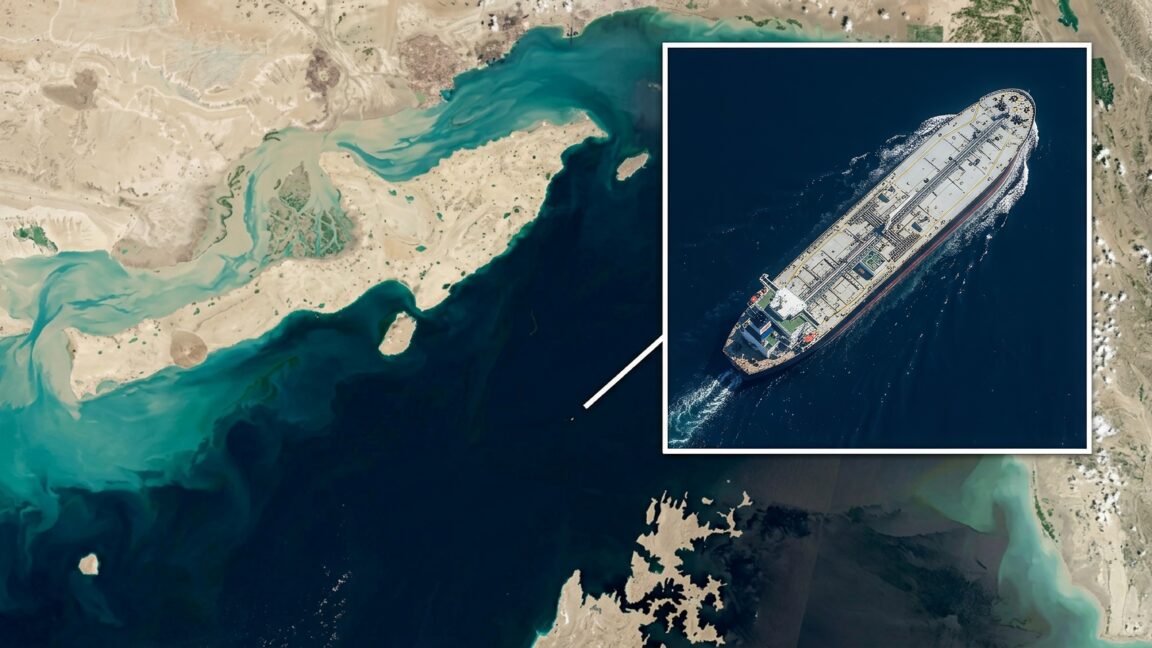
The game draws from over 125 verified news articles and high-fidelity shipping data from industry stalwarts like Windward Maritime Intelligence and Lloyd’s List. These sources provide the backbone of the simulation’s, ensuring that when the game warns of a fuel price hike or a fertilizer shortage, it is echoing the actual economic volatility caused by the current blockade.
The starkest metric in the game is the volume of traffic. Before the current crisis, the Strait of Hormuz saw an average of 130 ships pass through daily. In Bottleneck, even a highly successful player will struggle to reach a fraction of that number. This disparity serves as the game’s "kicker"—a reminder that even the most optimized logistics management cannot fix a fundamentally broken security environment.
Official Responses and Industry Perspectives
Industry analysts and maritime security experts have noted that projects like Bottleneck serve a critical function in public education. While governments often issue dry press releases regarding maritime safety, the "gamification" of the issue allows for a more empathetic understanding of the crisis.
"The chokepoint is not a story you read once and put down," says Gornicki. "It returns every week, in fuel prices, in fertilizer shortages, and in food security in places far from any tanker. I wanted to give people a form of this reporting they could not skim past."
By forcing users to interact with the consequences, Gornicki has achieved what traditional long-form journalism often struggles to do: he has made the reader feel the consequences of a systemic failure. The game effectively shifts the narrative from "this is a distant geopolitical problem" to "this is a crisis that directly impacts the cost of living and the availability of basic resources."
Implications: The Long Tail of the Strait
The implications of the Bottleneck simulation extend far beyond the browser window. The crisis in the Strait of Hormuz is not merely a matter of regional instability; it is a global economic imperative. As the game illustrates, the ripple effects of a restricted strait include:
- Energy Insecurity: The direct impact on the global oil and gas supply, leading to inflationary pressures on energy costs worldwide.
- Water Scarcity: The vulnerability of energy-dependent infrastructure, specifically the desalination plants in the Gulf, which serve as the primary source of water for millions of residents.
- Food Insecurity: The disruption of fertilizer and grain shipments, which destabilizes food supply chains in emerging markets that rely on affordable imports.
- Cyber-Vulnerability: The risk of digital interference, where bad actors can use cyber-scams to lure vessels into dangerous waters under the guise of safe passage.
As the simulation concludes, the player is left with a dashboard of charts and graphs. These are not just "game scores"; they are indicators of global health. By design, the game provides no "winning" screen. There is no version of the game where the crisis is perfectly solved, because in the real world, the crisis remains an ongoing, evolving threat.
Conclusion: Why We Need Interactive Journalism
In a media landscape dominated by the 24-hour news cycle, it is easy to become desensitized to the reporting of such massive, complex issues. Bottleneck disrupts this desensitization by placing the player in the driver’s seat. It demands that we consider the "bad hand" of global geopolitics and acknowledge that, in many instances, there is no perfect move—only the choice between different degrees of disaster.
Whether one is a casual gamer or a policy student, Bottleneck offers a compelling, if uncomfortable, perspective on the fragility of our modern, interconnected world. It serves as a reminder that the global economy is a delicate, man-made construct, and that the "bottlenecks" of our world are far more dangerous than they appear on a map.












No comments yet. Be the first to join the conversation!